Cleaning the inside of your oven glass door is essential for visibility and hygiene but requires a gentle approach to avoid scratches. Always start by removing loose debris and ensuring the oven is completely cool. The most effective and safest methods typically involve a baking soda paste or a vinegar solution, applied and left to sit before gentle wiping. Avoid abrasive scrubbers, steel wool, or harsh chemical sprays directly on the glass at all costs. Regular light maintenance prevents the need for harsh, time-consuming deep cleans.
Key Takeaways
- Cool & Clear is Crucial: Never attempt to clean a warm or hot oven door. Ensure it’s completely cool and remove any large food debris first to prevent scratching.
- Gentle is the Rule: Always use non-abrasive tools like soft cloths, non-scratch sponges, or plastic razors. Metal blades and scouring pads will permanently damage the glass surface.
- Natural Cleaners Work Best: A baking soda paste or a white vinegar spray are highly effective, non-toxic, and inexpensive solutions for cutting through grease and baked-on grime without fumes.
- Patience Pays Off: For tough buildup, let your cleaning paste or spray sit for at least 30 minutes, or even overnight for the most stubborn messes. This softens grime for effortless removal.
- Rinse Thoroughly: After wiping away the cleaning paste, use a clean, damp microfiber cloth to remove all residue. A final wipe with a vinegar-water rinse helps prevent streaks.
- Know Your Oven: Be mindful of your oven’s specific design. Self-cleaning ovens have a special coating; convection ovens may have more fan-related splatter. Consult your manual if unsure.
- Prevention is Key: Wipe up spills immediately after the oven cools and use a liner or tray below dishes to reduce splatter. A quick weekly wipe-down prevents major buildup.
[FEATURED_IMAGE_PLACEHOLDER]
📑 Table of Contents
- Why Cleaning Your Oven’s Inside Glass Door Matters
- Essential Preparation Before You Begin
- Method 1: The Baking Soda Paste Powerhouse
- Method 2: The Vinegar Spray Solution for Light Grime & Streaks
- Method 3: When and How to Use Commercial Oven Cleaners (With Extreme Caution)
- Special Considerations for Different Oven Types and Features
- Establishing a Maintenance Routine for a Permanently Clean Window
- Conclusion: Clarity is Worth the Effort
Why Cleaning Your Oven’s Inside Glass Door Matters
Let’s be honest: that hazy, greasy film on the inside of your oven door isn’t just an eyesore. It’s a window into a cooking chamber that’s accumulating layers of baked-on grease, food splatters, and carbon buildup. This grime does more than make it hard to check on your Sunday roast without opening the door and losing heat. Over time, that residue can actually insulate the glass, potentially affecting the oven’s internal temperature accuracy and efficiency. Plus, heavy buildup can smoke during high-heat cooking, setting off your smoke alarm and creating an unpleasant odor in your kitchen. Keeping that glass clean is about aesthetics, appliance health, and even food safety. A clean window means better cooking visibility, which leads to better results. And knowing you have a clean interior gives peace of mind. But here’s the catch: that glass is under constant stress from extreme heat cycles. It’s more delicate than it looks, and using the wrong tool or chemical can etch it permanently, creating a permanent, cloudy mess. That’s why a methodical, gentle approach isn’t just recommended—it’s the only way.
The Delicate Nature of Oven Glass
Oven door glass is usually a type of tempered glass, designed to withstand high heat. However, its outer surface can be surprisingly vulnerable to scratches and chemical etching. Abrasive cleaners, steel wool, and even the wrong kind of scrub pad can leave fine scratches that scatter light, creating a permanent frosted or spotted look. Furthermore, many commercial oven cleaners contain powerful chemicals like sodium hydroxide (lye). While effective on metal interiors, these can be too harsh for the glass surface and the seals surrounding it, potentially causing cloudiness or deterioration. The goal, therefore, is to dissolve and lift the grease without any physical abrasion or corrosive action on the glass itself.
Essential Preparation Before You Begin
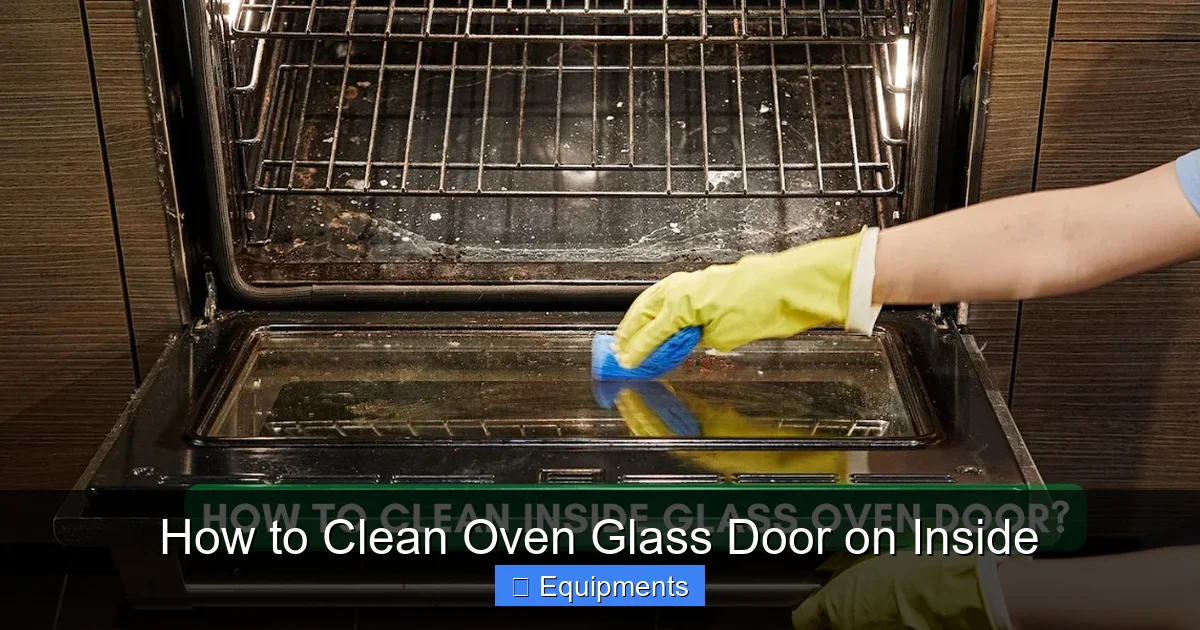
Rushing into cleaning is the #1 mistake. Proper preparation sets you up for success and protects your appliance. First and foremost: patience. Your oven must be completely, 100% cool. This isn’t a “warm to the touch” situation. Turn it off and wait at least a few hours after the last use. If you’re doing a deep clean, consider doing it the morning after a heavy cooking day. Next, remove the oven door if your model allows. Consult your oven’s manual—many have a release lever or hinges that let you swing the door down or remove it entirely for easier access. This isn’t just for comfort; it gives you better angles to clean the edges and the seam between the glass panels. If you can’t remove it, just prop it open slightly with a wooden spoon or silicone handle to create a working gap.
Visual guide about How to Clean Oven Glass Door on Inside
Image source: digitalbut.com
Gathering Your Safe, Non-Abrasive Tools
Ditch the steel wool. You need a soft toolkit. Here’s your checklist: a few clean, lint-free microfiber cloths (the secret weapon for streak-free glass), a non-scratch sponge (the blue or yellow kind labeled “non-scratch”), a plastic razor blade or scraper (available at hardware stores, the kind with a handle), a spray bottle, rubber gloves to protect your hands, and a small plastic bowl for mixing. For your cleaning agents, you have two champion options: white distilled vinegar and baking soda. Both are food-safe, non-toxic, and react beautifully to cut through grease. Have a roll of paper towels handy for initial wiping of loose debris.
The Initial Wipe-Down: Removing Loose Debris
Before applying any liquid or paste, you must remove all loose, dry crumbs and flaky burnt bits. Use a dry paper towel or a soft cloth to sweep these away. If you see any large, hardened chunks of food, gently tap them off with your hand or the back of a butter knife—but be incredibly gentle. This initial dry sweep prevents you from grinding these particles into the glass when you start wiping with a damp cloth, which would cause micro-scratches. It also gives you a clearer view of the actual bonded grease and carbon stains you need to tackle next.
Method 1: The Baking Soda Paste Powerhouse
This is the gold standard, all-natural method for a reason. Baking soda (sodium bicarbonate) is a very mild abrasive—just enough to lift grime without scratching when used with a soft cloth—and it’s alkaline, which helps break down acidic grease and food residues. The paste method is ideal for moderate to heavy buildup. Start by making a thick paste in your bowl. The consistency should be like peanut butter—not runny, not crumbly. A good ratio is about ½ cup of baking soda to just enough water (or white vinegar for extra power) to form a spreadable paste. Vinegar will cause a fizzing reaction, which is great, but it also makes the paste a bit runnier, so add water if needed.
Visual guide about How to Clean Oven Glass Door on Inside
Image source: thespruce.com
Step-by-Step Application
Using your fingers (wear gloves!) or a spoon, spread a generous layer of the paste onto the dry glass surface. Don’t be shy; coat the entire greasy area. Pay special attention to the edges and corners where spatter accumulates. For the toughest, carbonized bits that look almost black, press the paste on a bit thicker. Once applied, you walk away. This is the most important step. Let the paste sit for a minimum of 30 minutes. For seriously neglected doors, cover the pasted area with plastic wrap to prevent it from drying out completely and leave it overnight. The baking soda will slowly work its way into the grime, loosening its bond to the glass.
The Wiping and Rinsing Ritual
After its long soak, grab your non-scratch sponge or a microfiber cloth. Dampen it slightly with warm water and begin wiping in gentle, circular motions. You’ll see the paste turn brown and gray as it lifts the grease. The residue will come off easily. For any remaining stubborn spot, apply a tiny bit of extra paste and rub gently. Never use the rough side of a sponge. Once all the paste and grime are wiped away, you have a critical second step: rinsing. Take a clean microfiber cloth, wring it out until it’s barely damp, and wipe the entire glass surface several times to remove all baking soda residue. Any leftover paste will leave a hazy film. For a final, streak-free shine, mix a 50/50 solution of white vinegar and water in your spray bottle. Lightly mist the glass and wipe immediately with a clean, dry microfiber cloth. The vinegar cuts any remaining mineral deposits and evaporates cleanly for a crystal-clear finish.
Method 2: The Vinegar Spray Solution for Light Grime & Streaks
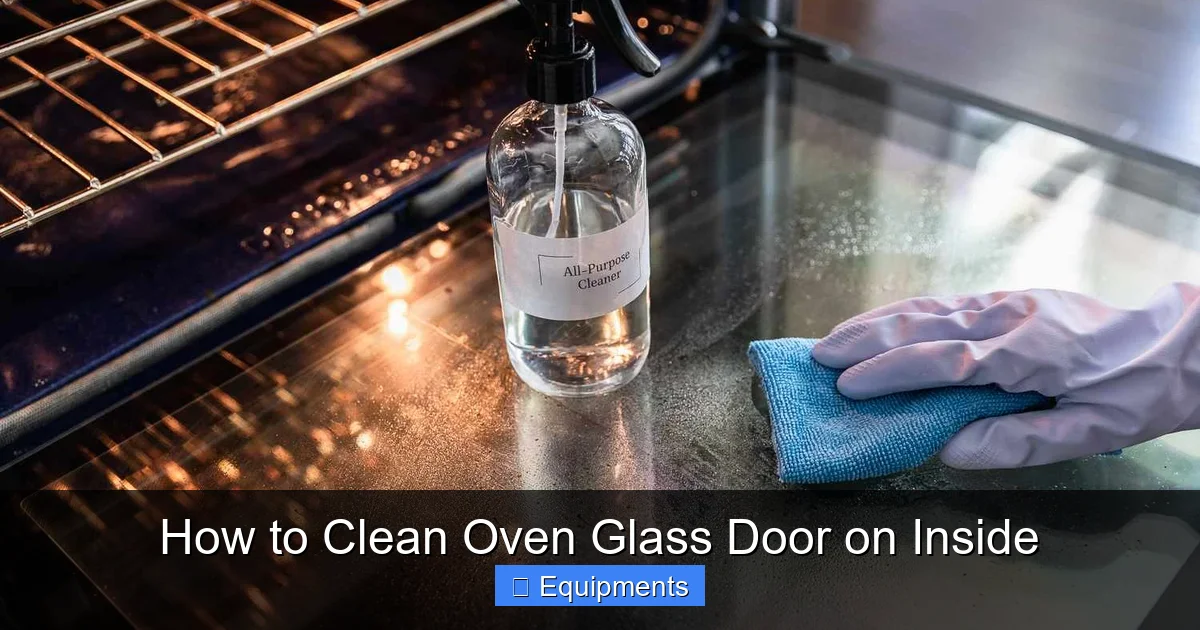
For day-to-day maintenance or lighter film, the vinegar spray is your best friend. It’s faster, less messy, and excellent for cutting through fresh grease and eliminating streaks. Heat about ½ cup of white distilled vinegar in a microwave-safe bowl for 30 seconds. The heat intensifies its cutting power. Carefully pour the warm vinegar into your spray bottle, add ½ cup of water, and shake gently. Alternatively, you can use it straight for maximum power on very light buildup. The acetic acid in vinegar dissolves grease and evaporates quickly, making it perfect for glass.

Visual guide about How to Clean Oven Glass Door on Inside
Image source: thespruce.com
Application Technique for a Flawless Finish
Spray the solution generously onto the cool glass surface. Don’t drench it, but ensure the entire area is wet. Let it sit for 5-10 minutes. This dwell time is key; it allows the vinegar to penetrate the grease. Now, take your non-scratch sponge or a microfiber cloth. For any sticky spots, use the flat edge of your plastic razor blade at a 45-degree angle. This is the only safe “scraper” for oven glass. Gently push the blade forward; it should glide under the softened grime. Never pull the blade toward you, as this increases the risk of gouging if you hit a resistant spot. Wipe the loosened debris away with your cloth. Follow immediately with a clean, damp microfiber cloth to remove vinegar residue, then buff dry with a separate, perfectly dry microfiber cloth. The key to no streaks is using a dry cloth for the final buff and ensuring no soap or paste residue remains.
Method 3: When and How to Use Commercial Oven Cleaners (With Extreme Caution)
Sometimes, natural methods meet their match with decades of carbonized, polymerized grease. In these extreme cases, a commercial oven cleaner might be necessary. However, they must be used with military-like precision to avoid disaster. First, read the label. Ensure the product is explicitly safe for glass or “all surfaces.” Many are not. Second, ventilation is non-negotiable. Open windows, turn on your kitchen exhaust fan to high, and wear gloves and a mask. These chemicals are potent.
A Safe Application Protocol
Remove the oven door if possible. If not, prop it open and protect the floor below with newspaper or a towel. Shake the can well. Never spray directly onto a hot surface. Spray a light, even mist onto a cloth or paper towel first, then wipe onto the glass. This gives you control and prevents overspray onto the door seals, which can degrade them. Never spray into the crevices where the glass meets the metal frame. Let it sit for the time specified on the can—usually no more than 10-15 minutes. You will see the grime bubble and dissolve. Using a fresh section of your damp cloth, wipe the area thoroughly. You will likely need to do this multiple times with a clean cloth to remove all chemical residue. Follow up immediately with a vinegar-water rinse and a thorough dry. The smell will linger, so keep ventilating.
Special Considerations for Different Oven Types and Features
Not all ovens are created equal, and your cleaning approach might need slight adjustments. For self-cleaning ovens, the high-heat cycle (often 800-900°F) burns off most interior grime to ash. However, the glass door often has a special coating that can be damaged by harsh chemicals or abrasives. After a self-clean cycle, you may only need a light vinegar wipe on the glass. Never use commercial sprays inside a self-cleaning oven unless the manufacturer explicitly approves. For convection ovens, the fan circulates air (and splatter) more aggressively, so you’ll likely have more buildup on the door and the fan cover itself. Clean the fan cover separately according to the manual. For double ovens or wall ovens, door removal is often easier and highly recommended to access the top edge and inner seams where grease collects.
The Seals and Gaskets: Don’t Forget the Perimeter
The black rubber or fiberglass seal around your oven door is a trap for crumbs and grease. While cleaning the glass, you’ll inevitably touch this area. Clean it gently with the same vinegar solution or a mild soapy water (a drop of dish soap in water) on a cloth. Never submerge the seal or use anything that could dry it out. Wipe it clean and dry it thoroughly. A damaged seal compromises your oven’s efficiency and can be a costly replacement. If the seal is old, cracked, or coming apart, it’s time to order a replacement part rather than trying to clean it back to life.
Establishing a Maintenance Routine for a Permanently Clean Window
The best cleaning is the one you don’t have to do. A few simple habits will keep your oven glass door looking clear for months, making the occasional deep clean a 10-minute task instead of an hour-long chore. The golden rule: address spills while the oven is warm, not hot. After you finish cooking and turn the oven off, wait for it to cool just enough to be safe to touch (maybe 30-45 minutes). Use a damp cloth to wipe any fresh splatters on the door or walls. This prevents them from baking on permanently. Once a week, during your kitchen cleaning, give the door a quick spray with your 50/50 vinegar-water mix and wipe it dry. This single minute of maintenance dissolves the thin film of cooking vapor before it can build up. Finally, be mindful of what you cook. Loose, greasy foods like bacon or oil-heavy dishes are the main culprits. Use a baking sheet with a raised edge or an oven liner beneath such dishes to catch drips and spatter.
Conclusion: Clarity is Worth the Effort
Cleaning the inside of your oven glass door doesn’t have to be a daunting, chemical-filled ordeal. By arming yourself with the right gentle tools—baking soda, vinegar, a plastic scraper, and microfiber cloths—and a patient, methodical approach, you can restore perfect clarity without risking a single scratch. Remember the core principles: work cool, start dry, use paste for power, spray for shine, and always rinse thoroughly. Integrate that quick weekly vinegar wipe into your routine, and you’ll never face a daunting, baked-on nightmare again. A clean oven door isn’t vanity; it’s a sign of a well-maintained kitchen, a more efficient appliance, and a more enjoyable cooking experience. So grab your bowl of baking soda, put on some gloves, and enjoy the satisfying transformation from foggy to flawless.
Frequently Asked Questions
Can I use a regular glass cleaner like Windex on my oven door?
No, avoid standard window cleaners. They are designed for room-temperature glass and can contain ammonia or other chemicals that may damage the high-heat tempered glass or the surrounding door seals when exposed to oven heat. Stick to vinegar solutions or cleaners specifically labeled safe for oven interiors.
What if the grime is extremely baked-on and won’t budge with baking soda?
For the toughest, carbonized buildup, create a thick baking soda paste and add a tablespoon of hydrogen peroxide (3%) to it. Apply it thickly, cover with plastic wrap, and let it sit overnight. The peroxide helps break down the organic compounds. In the morning, it should wipe away much more easily. As a last resort, a commercial oven cleaner used with extreme caution (as detailed above) may be necessary.
Will using a razor blade scratch my oven glass?
A plastic razor blade, used correctly, is safe and often the best tool for lifting softened, sticky residue without scrubbing. However, a metal razor blade or any metal scraper will almost certainly scratch the glass. Always use a tool specifically designed as a “non-scratch” or “plastic” scraper for glass and ceramic surfaces.
How often should I deep clean the inside of my oven door?
With a good weekly vinegar wipe-down, a full deep clean using the baking soda paste method should only be needed 2-4 times per year, depending on your cooking frequency. If you cook greasy foods often, aim for quarterly. If you mostly bake or roast, twice a year may suffice.
My oven has a self-cleaning cycle. Do I still need to clean the glass door manually?
Yes, almost always. The self-cleaning cycle’s extreme heat is designed for the metal oven cavity and may not reach or effectively clean the glass door, which often has a special coating. The grease and film on the door typically require manual attention with the gentle methods described here. Consult your manual for specific guidance on your model.
What’s the biggest mistake people make when cleaning oven glass?
Using abrasive tools like steel wool, abrasive powders (Comet, Bar Keepers Friend), or the rough side of a sponge. This creates permanent, fine scratches that make the glass look permanently cloudy and dirty, no matter how much you clean it. Patience and gentle chemistry (baking soda/vinegar) are always better than brute force.
