Cleaning your Hydro Flask Flex Straw Lid is essential for maintaining hygiene and performance. This guide provides simple, effective methods for daily cleaning, deep sanitizing, and proper maintenance. Follow these steps to keep your lid odor-free, mold-free, and ready for every sip.
If you own a Hydro Flask with the Flex Straw Lid, you already know how convenient it is for sipping on the go. But that same convenience can become a problem if the lid isn’t cleaned properly. Bacteria, mold, and unpleasant odors can hide in the straw, gasket, and tiny crevices. That’s why knowing how to clean Hydro Flask Flex Straw Lid correctly is essential for your health and your bottle’s performance.
In this guide, we’ll walk you through everything you need to keep your Flex Straw Lid fresh, hygienic, and functioning like new. From quick daily routines to deep cleaning methods, we’ve got you covered. Whether you’re a busy commuter, a fitness enthusiast, or just someone who loves a cold drink, these tips will make maintenance a breeze.
Key Takeaways
- Regular cleaning prevents bacteria and mold buildup. The Flex Straw Lid’s intricate design can trap moisture and residue, making daily cleaning crucial for health.
- Disassemble the lid for thorough cleaning. Separate the straw, lid, and gasket to access all surfaces and ensure no debris is left behind.
- Use gentle cleaning agents to avoid damage. Mild dish soap and warm water are safe; avoid harsh chemicals that can degrade the materials.
- Deep cleaning methods tackle stubborn odors. Vinegar, baking soda, or denture tablets can eliminate smells and disinfect without harming the lid.
- Dishwasher use is possible but check guidelines. Hydro Flask recommends top-rack only for some components; the straw may not be dishwasher-safe.
- Proper drying and storage extend lifespan. Air-dry all parts completely and store separately to prevent moisture accumulation and maintain freshness.
📑 Table of Contents
- Why Cleaning Your Hydro Flask Flex Straw Lid is Crucial
- Understanding the Components of the Flex Straw Lid
- Daily Cleaning Routine: Quick and Effective Methods
- Deep Cleaning: Removing Stubborn Odors and Mold
- Dishwasher Safety: What You Need to Know
- Maintenance Tips to Keep Your Lid Fresh Longer
- Conclusion
Why Cleaning Your Hydro Flask Flex Straw Lid is Crucial
Health Implications of a Dirty Lid
Your mouth is home to countless bacteria. When you sip from a straw, some of those bacteria transfer to the straw and lid. Add to that the sugars and residues from drinks, and you’ve got a perfect breeding ground for more bacteria and mold. Studies have shown that reusable straws and bottle lids can harbor harmful pathogens like E. coli and Salmonella if not cleaned regularly. These can cause stomach upset, infections, and other health issues. The Hydro Flask Flex Straw Lid’s design, with its flexible section and gasket, creates tiny spaces where moisture can get trapped and stay wet for hours, encouraging microbial growth. That’s why a thorough cleaning routine isn’t just about freshness—it’s about protecting your health.
Imagine taking a sip after a workout and ingesting bacteria that have been multiplying in your straw for days. It’s not a pleasant thought, but it’s a real risk if you neglect cleaning. The good news is that with proper care, you can keep your lid hygienic and safe. Regular cleaning disrupts the life cycle of bacteria and prevents them from reaching dangerous levels. Even if you can’t see mold or grime, microscopic organisms may be present, so don’t rely on appearance alone.
Impact on Taste and Odor
Ever taken a sip and noticed a weird aftertaste? That’s likely leftover residue from previous drinks. Coffee oils, smoothie particles, and even minerals from water can build up inside the straw and lid. Over time, this buildup not only affects the flavor but also produces unpleasant odors. A clean lid should be odorless and taste neutral. If you detect any off smells or tastes, it’s a clear sign that your lid needs a deep clean. Regular cleaning prevents these issues and ensures every sip is as refreshing as intended.
Different drinks leave different residues. For example, coffee and tea contain tannins that can stain and create a bitter taste. Fruit juices and smoothies have sugars that ferment and produce sour smells. Even plain water can leave mineral deposits if you have hard water. By cleaning your Hydro Flask Flex Straw Lid after each use, you prevent these residues from accumulating. A quick rinse with warm water and a brush goes a long way, but a weekly deep clean will keep flavors pure.
Longevity of Your Lid
Proper cleaning extends the life of your Flex Straw Lid. The materials—BPA-free plastic and food-grade silicone—are durable but can degrade if exposed to harsh chemicals or abrasive scrubbing. Residual sugars and acids from drinks can break down these materials over time, causing cracks, discoloration, and loss of elasticity in the gasket. By cleaning gently but effectively, you prevent premature wear and keep your lid sealing properly. A well-maintained lid can last for years, saving you money and reducing waste.
Think of your Hydro Flask as an investment. The Flex Straw Lid is designed to be leak-proof and easy to use, but that performance depends on a good seal. The gasket, in particular, needs to remain supple and intact. If it becomes stiff or cracked, leaks will occur. Regular cleaning with mild soap and water preserves the gasket’s elasticity. Avoid exposing the lid to extreme temperatures (like putting it in the microwave or leaving it in a hot car), as heat can warp the plastic and accelerate aging. With proper care, your lid will continue to function flawlessly, sip after sip.
Understanding the Components of the Flex Straw Lid
The Straw, Lid, and Gasket Breakdown
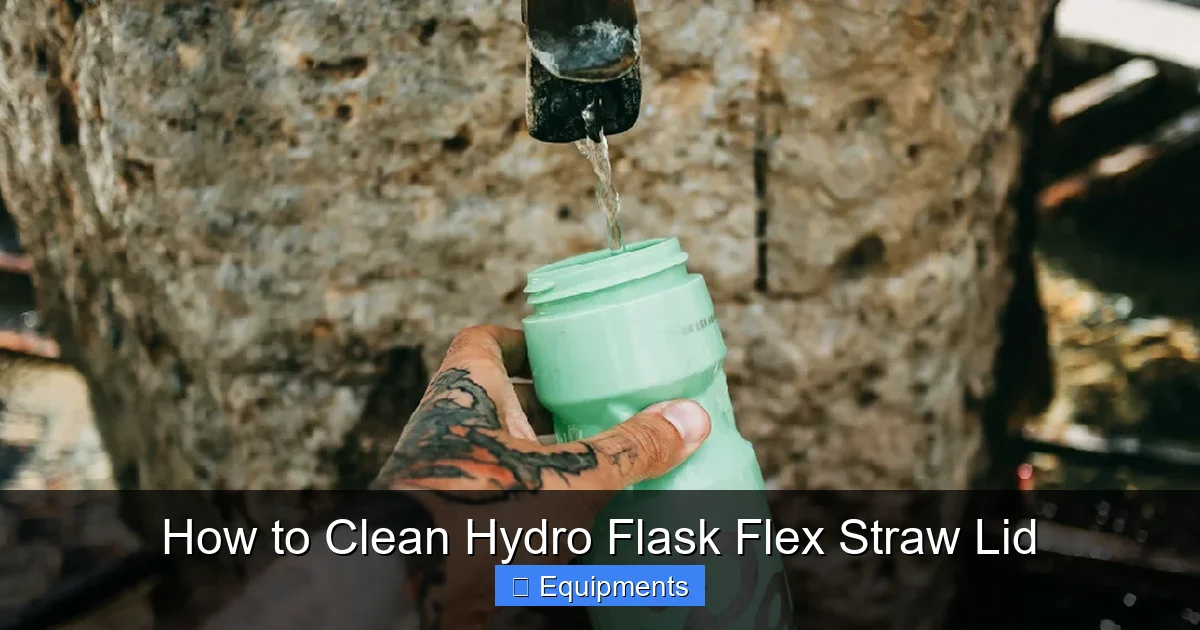
The Hydro Flask Flex Straw Lid consists of three main parts: the straw, the lid, and the silicone gasket. The straw is flexible, allowing you to bend it for easy sipping. It’s usually made of a soft, food-safe silicone that’s easy to compress. The lid is the hard plastic cap that screws onto your bottle. It houses the straw opening and the push-button mechanism (if your model has one). The gasket is a small, ring-shaped seal that sits between the lid and the bottle neck, preventing leaks. Understanding these components helps you disassemble the lid for cleaning and reassemble it correctly.
Visual guide about How to Clean Hydro Flask Flex Straw Lid
Image source: thekitchenix.com
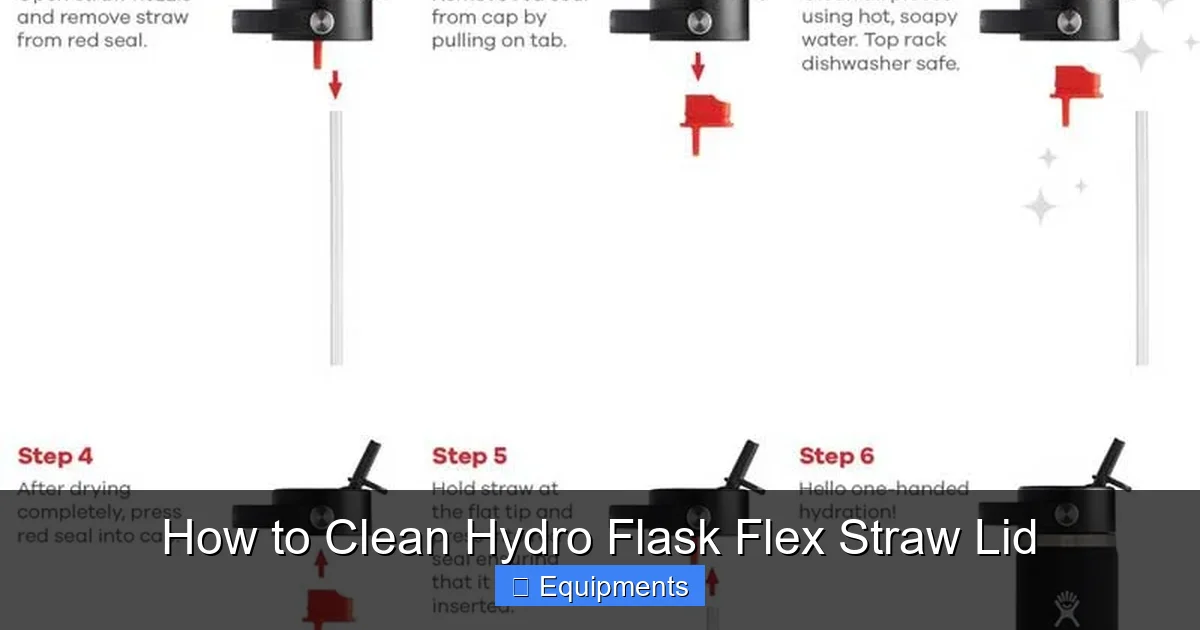
To disassemble, simply pull the straw out of the lid. You may need to twist it slightly. The gasket can usually be pried out with a fingernail or a small tool. Be gentle to avoid tearing it. Once separated, you can clean each part individually. Reassembly is just as easy: place the gasket back into its groove on the lid, then insert the straw until it clicks into place. Make sure the straw is fully seated to prevent leaks.
Materials Used and Their Care Requirements
The straw is typically made of platinum-cured silicone, which is non-porous and resistant to staining. The lid is constructed from polypropylene, a sturdy, BPA-free plastic. The gasket is also silicone. These materials are generally dishwasher safe, but high heat can cause silicone to become sticky or warped over time. Avoid using abrasive scrubbers or harsh chemicals like bleach on a regular basis, as they can degrade the silicone and plastic. Instead, stick to mild dish soap, warm water, and non-abrasive tools. Always check Hydro Flask’s official care instructions for your specific model, as designs may vary.
Silicone is a fantastic material because it’s flexible, durable, and safe for food contact. However, it can absorb strong odors if not cleaned promptly. That’s why it’s important to rinse the straw soon after use, especially after drinking something with strong flavors like coffee or smoothies. Polypropylene plastic is resistant to most chemicals, but it can scratch if you use steel wool or harsh scrubbers. Scratches can harbor bacteria, so use a soft sponge or cloth. By understanding the materials, you can choose the right cleaning methods that protect your lid while keeping it sanitary.
Daily Cleaning Routine: Quick and Effective Methods
Rinsing Immediately After Use
The easiest way to keep your Flex Straw Lid clean is to rinse it right after each use. Residual liquids, especially sugary or acidic ones, can dry and stick to surfaces, making them harder to remove later. Simply detach the straw from the lid (if possible) and rinse both parts under warm running water. This quick step removes most of the loose debris and prevents buildup.
Visual guide about How to Clean Hydro Flask Flex Straw Lid
Image source: cdn.shopify.com
If you’re away from a sink, carry a small bottle of water to rinse the straw. You can also swish water inside the straw and spit it out. The goal is to flush out any liquid before it dries. For on-the-go convenience, consider keeping a travel-sized bottle brush in your bag so you can give the straw a quick scrub after each use. A little effort now saves a lot of work later.
Using the Included Cleaning Brush
Hydro Flask often includes a small, flexible cleaning brush designed specifically for the straw. If you didn’t get one, you can purchase a straw brush separately. Insert the brush into the straw and rotate it while pushing it through. The bristles scrub the interior, dislodging any particles. For the flex section, gently bend the straw to access the curve. This takes just a few seconds and makes a huge difference.
Make sure to clean the brush itself regularly. Rinse it with soap and water after each use, and occasionally soak it in a vinegar solution to sanitize. A dirty brush can transfer bacteria back into your straw. If your straw is particularly narrow, look for a brush with a smaller diameter. Some brushes have a loop on the end for easy hanging—keep it by your sink so it’s always ready.
Soap and Water: The Gold Standard
After rinsing, give the lid and straw a proper wash with mild dish soap and warm water. Use a soft sponge or cloth to clean the lid’s exterior and interior. For the straw, you can either use the brush again or fill a sink with soapy water and swirl the straw around. Pay special attention to the gasket: remove it from the lid (if it’s removable) and scrub it gently. Rinse everything thoroughly to remove any soap residue, which can leave a taste.
Here’s a step-by-step daily cleaning routine:
- 1. Disassemble the lid: pull out the straw and remove the gasket if possible.
- 2. Rinse all parts under warm water.
- 3. Apply a drop of mild dish soap to a soft sponge or directly to the straw brush.
- 4. Scrub the lid’s interior and exterior, the straw (using the brush), and the gasket.
- 5. Rinse each part thoroughly under running water until no soap suds remain.
- 6. Shake off excess water and place parts on a drying rack or clean towel.
This routine takes less than two minutes and keeps your lid in top shape.
Drying Properly to Prevent Moisture Buildup
Moisture is the enemy of a clean lid. After washing, shake off excess water and place all parts on a drying rack or clean towel. Allow them to air-dry completely before reassembling. If you’re in a hurry, you can pat them dry with a lint-free towel, but ensure no water remains inside the straw or under the gasket. Storing the lid while still damp can trap moisture and lead to mold growth. It’s best to leave the lid off the bottle until everything is dry.
To speed up drying, you can use a clean, dry string or pipe cleaner to absorb moisture from inside the straw. Thread it through the straw and leave it for a few minutes. The string will wick away water. Another trick is to stand the straw upright on a paper towel; the water will drain out. For the gasket, place it on a towel with its edges lifted to allow air circulation. Proper drying is a simple step that makes a big difference in preventing odors and mold.
Deep Cleaning: Removing Stubborn Odors and Mold
Vinegar and Baking Soda Solution
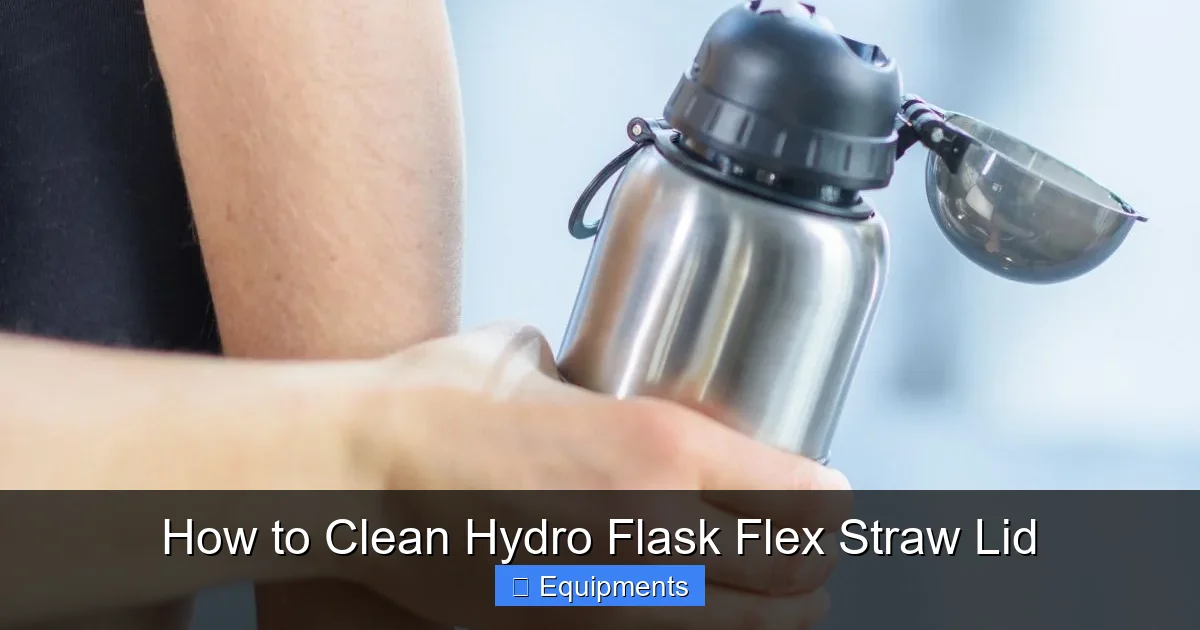
When your Hydro Flask Flex Straw Lid develops a persistent odor, it’s time for a deep clean. White vinegar is a natural disinfectant and deodorizer. Mix equal parts white vinegar and warm water in a bowl or sink. Submerge the disassembled lid, straw, and gasket. Let them soak for 30 minutes to an hour. The vinegar will break down organic residues and kill bacteria. After soaking, scrub each part with a brush or sponge. For extra scrubbing power, make a paste of baking soda and water and apply it to the gasket and straw interior. Rinse thoroughly with clean water.
Visual guide about How to Clean Hydro Flask Flex Straw Lid
Image source: justvanlife.com
Vinegar is safe for silicone and plastic, but it has a strong smell. If you’re sensitive to it, you can add a few drops of lemon juice to mask the odor. After rinsing, the vinegar smell will dissipate. This method is effective for most everyday buildup and is non-toxic, making it ideal for regular deep cleans.
Bleach Solution for Disinfection (with caution)
For severe mold or mildew, a diluted bleach solution can be effective. Mix 1 tablespoon of unscented household bleach with 1 gallon of water. Soak the parts for no more than 5-10 minutes. Bleach is potent and can damage silicone if left too long, so timing is critical. After soaking, rinse the parts multiple times under running water to remove all bleach traces. Ensure no bleach smell remains before reassembling. Use this method sparingly—once every few months at most—and always in a well-ventilated area.
Important safety tips: wear gloves when handling bleach, never mix bleach with other cleaners (especially vinegar, as it creates toxic fumes), and keep bleach away from children and pets. If you have a stainless steel bottle, avoid getting bleach on the exterior, as it can cause discoloration. After bleaching, you may want to run the parts through a dishwasher (if safe) or do a final vinegar rinse to neutralize any residual bleach.
Using Denture Tablets or Cleaning Tablets
Effervescent denture tablets are a convenient alternative. Fill a container with warm water, drop in a tablet, and submerge the lid components. The bubbling action helps dislodge grime and sanitize. Let it soak for 15-30 minutes, then rinse well. This method is especially good for removing stains and odors from coffee or tea. You can also use specialized bottle cleaning tablets if you have them.
Denture tablets contain enzymes that break down proteins and fats, making them effective against organic buildup. They’re also gentle on materials. However, some tablets contain chemicals that may leave a slight aftertaste if not rinsed thoroughly. Always rinse with clean water after soaking. This method is a great hands-off approach—just drop a tablet and let it work while you attend to other tasks.
Cleaning the Hard-to-Reach Areas
The flex section of the straw and the tiny grooves around the gasket can be tricky. Use a pipe cleaner or a small, flexible brush (like a mascara wand) to scrub these areas. For the gasket’s edges, gently rub it between your fingers with a bit of baking soda paste. If the gasket is removable, you can also soak it separately. Don’t forget the underside of the lid where the straw inserts—use a cotton swab to clean that spot.
Another useful tool is a toothpick or a wooden skewer. These can help dislodge any debris stuck in the straw opening or the lid’s vent holes. Be careful not to scratch the plastic. After cleaning, rinse thoroughly to remove any loosened particles. If you notice persistent grime in the flex section, you might need to soak the straw in vinegar for a longer period or use a straw brush with stiffer bristles.
Dishwasher Safety: What You Need to Know
Official Hydro Flask Recommendations
Hydro Flask states that many of its lids, including the Flex Straw Lid, are top-rack dishwasher safe. However, they recommend hand washing for best results, especially for the straw and gasket. The high heat of the dishwasher’s drying cycle can cause silicone to become sticky or lose its shape over time. Always refer to the care instructions that came with your specific model, as there may be variations.
If you can’t find your manual, check the Hydro Flask website. They often provide downloadable PDFs with care guidelines. Some newer models may have dishwasher-safe straws made from a more heat-resistant material. But as a rule of thumb, the straw is the most vulnerable part. If you’re unsure, hand wash the straw and only put the lid and gasket in the dishwasher.
Pros and Cons of Dishwasher Cleaning
The main advantage of using a dishwasher is convenience—you can toss the parts in and let the machine do the work. The hot water and detergent also provide a thorough sanitizing effect. On the downside, repeated dishwasher cycles may warp the straw or degrade the gasket’s seal. Detergent residues can also build up if rinsing isn’t perfect. If you choose to use the dishwasher, limit it to occasional deep cleans rather than daily use.
Another con is that the dishwasher can cause colors to fade over time. The bright colors of Hydro Flask lids may dull after many washes. Also, the high heat can cause the plastic to become brittle in the long run. If you notice any warping, cracking, or loss of flexibility after dishwasher use, switch to hand washing immediately. For most people, a quick hand wash daily and a dishwasher deep clean once a month is a good compromise.
How to Properly Load the Lid in the Dishwasher
If you decide to use the dishwasher, disassemble the lid completely. Place the lid and gasket on the top rack, ensuring they won’t be jostled by the spray arm. The straw should be placed in a utensil basket or a small mesh bag to prevent it from falling through. Avoid using the heated dry setting; let the parts air-dry in the dishwasher instead. After the cycle, inspect everything for any signs of damage or residue. If the straw feels sticky or the gasket looks misshapen, switch to hand washing.
Some users recommend placing the straw in a glasses holder or a silicone sleeve to keep it secure. You can also use a dishwasher-safe container like a small cup to hold the straw upright. Make sure the straw doesn’t touch other dishes that might block water flow. After washing, give everything an extra rinse if you notice any detergent film. Proper loading ensures the lid gets clean without getting damaged.
Maintenance Tips to Keep Your Lid Fresh Longer
Regular Inspection for Wear and Tear
Make it a habit to check your Flex Straw Lid every few weeks. Look for cracks in the silicone gasket, discoloration, or any damage to the straw. A compromised gasket can leak, and a cracked straw can harbor bacteria. Hydro Flask sells replacement parts, so you don’t have to buy a whole new lid. Replacing worn components promptly ensures optimal performance and hygiene.
During your inspection, also check the threading on the lid where it screws onto the bottle. If the threads are stripped, the lid may not seal properly. Clean any debris from the threads with a toothbrush. If you notice any persistent odors even after deep cleaning, it might be time to replace the straw or gasket, as they can absorb smells over time. Keeping spare parts on hand can be a lifesaver.
Storing the Lid Separately
When not in use, store the lid separately from the bottle. This allows air to circulate and prevents moisture from getting trapped between the lid and the bottle neck. If you store the bottle with the lid attached, any residual dampness can lead to mold. Instead, keep the lid in a dry place, like a cabinet or drawer, and reassemble only when you’re ready to use the bottle.
If you travel with your Hydro Flask, consider packing the lid in a separate pouch or compartment. This reduces the chance of it getting crushed or exposed to contaminants. Some people like to store the straw in a small case to keep it clean. A little organization goes a long way in maintaining your gear.
Avoiding Common Mistakes
Some common mistakes can shorten the life of your lid. Never use abrasive sponges or steel wool, as they scratch the plastic and silicone, creating niches for bacteria. Avoid harsh chemicals like acetone or ammonia, which can degrade materials. Don’t put the lid in the microwave—the plastic can melt. And don’t leave your bottle filled with liquid in a hot car; extreme heat can warp the lid and promote bacterial growth. By following these simple guidelines, you’ll keep your Flex Straw Lid in top condition for years.
Another mistake is neglecting to clean the straw connector. Where the straw meets the lid, there’s often a small rubber or plastic piece that can collect gunk. Use a cotton swab dipped in soapy water to clean that area. Also, avoid chewing on the straw or using it for thick smoothies without immediate rinsing, as sticky residues can clog it. If you enjoy thick drinks, consider using a wider straw or cleaning the straw right away. Remember, prevention is easier than remediation.
Conclusion
Keeping your Hydro Flask Flex Straw Lid clean doesn’t have to be a chore. With a simple daily routine and an occasional deep clean, you can maintain a hygienic, odor-free lid that lasts for years. Remember to rinse after each use, scrub with mild soap, and dry thoroughly. For stubborn odors, turn to vinegar, baking soda, or denture tablets. And always inspect your lid for wear, replacing parts when needed. A clean lid means better-tasting drinks, healthier hydration, and a longer-lasting bottle. So take a few minutes today to give your Flex Straw Lid the care it deserves—you’ll taste the difference.
Frequently Asked Questions
How often should I clean my Hydro Flask Flex Straw Lid?
You should rinse and quickly scrub your Flex Straw Lid after every use. Perform a deep clean with vinegar or denture tablets at least once a week, or more often if you drink sugary or protein-rich beverages. Regular maintenance prevents buildup and keeps your lid fresh.
Can I put the straw in the dishwasher?
The straw is generally not recommended for dishwasher use, as high heat can warp the silicone. Hydro Flask advises hand washing the straw for best results. The lid and gasket are usually top-rack dishwasher safe, but check your specific model’s instructions.
What’s the best way to remove mold from the gasket?
Remove the gasket and soak it in a solution of equal parts white vinegar and water for 30 minutes. Scrub gently with a soft brush or your fingers, then rinse thoroughly. For persistent mold, a brief bleach soak (1 tbsp bleach per gallon) can be used, but ensure you rinse extremely well.
Is bleach safe to use on the lid?
Bleach can be used sparingly for disinfection, but it must be heavily diluted (1 tablespoon per gallon) and applied for no more than 5-10 minutes. Always rinse thoroughly afterward and never mix bleach with other cleaners. Because bleach can degrade silicone over time, it’s best reserved for occasional deep cleans.
How do I know when to replace the gasket or straw?
Replace the gasket if you notice cracks, tears, or loss of elasticity, as these can cause leaks. Replace the straw if it becomes stained, smells persistent, or shows signs of damage. Hydro Flask sells replacement parts that are easy to install and can extend the life of your bottle.
Why does my lid still smell after cleaning?
Persistent odors often indicate that bacteria or mold have penetrated the material, especially if the lid hasn’t been cleaned regularly. Try a deeper clean with vinegar or denture tablets, and ensure all parts are completely dry before reassembling. If the smell remains, it may be time to replace the affected component.