Cleaning your hot plate doesn’t have to be a chore. Follow these simple, kitchen‑friendly steps to remove burnt residue, prevent stains, and keep your appliance working like new. Regular maintenance saves time, money, and extends the life of your hot plate.
Key Takeaways
- Safety first: Unplug and cool the hot plate before any cleaning.
- Choose the right cleaner: Baking soda, vinegar, and mild dish soap work best for most surfaces.
- Gentle tools: Soft sponges and non‑abrasive pads prevent scratches.
- Deep‑clean regularly: A monthly deep clean stops buildup before it becomes stubborn.
- Maintain the heating element: Use a brush or toothpick to clear debris without damaging coils.
- Prevent future messes: Use heat‑resistant mats and clean spills immediately.
- Store properly: Keep the hot plate covered or in a dry place to avoid dust and moisture.
📑 Table of Contents
- Introduction: Why a Clean Hot Plate Matters
- 1. Gather Your Supplies
- 2. Safety First: Unplug and Cool Down
- 3. Basic Daily Cleaning Routine
- 4. Deep Cleaning: Tackling Stubborn Stains
- 5. Preventive Care: Keep Your Hot Plate Spotless Longer
- 6. Troubleshooting Common Cleaning‑Related Issues
- Conclusion: A Clean Hot Plate Is a Happy Hot Plate
Introduction: Why a Clean Hot Plate Matters
Picture this: you’re ready to whip up a quick breakfast, but the hot plate is covered in burnt crumbs and sticky stains. Not only does it look unappealing, it can affect heat distribution, cause uneven cooking, and even create off‑flavors in your food. A clean hot plate ensures even heating, prolongs the appliance’s lifespan, and keeps your kitchen smelling fresh.
Unlike a stovetop that you can wipe down after every use, many hot plates are used for short bursts of cooking and then stored away. That habit often leads to forgotten spills that harden into stubborn grime. The good news? With the right routine and a few household items, you can make cleaning quick, safe, and even a little fun.
1. Gather Your Supplies
Essential tools you’ll need
Before you start, collect these items so you won’t have to pause midway:
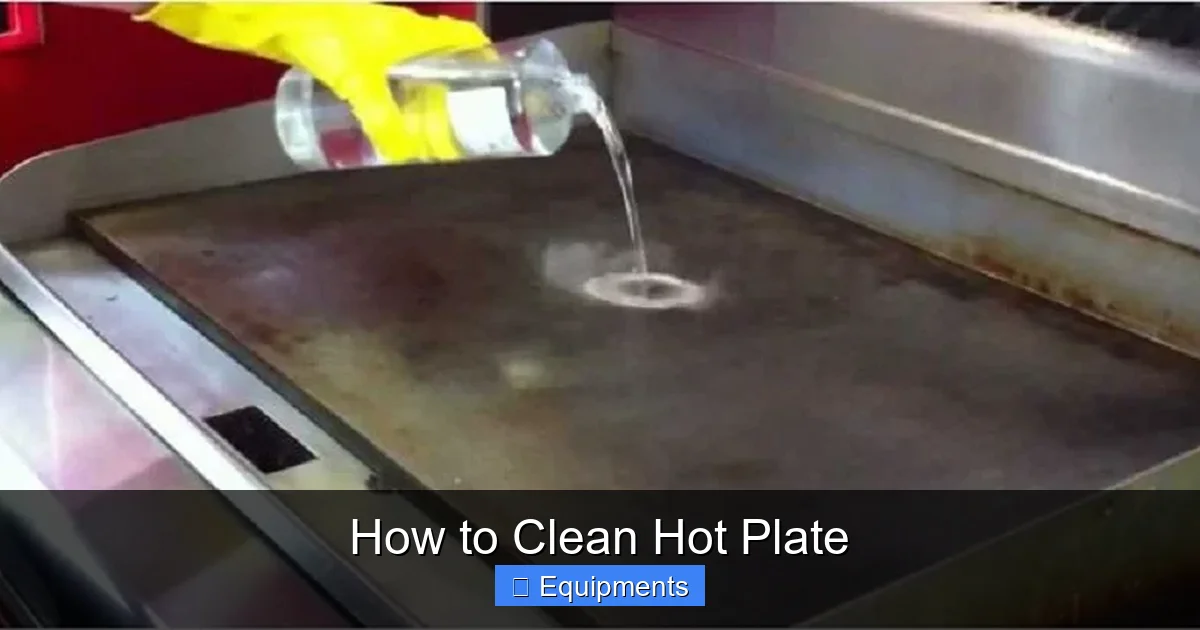
Visual guide about How to Clean Hot Plate
Image source: boiltrack.com
- Soft sponge or microfiber cloth: Prevents scratches on glass‑ceramic surfaces.
- Non‑abrasive scrub pad: Ideal for stubborn spots on metal plates.
- Baking soda: A gentle abrasive that lifts grime without harming the surface.
- White vinegar: Cuts grease and neutralizes odors.
- Mild dish soap: For everyday cleaning.
- Toothpick or soft brush: Reaches into heating element gaps.
- Heat‑resistant silicone mat (optional): Protects the plate during cooking and makes cleanup easier.
Choosing the right cleaner for your hot plate type
Most modern hot plates have a glass‑ceramic top, but some budget models use metal or coil surfaces. The key is to avoid anything abrasive (steel wool, harsh chemicals) on glass‑ceramic, while metal plates can tolerate a slightly tougher cleaner. If you’re unsure, check the manufacturer’s manual—most advise a mild dish soap and a soft cloth.
2. Safety First: Unplug and Cool Down
Why unplugging matters
Even when the indicator light is off, internal components can retain heat for several minutes. Unplugging eliminates any risk of electric shock and ensures the surface is truly cool enough to touch.

Visual guide about How to Clean Hot Plate
Image source: thekitchenix.com
Cooling timeline
Allow the hot plate to sit for at least 10‑15 minutes after the last use. If you’re in a hurry, place a clean, dry towel over the surface; it will absorb residual warmth and speed up cooling.
3. Basic Daily Cleaning Routine
Step‑by‑step quick clean
For everyday spills, follow this five‑minute routine:

Visual guide about How to Clean Hot Plate
Image source: thekitchenix.com
- Wipe away loose debris: Use a dry microfiber cloth to lift crumbs, flour, or oil droplets.
- Apply a mild soapy solution: Mix a few drops of dish soap with warm water. Dampen a soft sponge, wring out excess liquid, and gently rub the surface.
- Rinse with a damp cloth: Remove any soap residue to avoid streaks.
- Dry thoroughly: A dry microfiber towel prevents water spots and protects the heating element.
- Spot‑check the edges: Use a cotton swab dipped in soapy water to clean corners where crumbs like to hide.
Tips for immediate spill management
- Act fast: The longer a spill sits, the harder it bonds to the surface.
- Use a silicone mat: It catches drips and can be tossed in the dishwasher.
- Avoid water on electric controls: Keep cleaning fluid away from knobs and switches.
4. Deep Cleaning: Tackling Stubborn Stains
When to schedule a deep clean
If you notice discoloration, baked‑on food, or a dull sheen, it’s time for a deeper treatment. Aim for a thorough cleaning once a month or after a particularly messy cooking session.
DIY cleaning paste
Mix equal parts baking soda and water to form a thick paste. For extra power, add a splash of white vinegar—watch it fizz!
- Spread the paste: Apply a thin layer over the stained area using a soft cloth.
- Let it sit: Allow 10‑15 minutes for the paste to break down residue.
- Gentle scrub: Use a non‑abrasive pad or the soft side of a sponge to rub in circular motions.
- Wipe clean: Dampen a clean cloth with warm water and remove all paste.
- Dry and polish: Finish with a dry microfiber towel for a streak‑free shine.
Cleaning the heating element (coil or exposed metal)
For coil‑type hot plates, food can fall between the ribs and cause uneven heating.
- Turn the plate upside down: If the design allows, gently tap it to dislodge crumbs.
- Brush out debris: Use a soft brush or an old toothbrush to sweep away particles.
- Check for rust: If you see rust spots, lightly rub with a vinegar‑dampened cloth, then dry immediately.
5. Preventive Care: Keep Your Hot Plate Spotless Longer
Every‑day habits that reduce mess
- Use heat‑resistant mats: They catch spills and are easy to wash.
- Cover the plate when not in use: A simple cloth or silicone cover prevents dust accumulation.
- Clean after each use: A quick wipe prevents buildup.
Seasonal deep‑maintenance checklist
At the start of each season, run through this quick audit:
- Inspect the power cord for fraying.
- Check the control knobs for stiffness.
- Wipe down the exterior with a damp cloth.
- Test the heating elements for consistent heat distribution.
- Store in a dry place, preferably upright to avoid moisture pooling.
6. Troubleshooting Common Cleaning‑Related Issues
Problem: Streaky or cloudy surface
Often caused by leftover soap or hard‑water deposits. Re‑wipe with a solution of equal parts water and white vinegar, then dry with a lint‑free cloth.
Problem: Persistent odor
Burnt food can leave lingering smells. Place a bowl of baking soda on the cooled plate, close the lid (if any), and let sit overnight. The soda absorbs odors.
Problem: Uneven heating after cleaning
If a cleaning pad accidentally scratched the glass‑ceramic, it can affect heat flow. Lightly polish the area with a glass‑ceramic cleaner and a soft microfiber pad. If the problem persists, contact the manufacturer.
Conclusion: A Clean Hot Plate Is a Happy Hot Plate
Keeping your hot plate clean is a small investment of time that pays big dividends in cooking performance, safety, and appliance longevity. By using everyday items like baking soda, vinegar, and a soft sponge, you can remove stubborn stains without harsh chemicals or costly replacements. Remember the three‑step mantra: unplug, clean, and prevent. Adopt a quick daily wipe‑down, schedule a monthly deep clean, and add a few protective habits, and your hot plate will stay sparkling and efficient for years to come.
Frequently Asked Questions
How often should I clean my hot plate?
Wipe it down after each use and perform a deep clean once a month or whenever you notice stubborn residue.
Can I use abrasive cleaners on a glass‑ceramic hot plate?
No. Abrasive pads or harsh chemicals can scratch the surface and affect heat distribution. Stick to mild dish soap, baking soda, and non‑abrasive sponges.
Is it safe to use water directly on the heating element?
Never spray water directly onto exposed heating coils. Use a damp cloth for the surrounding area and keep the element dry.
What’s the best way to remove burnt-on sugar?
Soak the area with a mixture of equal parts water and white vinegar, let it sit for 10 minutes, then gently scrub with a soft pad.
Can I put my hot plate in the dishwasher?
Only removable accessories like silicone mats or detachable drip trays are dishwasher‑safe. The main hot plate should always be hand‑cleaned.
My hot plate still smells after cleaning. What should I do?
Place a bowl of baking soda on the cooled plate and leave it overnight. Baking soda absorbs lingering odors; wipe clean in the morning.
