Keeping Hexclad cookware clean is easier than you think. Follow these simple, friend‑like tips to remove food residue, prevent staining, and extend the life of your hybrid pans.
Key Takeaways
- Gentle cleaning works best: Use non‑abrasive tools to protect the patented surface.
- Avoid harsh chemicals: Soap, warm water, and a soft sponge are usually enough.
- Season after each wash: A light coating of oil keeps the non‑stick side in top shape.
- Handle stubborn stains with care: Baking soda paste or a boil‑in‑water method solves most problems.
- Dry thoroughly: Prevent water spots and rust by wiping dry immediately.
- Store smartly: Separate pans with liners or cloth to avoid scratches.
- Regular maintenance extends life: A quick weekly check keeps Hexclad performing like new.
📑 Table of Contents
- Introduction: Why Cleaning Hexclad Is Different
- 1. The Basics: Daily Cleaning Made Easy
- 2. Handling Stubborn Food and Burnt‑On Residue
- 3. Deep Cleaning: Restoring the Shine
- 4. Caring for Different Hexclad Pieces
- 5. Storing Hexclad Cookware Properly
- 6. Frequently Overlooked Tips & Tricks
- Conclusion: Your Hexclad Will Thank You
Introduction: Why Cleaning Hexclad Is Different
Hexclad cookware has become a kitchen favorite because it blends stainless steel, aluminum, and a patented non‑stick surface. The result is a pan that heats evenly, browns like steel, and releases food like ceramic. But that unique construction also means you need a special cleaning routine.
If you treat Hexclad like ordinary cookware, you might see scratches, dull spots, or a loss of that easy‑release quality. The good news? Cleaning Hexclad is simple once you know the right steps. In this guide, I’ll walk you through everything—from daily washing to tackling burnt‑on messes—so your pans stay as shiny as the day you bought them.
1. The Basics: Daily Cleaning Made Easy
What You Need
- Soft sponge or non‑scratch scrub pad
- Mild dish soap (preferably fragrance‑free)
- Warm water
- Soft microfiber towel
Step‑by‑Step Routine
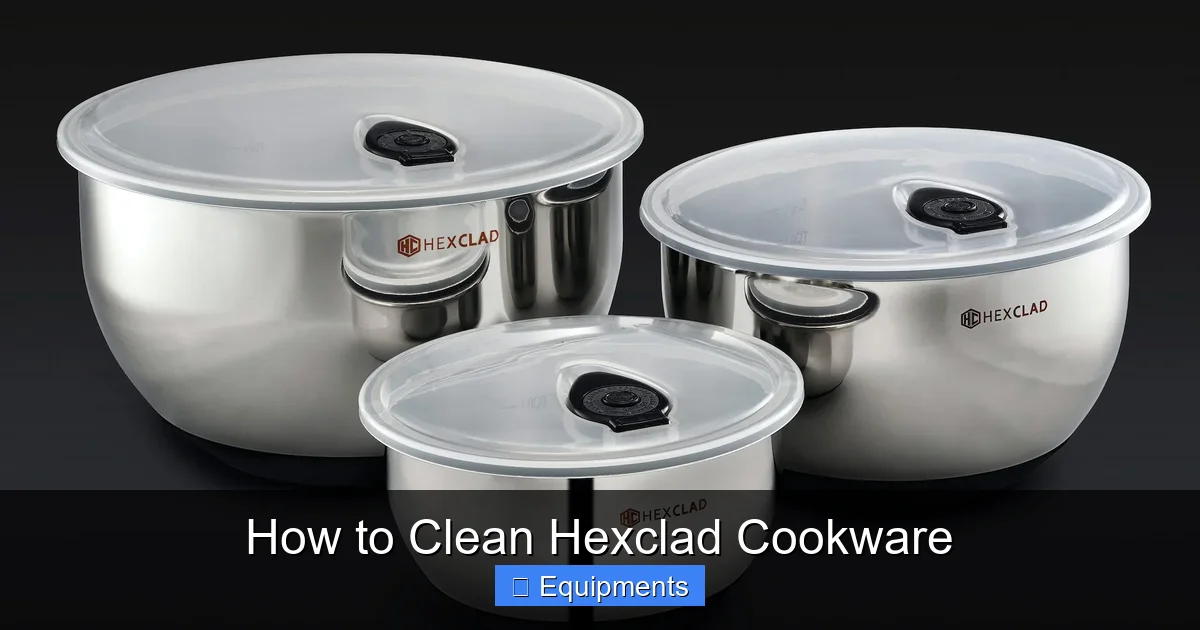
1. Cool the pan. Let the cookware sit for a few minutes after cooking. Sudden temperature changes can warp the aluminum core.
Visual guide about How to Clean Hexclad Cookware
Image source: hexclad.com
2. Fill with warm, soapy water. Add a few drops of mild dish soap. Warm water loosens food particles without damaging the surface.
3. Gently scrub. Use a soft sponge. Move in circular motions. Avoid steel wool or scouring pads—they can scratch the hex‑pattern.
4. Rinse thoroughly. Hot water removes any soap residue. Check the edges; residue can cause spotting.
5. Dry immediately. Pat the pan dry with a microfiber towel. Leaving water to air‑dry can lead to water spots and, over time, tiny rust spots on the stainless steel rim.
Why This Works
The Hexclad surface is engineered to be durable, but it still benefits from gentle care. Mild soap and a soft sponge keep the steel‑hex pattern intact while removing grease. Rinsing and drying prevent mineral buildup that can make the pan look dull.
2. Handling Stubborn Food and Burnt‑On Residue
When a Quick Wash Isn’t Enough
Sometimes food caramelizes or sticks, especially when you’re searing meat. That’s when you need a bit more effort—but still no harsh abrasives.
Visual guide about How to Clean Hexclad Cookware
Image source: hexclad.com
Boiling Water Method
1. Fill the pan with enough water to cover the stuck area.
2. Bring to a gentle boil for 5–10 minutes.
3. Turn off the heat and let the water cool slightly.
4. Use a soft sponge to lift the residue.
This technique softens burnt bits without scratching the surface.
Baking Soda Paste
Mix 1 tablespoon of baking soda with a few drops of water to form a paste. Apply to the stained area, let sit for 10 minutes, then gently scrub with a non‑scratch pad. Baking soda is mildly abrasive—just enough to lift stains but not enough to damage the hex pattern.
Avoid These Mistakes
- Never use bleach or oven cleaners. They can corrode the stainless steel.
- Avoid metal spatulas while cleaning. They can chip the non‑stick coating.
- Skip the dishwasher. The high heat and harsh detergents degrade the bonding layer over time.
3. Deep Cleaning: Restoring the Shine
When to Do a Deep Clean
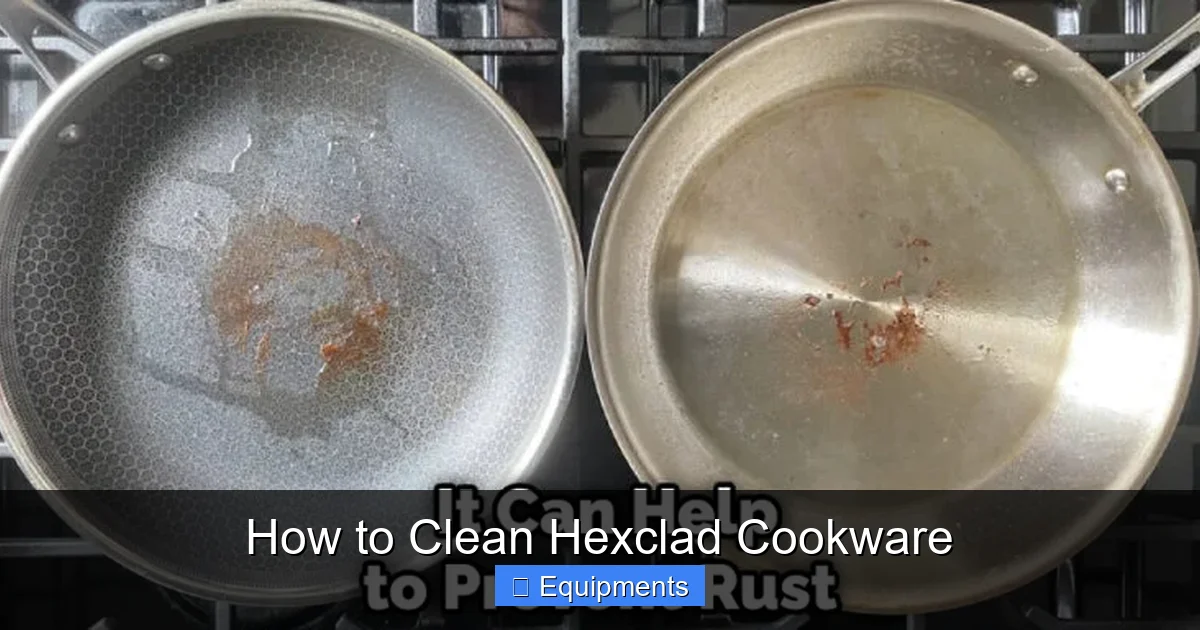
If you notice a dull film, rainbow‑like streaks, or a loss of non‑stick performance, it’s time for a deep clean. This isn’t a weekly task—once every 1–2 months works for most home cooks.
Visual guide about How to Clean Hexclad Cookware
Image source: thekitchenix.com
Vinegar Rinse
White distilled vinegar helps dissolve mineral deposits. Fill the pan with equal parts water and vinegar, bring to a boil, then let cool. Rinse well and dry.
Stainless Steel Cleaner (Optional)
For the outer stainless steel ring, a few drops of a stainless steel cleaner on a soft cloth can bring back the mirror finish. Apply gently; do not let the cleaner touch the interior non‑stick surface.
Re‑Seasoning After Deep Clean
After any deep cleaning, re‑season the pan to restore its non‑stick qualities:
- Heat the pan on low for 2 minutes.
- Add 1 teaspoon of high‑smoke‑point oil (like avocado or grapeseed).
- Swirl to coat the interior, then wipe excess with a paper towel.
- Let cool, then store.
This thin oil layer fills microscopic pores and reinforces the release properties.
4. Caring for Different Hexclad Pieces
Fry Pans vs. Sauce Pans vs. Grill Pans
All Hexclad pieces share the same core technology, but size and shape affect cleaning:
- Fry pans: Easy to scrub; focus on the curved interior.
- Sauce pans: Take care with the lid—clean the silicone ring separately with warm soapy water.
- Grill pans: The ridges trap more food. Use a soft brush to get between the grooves.
Cleaning the Lids
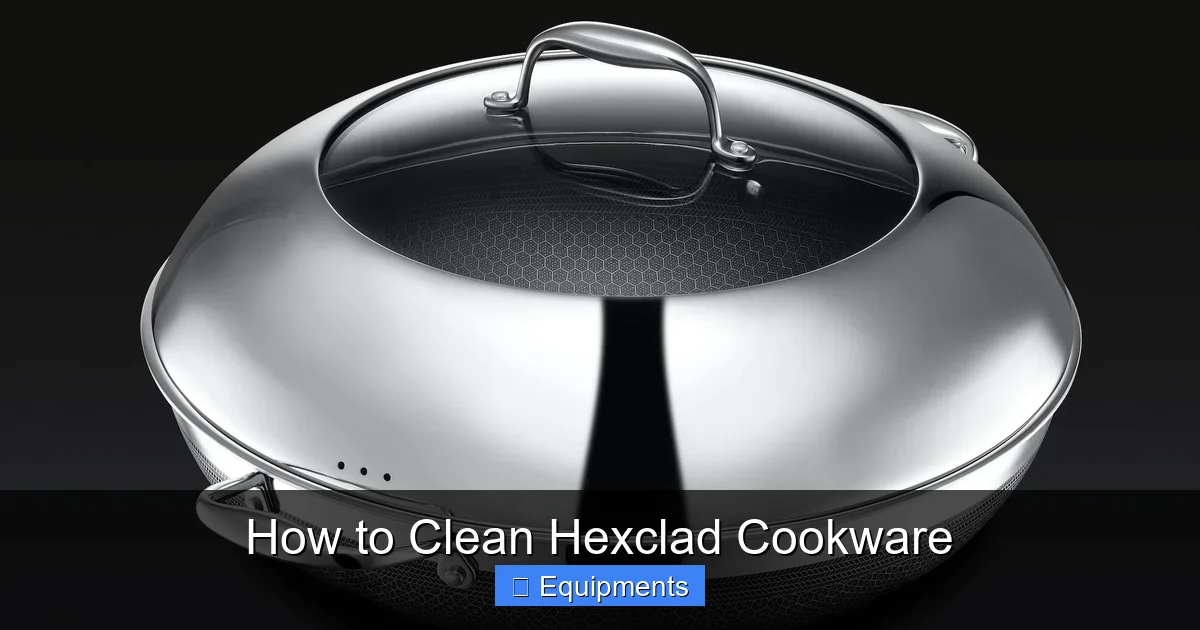
Most Hexclad lids are stainless steel with a glass view window. Wash them with the same soft sponge and mild soap. For the glass, a mixture of water and a splash of vinegar wipes away fingerprints without streaks.
Non‑Stick vs. Stainless Steel Zones
Hexclad’s hybrid surface has a non‑stick zone (the interior) and a stainless steel zone (the exterior). Keep the interior free of abrasive cleaners, but you can be a bit more vigorous on the exterior using a stainless steel cleaner if needed.
5. Storing Hexclad Cookware Properly
Why Storage Matters
Even the toughest cookware can get scratched if stacked improperly. Proper storage keeps the hex pattern pristine and prevents accidental dents.
Best Practices
- Place a soft cloth or paper towel between stacked pans.
- Use pan protectors or silicone sleeves on the edges.
- Hang heavier pans from a pot rack to avoid pressure on the base.
- Keep lids separate or place them upside down on a clean surface.
Travel Tips
If you’re moving Hexclad cookware, wrap each piece in bubble wrap or a thick towel. Place them in a sturdy box with padding. Avoid placing heavy items on top of the pans.
6. Frequently Overlooked Tips & Tricks
Cold‑Water Shock Is a No‑No
Never pour cold water into a hot pan. The rapid temperature change can warp the aluminum core and cause the hex pattern to lift.
Use the Right Utensils
Silicone, wood, or heat‑resistant plastic tools are safest. They won’t scratch the non‑stick zone and are gentle on the stainless steel edges.
Season Before First Use
Even though Hexclad comes pre‑seasoned, a quick oil rub before the first cooking session enhances performance. Heat the pan, add a teaspoon of oil, spread, and wipe excess.
Mind the Heat
High heat is great for searing, but prolonged exposure can degrade the non‑stick coating over months. Medium‑high is usually enough for most tasks.
Keep It Dry, Keep It Bright
After washing, always dry the pan completely. A quick buff with a dry microfiber cloth removes streaks and restores shine.
Conclusion: Your Hexclad Will Thank You
Cleaning Hexclad cookware doesn’t have to be a chore. By following a gentle daily routine, tackling stubborn spots with safe methods, and storing the pans thoughtfully, you’ll keep that hybrid surface looking brand new for years. Remember, a little care now saves you from costly replacements later.
Now you’re ready to enjoy perfectly cooked meals and a sparkling kitchen. Happy cooking, and enjoy the ease of cleaning your Hexclad pans!
Frequently Asked Questions
Can I put Hexclad cookware in the dishwasher?
No. The high heat and harsh detergents in dishwashers can damage the bonding layer and reduce the non‑stick performance.
Is it safe to use metal utensils on Hexclad?
It’s best to avoid metal utensils. They can scratch the non‑stick zone and compromise the hex pattern.
How often should I deep clean my Hexclad pans?
Every 1–2 months, or whenever you notice a dull film or loss of non‑stick ease, is a good schedule for deep cleaning.
Can I use bleach to disinfect my Hexclad cookware?
Bleach is too harsh and can corrode the stainless steel. Stick to mild soap and warm water for regular cleaning.
What oil is best for re‑seasoning Hexclad?
Use a high‑smoke‑point oil like avocado, grapeseed, or refined canola. These oils create a thin, durable layer without smoking.
Will cooking acidic foods damage Hexclad?
Occasional cooking of tomatoes or citrus is fine. Prolonged exposure to highly acidic foods can affect the non‑stick coating over time, so rinse promptly after such meals.