Cleaning grill mats doesn’t have to be a chore. With the right tools, simple steps, and a few insider tricks, you can keep your mats looking new and performing perfectly after every cookout. Read on for easy methods, product picks, and maintenance tips that will extend the life of your grill mats.
Key Takeaways
- Understanding How To Clean Grill Mats: Provides essential knowledge
📑 Table of Contents
- Introduction: Why a Clean Grill Mat Matters
- 1. Understanding Different Types of Grill Mats
- 2. Everyday Quick‑Clean Routine
- 3. Deep‑Cleaning Methods for Stubborn Build‑Up
- 4. Natural vs. Commercial Cleaners
- 5. Preventative Care: Extending the Life of Your Grill Mats
- 6. Troubleshooting Common Problems
- Conclusion: Keep Your Grill Mats Ready for Every Sizzle
Introduction: Why a Clean Grill Mat Matters
Grill mats are the unsung heroes of backyard cooking. They give you a non‑stick surface, protect delicate foods, and make clean‑up easier. But when you skip the cleaning step, those same mats can become a breeding ground for burnt residue, stale odors, and even food‑borne germs. A dirty mat not only affects flavor—it can shorten the life of the mat itself.
Think of your grill mat like a kitchen pan. You wouldn’t leave a pan to sit in a pile of grease for weeks, right? The same principle applies here. The good news? Cleaning grill mats is surprisingly simple. In this guide, you’ll discover a handful of proven techniques that fit any schedule, budget, and mat type. By the end, you’ll have a clear routine that keeps your mats pristine and ready for the next barbecue.
1. Understanding Different Types of Grill Mats
1.1. Material Matters
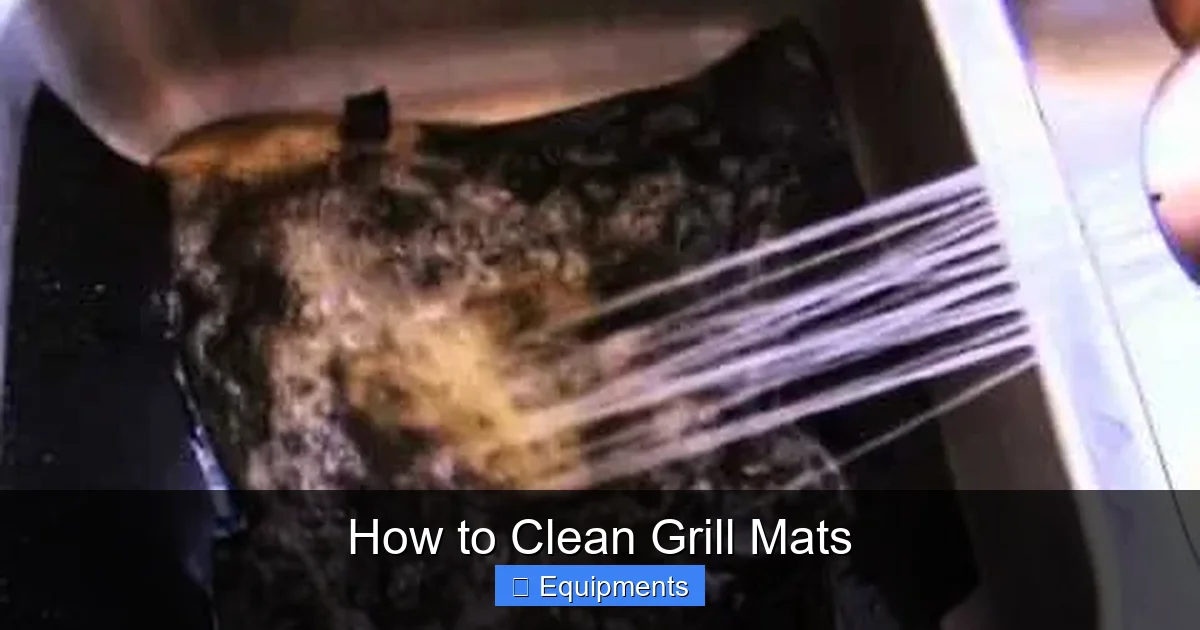
Most grill mats are made from one of three materials:
Visual guide about How to Clean Grill Mats
Image source: cleanestor.com
- PTFE (Teflon‑type) coating: Ultra‑non‑stick, great for delicate foods. Requires gentle cleaning.
- Silicone: Flexible, heat‑resistant up to 500°F (260°C). Tolerates harsher scrubbing.
- Fiberglass reinforced: Heavy‑duty, often used for high‑heat searing. Needs thorough rinsing.
Knowing your mat’s composition helps you avoid methods that could damage it. For example, abrasive pads are a no‑no for PTFE, while silicone can handle a bit more elbow grease.
1.2. Size and Thickness
Large, thick mats trap more grease, so they may need a longer soak. Thin, smaller mats dry faster and can be cleaned in a single step. Keep these factors in mind when you choose a cleaning routine.
2. Everyday Quick‑Clean Routine
2.1. The “After‑Each‑Cook” Wipe‑Down
Spend just two minutes after each grilling session:

Visual guide about How to Clean Grill Mats
Image source: thekitchenix.com
- Turn off the grill and let the mat cool for 5‑10 minutes.
- Use a paper towel or a soft cloth to scrape off excess food and grease.
- Spritz the mat with a mixture of equal parts water and white vinegar.
- Wipe again with a clean, damp cloth.
- Let the mat air‑dry or place it on a low‑heat grill (200°F) for 5 minutes.
This quick routine prevents residue from hardening and makes deeper cleaning easier later on.
2.2. Tools You’ll Need
- Soft sponge or non‑abrasive scrub pad
- Plastic spatula or silicone scraper
- Spray bottle (for vinegar solution)
- Dry towel or cooling rack
3. Deep‑Cleaning Methods for Stubborn Build‑Up
3.1. Soak‑and‑Scrub Technique
This is the go‑to method for most grill mats. It works for PTFE, silicone, and fiberglass mats alike.
Visual guide about How to Clean Grill Mats
Image source: imrorwxhlnqllp5p.ldycdn.com
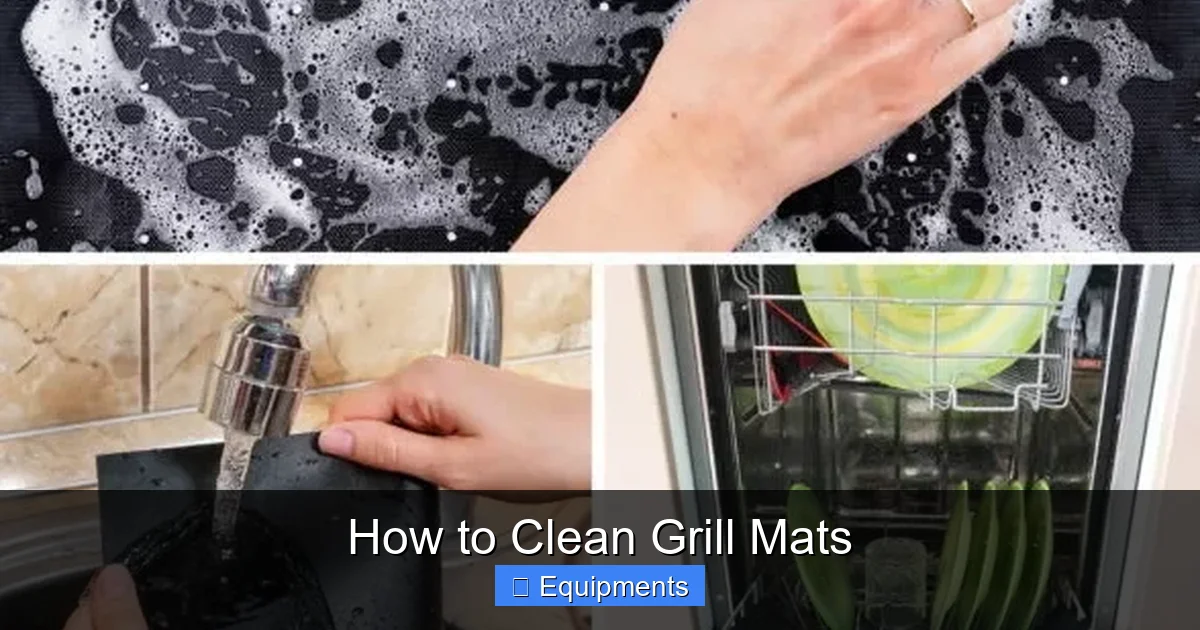
- Fill a basin: Use warm water (not boiling) and add 2‑3 tablespoons of mild dish soap.
- Submerge the mat: Let it soak for 15‑30 minutes. For heavy grease, extend to 45 minutes.
- Scrub gently: Use a soft sponge in circular motions. Focus on the greasiest spots.
- Rinse thoroughly: Run the mat under warm running water until no soap bubbles remain.
- Dry completely: Lay flat on a clean towel or hang over a rack. Ensure no moisture is trapped.
Tip: Add a tablespoon of baking soda to the soak water for extra degreasing power.
3.2. Baking Soda Paste for Tough Spots
If you notice baked‑on bits, make a paste of baking soda and water (3:1 ratio). Apply to the stubborn area, let sit for 10 minutes, then scrub with a soft brush. Rinse well.
3.3. Steam Cleaning (For Silicone Mats)
Silicone mats love steam. Place the mat on a rack over a pot of boiling water, cover, and let the steam work for 10‑12 minutes. The heat loosens grease, and you can wipe it away with a cloth.
3.4. Using a Dishwasher (When Safe)
Check the manufacturer’s label. Some silicone mats are dishwasher‑safe. Place the mat on the top rack, use a gentle cycle, and avoid high‑heat drying. This method is a time‑saver for busy households.
4. Natural vs. Commercial Cleaners
4.1. Benefits of Natural Cleaners
Natural ingredients are cheap, non‑toxic, and safe for all mat types. They also leave no lingering chemical smell that could affect food flavor.
- Vinegar: Cuts grease, neutralizes odors.
- Baking soda: Mild abrasive, deodorizes.
- Lemon juice: Fresh scent, natural acid.
4.2. When to Reach for Commercial Products
If your mat has industrial‑grade grease (e.g., after grilling fatty ribs), a dedicated grill‑mat cleaner can speed up the job. Look for products labeled “non‑abrasive, PTFE‑safe.” Use them sparingly and always rinse well.
5. Preventative Care: Extending the Life of Your Grill Mats
5.1. Pre‑Heat the Mat
Before you start cooking, place the clean mat on a medium‑heat grill for 3‑5 minutes. This dries any lingering moisture and creates a thin barrier that discourages food from sticking.
5.2. Use Light Oil Sprays
A quick mist of high‑smoke‑point oil (like avocado or grapeseed) before cooking adds extra non‑stick protection and reduces the amount of residue that needs cleaning.
5.3. Rotate and Flip
If you use the same spot repeatedly, grease can accumulate. Rotate the mat 180° every few uses and flip it (if double‑sided) to distribute wear evenly.
5.4. Store Properly
After the mat is completely dry:
- Roll it loosely (avoid tight rolls that cause creases).
- Place in a breathable bag or a clean drawer.
- Avoid storing near direct sunlight or heat sources.
5.5. Know When to Replace
Even with diligent care, mats wear out. Replace a mat when you notice:
- Cracks, tears, or permanent discoloration.
- Persistent burnt odor after multiple washes.
- Loss of non‑stick performance despite cleaning.
Most high‑quality mats last 1‑3 years with proper maintenance.
6. Troubleshooting Common Problems
6.1. Persistent Grease Stains
Soak the mat longer (up to 2 hours) in hot, soapy water, then use a soft‑bristle brush. For PTFE mats, a few drops of dish soap directly on the stain before scrubbing can help.
6.2. Odor Issues
After cleaning, sprinkle baking soda over the dry mat, let sit for 30 minutes, then shake off. This absorbs lingering smells.
6.3. Stiff or Warped Mats
Heat can cause silicone mats to warp. Gently heat the mat on low heat (around 150°F) while flexing it back into shape. Do not use high heat, as it can melt the material.
Conclusion: Keep Your Grill Mats Ready for Every Sizzle
Cleaning grill mats is a small step that pays big dividends—better flavor, longer mat life, and a healthier cooking environment. By adopting a quick‑wipe routine after each use and a deeper clean once a week, you’ll never have to wrestle with stubborn grease again. Remember to use gentle, natural cleaners whenever possible, store the mat dry, and replace it when signs of wear appear. Follow these simple habits, and your grill mats will stay as fresh as the first day you bought them, ready to turn every backyard gathering into a culinary success.
Frequently Asked Questions
How often should I deep‑clean my grill mat?
Deep‑clean once a week if you grill regularly, or after every 5‑6 uses for heavy‑grease cooking. A quick wipe after each use keeps buildup minimal.
Can I use a metal scrubber on a PTFE‑coated mat?
No. Metal scrubbers are abrasive and will damage the non‑stick coating. Stick to soft sponges or non‑abrasive pads.
Is it safe to put a grill mat in the dishwasher?
Only if the manufacturer states it’s dishwasher‑safe. Most silicone mats are, but PTFE and fiberglass mats usually are not.
What natural ingredient works best for removing burnt residue?
Baking soda mixed with a little water into a paste is excellent. Apply, let sit, then scrub gently.
How do I prevent my grill mat from developing a bad smell?
Ensure the mat is completely dry before storing, and periodically sprinkle baking soda on the dry mat to absorb odors.
When should I replace my grill mat?
Replace it when you see cracks, tears, permanent discoloration, or a loss of non‑stick performance despite thorough cleaning.
Pingback: How to Clean a Grill - kitchenandhouseware.com