Keeping your espresso filter clean is the secret to consistently great coffee. This guide shows you simple, effective methods—using household items or specialized cleaners—to remove oils, grounds, and mineral buildup. Follow the steps and enjoy richer flavor and longer‑lasting equipment.
Key Takeaways
- Understanding How To Clean Espresso Filter: Provides essential knowledge
📑 Table of Contents
- Why a Clean Espresso Filter Matters
- Types of Espresso Filters and Their Cleaning Needs
- Daily Maintenance: The Quick Rinse
- Weekly Deep Clean: Two Proven Methods
- Special Cases: Removing Stubborn Stains and Rust
- Preventive Tips to Keep Your Filter Spotless
- When to Replace Your Espresso Filter
- Putting It All Together: A Sample Weekly Cleaning Schedule
- Conclusion
Why a Clean Espresso Filter Matters
Imagine brewing a perfect shot of espresso only to taste a faint, bitter after‑taste. Most home baristas blame the beans, the grind, or the water temperature, but the real culprit is often the filter. Over time, coffee oils, fine grounds, and mineral deposits build up inside the filter basket. This buildup does three things:
- Blocks water flow, causing uneven extraction.
- Imparts stale flavors, making each shot taste older than the beans.
- Shortens equipment life, as corrosion and wear accelerate.
Keeping the filter clean restores proper pressure, improves flavor clarity, and saves you money in the long run.
Types of Espresso Filters and Their Cleaning Needs
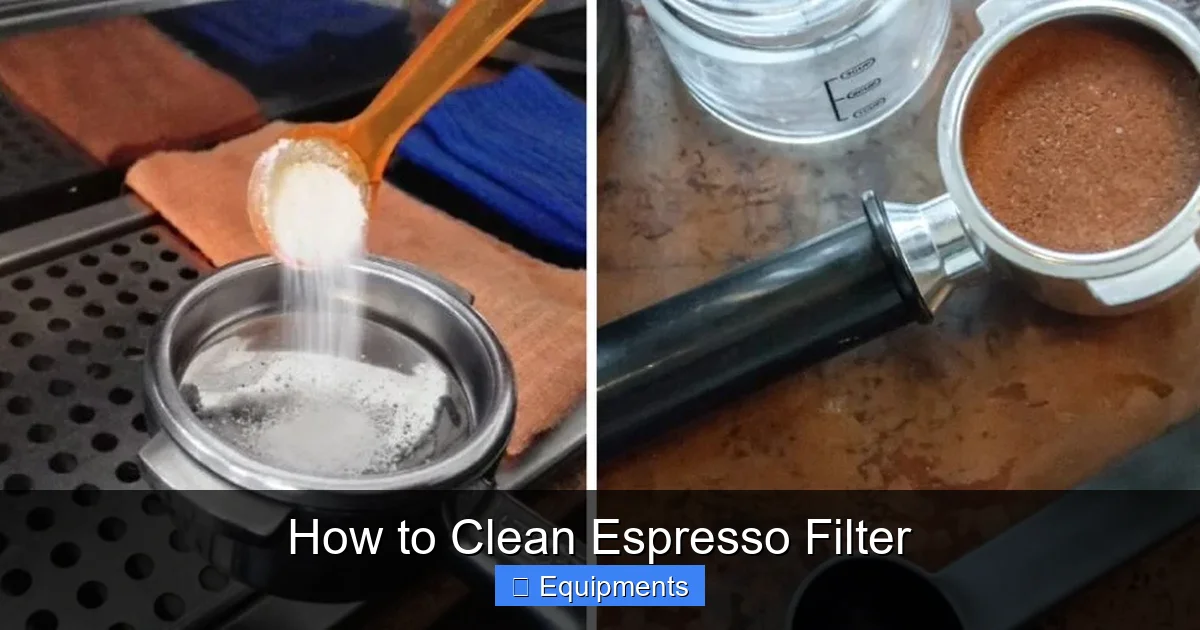
Not all filters are created equal. Knowing which kind you own helps you pick the safest cleaning routine.
Visual guide about How to Clean Espresso Filter
Image source: thekitchenix.com
1. Metal (Stainless Steel or Brass) Filters
These are durable and reusable. They collect a lot of oil, so they need regular deep cleaning.
2. Pressurized (Single‑Use) Filters
Found in many pod machines, they are designed for one‑time use. You generally discard them, but the housing that holds them should still be cleaned.
3. Paper Filters (for certain espresso makers)
Paper filters are disposable, but the basket that holds them can accumulate residue.
Daily Maintenance: The Quick Rinse
After every shot, spend 30 seconds on a quick rinse. This simple habit prevents most buildup.
Visual guide about How to Clean Espresso Filter
Image source: thekitchenix.com
Step‑by‑Step Quick Rinse
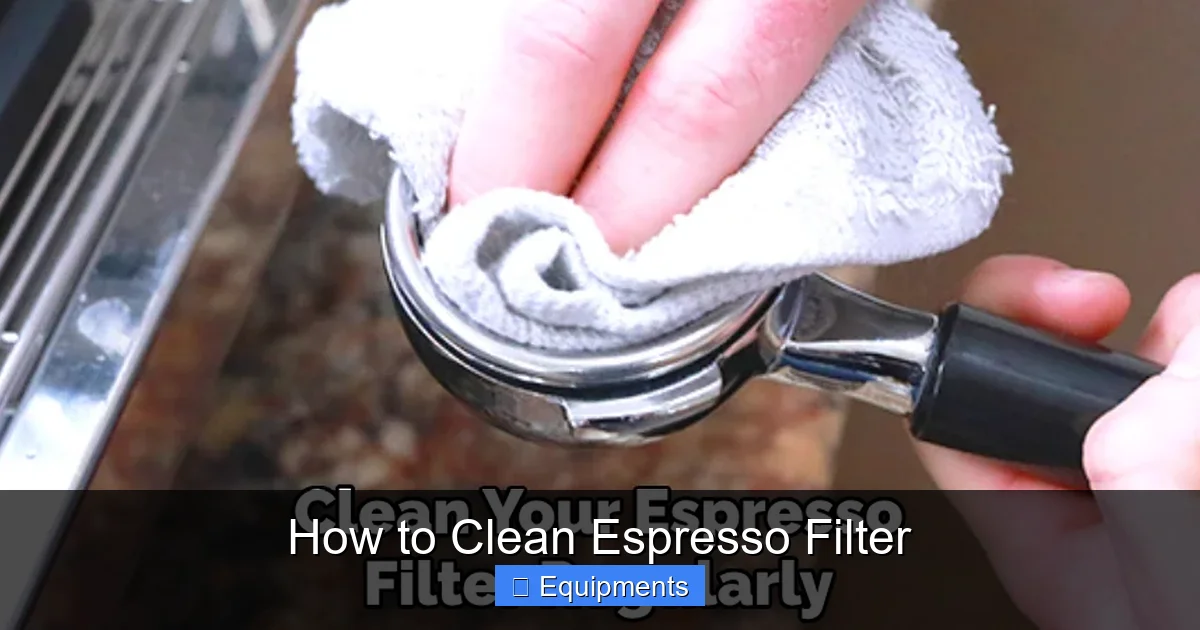
- Remove the portafilter and discard the spent puck.
- Run hot water through the filter for 15–20 seconds.
- Give the basket a gentle tap to dislodge any stuck grounds.
- Wipe the outside with a damp cloth.
- Leave the portafilter upside down to air‑dry.
Even if you’re in a hurry, this routine adds less than a minute and makes the weekly deep clean much easier.
Weekly Deep Clean: Two Proven Methods
Once a week, give your filter a thorough cleaning. Below are two popular approaches—one using kitchen staples, the other with a commercial espresso cleaner.
Visual guide about How to Clean Espresso Filter
Image source: thekitchenix.com
Method A: Baking Soda & Vinegar Soak
This natural combo breaks down oils and dissolves mineral deposits without harsh chemicals.
Materials Needed
- 1 tablespoon baking soda
- 1 cup white vinegar
- Warm water (enough to cover the filter)
- A small bowl or container
Procedure
- Mix the baking soda and warm water in the bowl.
- Place the metal filter in the solution, ensuring it’s fully submerged.
- Let it soak for 10 minutes. You’ll notice gentle fizzing—that’s the acid reacting with the base.
- After soaking, pour in the vinegar. The fizz will intensify, helping lift stubborn residue.
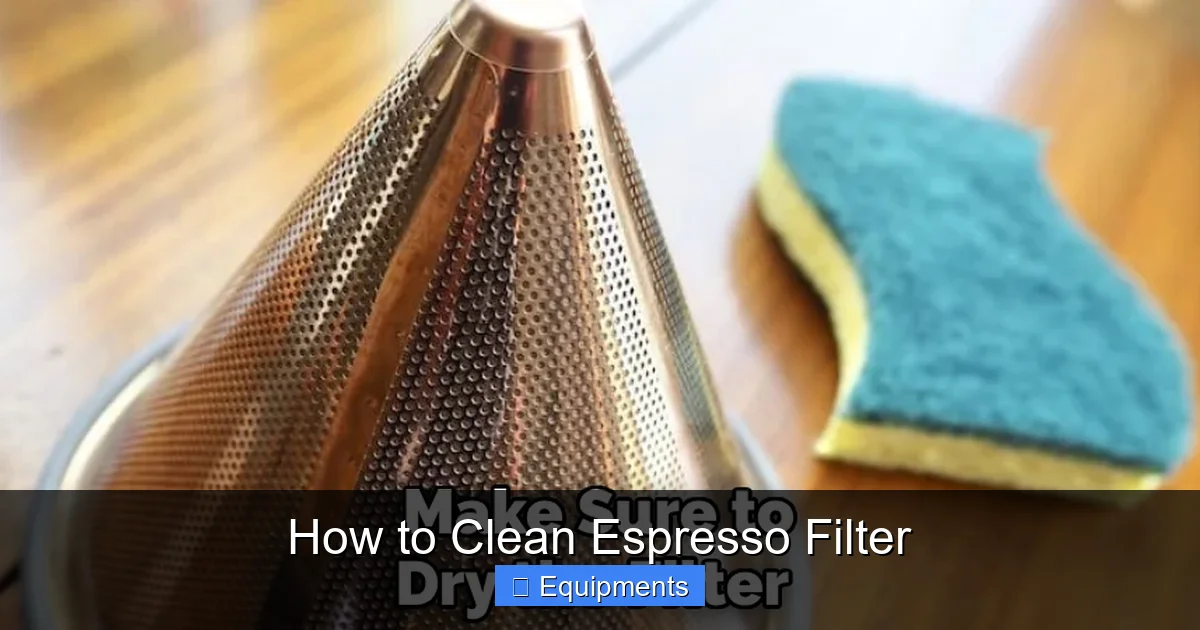
- Leave for another 5 minutes, then scrub lightly with a soft brush (a toothbrush works well).
- Rinse thoroughly under hot running water until no suds remain.
- Dry completely on a clean towel or let air‑dry upside down.
Method B: Commercial Espresso Cleaner
If you prefer a product designed specifically for coffee equipment, a commercial espresso cleaner does the job quickly.
Materials Needed
- Espresso cleaning tablets or powder (e.g., Cafiza, Puly Caff)
- Hot water (about 200 °F / 93 °C)
- A container that fits the filter
Procedure
- Follow the manufacturer’s dosage instructions (usually one tablet per liter of water).
- Stir until the tablet dissolves completely.
- Submerge the filter for the recommended time—typically 10–15 minutes.
- After soaking, use a soft brush to scrub any remaining spots.
- Rinse under hot water until the water runs clear.
- Dry the filter thoroughly before re‑assembling.
Both methods are effective; choose the one that fits your schedule and ingredient preferences.
Special Cases: Removing Stubborn Stains and Rust
Sometimes, especially with older machines, you’ll notice discoloration or rust spots. Here’s how to tackle them safely.
Dealing with Dark Stains
Dark, greasy stains are usually oil buildup. A paste of baking soda and a few drops of dish soap can work wonders.
- Make a thick paste.
- Apply to the stained area with a soft brush.
- Let sit for 5 minutes.
- Scrub gently, then rinse well.
Removing Light Rust
Light surface rust on stainless steel filters can be removed with a citric acid solution.
- Mix 1 tablespoon citric acid with 1 cup warm water.
- Soak the filter for 10–15 minutes.
- Scrub with a non‑abrasive pad.
- Rinse thoroughly and dry immediately.
Never use steel wool or harsh abrasives—they will scratch the surface and create new places for grime to hide.
Preventive Tips to Keep Your Filter Spotless
Cleaning is easier when you prevent buildup in the first place. Incorporate these habits into your daily coffee routine.
Use Freshly Ground Coffee
Old, oily beans leave more residue. Grind only what you need for each session.
Mind Your Water Quality
Hard water accelerates mineral deposits. A simple water filter or bottled water can reduce scaling.
Don’t Over‑Tamp
Excessive tamp pressure forces more coffee fines into the filter, increasing the cleaning load.
Store the Portafilter Properly
Keep the portafilter in a dry, ventilated spot. Avoid closed cabinets where moisture can cause mold.
When to Replace Your Espresso Filter
Even the best cleaning routine can’t fix a filter that’s worn out. Look for these signs:
- Visible cracks or warping: Water will leak, and pressure drops.
- Persistent off‑flavors: If cleaning no longer improves taste, the filter may be saturated with oil.
- Corrosion: Rust spots that won’t come off indicate structural damage.
- Unusual noise: Rattling or grinding sounds often mean the filter isn’t seating correctly.
Most metal filters last 2–3 years with proper care. Replace them promptly to maintain brew quality.
Putting It All Together: A Sample Weekly Cleaning Schedule
Here’s a simple calendar you can print and hang near your espresso station.
| Day | Task |
|---|---|
| Monday‑Friday | Quick rinse after each shot |
| Saturday | Deep clean (Method A or B) |
| Sunday | Inspect filter for wear; dry portafilter overnight |
Stick to this routine, and you’ll notice a clearer flavor profile and fewer maintenance headaches.
Conclusion
Cleaning your espresso filter doesn’t have to be a chore. With a quick daily rinse, a weekly deep clean, and a few preventive habits, you’ll keep your coffee tasting vibrant and your equipment lasting longer. Remember, the filter is the gateway between water and coffee—treat it well, and it will reward you with consistently excellent espresso.
Frequently Asked Questions
How often should I clean my espresso filter?
Rinse it after every use and perform a deep clean at least once a week. If you brew multiple shots daily, a mid‑week extra clean can help.
Can I use dishwasher detergent to clean the filter?
It’s not recommended. Dishwasher detergents are harsh and can leave residues that affect flavor. Stick to baking soda, citric acid, or espresso‑specific cleaners.
Is it safe to soak a metal filter in coffee?
No. Soaking in coffee can actually reinforce oil buildup. Use plain water with a cleaning agent instead.
Will a paper filter need any cleaning?
Paper filters are disposable, but the basket that holds them should be rinsed daily and deep‑cleaned weekly.
My filter has a slight rust spot—can I still use it?
If the rust is superficial, a citric acid soak can remove it. However, if the metal is pitted or flaking, replace the filter to avoid contamination.
Does the type of water I use affect filter cleaning?
Yes. Hard water leaves mineral deposits faster. Using filtered or bottled water reduces scaling and extends the time between deep cleans.