Cleaning your air fryer basket with baking soda is a highly effective, non-toxic, and inexpensive method that tackles grease, burnt-on food, and odors without damaging the non-stick coating. This simple process involves creating a baking soda paste, applying it, and letting it sit before a gentle scrub, making maintenance easy and safe for regular use. Baking soda’s mild abrasive and deodorizing properties make it the perfect household hero for this tricky kitchen task, ensuring your air fryer performs optimally and lasts longer.
Key Takeaways
- Baking soda is a safe, natural cleaner: It effectively cuts through grease and removes odors without harsh chemicals that could damage the basket’s non-stick coating.
- A paste is more effective than a liquid soak: Mixing baking soda with water to form a thick paste allows it to cling to vertical surfaces and sit on grime, breaking it down over time.
- Patience is key for tough buildup: Letting the paste sit for at least 30 minutes, or even overnight for severe cases, dramatically reduces scrubbing effort and prevents scratches.
- Always use soft tools: Pair the baking soda paste with a soft-bristled brush, non-abrasive sponge, or even your fingers to protect the delicate non-stick surface.
- Regular light cleaning prevents deep cleans: Quickly rinsing the basket after each use and doing a monthly baking soda treatment keeps it in pristine condition and avoids difficult, time-consuming restoration.
- It’s incredibly cost-effective: A box of baking soda costs pennies and can be used for dozens of cleanings, outperforming many specialized, expensive appliance cleaners.
- Safety first: Always ensure the basket is cool: Never attempt to clean a hot air fryer basket. Wait until it reaches room temperature to avoid burns and to prevent the paste from drying too quickly.
[FEATURED_IMAGE_PLACEHOLDER]
📑 Table of Contents
- Your Air Fryer Basket Deserves a Deep, Gentle Clean
- The Science of Simplicity: Why Baking Soda is Perfect for the Job
- Gather Your Arsenal: Preparation is Half the Battle
- The Step-by-Step Baking Soda Transformation
- Tackling the Titans: Strategies for Extremely Stubborn Buildup
- Prevention is Better Than Cure: A Maintenance Mindset
- Conclusion: A Sparkling Basket is a Happy (and Healthy) Kitchen
Your Air Fryer Basket Deserves a Deep, Gentle Clean
Let’s be honest: that magical basket that gives us crispy fries and juicy chicken wings with little to no oil eventually becomes a battleground of splatters, stuck-on bits, and lingering smells. The non-stick coating, while a miracle for cooking, can seem impossible to restore once it’s coated in a layer of baked-on grease. You might be tempted to break out the steel wool or a harsh chemical spray, but that’s a fast track to ruining your favorite kitchen gadget. What if I told you the solution is already in your pantry, costs less than a dollar, and is safe for you, your family, and your air fryer? Welcome to the definitive guide on how to clean an air fryer basket with baking soda. This isn’t just a quick tip; it’s a comprehensive, foolproof method for bringing even the grimiest basket back to its former glory.
We’re going to walk through every single step, from why baking soda works its magic to the exact paste consistency you need, and even how to handle the most stubborn, carbonized messes. Forget the frustration and the fear of scratching that precious surface. With a little patience and this sodium bicarbonate powerhouse, your air fryer will be sparkling, fresh-smelling, and ready for its next culinary adventure. Think of this as a spa day for your appliance—gentle, restorative, and incredibly effective.
The Science of Simplicity: Why Baking Soda is Perfect for the Job
A Gentle Abrasive That Won’t Scratch
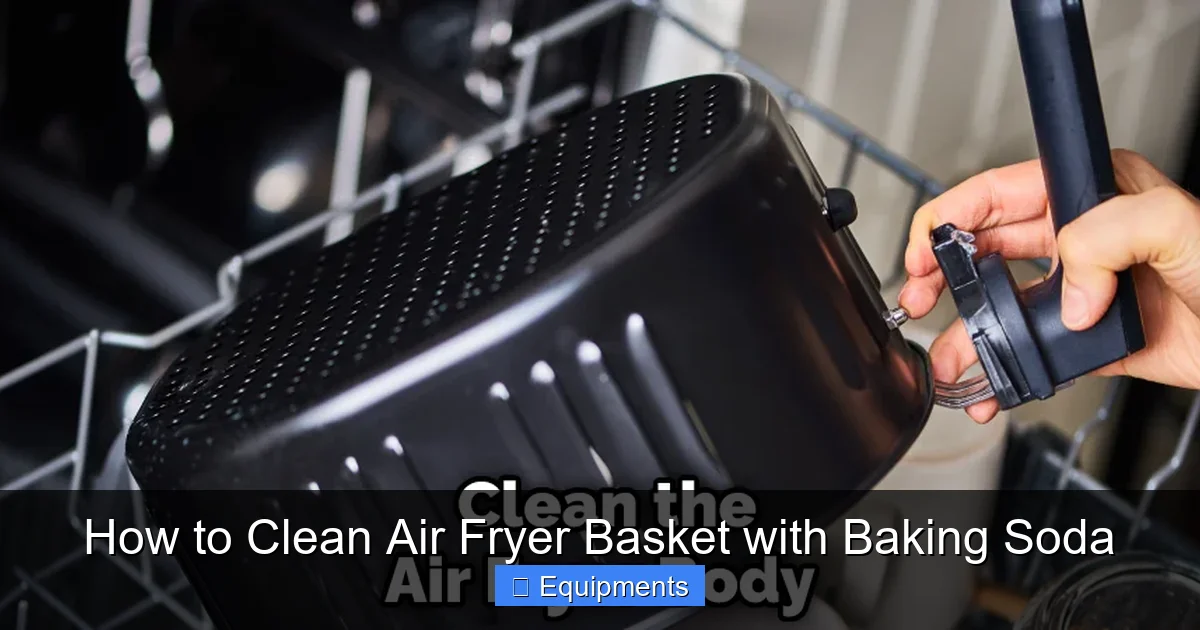
Baking soda, or sodium bicarbonate, is a crystalline powder. When mixed with a liquid, it forms a mildly abrasive paste. This paste is gritty enough to lift away stuck-on food particles and grease, but it’s not so hard that it will scratch the smooth, polymer-based non-stick coating on your air fryer basket. It’s the Goldilocks of abrasives: just right. Unlike commercial cleaners that can contain unknown chemicals or coarse particles, you know exactly what you’re getting with baking soda—a simple, food-safe mineral. This makes it ideal for a surface you directly cook your food on.
Visual guide about How to Clean Air Fryer Basket with Baking Soda
Image source: thekitchenix.com
Powerful Deodorizing and Degreasing Properties
Baking soda is a natural odor neutralizer, not just a mask. It works by absorbing acidic and basic odor molecules from the air and surfaces. That lingering smell of fish or burnt popcorn? Baking soda will eliminate it at the source. Furthermore, its alkaline nature (a pH of around 8.4) allows it to react with and break down acidic grease and fatty acids. When you apply a paste, it gets to work chemically dissolving that gunk, making it infinitely easier to wipe away. It’s a two-in-one cleaner: degreaser and deodorizer.
Non-Toxic and Eco-Friendly Peace of Mind
There are no fumes, no volatile organic compounds (VOCs), and no risk of toxic residues. You don’t need gloves (though they can keep your hands dry) or ventilation. If a little paste residue remains, it’s harmless. You can rinse it away with confidence, knowing you haven’t introduced any harmful chemicals into your kitchen environment. This is especially important for households with children, pets, or anyone with chemical sensitivities.
Gather Your Arsenal: Preparation is Half the Battle
Essential Tools & Ingredients
You don’t need a special kit. Just raid your kitchen:
Visual guide about How to Clean Air Fryer Basket with Baking Soda
Image source: thekitchenix.com
- Baking Soda: The star of the show. A standard 16-ounce box is more than enough for many cleanings.
- Warm Water: Helps dissolve grease and mix the paste smoothly.
- Mixing Bowl: A small bowl or even the lid of the air fryer itself.
- Soft-Bristled Brush: An old toothbrush (dedicated to cleaning!), a soft vegetable brush, or a non-scratch silicone brush is perfect.
- Non-Abrasive Sponge or Cloth: A cellulose sponge (the yellow and brown kind) or a microfiber cloth. Avoid steel wool, scouring pads, or the green side of a dual-sided sponge.
- Rubber Gloves (Optional): For those who prefer to keep their hands clean and dry.
- Dish Soap: For the final wash after the baking soda treatment.
The All-Important First Step: Cool Down and Disassemble
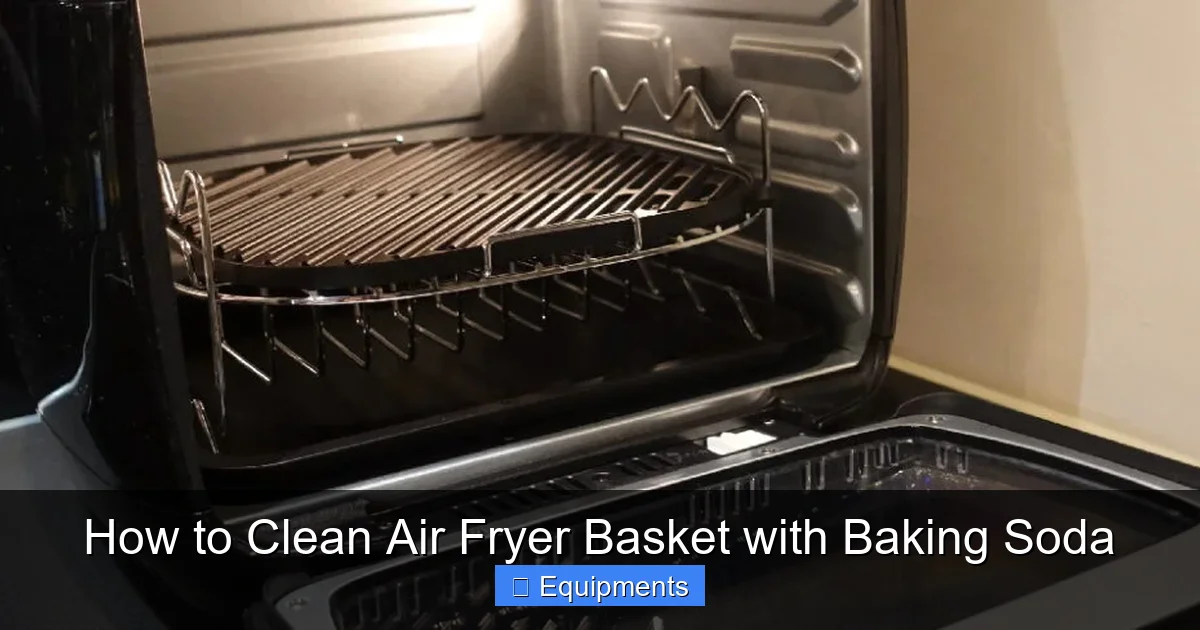
This is non-negotiable. Never try to clean a hot air fryer basket. The metal will be scalding, and attempting to handle it is a serious burn risk. Furthermore, a hot basket will cause the baking soda paste to dry out and harden almost instantly, turning it into a cement-like layer that’s even harder to remove. Turn off and unplug the air fryer. Let the basket and drawer cool completely to room temperature. This might take 30-60 minutes. Once cool, carefully remove the basket from the drawer. If your model has a separate grate or tray inside the basket, remove that too. Take this opportunity to brush out any large, loose crumbs or food debris into the trash.
The Step-by-Step Baking Soda Transformation
Crafting the Perfect Paste: Consistency is Everything
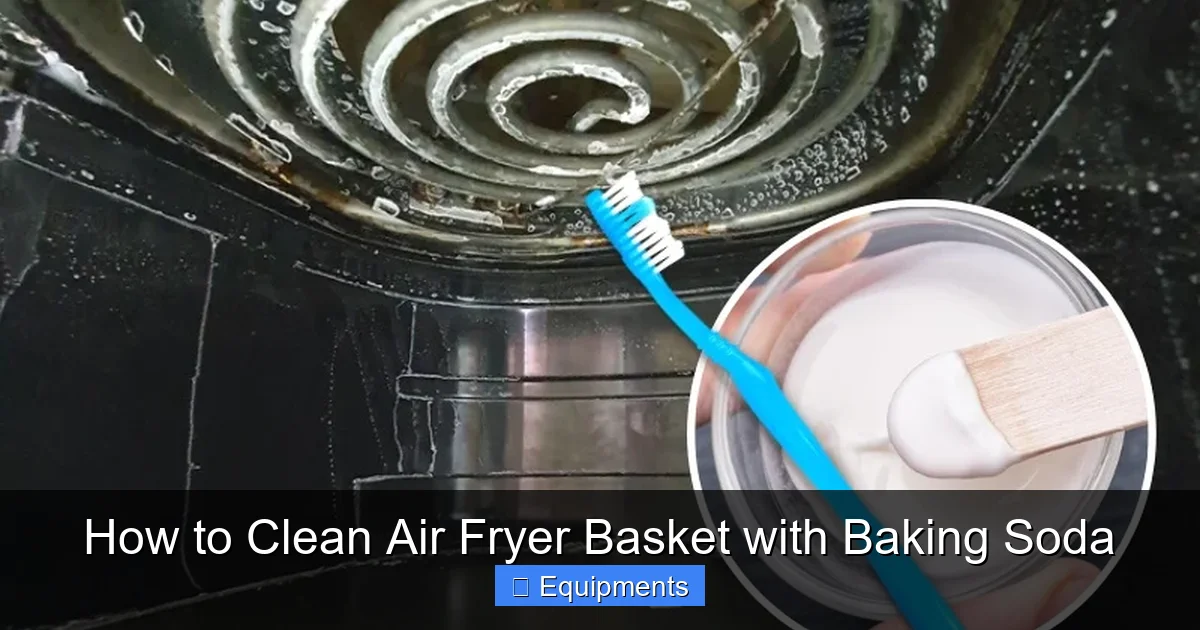
In your small bowl, start with about ½ cup of baking soda. Slowly drizzle in warm water while stirring. You’re aiming for a thick, spreadable paste—similar in consistency to peanut butter or toothpaste. If it’s too runny, it will drip off the vertical sides of the basket. If it’s too dry, it won’t adhere well and will be hard to spread. The perfect paste will stay put where you put it. For extra degreasing power, you can add a single drop of dish soap to the mix, but plain baking soda and water works wonders on its own.
Visual guide about How to Clean Air Fryer Basket with Baking Soda
Image source: inthewash.co.uk
Application: Cover and Coat
Using your fingers (with or without gloves) or a spoon, liberally apply the baking soda paste to every surface of the basket. Don’t be shy! Pay special attention to:
- The mesh or perforated bottom where grease pools.
- The corners and seams where food particles love to hide.
- The sides and any ridges. The paste should form a visible, even layer over all the dirty areas. Think of it as a mud mask for your air fryer. For the most grimy baskets, you can even press the paste into the crevices with your fingertips.
The Waiting Game: Let Chemistry Do the Work
This is the most crucial step for effectiveness and ease. Let the paste sit. For a moderately used basket, 30 minutes to 1 hour is sufficient. For a chronically neglected, greasy, or burnt-on basket, let it sit overnight. Yes, really. Cover the basket loosely with a clean towel or place it in the sink to prevent the paste from drying out completely. As it sits, the alkaline baking soda works to saponify (turn into soap) the fats and break down the carbonized polymers of stuck-on food. You’ll notice the paste may darken slightly—that’s the grease and grime being lifted away!
The Gentle Scrub: Revealing Cleanliness
After the soak, take your soft-bristled brush or non-abrasive sponge. Begin scrubbing in circular motions. You’ll feel the resistance of the grime quickly disappear. The paste itself will act as a lubricant and additional mild abrasive. For the mesh holes, you can use the tip of the brush to poke through and clean from both sides. If you encounter a particularly stubborn spot, apply a little more fresh paste directly to it and let it sit for another 5-10 minutes before scrubbing again. The goal is to let the chemistry do 90% of the work so your scrubbing effort is minimal, protecting the non-stick surface.
The Final Rinse: Thoroughness Prevents Residue
Once all the paste and loosened grime are scrubbed away, it’s rinse time. Use warm water and a drop of dish soap on your sponge or cloth to give the entire basket a final wash. This removes any remaining baking soda film and ensures no gritty residue is left. Rinse exceptionally well under running water. Check for any remaining paste in the corners—a final wipe with a damp microfiber cloth is perfect. Shake off excess water and allow the basket to air-dry completely on a dish rack before returning it to the air fryer base. Moisture trapped inside can lead to odors or mildew.
Tackling the Titans: Strategies for Extremely Stubborn Buildup
The Overnight Soak Method
For a basket that looks like it’s been through a fire, the standard paste application might not penetrate the hardest carbonized layers. Here’s the heavy-duty approach: Create a much thinner, more liquid mixture—almost like a slurry. Place the basket in your clean sink or a large basin. Pour the baking soda slurry over it, ensuring every surface is coated. Then, fill the sink with enough warm water to submerge the basket completely. Let it soak for at least 8 hours, or preferably overnight. The combination of prolonged water saturation and the alkaline solution will soften even the most baked-on mess. The next day, much of the gunk will wipe right off with a soft sponge, and the remaining bits will scrub away effortlessly with the paste method described above.
Targeted Paste for Burnt-on Patches
Is there a specific, small area of charred food? Make a super-thick paste (almost dough-like) and press it directly onto that spot. Use a damp cloth to wrap around the area and hold the paste in place if needed. Let it sit for several hours. The focused moisture and chemical action will pry that burnt patch off without you needing to scrape. Never use a metal scraper or knife on the non-stick surface. If the paste alone fails, the overnight full-submersion soak is your next best bet.
Dealing with the Heating Element and Housing (Important Safety Note!)
Your focus is the basket and drawer. Never pour water or apply baking soda paste directly onto the air fryer’s heating element (the coil or heater at the top) or into the electrical housing. If grease has splattered onto the element or the interior walls of the main unit, wait until the appliance is completely cool. Then, use a damp (not wet) microfiber cloth to gently wipe those areas. For stuck-on splatter there, you can dab a cloth in a baking soda paste and wipe gently, but immediately follow with a clean, damp cloth to remove all residue. When in doubt, consult your manufacturer’s manual for cleaning the main unit.
Prevention is Better Than Cure: A Maintenance Mindset
The 60-Second Post-Cook Rinse
The single best way to avoid needing a deep clean is to rinse the basket immediately after use. Once the basket is cool enough to handle (but still warm), take it to the sink. A quick spray with hot water and a gentle wipe with a soft sponge or cloth removes fresh grease before it has a chance to polymerize and harden. This 60-second habit saves you hours of scrubbing later. You don’t need soap for this quick rinse; the hot water is enough to loosen fresh oils.
Regular Light Cleaning Schedule
Incorporate a light baking soda clean into your monthly routine. Even if the basket looks okay, give it a quick paste-and-rinse treatment once a month. This prevents the invisible, thin layers of grease and food particles from building up into a stubborn, visible layer. It keeps the basket performing at its best—ensuring hot air circulates freely through the perforations for truly crispy results.
Smart Cooking Habits to Minimize Mess
How you cook impacts how you clean. Use parchment liners or silicone air fryer baskets for particularly messy foods like wings coated in sticky sauces or cheesy items. Avoid cooking foods that are likely to spill or ooze directly on the basket’s surface. Don’t overfill the basket; overcrowding leads to more grease splatter and uneven cooking, which means more mess. And finally, always check your air fryer’s manual for the recommended maximum temperature for your specific model’s non-stick coating—excessive heat can degrade it faster, making it more porous and harder to clean.
Conclusion: A Sparkling Basket is a Happy (and Healthy) Kitchen
Mastering how to clean an air fryer basket with baking soda transforms a dreaded chore into a simple, satisfying ritual. You’ve now armed yourself with the knowledge to safely and effectively restore your appliance, preserving its non-stick surface and ensuring it delivers delicious, healthy meals for years to come. This method is a testament to the power of simple, natural solutions. No more harsh fumes, no more worrying about scratches, and no more throwing money away on specialty cleaners. Just a box of baking soda, a little warm water, and a bit of patience. By adopting the quick-rinse habit and scheduling a monthly baking soda spa day, you’ll maintain peak performance and hygiene. Your air fryer works hard for you; give it this gentle, thorough clean in return. Now, go forth and enjoy that crispy, guilt-free snack in a perfectly clean appliance!
Frequently Asked Questions
Can I use baking soda on a non-stick air fryer basket?
Yes, absolutely. Baking soda is a mild abrasive that is safe for non-stick coatings when used with a soft brush or sponge. It won’t scratch the surface if you avoid harsh scrubbing tools like steel wool.
How long should I let the baking soda paste sit?
For general cleaning, let it sit for at least 30 minutes. For moderate buildup, aim for 1-2 hours. For severely greasy or burnt-on messes, letting the paste sit overnight is the most effective strategy to minimize scrubbing.
What if there is still residue after scrubbing?
If residue remains, it likely needs more time to break down. Apply a fresh layer of paste to the spot and let it sit for another hour before trying again. For widespread issues, try the overnight soaking method described in the “Tackling the Titans” section.
Can I mix baking soda with vinegar for a stronger clean?
While baking soda and vinegar create a fun fizzing reaction, it’s largely ineffective for degreasing. The reaction produces mostly water and carbon dioxide, neutralizing the alkaline power of the baking soda that breaks down grease. Stick to a baking soda and water paste for best results.
Is it safe to get baking soda on the heating element?
It’s best to avoid applying any paste or liquid directly to the heating element. If splatter occurs, wait for the air fryer to be completely cold, then gently wipe the element with a damp cloth. Never scrub the heating coil.
Can I put the air fryer basket in the dishwasher?
Most manufacturers do not recommend putting the non-stick basket in the dishwasher. The harsh detergents and high heat can degrade the non-stick coating over time, causing it to flake. Hand washing with baking soda is the safest, most recommended method for longevity.