Cleaning a zester doesn’t have to be a chore. With the right techniques—whether you prefer soaking, brushing, or using the dishwasher—you can keep the tool rust‑free and razor‑sharp. Follow these simple steps and your zester will stay ready for zesting citrus, cheese, chocolate, and more.
Key Takeaways
- Immediate rinse prevents buildup: Rinse the zester right after use to stop food from hardening on the blades.
- Use warm, soapy water and a soft brush: This combination removes residue without dulling the metal.
- Dishwasher safe models can be placed on the top rack: Check the manufacturer’s guide before loading.
- Season and dry to avoid rust: Light oiling after cleaning protects the metal.
- Deep‑clean monthly with a vinegar soak: This dissolves mineral deposits and restores shine.
- Store in a dry, protected spot: A drawer liner or silicone mat keeps the zester safe.
- Regular maintenance extends lifespan: Simple habits add years to your favorite kitchen gadget.
📑 Table of Contents
- Introduction: Why a Clean Zester Matters
- 1. Quick‑Rinse Method: The 30‑Second Rescue
- 2. Soap‑and‑Brush Cleaning: The Everyday Routine
- 3. Dishwasher Safe Zesters: Set It and Forget It
- 4. Deep Cleaning with Vinegar: Removing Rust and Mineral Buildup
- 5. Seasonal Maintenance: Polishing and Sharpening
- 6. Proper Storage: Keeping Moisture Out
- Conclusion: A Zester That Zests Like New, Every Time
Introduction: Why a Clean Zester Matters
When you think about zesting a lemon for a sauce or shaving chocolate for a dessert, the last thing you want is a dull, rusty tool. A clean zester not only works better, it also lasts longer. Food particles that sit on the blades can turn into hard, gritty buildup that dulls the edge. Over time, moisture can cause rust, especially on carbon‑steel or stainless‑steel zesting tools.
Fortunately, keeping a zester spotless is easy. You just need a few household items and a routine that fits your cooking style. In this guide, we’ll walk through every method—from a quick rinse to a deep vinegar soak—so you’ll always have a ready‑to‑go zester.
1. Quick‑Rinse Method: The 30‑Second Rescue
When to use it
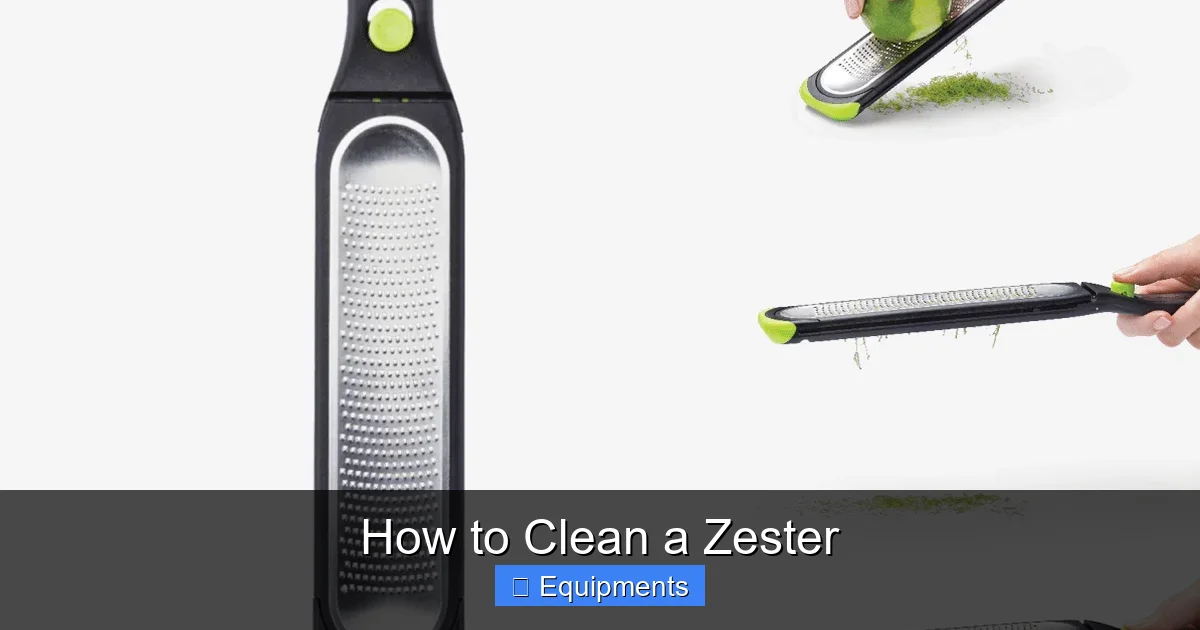
The quick‑rinse works best right after you finish zesting. Citrus juice, cheese shavings, and chocolate melt quickly, and a fast rinse stops them from hardening.

Visual guide about How to Clean a Zester
Image source: greenhealthycooking.com
Step‑by‑step
- Step 1: Hold the zester under warm running water.
- Step 2: Use your fingers or a soft silicone brush to dislodge loose particles.
- Step 3: Shake off excess water and pat dry with a clean cloth.
Tips for success
- Use lukewarm water; hot water can warp thin metal.
- If the zest sticks, add a drop of mild dish soap to the water.
- Dry the handle and blades thoroughly to avoid rust spots.
2. Soap‑and‑Brush Cleaning: The Everyday Routine
Materials you’ll need
- Warm water
- Mild dish soap
- Soft‑bristled brush (nylon or silicone)
- Microfiber towel
How to do it
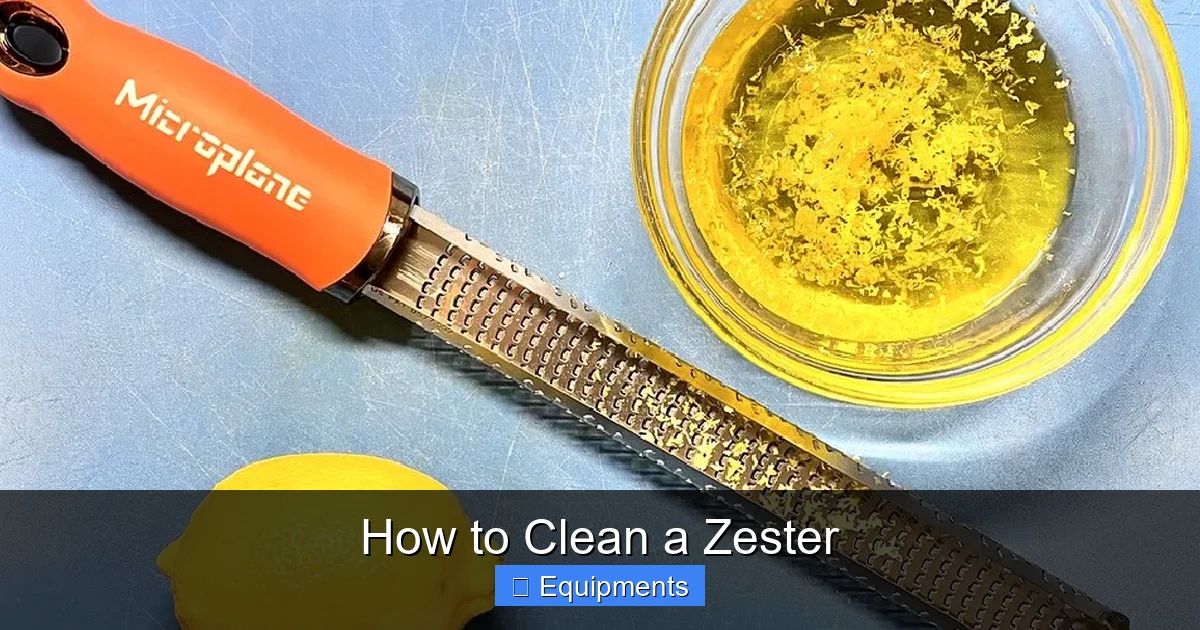
Fill a sink or bowl with warm, soapy water. Submerge the zester for a minute, then gently scrub the blades with the brush. Pay special attention to the crevices where zest can hide.
Visual guide about How to Clean a Zester
Image source: amber-hour.com
Why this works
The soap breaks down oil and sugars that can cling to the metal. A soft brush removes debris without scratching the cutting edge, keeping the tool sharp.
Pro tip
For a stainless‑steel zester, add a teaspoon of baking soda to the water. The mild abrasive helps lift stubborn bits without harming the surface.
3. Dishwasher Safe Zesters: Set It and Forget It
Check the manufacturer’s label
Not every zester can survive the dishwasher’s heat. Look for a “dishwasher safe” symbol on the handle or in the instruction manual. If you’re unsure, test with a short cycle on the top rack.
Visual guide about How to Clean a Zester
Image source: thekitchenix.com
Loading the dishwasher
- Place the zester on the top rack, away from heavy pots that could knock it around.
- Use a mild detergent; avoid bleach or harsh chemicals.
- Select a gentle cycle with a low‑temperature rinse.
After the wash
Remove the zester promptly, dry it with a towel, and give the blades a quick wipe with a light coat of food‑grade oil. This prevents any moisture from lingering.
4. Deep Cleaning with Vinegar: Removing Rust and Mineral Buildup
When to deep clean
If you notice a faint orange tint or feel a gritty texture on the blades, it’s time for a vinegar soak. This method dissolves rust and calcium deposits that ordinary washing can’t touch.
Recipe
Mix equal parts white distilled vinegar and warm water in a bowl large enough to submerge the zester.
Procedure
- Place the zester in the solution and let it soak for 15‑30 minutes.
- After soaking, use a soft brush to scrub any remaining spots.
- Rinse thoroughly with warm water to remove vinegar residue.
- Dry immediately and apply a thin layer of mineral oil.
Safety note
Never soak a wooden‑handle zester in vinegar; the acid can damage the wood. Stick to metal‑only models for this method.
5. Seasonal Maintenance: Polishing and Sharpening
Polishing the blades
Every few months, give the zester a polish to keep it looking new. Use a non‑abrasive metal polish or a paste of baking soda and water. Rub gently with a soft cloth, then buff to a shine.
When to sharpen
If zesting feels sluggish, the edge may be dull. Most zesters have replaceable blades; check the brand’s instructions for removal. You can also use a fine‑grit sharpening stone, holding the blade at the original angle and moving it back and forth a few strokes.
Replacement tips
- Keep spare blades on hand; they’re inexpensive and easy to swap.
- Match the blade size to the original for consistent zest size.
6. Proper Storage: Keeping Moisture Out
Dry environment
Store the zester in a drawer with a silicone mat or a paper towel. This absorbs any stray moisture and protects the blades from scratches.
Cover options
- Use a small zip‑top bag for travel.
- Place a protective sheath (often sold with professional zesters) over the blade.
Long‑term care
If you won’t use the zester for a season, coat the blades with a thin layer of food‑grade mineral oil and store it in a sealed container. This creates a barrier against humidity.
Conclusion: A Zester That Zests Like New, Every Time
Cleaning a zester is a small habit that makes a big difference. By rinsing right after use, giving it a weekly soap‑and‑brush wash, and performing a monthly vinegar soak, you protect the metal, preserve the sharp edge, and avoid rust. Add occasional polishing, proper storage, and occasional blade replacement, and your zester will serve you for years.
Next time you reach for that citrus fruit, you’ll know exactly how to keep the tool in top shape—so you can focus on flavor, not frustration.
Frequently Asked Questions
How often should I clean my zester?
Rinse it immediately after each use, give it a full soap‑and‑brush cleaning nightly, and deep‑clean with vinegar once a month or when you see rust.
Can I put a wooden‑handle zester in the dishwasher?
No. The heat and moisture can warp the wood and cause it to split. Hand‑wash wooden‑handle zesters with warm, soapy water and dry them promptly.
Is it safe to use abrasive pads on a zester?
Avoid steel wool or harsh scouring pads—they can dull or scratch the blades. Stick to soft silicone brushes or non‑abrasive sponges.
What oil should I use to season a zester?
Use a light, food‑grade oil such as mineral oil, grapeseed oil, or a small amount of vegetable oil. Apply a thin coat and wipe off excess.
How do I know if my zester needs a new blade?
If zest comes out uneven, the edge feels dull, or you see rust that won’t come off with vinegar, it’s time to replace the blade or the whole tool.
Can I use a lemon squeezer to clean a zester?
Not really. A lemon squeezer is designed for juice extraction, not for scrubbing blades. Use a soft brush or a toothbrush for the best results.
