Is your Bosch dishwasher making excessive noise? The solution often lies in proper installation, consistent maintenance, and using the right settings. Start by ensuring the unit is perfectly level and all packing materials are removed. Regularly clean the filters and spray arms to prevent debris buildup. Finally, select quieter wash programs like “EcoSilence” or “Quiet Night” and avoid overloading. If noises persist, a professional diagnosis may be needed for worn parts like the pump or motor bearings.
Key Takeaways
- Verify Installation First: An unlevel dishwasher or leftover shipping braces are the most common causes of loud, vibrating operation.
- Clean Filters Monthly: A clogged filter forces the pump to work harder, creating a loud humming or grinding sound.
- Use the Right Program: Bosch’s “EcoSilence” or “Extra Quiet” cycles are designed for low-decibel operation, often at the cost of longer wash times.
- Load Dishes Correctly: Items that rattle against each other or the tub (like plastic lids or tall glasses) create percussive noise during wash cycles.
- Inspect for Loose Parts: Check that the racks run smoothly on their rollers and that the door seal is intact and not causing air vibrations.
- Check Floor Support: A flexible or hollow floor (like over a basement) can amplify vibrations. Solidify the floor under the dishwasher if possible.
- Know When to Call a Pro: Persistent grinding, screeching, or loud buzzing likely indicates failing motor bearings, a worn pump, or a faulty circulation motor.
📑 Table of Contents
- Understanding Your Bosch Dishwasher’s Noise Levels
- Installation Issues That Cause Excessive Noise
- Routine Maintenance for Quieter Operation
- Optimizing Dishwasher Settings for Silence
- Proper Loading Techniques to Minimize Noise
- When to Call a Professional: Recognizing Red Flags
- Conclusion: Achieving Lasting Silence
Understanding Your Bosch Dishwasher’s Noise Levels
First, let’s set a realistic expectation. Bosch dishwashers are engineered for quiet operation, often marketed as some of the quietest on the market, with many models operating between 40-50 decibels (dB). For comparison, a normal conversation is about 60 dB. So, if your Bosch sounds more like a jet engine taking off, something is definitely wrong. The “silence” you’re seeking isn’t about making it whisper-quiet; it’s about restoring it to its intended, near-silent performance. Normal operation should be a soft hum and the gentle sound of water, not clattering, banging, or loud grinding.
Decibel Ratings and What They Mean
Check your Bosch dishwasher’s specifications—usually on a sticker inside the door or in the manual. It will list a dB rating (e.g., 42 dB). This is a laboratory measurement under ideal conditions. In your home, factors like installation and floor type can make it seem louder. A 3-5 dB increase is perceived as roughly twice as loud by the human ear. So, a 47 dB machine can feel significantly louder than a 42 dB one. Your goal is to diagnose why your specific unit has deviated from its rated quietness.
Different Types of Dishwasher Noise
Identifying the type of noise is your first diagnostic clue. Is it a:
- Constant, deep hum or buzz: Often the circulation pump or motor. Could be normal if faint, but loud suggests obstruction or wear.
- Rattling or clattering: Almost always dishes or utensils vibrating against each other or the tub walls.
- Grinding or gurgling: Typically debris (food, glass, seeds) caught in the pump or filter housing.
- Loud clicking or thumping: Could be the drain pump engaging (normal) or a mechanical part like a solenoid or valve. Excessive thumping might also be the dishwasher rocking on an uneven floor.
- High-pitched squeal or screech: Usually indicates a failing motor bearing or a belt-driven component (less common in newer Bosch models) that needs replacement.
Listen carefully during different phases: filling, washing, draining, and drying. Pinpointing the noise’s origin cycle dramatically narrows down the potential fixes.
Installation Issues That Cause Excessive Noise
Over 50% of “noisy dishwasher” complaints trace back to installation errors, not appliance failure. Before you dive into internal components, rule out these fundamental setup problems.
Visual guide about How Do I Use My Bosch Dishwasher to Silence
Image source: thekitchenix.com
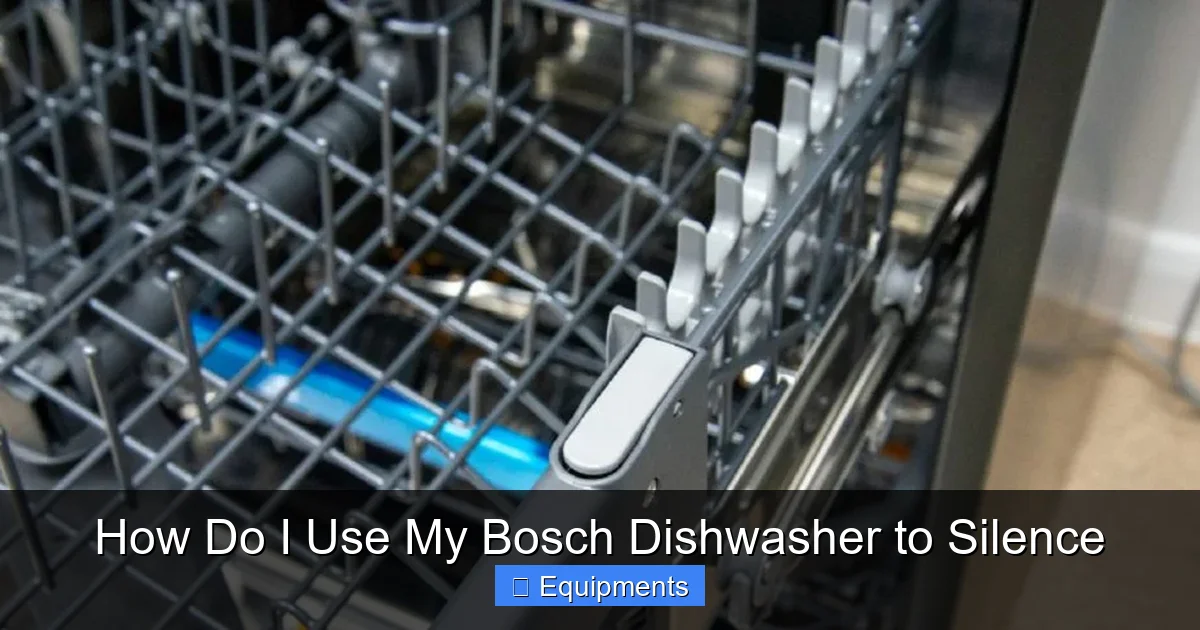
1. The Critical Step: Leveling and Stability
A Bosch dishwasher must be perfectly level side-to-side and front-to-back. If it’s even slightly tilted, the tub can hit the cabinet sides, and the entire unit will vibrate excessively against the floor. Here’s how to check and fix it:
- Use a Spirit Level: Place a long carpenter’s level on the door rack rails inside the tub. Check both directions.
- Adjust the Feet: The front feet are usually adjustable screws. The rear feet often require a wrench or pliers. Loosen the lock nut, turn the foot to raise or lower, then retighten the nut. Adjust until the level reads perfectly.
- Check for Rocking: Once level, firmly push and pull on the corners of the open door. There should be zero movement. Any rocking indicates a floor that isn’t flat or feet that aren’t making full contact.
2. Removing All Shipping Materials
This is a classic mistake made by DIY installers. Bosch dishwashers come with internal and external bracing to protect the tub and components during transit. The most notorious is a large white or yellow plastic block or cardboard sleeve inside the tub, often located at the rear bottom, meant to hold the tub in place during shipping. If left in, it causes a constant, loud rattling during the wash cycle. Always consult your installation manual for a complete list of materials to remove. Also, check for any plastic film or protective coverings on the door or control panel that weren’t peeled off.
3. Ensuring Proper Clearances and Support
The dishwasher needs a “cage” of solid cabinetry around it. If the side cabinets are loose or not securely fastened to the floor/wall, they can resonate with the dishwasher’s vibrations, amplifying sound. Ensure the dishwasher is screwed to the countertop (via the mounting brackets) and that the adjacent cabinets are sturdily built. Also, verify there is the recommended 1/2-inch clearance on the sides and top as per the manual. Too tight a squeeze can cause the tub to rub against the cabinet.
Routine Maintenance for Quieter Operation
Even with a perfect installation, a neglected dishwasher becomes noisy. Food debris, mineral buildup, and worn components are the culprits. A regular maintenance schedule is non-negotiable for silent performance.
Visual guide about How Do I Use My Bosch Dishwasher to Silence
Image source: rectifyhome.com
Deep Cleaning the Filters
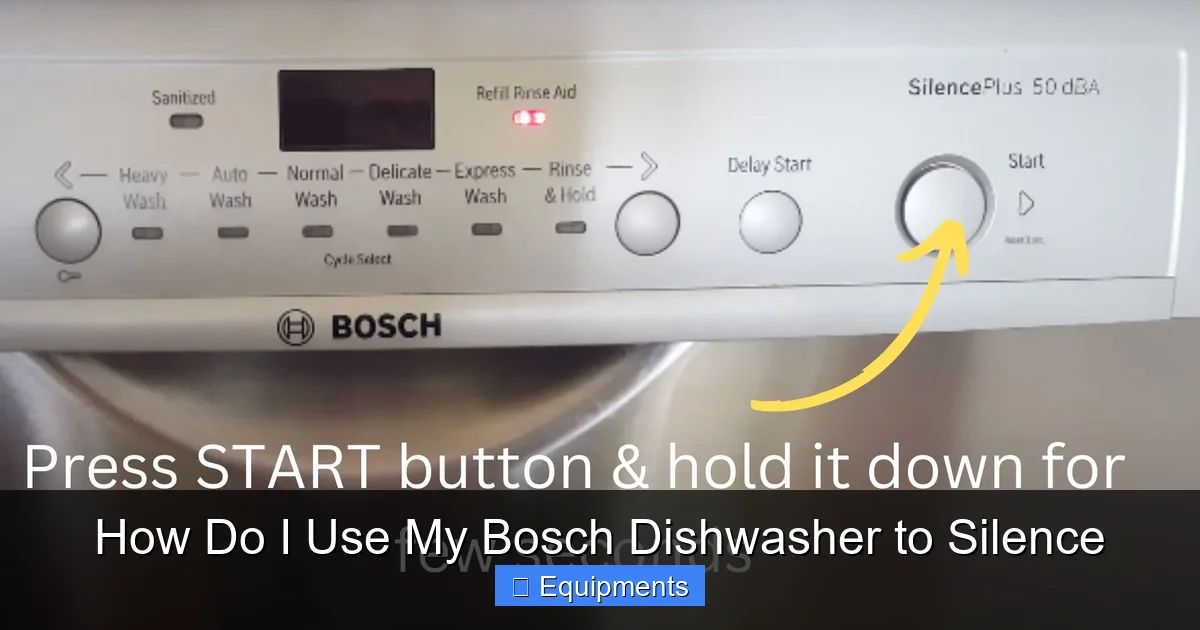
Your Bosch has a multi-part filtration system (usually a fine mesh cylinder and a larger mesh cup at the bottom of the tub). This is the #1 maintenance task for noise reduction.
- Frequency: Clean every 1-2 months, or immediately if you notice gritty noise or poor cleaning.
- Process: Remove the lower rack. Twist and lift out the filter cylinder. The coarse mesh cup is underneath. Take both to the sink. Use a soft brush under warm running water to dislodge all food particles, seeds, and grit. Do not use abrasive scrubbers. Inspect the filter housing (the hole where it sits) and clean out any debris there with a damp cloth.
- Why It Matters: A clogged filter restricts water flow to the circulation pump, forcing it to strain and whine. It also allows debris to enter the pump housing, causing grinding noises.
Inspecting and Cleaning Spray Arms
The rotating spray arms (lower and sometimes middle/upper) must spin freely and have clear jets. Mineral deposits or food chunks can block nozzles, causing uneven spray and a loud, strained pumping sound.
- Check: Remove the lower rack. Spin the lower spray arm by hand. It should rotate smoothly. Look for blocked holes. If it’s stiff or doesn’t spin, it needs cleaning.
- Clean: Most Bosch spray arms twist off. Unscrew the lower arm (turn counter-clockwise). The middle/upper arms often just pull down. Soak them in white vinegar for 30 minutes to dissolve limescale. Use a toothpick or paperclip to gently clear any blocked jets. Rinse thoroughly and reattach.
Checking the Pump and Impeller Area
This is a more advanced but crucial step. Behind the filter assembly is the pump housing. Small, hard objects like cherry pits, broken glass, or even a lost plastic utensil can get lodged here, causing a horrific grinding sound.
- Access: After removing the filters, you’ll see a cavity. Shine a flashlight inside. You may see the impeller (a small plastic or metal fan blade).
- Clear Debris: Using needle-nose pliers or a small hook, carefully reach in and pull out any foreign objects. Disconnect power to the dishwasher before attempting this!
- Note: If you hear grinding but find no debris, the impeller itself may be cracked or the pump bearings are worn. This requires a professional part replacement.
Optimizing Dishwasher Settings for Silence
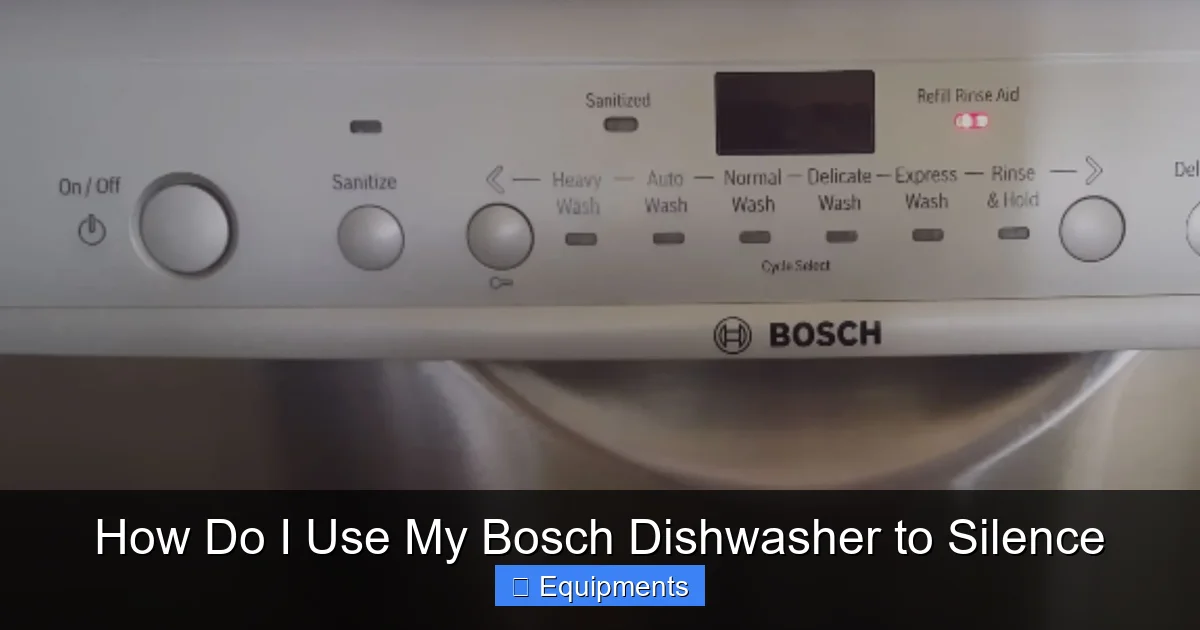
Your Bosch’s control panel holds the key to a quieter cycle. Not all wash programs are created equal.
Visual guide about How Do I Use My Bosch Dishwasher to Silence
Image source: rectifyhome.com
Utilizing “EcoSilence” or “Quiet Night” Programs
Most modern Bosch series (300, 500, 800, etc.) feature a dedicated quiet cycle, often called “EcoSilence,” “Extra Quiet,” or “Night Wash.” These programs are engineered for minimal noise by:
- Modifying the pump motor speed (often running it slower and longer).
- Extending the overall cycle time dramatically (4-6 hours is common).
- Adjusting the timing of drain cycles to be less abrupt.
- Typically, these cycles also use less energy and water, but cleaning power for heavily soiled pots and pans may be reduced.
Pro Tip: Use these quiet cycles for everyday loads of normally soiled dishes, glasses, and cutlery. Reserve the more powerful “Auto” or “Intensive” cycles for pots, pans, and baked-on grime.
The Impact of the “Extra Dry” and “Speed” Options
Options like “Extra Dry” or “Speed Perfect” often increase noise. “Extra Dry” extends the final heating phase, and “Speed Perfect” ramps up the pump and heater to shorten the cycle. Both make the appliance work harder and louder. For the quietest operation, avoid these supplemental options unless absolutely necessary.
Delay Start for Nighttime Quiet
Combine a quiet cycle with the “Delay Start” function. Set the dishwasher to begin its silent “EcoSilence” cycle at 2 AM. You’ll get the benefit of a quiet home during evening hours and wake up to clean dishes. This is the ultimate strategy for open-concept living spaces or bedrooms adjacent to the kitchen.
Proper Loading Techniques to Minimize Noise
How you load your dishwasher directly impacts noise. Dishes that aren’t secure will bang and clatter.
Securing Dishes and Utensils
The goal is to create a stable “island” of items that won’t shift when hit by water jets.
- Plates and Bowls: Stand them upright in the lower rack, angled slightly toward the center for water reach. Ensure they are snug against the rack tines but not forced. Tall items should be placed along the outer edges, not in the center where the spray arm rotates.
- Cups and Glasses: Place in the upper rack, secure in the holders. Stemware should be clipped in if the model has stemware holders. Never let items touch each other; they’ll vibrate.
- Utensil Basket: Mix spoons and forks to prevent nesting. knives should be handled with the points down for safety. Ensure the basket isn’t overloaded; items must be separated so water can flow between them.
- Plastic Lids and Cutting Boards: These are notorious noise-makers. Place them on the bottom rack, flat on the floor of the tub, not upright against the back wall where they can catch water jets and flap around. Secure them with a heavier item if necessary.
Avoiding Common Loading Mistakes
Never place large, flat items (like baking sheets or cutting boards) in the lower rack in a way that blocks the rotation of the lower spray arm. This forces water to spray against a solid surface, creating a loud, drum-like noise. If you must wash a large sheet pan, place it along the left side of the lower rack (for most models where the spray arm rotates clockwise) and angle it slightly to allow the arm to pass underneath.
When to Call a Professional: Recognizing Red Flags
After diligently checking installation, performing deep maintenance, and optimizing settings, if your Bosch dishwasher is still producing any of the following noises, it’s time to call an authorized Bosch service technician. Continuing to run it could cause catastrophic damage.
Diagnosing Internal Mechanical Failures
Grinding/Grating Noise (persistent, even with empty tub): This strongly suggests a failed circulation pump. The pump’s internal bearings or impeller are worn or broken. The pump assembly will need replacement.
Loud, High-Pitched Squeal or Screech: This is the classic sound of failing motor bearings. The motor that drives the circulation pump is seizing up. This is a major repair.
Constant, Loud Buzzing or Vibrating (at specific points in cycle): Could be the drain pump solenoid or the drain pump itself failing. It might also be a faulty solenoid valve controlling water intake.
Thumping During Drain: A single, loud thump when draining is often normal (the sudden stop of the drain motor). However, repetitive thumping or thumping during wash cycles indicates a loose internal component, like a broken spray arm support or a loose baffle inside the tub.
The Importance of Authorized Service
Bosch dishwashers are complex appliances with integrated electronics and specific part designs. A generic appliance repair technician may not have the specific diagnostic tools or parts inventory. An authorized Bosch technician will:
- Have access to the correct, OEM (Original Equipment Manufacturer) replacement parts.
- Use proprietary diagnostic software to read error codes from the control board.
- Understand the specific disassembly sequence to avoid damaging the sophisticated tub sealing system.
- Provide a proper warranty on the repair.
While a service call is an expense, it is far cheaper than replacing a prematurely ruined dishwasher due to a botched DIY repair on a critical component like the pump or motor.
Conclusion: Achieving Lasting Silence
Silencing your Bosch dishwasher is a methodical process of elimination. Start with the fundamentals: perfect leveling, removal of all shipping materials, and a solid cabinet footprint. These are the most common and easiest fixes. Then, commit to a strict maintenance regimen—especially filter cleaning—to prevent debris from causing internal damage and noise. Learn to love the “EcoSilence” cycle and pair it with a delay start for ultimate tranquility. Finally, master the art of loading to keep dishes from becoming percussion instruments. By following this structured approach, you will restore your Bosch to its rightful place as a quiet, efficient, and unobtrusive workhorse in your kitchen. Remember, the goal isn’t absolute silence, but the soft, confident hum of a machine operating exactly as the German engineers intended.
Frequently Asked Questions
Why is my Bosch dishwasher suddenly so loud?
A sudden increase in noise is most often caused by a clogged filter restricting water flow to the pump, or a piece of food debris (like a cherry pit or broken glass) lodged in the pump housing. It can also be caused by the dishwasher rocking on an uneven floor after being moved or bumped.
Can the type of detergent I use affect dishwasher noise?
Yes, indirectly. Low-quality detergent or tablet brands that don’t dissolve completely can leave gummy residue or undissolved particles. These can clog the filter and spray arm jets over time, forcing the pump to work harder and louder. Always use a reputable brand designed for your water hardness.
How often should I deep clean my Bosch dishwasher to maintain quiet operation?
For optimal performance and silence, perform a full filter cleaning and spray arm check every 1-2 months. Run a dedicated dishwasher cleaner (like Affresh or Finish) in an empty machine every 1-3 months to remove mineral buildup and grease from the interior, tub, and heating element, which can also contribute to noise.
My Bosch is level, clean, but still has a loud hum during the wash cycle. What could it be?
A persistent, loud hum with the tub empty typically points to the circulation pump. The pump motor could be failing, or its internal bearings are worn. If the hum changes pitch or gets louder as the cycle progresses, it’s a strong indicator of a pump that is on the verge of failing and needs professional replacement.
Is some noise during the drain cycle normal?
Yes. The drain pump is a high-pressure, motor-driven device. It produces a distinct, moderately loud whooshing or buzzing sound for 30-60 seconds as it expels water. This is normal operation. What is not normal is a loud, continuous grinding during drain or a drain cycle that runs excessively long (over 2 minutes), which indicates a blockage in the drain hose or pump.
Can I fix a noisy Bosch dishwasher myself, or should I always call a pro?
You can and should handle all installation checks (leveling, shipping material removal) and routine maintenance (cleaning filters, spray arms, and clearing visible debris from the pump housing). However, for any noise that persists after this—especially grinding, screeching, or loud buzzing from the motor/pump area—you should call an authorized Bosch technician. These are complex internal repairs requiring special tools and parts.
Pingback: Lave-vaisselle Bosch 500 Vs 800 - kitchenandhouseware.com