Unlock the secrets to baking famous Crumbl cookies in your own kitchen! This guide provides tested, easy-to-follow copycat recipes that perfectly mimic the viral cookie shop’s signature soft, thick, and chewy texture. You’ll learn the essential techniques, master the most popular flavors like the pink sugar cookie and chocolate chip, and discover pro tips for storage and gifting. Say goodbye to long lines and hello to fresh, homemade Crumbl-style cookies whenever the craving strikes.
Key Takeaways
- The “Crumbl Texture” is Everything: Achieving that signature soft center with slightly crisp edges comes down to precise ingredient ratios, minimal mixing, and proper chilling. Over-mixing or skipping the chill step are the most common reasons for flat, crispy cookies.
- Master the Base Dough First: Most Crumbl flavors share a common base recipe. Perfecting this one dough—with its high brown sugar and butter content—is the key to successfully cloning dozens of flavors. Once you have the base down, flavor variations are simple.
- Quality Ingredients Make a Difference: Use real butter (not margarine), high-quality vanilla extract, and fresh baking soda and powder. The simple ingredient list means each one significantly impacts the final taste and texture.
- Baking Time is Critical: Crumbl cookies are famously under-baked relative to traditional cookies. Pull them from the oven when the edges are set but the center still looks soft and slightly underdone. They will continue to cook on the hot sheet.
- Decoration is Part of the Experience: The iconic swirls and toppings are essential. Invest in a large open star tip for piping and use gel food coloring for vibrant hues without thinning the frosting. The frosting should be thick enough to hold its shape.
- They are Best Slightly Warm: For the ultimate Crumbl experience, serve the cookies warm (just out of the oven or gently reheated). The texture is at its peak—soft, melty, and irresistibly gooey.
- Homemade is More Economical & Customizable: A batch of homemade copycats costs a fraction of the store-bought price. Plus, you can adjust sweetness, swap mix-ins, and create flavors not currently offered, making it a fun and versatile baking project.
📑 Table of Contents
The Irresistible Allure of the Crumbl Cookie
If you’ve spent any time on social media in the last few years, you’ve seen them: those massive, pillowy-soft cookies with iconic swirls of frosting, often held up against a backdrop of a pink Crumbl bag. The brand has exploded into a cultural phenomenon, with lines stretching out the door and a cult-like following for its rotating weekly menu. But what happens when the craving hits on a Tuesday, or you live miles from the nearest location? You learn to make copycat Crumbl cookie recipes at home, of course.
This isn’t just about saving money—though you absolutely will. It’s about capturing that specific, almost magical texture: a cookie that’s dense and chewy like a brownie, with a tender, almost cake-like crumb, crowned with a thick, buttery frosting that doesn’t soak in. It’s a texture that seems elusive until you understand the science behind it. This guide will demystify the process. We’ll break down the core techniques that make Crumbl cookies unique, then walk through step-by-step recipes for the most beloved flavors. Get ready to become the cookie hero of your household.
Secrets to Success: The Non-Negotiable Foundation
Before we dive into pink frosting and chocolate chunks, we must build a foundation. Every single Crumbl cookie, from the classic chocolate chip to the lime zest, starts with the same basic dough blueprint. Nail this base, and you can conquer any flavor. Here are the unbreakable rules.

Visual guide about Copycat Crumbl Cookie Recipes at Home
Image source: southerncrushathome.com
The Holy Trinity of Fat, Sugar, and Chill
The dough’s richness comes from a high fat content—typically one cup (two sticks) of butter for a standard batch. But the type of sugar is crucial. Crumbl uses a significant amount of light brown sugar (about ¾ cup) alongside white sugar. Brown sugar’s molasses content adds moisture, chewiness, and that deep, caramel-like flavor. It’s the primary reason these cookies stay soft for days.
The next secret weapon is chilling the dough. This isn’t a suggestion; it’s the law. A minimum of 4 hours, but ideally 24-48 hours, is required. Why? It allows the flour to fully hydrate and the fats to solidify. This prevents excessive spreading, resulting in that thick, bakery-style height. It also deepens the flavor, making your cookies taste more complex and less “sugary.” Don’t skip it. Plan ahead or make the dough the night before.
Mixing: Less is More
When you combine your wet and dry ingredients, mix just until no flour streaks remain. Over-mixing develops gluten in the flour, leading to a tough, dense cookie. We want tender! Use a wooden spoon or a mixer on low speed. Once you add the mix-ins (chocolate chips, etc.), fold gently. This keeps the dough from getting warm and elastic.
The Under-Baked Mandate
This is the biggest mental shift for home bakers. You are not aiming for golden brown all over. You are aiming for cookies that look slightly underdone in the center when you pull them from the oven. The edges should be set and lightly golden, but the top should still look soft and pale. They will look “raw.” Trust the process. Carryover cooking on the hot baking sheet will finish the job, leaving you with a perfectly soft center. Over-baking by even one minute can turn a chewy cookie into a crisp one.
Clone Your Favorite: Essential Copycat Recipes
With the base mastered, let’s recreate the stars of the show. These recipes are adapted and tested to deliver that unmistakable Crumbl profile. Remember, all doughs start with the same base method below.
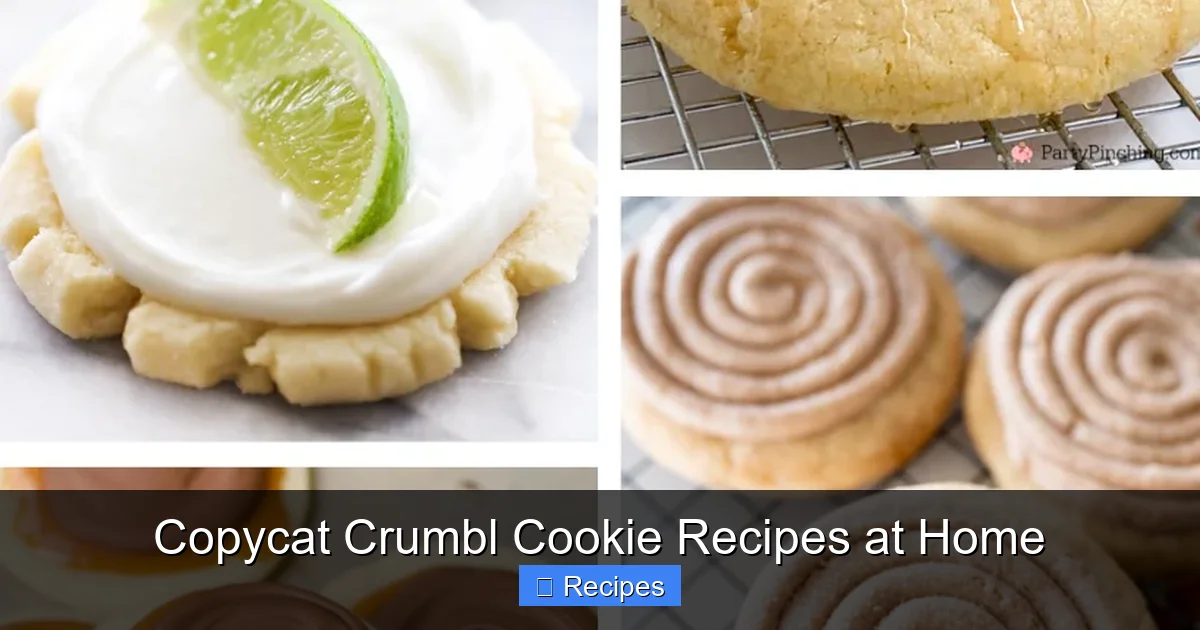
Visual guide about Copycat Crumbl Cookie Recipes at Home
Image source: flavorfulcombinations.com
The Universal Crumbl Cookie Base
(Yields 8 large cookies)
- 1 cup (2 sticks / 226g) unsalted butter, softened
- ¾ cup (150g) light brown sugar, packed
- ½ cup (100g) granulated sugar
- 2 large eggs, room temperature
- 2 tsp vanilla extract
- 2 ½ cups (313g) all-purpose flour
- 1 tsp baking soda
- ½ tsp baking powder
- 1 tsp salt
- 2 cups (340g) of your chosen mix-in (chocolate chips, etc.)
Method: Cream butter and both sugars on medium speed for 2-3 minutes until light and fluffy. Add eggs one at a time, mixing well after each, then vanilla. In a separate bowl, whisk together flour, baking soda, baking powder, and salt. Gradually add dry ingredients to wet, mixing on low until just combined. Fold in mix-ins. Scoop 5-6 oz balls of dough (about ½ cup) onto a parchment-lined baking sheet. Flatten slightly. Cover and chill for at least 4 hours, up to 72 hours. Preheat oven to 350°F (175°C). Bake for 10-12 minutes. Edges should be golden, center soft. Cool on sheet 10 minutes before transferring.
Pink Sugar Cookie Clone
This is arguably the most iconic. The cookie itself is a vanilla-sugar base, and the frosting is a stiff, sweet, pink vanilla buttercream that doesn’t melt into the cookie.
For the Cookie: Use the base recipe above, but substitute 1 cup of the all-purpose flour with cake flour for a more tender, fine crumb. Add 2 tsp of vanilla bean paste or extra vanilla extract. Omit mix-ins.
For the Pink Frosting:
- 1 cup (2 sticks / 226g) unsalted butter, softened
- 3 ½ cups (420g) powdered sugar, sifted
- 2-3 tbsp heavy cream or milk
- 2 tsp vanilla extract
- ¼ tsp salt
- Pink gel food coloring (use a toothpick to start)
Cream butter until smooth. Gradually add powdered sugar on low speed until incorporated. Add vanilla, salt, and 2 tbsp cream. Beat on high for 2-3 minutes until fluffy. Add more cream, a teaspoon at a time, if too thick. It should be very thick, like whipped butter. Tint with gel coloring. Pipe a large, high swirl on the completely cooled cookie using a large open star tip (like Ateco 846).
Chocolate Chip Cookie Dough Clone
This is a chocolate chip cookie dough base, not a plain chocolate chip cookie. The dough is darker, richer, and the chocolate is often a mix of chips and chunks.
For the Cookie: Use the base recipe. Increase brown sugar to 1 cup. Use a mix of 1 cup semi-sweet chocolate chips and 1 cup dark chocolate chunks. Add 2 oz of dark chocolate, melted and cooled, to the wet ingredients for an even more intense, doughy flavor.
For the Frosting: A simple chocolate buttercream. Beat 1 cup butter with 3 cups powdered sugar, ⅓ cup cocoa powder, 2 tbsp heavy cream, 1 tsp vanilla, and a pinch of salt until fluffy. Pipe a smaller, simpler swirl than the pink cookie, or just a generous dollop.
Other Flavor Templates
The beauty is in the customization. Here’s how to adapt:
- Lemon Glaze: Add zest of 2 lemons to the base dough. For frosting, whisk 1 ½ cups powdered sugar, 2 tbsp lemon juice, 1 tbsp melted butter, and a pinch of salt. Thin with more lemon juice to a pourable glaze. Drizzle over cookie.
- Birthday Cake: Add ½ tsp almond extract and colorful sprinkles to the base dough. For frosting, use the pink vanilla buttercream base, tint with pastel colors, and fold in more sprinkles.
- Biscoff (Lotus): Fold 1 cup of crushed Biscoff cookies into the base dough. For frosting, beat ½ cup softened butter with ½ cup Biscoff cookie butter, 1 cup powdered sugar, and a pinch of salt.
Troubleshooting: Why My Cookies Aren’t Like Crumbl’s
Even with the best recipe, things can go wrong. Let’s diagnose the common issues.

Visual guide about Copycat Crumbl Cookie Recipes at Home
Image source: letseatcake.com
My Cookies Spread Too Much and Are Thin
This is the #1 problem. The culprits are almost always: 1) Dough wasn’t cold enough. If it’s soft at scooping, it will spread. 2) Butter was too soft or melted. It should be cool to the touch and just leave a slight indentation when pressed. 3) Oven temperature is too low. Use an oven thermometer. A hot oven sets the cookie’s structure faster, preventing spread. 4) Too much sugar. Ensure you’re measuring correctly, especially brown sugar (pack it firmly).
My Cookies Are Cakey or Dry
This usually means you over-mixed the dough, developing gluten. Mix just until combined. It can also happen if you over-baked. Pull them out when the centers look soft and underdone. Another cause? Using too much flour. Measure by weight (grams) for accuracy, or use the spoon-and-level method: spoon flour into the measuring cup and level off with a knife, don’t scoop from the bag.
My Frosting is Runny or Melts Into the Cookie
Frosting for Crumbl clones must be stiff. If it’s runny, you likely have too much liquid (milk, extract, food coloring). Add more powdered sugar, a quarter cup at a time. The frosting should hold a peak. Also, absolutely ensure the cookie is 100% cool before frosting. A warm cookie will melt any buttercream. If your kitchen is warm, you can even chill the cookies before frosting.
Storing, Gifting, and The Homemade Advantage
Making a big batch? Here’s how to keep them perfect and share the love.
Storage for Ultimate Freshness
Crumbl cookies are best within 24-48 hours of baking for peak texture. Store them in an airtight container at room temperature. Place a piece of parchment paper between layers to prevent sticking. Do not refrigerate—the fridge will dry them out and make the frosting hard. For longer storage, you can freeze the unfrosted baked cookies for up to 2 months. Thaw at room temp and frost fresh. You can also freeze the dough balls on a tray, then store in a freezer bag. Bake from frozen, adding 1-2 minutes to the bake time.
Gifting Like a Pro
The iconic pink bag is part of the allure. You can buy small pink treat bags or simply use clear cellophane bags tied with a ribbon. Place one or two cookies in each bag. For a gift box, line a small box with parchment and nestle the cookies inside. Include a small note with the flavor and a “best by” date (2-3 days from baking). The personal touch of homemade gifting is unmatched.
More Than Just a Cookie: The Joy of Homemade
Making copycat Crumbl cookie recipes at home is about more than replicating a trend. It’s about the sensory joy of baking. The smell of brown sugar and butter filling your kitchen. The satisfying weight of a dough ball in your scoop. The moment of truth when you pull a tray from the oven and see that perfect, crackly top giving way to a soft interior. It’s about creativity—trying a new flavor combination that isn’t on the weekly menu. It’s about control—making them gluten-free, reducing the sugar, or using dark chocolate instead of milk.
You’re no longer at the mercy of a limited-time flavor or a sold-out sign. You are the baker, the curator of your own cookie menu. You can make a batch of just one flavor, or a sampler box with four different varieties. You can send a care package to a friend across the country with cookies that taste like they came from the shop down the street. There is a profound satisfaction in mastering a recipe that feels exclusive and special, and then sharing that magic. So preheat your oven, chill your dough, and get ready to experience the legendary Crumbl cookie, on your terms, in your home. The lines are officially over.
Frequently Asked Questions
Why did my copycat Crumbl cookies spread so much and become thin?
The most common reason is that the dough was not cold enough before baking. Ensure you chill the dough balls for at least 4 hours, and keep the remaining dough in the fridge while one batch bakes. Also, check your oven temperature with a thermometer, as a too-low oven causes spreading.
Can I use margarine or a butter substitute instead of real butter?
It is not recommended. The high fat and water content in real butter is crucial for the signature texture and spread. Margarine and substitutes have different fat compositions and will likely result in greasy, overly spread cookies that lack flavor.
Can I make the cookie dough ahead and freeze it?
Absolutely! This is a great strategy. Scoop the dough into balls, place them on a parchment-lined tray, and freeze until solid. Transfer the frozen dough balls to a freezer bag. You can bake them straight from the freezer, adding 1-2 extra minutes to the baking time. No need to thaw.
How do I get the frosting to be thick and pipeable like Crumbl’s?
The key is using a stiff American buttercream: a 1:2 ratio of liquid (butter, milk, extracts) to powdered sugar. Start with less liquid and add it by the teaspoon only if needed to reach a thick, spreadable consistency. It should hold a sharp peak when you lift the beaters. Gel food coloring is essential as liquid coloring adds unwanted moisture.
Can I make these cookies smaller or in a different shape?
You can, but the texture will change. The massive size (5-6 oz of dough) is integral to the soft, under-baked center. Smaller cookies will bake through faster and will likely be crispier. For best results, stick to the large, thick portions. You could use a smaller scoop for personal-sized cookies, but adjust baking time down by 1-2 minutes.
Why are Crumbl cookies so popular? Is it just the frosting?
While the iconic frosting is a huge part of the appeal, the cookie itself is the star. The unique texture—thick, soft, and almost doughy in the center—is rare in a store-bought cookie. Combined with the fun, rotating flavors and Instagram-worthy presentation, it creates a highly shareable, craveable product that feels like a special treat. The copycat recipes succeed by focusing on replicating that foundational texture first.