Clean Cast Iron
Home & Kitchen Writer at Kitchen and Houseware · Home Economics & Culinary Arts Certificate · 6+ years testing everyday cookware, kitchen storage solutions, and practical home organization routines
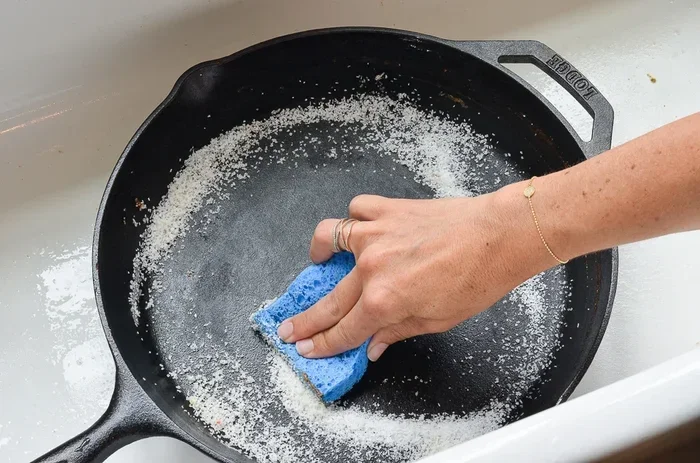
Keeping your cast iron clean doesn’t have to be hard. This guide covers everything from daily cleaning to removing stubborn rust and restoring old pans. You’ll learn simple methods that protect your seasoning and make cast iron care easy every time.
Cast iron cookware is one of the most durable tools you can own in your kitchen. A good cast iron skillet can last for generations when you take care of it right. But here’s the thing — cast iron cleaning confuses a lot of people.
You might have heard scary stories about never using soap or never putting your pan in water. The truth is much simpler. With the right approach, keeping your pan clean becomes second nature. Whether you just cooked bacon or inherited a rusty heirloom pan, this guide has you covered.
In this article, we walk you through every method for clean cast iron care. From quick daily cleaning to deep restoration, you’ll find practical steps that actually work. No fancy products needed. Just simple techniques that protect your pan and make cooking better every single day.
Key Takeaways
- Daily cleaning is simple: Just use hot water and a brush after each use to keep your pan in great shape.
- Never use soap on bare cast iron: Soap strips the seasoning you worked hard to build up over time.
- Salt is your best scrubbing friend: Coarse salt removes stuck-on food without damaging your pan’s surface.
- Dry your pan immediately after washing: Water left on cast iron causes rust fast, so always dry it thoroughly.
- Re-season regularly: A light coat of oil after cleaning keeps your pan nonstick and protected for years.
- For tough rust, use vinegar or a dedicated rust remover: These methods bring old pans back to life safely.
📑 Table of Contents
- Why Proper Cast Iron Cleaning Matters
- Daily Cleaning After Cooking
- Removing Black Residue and Stuck-On Food
- Removing Rust From Cast Iron
- Seasoning Your Cast Iron After Cleaning
- Common Mistakes to Avoid
- Enameled vs. Bare Cast Iron Cleaning
- Quick Tips for Perfect Cast Iron Care
- Final Thoughts on Clean Cast Iron
Why Proper Cast Iron Cleaning Matters
Cast iron is different from other cookware. It has a special layer called seasoning that makes it naturally nonstick. This layer comes from oils baked into the metal over time. When you clean it the wrong way, you damage this protective coating.
Bad cleaning habits lead to several problems:
- Loss of seasoning — Your pan starts sticking and food burns easily.
- Rust formation — Moisture sitting on the surface creates orange spots that eat into the metal.
- Uneven cooking — Damaged seasoning causes hot spots and poor heat distribution.
- Bad flavors — Old residue transfers off-flavors to your next meal.
On the flip side, proper cast iron care means your pan gets better with age. Many home cooks prefer older pans because the seasoning builds up into a smooth, slick surface. A well-maintained pan rivals any nonstick pan you can buy new.
If you want to learn more about maintaining your pan, check out our guide on how to make cast iron nonstick for extra tips.
Daily Cleaning After Cooking
The Hot Water Method
This is the gold standard for everyday cast iron pan cleaning. After you finish cooking, let the pan cool just enough to handle safely. Then rinse it under hot running water.
Use a stiff brush or a chainmail scrubber to remove any food bits. The hot water loosens stuck-on residue without harming your seasoning. For most meals, this simple method is all you need.
Here’s the process step by step:
- Let the pan cool for 5 to 10 minutes after cooking.
- Rinse under hot running water while the pan is still warm.
- Scrub gently with a brush or chainmail scrubber.
- Rinse again to remove all soap residue (if you used any).
- Dry the pan completely with a towel immediately.
- Apply a thin layer of oil to protect the surface.
The key rule here is to never let your pan sit wet. Even a few minutes of standing water can start the rusting process. Always dry it right away, and store it with the lid off so air circulates.
Cleaning After Cooking Bacon or Greasy Foods
Cooking bacon or other fatty foods leaves behind a lot of grease. This actually helps your seasoning, but you still need to clean the pan properly. Pour out excess bacon grease into a container and save it for cooking later.
Then use the hot water method described above. The residual grease softens any stuck-on bits, making cleanup easier. If you notice a lot of cast iron residue buildup, a paste of coarse salt and a little water works wonders as a gentle scrub.
For more detailed steps on handling bacon cleanup specifically, see our article on how to clean cast iron after cooking bacon.
Removing Black Residue and Stuck-On Food
Over time, black residue can build up on your pan. This is usually carbonized food that has bonded to the surface during high-heat cooking. It’s not dangerous, but it can affect the taste of your food if it builds up too much.
Using Salt as a Natural Scrub
Coarse salt is probably the best cast iron cleaning hack out there. It acts as a gentle abrasive that lifts stuck-on bits without scratching the seasoning underneath. Here’s how to do it:
- Pour a generous amount of coarse salt into the warm pan.
- Add a splash of water to make a paste.
- Scrub in circular motions with a paper towel or cloth.
- The salt will turn dark as it picks up residue.
- Rinse and dry thoroughly when done.
This method works great for routine maintenance. You can do it after any meal that left stubborn bits behind. The salt dissolves as you scrub, so you can use as much as you need without wasting anything.
Dealing with Black Residue Specifically
If you’re dealing with heavy black residue that won’t come off with salt alone, you may need a deeper clean. Some cooks use a paste of baking soda and water. Apply it to the affected area, let it sit for 15 minutes, then scrub gently.
For more specific guidance on tackling black buildup, read our detailed article on how to clean black residue off cast iron skillet.
Removing Rust From Cast Iron
Finding rust on your favorite pan can feel devastating. But don’t throw it away yet! Rust on cast iron is fixable in most cases. The key is catching it early and acting fast.
Vinegar Soak Method
White vinegar is one of the most effective tools for removing rust from cast iron. The acetic acid dissolves rust without being too harsh on the underlying metal. Here’s the process:
- Mix equal parts white vinegar and water in a container.
- Submerge the rusted area completely.
- Soak for 1 to 8 hours depending on rust severity.
- Check frequently — don’t leave it too long or the vinegar can affect the base metal.
- Remove the pan and scrub off loosened rust with a brush.
- Rinse thoroughly and dry immediately.
- Re-season the pan completely before using it again.
Start with shorter soak times and check often. You want to remove the rust without damaging the good iron underneath.
When Rust Is Too Advanced
Sometimes rust eats deep into the pan and surface cleaning won’t cut it. In those cases, you might need to strip the pan entirely and start fresh with a new seasoning layer. This takes more effort but brings even badly damaged pans back to life.
For a full walkthrough on restoring severely rusted pans, check out our guide on how to remove rust from cast iron.
Prevention is always better than cure. Always dry your pan completely after washing and store it in a dry place. A thin coat of oil before storage adds extra protection against moisture.
Seasoning Your Cast Iron After Cleaning
Cleaning is only half the battle. Re-seasoning your pan after every wash keeps the protective layer intact and makes your pan naturally nonstick over time.
How to Re-Season Properly
Follow these steps every time you wash your pan to maintain and build up seasoning:
- Dry the pan completely with a towel or in a warm oven.
- Apply a very thin layer of oil to the entire surface — inside, outside, and handle.
- Use a paper towel to wipe off any excess oil. The surface should look barely oily, not wet.
- Place the pan upside down in an oven set to 450°F.
- Bake for 1 hour, then let it cool in the oven.
For a more detailed seasoning tutorial, visit our article on how to season a cast iron skillet. The type of oil matters too. Grapeseed oil, flaxseed oil, and vegetable oil all work well for seasoning.
Regular seasoning is what separates a well-loved pan from a neglected one. Think of it as maintenance — just like you’d oil a wooden cutting board or leather jacket.
Common Mistakes to Avoid
Even experienced cooks sometimes make mistakes that hurt their cast iron. Here are the most common errors and how to avoid them:
- Soaking cast iron in water. This is the number one enemy. Prolonged water exposure causes rust fast. Never leave your pan sitting in the sink with water.
- Using harsh detergents regularly. A small drop of mild soap is fine for tough jobs, but daily soap use strips seasoning over time.
- Storing the pan wet. Always dry completely, then apply a thin oil layer before putting it away.
- Using metal scouring pads. These can scratch and strip seasoning. Use a brush, chainmail, or salt scrub instead.
- Skipping the dry-and-oil step. Cleaning without drying and oiling leaves the pan vulnerable to rust and seasoning loss.
- Cooking acidic foods too often. Tomato sauce and citrus can break down seasoning if used repeatedly in the same pan.
Avoiding these mistakes alone will dramatically extend the life of your cookware. Most of these errors come from rushing the process, so slow down and take your time.
Enameled vs. Bare Cast Iron Cleaning
Not all cast iron is the same. Enameled cast iron has a glass-like coating that changes how you clean it. Understanding the difference helps you choose the right method for your specific pan.
| Feature | Bare Cast Iron | Enameled Cast Iron |
|---|---|---|
| Seasoning required | Yes | No |
| Soap safe | Minimal use only | Yes, anytime |
| Rust risk | High if not dried | Very low |
| Scrubbing method | Salt or brush only | Can use steel wool |
| Best for | Sear marks, nonstick cooking | Stews, braises, oven use |
If you own enameled cast iron, you have more flexibility with cleaning. You can use soap, soak the pan, and even use scouring pads without worry. The enamel coating protects the iron underneath from rust and seasoning loss.
For those looking to upgrade or find the right pan for their needs, our article on the best cast iron skillets covers top options across both categories.
Quick Tips for Perfect Cast Iron Care
Here are some bonus tips that make cast iron maintenance effortless:
- Cook fatty foods first. Bacon, sausages, and fatty meats naturally build up seasoning every time you cook them.
- Warm the pan before adding oil. Heat opens the pores of the iron, helping oil bond better during seasoning.
- Store with a paper towel inside. This absorbs any remaining moisture and keeps the interior dry between uses.
- Use the oven for deep cleans. Baking the pan at 450°F after washing burns off any leftover residue and refreshes seasoning.
- Don’t fear the smoke. When re-seasoning, some smoke is normal. Just ventilate your kitchen and don’t leave it unattended.
These small habits add up over months and years. Before you know it, your pan will look and perform better than the day you bought it.
Final Thoughts on Clean Cast Iron
Clean cast iron care comes down to three simple habits: wash it gently, dry it completely, and oil it after every use. That’s really all there is to it.
The methods in this guide work for beginners and experienced cooks alike. You don’t need special products or complicated routines. Just consistent care and a little bit of attention after each meal.
Remember that every meal you cook adds another layer of seasoning to your pan. Over time, this builds into a beautiful, naturally nonstick surface that makes cooking easier and more enjoyable. Your cast iron will reward you with years of reliable performance if you just treat it right.
Start with the daily cleaning method and build from there. Once it becomes part of your routine, you’ll never think twice about it. And your pan will last long enough to pass down to the next generation of cooks in your family.
Frequently Asked Questions
Can I use soap on cast iron?
A small amount of mild soap is fine for tough cleaning jobs. The old rule about never using soap came from a time when detergents contained lye, which stripped seasoning. Modern mild soaps are much gentler and won’t ruin your pan when used occasionally.
How often should I re-season my cast iron?
Re-season after every few washes for best results. Most home cooks do a full seasoning once a month or whenever they notice food starting to stick. Regular light seasoning after each clean keeps the protection layer strong.
Is it okay to put cast iron in the dishwasher?
No, dishwashers are bad for cast iron. The harsh detergent and prolonged water exposure strip seasoning and cause rust. Always wash by hand with hot water and dry immediately for the best results.
Why does my cast iron rust even after I dry it?
Rust can form if water gets trapped in seams, handles, or crevices. Make sure you dry every part of the pan thoroughly, including the handle and any ridges. Storing the pan with the lid off also helps moisture escape.
Can I use steel wool on cast iron?
Avoid steel wool on bare cast iron as it strips seasoning. Use a stiff nylon brush, chainmail scrubber, or coarse salt instead. Steel wool is safe on enameled cast iron since the coating protects the metal underneath.
What oil is best for seasoning cast iron?
Grapeseed oil, vegetable oil, and flaxseed oil all work well. Grapeseed oil is a popular choice because it has a high smoke point and creates a smooth, durable seasoning layer. Apply a very thin coat and bake at 450°F for one hour.