Almond cookie recipes offer a delightful escape into nutty, aromatic baking bliss. These treats are wonderfully versatile, ranging from crisp and buttery to soft and chewy, all centered on the magical flavor of almonds. With simple ingredients and straightforward techniques, you can master these cookies for any occasion. Whether you use extract, paste, or whole nuts, the result is always a crowd-pleasing, fragrant nutty treat that bakes up quickly and stores beautifully. Explore the endless possibilities to customize your perfect batch.
Close your eyes and imagine the warm, toasty scent of almonds baking in the oven. That unmistakable aroma, somewhere between marzipan and toasted nuts, is one of the most comforting in the world of baking. Almond cookie recipes are the gateway to capturing that magic in a simple, handheld treat. They are the sophisticated cousin to the classic chocolate chip, offering a nuanced sweetness and a fragrant, nutty depth that feels both timeless and special. Whether you’re a novice baker looking for a foolproof win or an experienced hand seeking a new canvas for creativity, the humble almond cookie is your perfect partner. This guide will walk you through everything you need to know, from the science of the ingredients to a treasure trove of variations, ensuring your next batch is nothing short of spectacular.
Key Takeaways
- Almond Flavor Sources: You can use almond extract, almond paste, or finely ground almonds (almond flour/meal) to infuse cookies with flavor. Each offers a different intensity and texture profile.
- Texture is Key: The ratio of fats, sugars, and flour, along with mixing and chilling methods, determines if your cookies are crisp, cakey, or chewy. Follow recipe specifics for your desired result.
- Storage & Freshness: Store baked almond cookies in an airtight container at room temperature for up to a week. For longer storage, freeze the baked cookies or the dough balls separately.
- Customization Galore: These recipes are a perfect canvas. Add chocolate chips, dried fruit, spices like cardamom, or a simple glaze to create your signature cookie.
- Butter Temperature Matters: For most recipes, softened (not melted) butter creams properly with sugar to trap air, creating a lighter texture. Always follow the recipe’s lead.
- Chill the Dough: Chilling solidifies the fats, prevents excessive spreading, and allows flavors to meld. Don’t skip this step for thicker, more flavorful cookies.
- Measure Flour Accurately: The #1 cause of dry cookies is packing in too much flour. Use the spoon-and-level method or a kitchen scale for perfect results every time.
📑 Table of Contents
- The Allure of Almond: A Brief History and Flavor Profile
- Essential Ingredients: Building Your Nutty Foundation
- Mastering the Technique: From Bowl to Baking Sheet
- Spectacular Almond Cookie Recipes to Try
- Troubleshooting Common Cookie Conundrums
- Serving, Storing, and Gifting Your Almond Creations
- Conclusion: Embrace the Nutty Adventure
The Allure of Almond: A Brief History and Flavor Profile
Almonds have been cultivated for over 6,000 years, traveling from Central Asia to the Mediterranean and beyond. Their use in baking, particularly in cookies and pastries, is deeply rooted in European traditions—think Italian amaretti, German mandelkuchen, and French financiers. The flavor we associate with “almond” in baking primarily comes from benzaldehyde, a natural compound that gives almonds their characteristic scent. Interestingly, the sweet almond we eat is different from its bitter cousin, which requires processing to remove toxins but yields a more potent flavor used in extracts and liqueurs like amaretto.
Why Almonds Work So Well in Cookies
The beauty of almond in cookies lies in its versatility. It pairs effortlessly with citrus zest, warm spices, chocolate, and berries. Almond extract is potent, so a little goes a long way, providing a strong, clear flavor without the moisture of whole nuts. Almond paste or marzipan (which is essentially almond paste plus sugar) adds moisture, density, and a rich, authentic almond taste. Finely ground almonds or almond flour contribute a subtle nuttiness, a tender crumb, and a slightly coarse, pleasant texture. This makes almond cookie recipes incredibly adaptable to dietary needs, often naturally gluten-free when using almond flour.
Essential Ingredients: Building Your Nutty Foundation
Before diving into specific recipes, understanding the role of each component is crucial for success and customization. While recipes vary, most almond cookies share a common core.
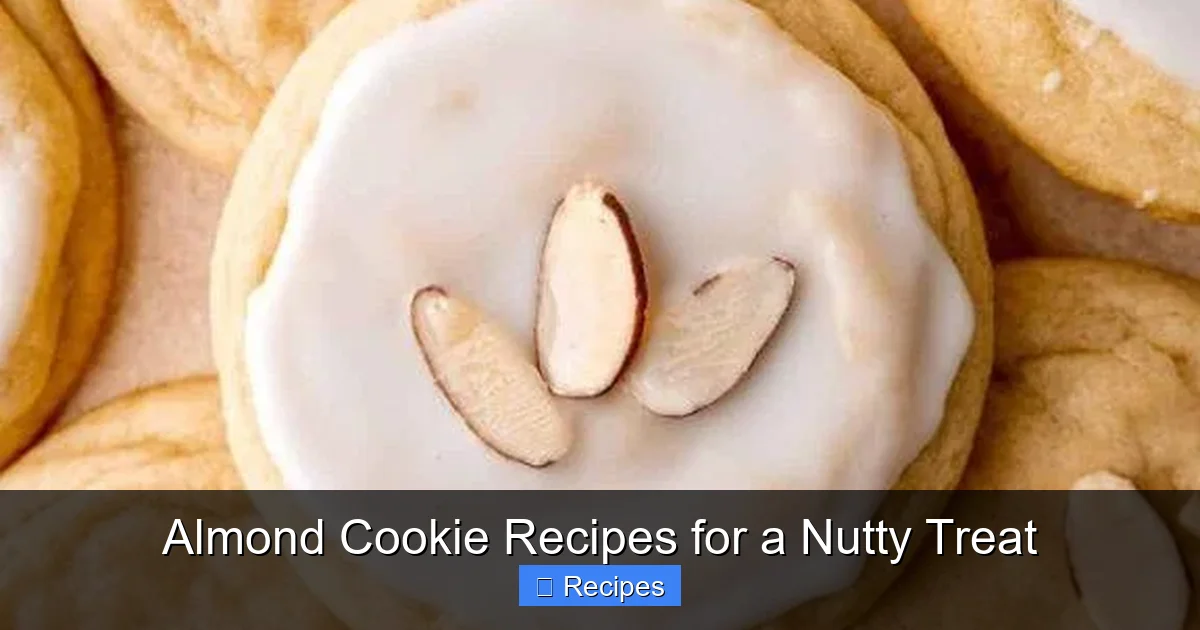
Visual guide about Almond Cookie Recipes for a Nutty Treat
Image source: panmastery.com
The Star: Almond Products
Your choice here defines the cookie’s character. Almond extract is the most common and economical choice, offering a pure, intense almond flavor. Always use pure extract, not imitation, for the best taste. Almond paste (found in the baking aisle) is denser and sweeter, creating a chewier, more substantial cookie. Almond flour/meal (finely ground blanched almonds) adds moisture, a tender texture, and a mild, nutty flavor. It’s perfect for a rustic, flourless-style cookie. You can also use finely chopped toasted almonds for texture and a burst of nuttiness.
The Supporting Cast: Fats, Sugars, and Flour
Butter is the traditional fat, providing richness and aiding in creaming. For a dairy-free option, high-quality vegan butter or refined coconut oil (solid) can work, but the flavor profile will change. Sugars play a dual role: white sugar promotes crispness and spread, while brown sugar (light or dark) adds moisture, chewiness, and a hint of caramel. The ratio between them controls texture. All-purpose flour is standard, but for a gluten-free version, a 1:1 gluten-free flour blend or more almond flour can be substituted, often with the addition of a binder like xanthan gum. Eggs provide structure and moisture; one large egg is typical. For a richer dough, some recipes use an extra egg yolk.
Leaveners and Enhancers
Baking soda is the most common leavener, reacting with moisture and acid (if present) to create lift and spread. Baking powder offers a more controlled, double-acting rise. Salt is non-negotiable—it heightens all the other flavors, including the almond. A pinch of flaky sea salt on top before baking is a glorious finish. Finally, a touch of vanilla extract rounds out the flavor, complementing the almond without competing.
Mastering the Technique: From Bowl to Baking Sheet
Technique is what separates a good cookie from a great one. Small adjustments in mixing, chilling, and baking can dramatically alter the outcome.
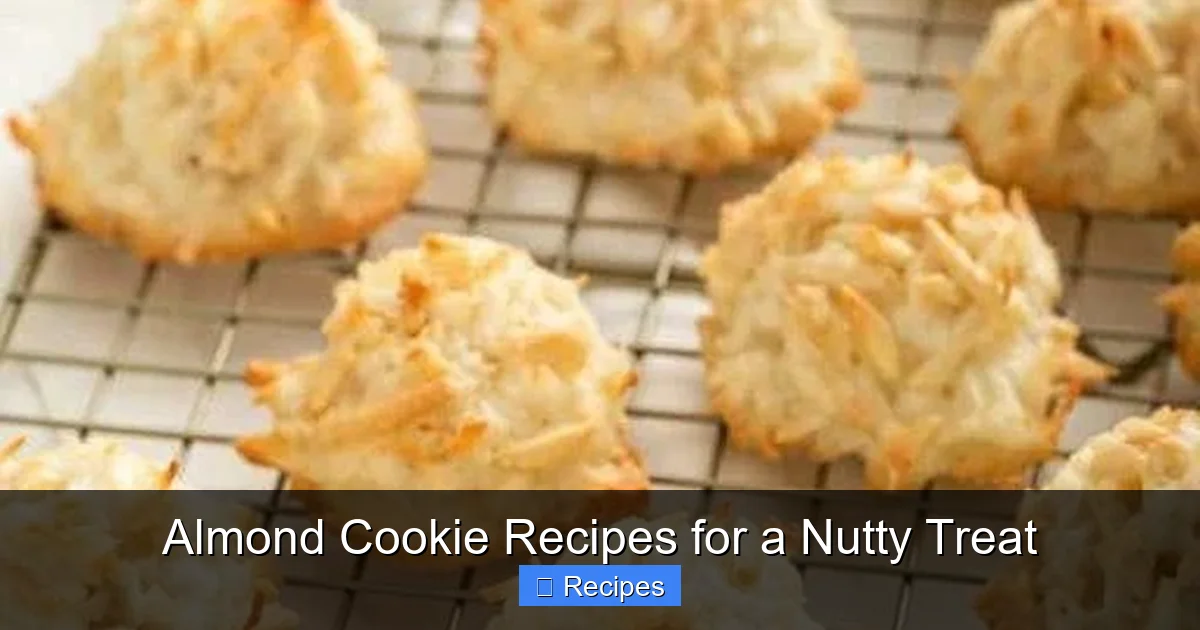
Visual guide about Almond Cookie Recipes for a Nutty Treat
Image source: panmastery.com
Creaming: The First Crucial Step
The instruction to “cream butter and sugar until light and fluffy” is more than a suggestion. This process incorporates air into the fat, which expands during baking to create a lighter texture. Use an electric mixer on medium-high speed for 2-3 minutes. Scrape the bowl down halfway through. The mixture should be noticeably paler and have a soft, whipped consistency. This step is vital for crispier, more tender cookies.
The Importance of Chilling Dough
Chilling is arguably the most important step for flavor and texture development. It does three things: 1) Solidifies the butter, preventing excessive spread and resulting in a thicker, chewier center. 2) Allows the flour to fully hydrate, preventing graininess. 3) Gives the flavors time to meld and deepen. For most recipes, at least 1 hour of chilling is ideal, but overnight is the gold standard. If you’re short on time, 30 minutes is better than none. You can even scoop the dough balls first, then chill them on a tray before transferring to a bag for storage.
Baking to Perfection
Always preheat your oven fully. Use the middle rack for even heat. Bake until the edges are golden and set, but the centers still look slightly soft and underdone. They will continue to cook on the hot baking sheet. For crispier cookies, bake a minute or two longer. For chewier cookies, pull them out when the centers are just set but still pale. Let cookies cool on the baking sheet for 5 minutes before transferring to a wire rack. This allows them to set properly and prevents breaking.
Spectacular Almond Cookie Recipes to Try
Now for the fun part! Here are four distinct almond cookie recipes that showcase different textures and uses of almond products. Each is tested and perfected.
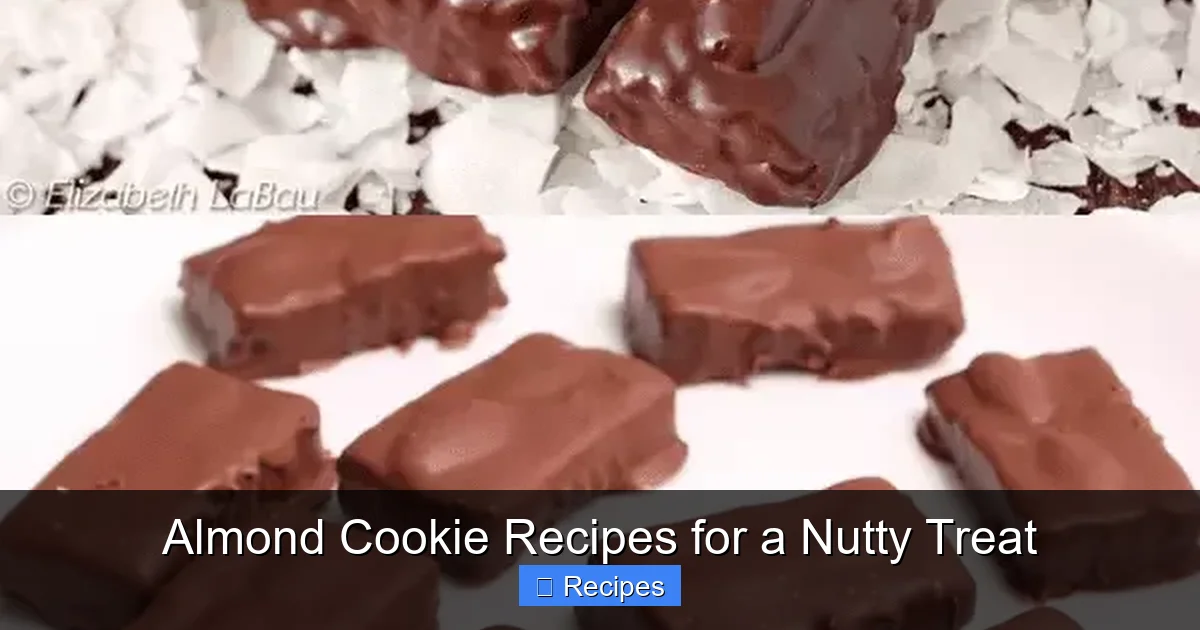
Visual guide about Almond Cookie Recipes for a Nutty Treat
Image source: crazylaura.com
Recipe 1: Classic Chewy Almond Butter Cookies
These are deeply almond-flavored, with a satisfyingly chewy center and crisp edges. The almond butter and extract create a double layer of nuttiness.
- Ingredients: 1 cup (2 sticks) unsalted butter, softened; 3/4 cup granulated sugar; 1/2 cup packed light brown sugar; 1/2 cup creamy almond butter; 2 large eggs; 1 tsp pure almond extract; 1 tsp vanilla extract; 2 cups all-purpose flour; 1 tsp baking soda; 1/2 tsp salt; 1 cup sliced or slivered almonds, toasted (optional).
- Method: Cream butter and both sugars until light, about 3 minutes. Beat in almond butter, then eggs one at a time, then extracts. Whisk flour, baking soda, and salt together in a separate bowl. Gradually add to wet mixture on low speed until just combined. Stir in toasted almonds if using. Chill dough for at least 2 hours. Preheat oven to 350°F (175°C). Scoop 2-tablespoon balls onto parchment-lined sheets. Bake for 10-12 minutes, until edges are golden. Cool on sheet 5 min, then transfer.
Recipe 2: Crisp & Delicate Almond Lace Cookies
These are ethereal, wafer-thin, and lacy with a rich, buttery almond flavor. They are fragile and elegant, perfect with a cup of tea.
- Ingredients: 1/2 cup (1 stick) unsalted butter; 1/2 cup granulated sugar; 1 large egg white; 1 tsp almond extract; 3/4 cup all-purpose flour; 1/4 cup finely ground almonds or almond flour.
- Method: Melt butter and let cool slightly. In a bowl, whisk melted butter, sugar, egg white, and extract until smooth. Sift in flour and ground almonds, stirring until just combined. Chill dough for 30 minutes. Preheat oven to 325°F (160°C). Drop teaspoonfuls of dough onto a *parchment-lined* baking sheet, spacing them 3 inches apart (they spread a lot!). Bake for 8-10 minutes, until golden brown around the edges. Let cool completely on the sheet; they crisp up as they cool. Carefully peel off parchment.
Recipe 3: Gluten-Free Almond Flour Shortbread Cookies
With just three ingredients, these are impossibly simple, rich, and crumbly. The pure almond flavor shines through without any wheat flour interference.
- Ingredients: 2 cups (200g) almond flour (not almond meal, use fine blanched); 1/2 cup (1 stick) unsalted butter, softened; 1/4 cup granulated sugar.
- Method: In a food processor, pulse almond flour and sugar to combine. Add softened butter and process until a dough ball forms. If mixing by hand, use a pastry cutter or fingers. Chill dough for 1 hour. Preheat oven to 300°F (150°C). Roll dough between two sheets of parchment paper to 1/4-inch thickness. Cut with a cookie cutter. Transfer cut-outs (on their parchment bottom) to a baking sheet. Bake for 15-18 minutes, until just golden at edges. Cool on sheet.
Recipe 4: Marzipan-Stuffed Chocolate Chip Almond Cookies
For the ultimate indulgence, a core of sweet marzipan is hidden inside a classic chocolate chip cookie dough with a hint of almond extract.
- Ingredients for cookies: 1 cup (2 sticks) butter, softened; 3/4 cup each granulated & brown sugar; 2 eggs; 2 tsp vanilla; 1 tsp almond extract; 2 1/2 cups flour; 1 tsp baking soda; 1 tsp salt; 2 cups semisweet chocolate chips; 1 cup chopped toasted almonds.
- For filling: 7 oz marzipan (store-bought or homemade), cut into 1/2-inch cubes.
- Method: Cream butter and sugars. Beat in eggs, vanilla, and almond extract. Whisk dry ingredients together, add to wet. Stir in chips and almonds. Chill dough 1 hour. Preheat oven to 350°F (175°C). To assemble, take a tablespoon of dough, flatten it, place a marzipan cube in the center, and wrap dough around it, sealing completely. Place on sheet. Bake 10-12 minutes. Cool on sheet 5 min.
Troubleshooting Common Cookie Conundrums
Even with the best recipe, things can go awry. Here’s how to fix the most common issues with almond cookie recipes.
Why Are My Cookies Spreading Too Much?
This is the most frequent problem. Causes: butter was too soft or melted; dough wasn’t chilled; oven temperature is too low; too much sugar (especially white). Solution: Ensure butter is softened at room temperature, not greasy. Chill dough thoroughly (2+ hours). Use an oven thermometer to verify temperature. Measure flour accurately to avoid a wet dough.
Why Are My Cookies Dry and Crumbly?
Usually an issue of too much flour or over-baking. Causes: flour scooped directly from the bag (packed); dough was over-mixed; baked too long. Solution: Use the “spoon and level” method for flour or a scale. Mix dry and wet ingredients just until combined. Pull cookies out when edges are set but centers look soft. They will firm up on the sheet.
Why Is My Almond Flavor So Subtle?
Almond extract is volatile and can bake out if exposed to high heat for too long. Solution: Add the extract at the very end of mixing, after the eggs. For a more robust flavor, use a combination—1/2 tsp extract plus 1/4 cup almond flour or 2 tbsp almond paste. You can also brush warm cookies with a simple syrup infused with almond extract after baking.
Serving, Storing, and Gifting Your Almond Creations
Perfect cookies deserve perfect presentation and care.
Serving Suggestions
Classic almond cookies are stunning on their own. For a special touch, drizzle cooled cookies with a simple icing (powdered sugar + milk/lemon juice) or dip half in melted chocolate. They pair wonderfully with espresso, milk, or a sweet dessert wine like Moscato. Crumbled, they make an excellent topping for ice cream or yogurt parfaits.
Storage for Longevity
Store completely cooled cookies in an airtight container at room temperature for up to 1 week. Place a sheet of parchment paper between layers to prevent sticking. For longer storage, freeze baked cookies in a single layer on a tray, then transfer to a freezer bag for up to 3 months. Thaw at room temperature. You can also freeze the dough balls on a tray, then store in a bag. Bake straight from frozen, adding 1-2 minutes to the bake time.
Gifting Ideas
Almond cookies make exceptional homemade gifts. Package 3-4 cookies in a cellophane bag tied with ribbon. Place bags in a decorative box or tin. For a rustic look, use parchment paper and twine. Include a small card with the cookie name and any allergen info (nuts!). They travel well and don’t require refrigeration, making them ideal for mailing or taking to a party.
Conclusion: Embrace the Nutty Adventure
The world of almond cookie recipes is vast and rewarding, offering a delightful spectrum from simple to sophisticated. These cookies are more than just a sweet bite; they are a celebration of a timeless flavor that bridges cultures and occasions. Armed with the knowledge of key ingredients, essential techniques, and a few stellar recipes, you are now equipped to bake with confidence. Don’t be afraid to experiment—swap in a bit of almond flour, add a zest of orange, or press a whole almond into the top before baking. The journey of discovery is half the fun. So, preheat your oven, gather your almonds, and fill your kitchen with that heavenly, nutty aroma. Your perfect, personalized almond cookie awaits.
Frequently Asked Questions
Can I substitute almond flour for all-purpose flour in any cookie recipe?
Not directly. Almond flour lacks gluten, which provides structure. Substituting 1:1 will result in a dense, greasy cookie. You can often replace 1/4 to 1/3 of the all-purpose flour with almond flour for a nutty flavor and tender texture. For fully gluten-free cookies, you need a dedicated gluten-free flour blend or a recipe specifically designed for almond flour, like the shortbread recipe above.
How do I make my almond cookies chewier versus crispier?
For chewier cookies: Use more brown sugar than white sugar, include an extra egg yolk, and under-bake them slightly (edges set, center soft). Also, ensure you chill the dough. For crispier cookies: Use more white sugar, use all butter (not shortening), bake a minute or two longer until golden all over, and let them cool completely on the sheet to crisp up.
What’s the difference between almond paste and marzipan?
Almond paste is less sweet and has a coarser texture, made from ground almonds, sugar, and sometimes a binding agent like syrup or egg whites. Marzipan is sweeter, smoother, and pliable, often used for sculpting. It has a higher sugar content. For baking, almond paste is generally preferred for its more balanced, less cloying flavor, but marzipan can be used for a sweeter, denser result.
My almond cookies taste bland. How can I boost the almond flavor?
First, ensure you’re using pure almond extract, not imitation. Add the extract at the very end of mixing to prevent it from baking off. Boost flavor by incorporating 1/4 cup of almond flour or 1-2 tablespoons of almond paste into the dough. A final brush of warm cookies with a simple syrup infused with a drop of almond extract also intensifies the flavor dramatically.
Can I make vegan almond cookies?
Yes! Replace the butter with an equal amount of refined coconut oil (solid) or high-quality vegan butter stick. Use a “flax egg” (1 tbsp ground flaxseed + 3 tbsp water, set 5 min) or a commercial egg replacer for each egg. Ensure your chocolate chips are dairy-free. The texture may be slightly different, but the almond flavor will shine through.
Can I freeze almond cookie dough? How long does it last?
Absolutely, and it’s a great idea for fresh-baked cookies anytime. Scoop the dough into balls, place on a parchment-lined tray, and freeze until solid (about 1 hour). Transfer the frozen dough balls to an airtight freezer bag, squeezing out excess air. They will keep for up to 3 months. Bake from frozen, adding 1-2 extra minutes to the baking time—no need to thaw.
Pingback: Any Changes Needed for Using Almond Flour Instead of Regular Flour - kitchenandhouseware.com