How To Store Coffee Filters is an essential topic that provides valuable insights and practical knowledge for anyone interested in learning more about this subject.
Key Takeaways
- Keep filters dry: Moisture causes mold and ruins coffee taste.
- Use airtight containers: Blocks contaminants and odor absorption.
- Store away from sunlight: UV rays degrade filter integrity over time.
- Maintain a cool space: Heat accelerates staleness and oil residue.
- Avoid strong odors: Filters absorb smells, altering coffee flavor.
- Stack properly: Prevents creasing for consistent brewing results.
- Original packaging works: It offers designed protection and easy access.
📑 Table of Contents
- Why Your Coffee Filter Storage Habits Matter More Than You Think
- Storing Paper Coffee Filters: The Delicate Art of Keeping Them Dry and Ready
- Storing Reusable Coffee Filters: A Different Set of Rules for Metal and Cloth
- The Four Main Enemies of Coffee Filter Purity: Moisture, Odors, Heat, and Pests
- Common Storage Mistakes (and How to Avoid Them)
- Pro Tips, Travel Hacks, and When to Replace Your Filters
- Conclusion: A Simple Habit for a Superior Cup
Why Your Coffee Filter Storage Habits Matter More Than You Think
Let’s be honest: when you’re half-asleep and fumbling for your morning coffee ritual, the last thing on your mind is how you stored your coffee filters. You just want that glorious, hot cup of joe to happen. But what if I told you that a simple storage mistake could be secretly sabotaging your brew? It’s true. The humble coffee filter, whether it’s a delicate paper cone or a sturdy metal mesh, is more than just a passive tool. It’s a direct line between your ground coffee and your cup, and how you store it when not in use has a huge impact on flavor, hygiene, and even your wallet. I learned this the hard way after a particularly musty-tasting pot led me on a deep dive into filter storage science. This isn’t just about tidiness; it’s about preserving the soul of your coffee. Let’s explore the simple, smart ways to store coffee filters correctly.
Storing Paper Coffee Filters: The Delicate Art of Keeping Them Dry and Ready
Paper filters are the most common, and they’re also the most vulnerable. Their entire purpose is to absorb oils and trap fine grounds, which means their porous structure is a double-edged sword. They’re designed to let water through, but they can also happily absorb moisture and odors from the air if you’re not careful. The goal here is to maintain their structural integrity and neutrality until the moment hot water hits them.
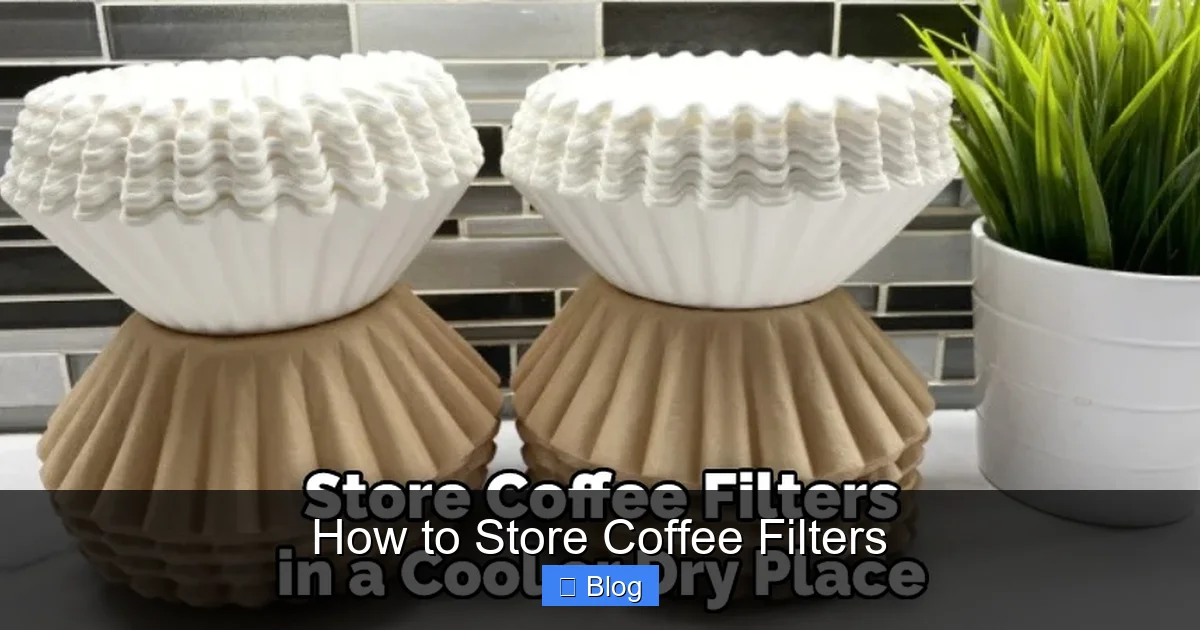
Visual guide about How to Store Coffee Filters
Image source: thekitchenix.com
The Original Packaging: Your First Line of Defense
The box or bag your filters came in isn’t just for shipping. It’s engineered to be a decent barrier against ambient humidity and kitchen smells. If you store your filters in their original packaging, you’re already on the right track. Keep the box sealed tightly. For bags with a zip-lock closure, press all the air out before sealing. This simple habit creates a micro-environment that protects the filters. It’s the easiest method and requires zero extra equipment.
Upgrading to Airtight Containers: The Gold Standard
If you want to go pro, transfer your paper filters to a truly airtight container. Think glass jars with rubber seals (like mason jars), high-quality plastic food storage containers, or dedicated coffee canisters. Why is this better? Because most original packaging isn’t 100% airtight over long periods. An airtight container creates a fortress against moisture and odor intrusion. It also makes it easy to see how many filters you have left and keeps them from getting crushed. Pro tip: add a food-safe desiccant packet (the kind that comes with new shoes or electronics) to the bottom of the container. It’s a tiny addition that actively pulls any stray moisture away from your filters.
Location, Location, Location: Where to Place Your Container
Even in a sealed container, where you put it matters. Avoid storing your paper filters above the stove or near the dishwasher, where heat and steam rise. A cool, dark cupboard or pantry shelf is ideal. Direct sunlight can degrade the paper over time and potentially affect its performance. Think of it like storing fine parchment—it needs a stable, dry, dark home.
Storing Reusable Coffee Filters: A Different Set of Rules for Metal and Cloth
Reusable filters—typically made of metal (like stainless steel) or cloth (like cotton or hemp)—are fantastic for reducing waste, but they come with their own storage challenges. Their main enemy isn’t moisture absorption in the same way as paper; it’s residual coffee oils and moisture that can lead to rancidity, mold, or off-flavors if not handled properly. The mantra here is: completely dry and clean.
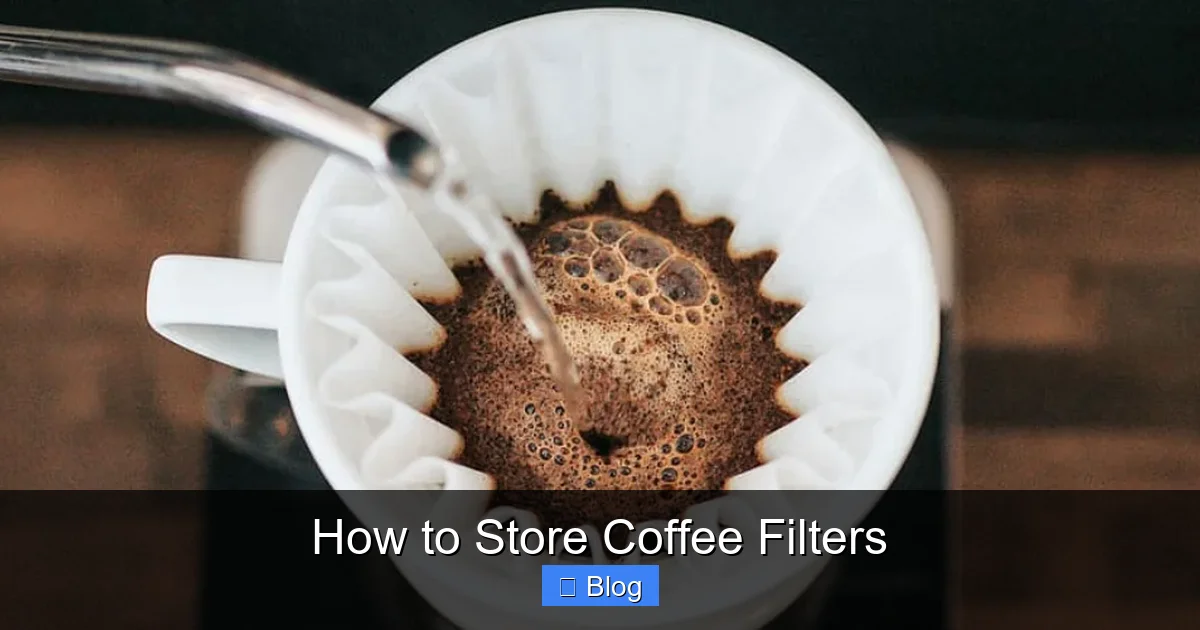
Visual guide about How to Store Coffee Filters
Image source: thekitchenix.com
The Critical Step: Thorough Drying is Non-Negotiable
After washing your metal or cloth filter, you must ensure it is bone dry before storing. Any lingering water is an open invitation for mold or mildew. For metal filters, shake off excess water and place them on a drying rack or clean towel. You can even speed up the process with a quick pass under a low-heat setting on a hairdryer. For cloth filters, wring them out thoroughly and hang them in a well-ventilated area, away from direct sunlight which can degrade the fibers. Never store a damp cloth filter in a drawer; it will sour quickly.
Storage Solutions for Metal Filters
Once completely dry, metal filters are fairly low-maintenance. You can simply leave them on a hook by your coffee station, place them in a utensil holder, or store them in a drawer with other coffee tools. The key is air circulation. If you prefer to store them in a drawer to keep things tidy, ensure the drawer isn’t a humid environment (e.g., not above a steaming dishwasher). Some people place a small paper towel inside the folded metal filter to absorb any trace moisture during storage—a clever hack.
Caring for Cloth Filters: The Most High-Maintenance Option
Cloth filters need the most love. After drying, you can store them in a clean, dry glass jar or a paper bag (plastic bags can trap condensation). Some coffee aficionados recommend storing cloth filters in a small container with a pinch of baking soda to absorb any lingering odors. Crucially, cloth filters should be “cured” occasionally by brewing a pot of coffee with just hot water and a bit of vinegar to strip built-up oils, then rinsed and dried thoroughly. Their storage life is shorter than paper or metal; they will eventually need replacing as fibers break down and retain flavors.
The Four Main Enemies of Coffee Filter Purity: Moisture, Odors, Heat, and Pests
Understanding what you’re protecting your filters from is half the battle. These four environmental factors are the primary culprits behind ruined filters.
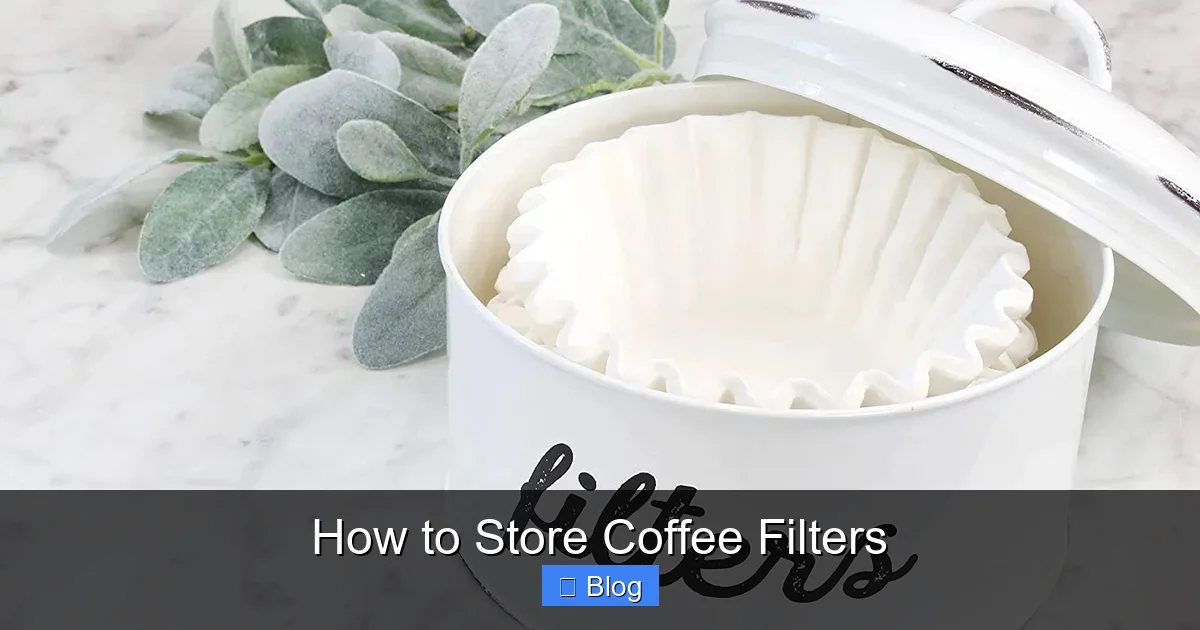
Visual guide about How to Store Coffee Filters
Image source: storables.com
1. Moisture: The Silent Saboteur
Moisture is public enemy number one. For paper filters, it causes them to stick together, making them difficult to separate and use. More critically, it creates a breeding ground for mold and mildew, which can produce musty, earthy off-flavors that will ruin your coffee. For reusable filters, as noted, residual moisture leads to souring oils and mold. The defense is a multi-layered approach: airtight storage, desiccants, and ensuring filters are 100% dry before stashing them away.
2. Odors: The Unwanted Flavor Thieves
Paper filters are like sponges for smells. Storing them near strong spices (like cumin or curry powder), onions, garlic, or cleaning supplies can result in your morning cup tasting strangely spiced or chemical. This is because the cellulose in paper readily absorbs volatile organic compounds from the air. Airtight containers are your best friend here. Also, never store coffee filters in the refrigerator alongside pungent foods like leftovers or cheese.
3. Heat and Sunlight: The Gradual Degraders
While a short time in a warm kitchen is fine, prolonged exposure to heat and direct sunlight can degrade paper fibers, making them more brittle and potentially affecting their porosity. For cloth filters, UV light can weaken the fibers. Store all filters in a cool, dark cupboard. A spot near a sunny window or on top of a warm appliance is a no-go.
4. Pests: The Uninvited Guests
This is a less common but serious issue, especially in certain climates. Paper filters, being a cellulose product, can attract pantry pests like weevils or grain moths if stored improperly. The solution is the same as for dry goods: use airtight containers. Never store paper filters in a loosely folded bag in the back of a pantry. The original box inside a sealed canister or jar provides excellent protection.
Common Storage Mistakes (and How to Avoid Them)
Even with good intentions, it’s easy to fall into traps that compromise your filters. Let’s debunk some common errors.
The Fridge and Freezer Fallacy
You might think putting paper filters in the fridge or freezer keeps them fresh. This is a myth and often a bad idea. Refrigerators are humid environments full of diverse food odors that paper filters will eagerly absorb. Freezers can cause condensation to form on the filters when you take them out, instantly wetting them. Unless you are using a vacuum-sealed bag specifically designed for freezer storage (which is overkill for most), keep your paper filters at stable room temperature in an airtight container.
Neglecting Reusable Filter Drying
The number one mistake with metal and cloth filters is putting them away while still damp. It’s a rushed step after washing, but it’s critical. Make it a non-negotiable part of your cleaning routine: wash, rinse, and then air dry completely for at least an hour before storage. For cloth, consider giving it an extra spin in a salad spinner to remove more water before hanging.
Using the Wrong Container
Not all containers are created equal. A decorative tin or a cardboard box left open offers minimal protection. A plastic bag with a twist-tie isn’t airtight. Invest in containers with reliable seals. For paper filters, a glass jar with a clamp-lid or a plastic container with a locking mechanism and silicone gasket is ideal. For reusable filters, a simple dry drawer is fine, but ensure that drawer itself isn’t in a humid location.
Pro Tips, Travel Hacks, and When to Replace Your Filters
Once you’ve mastered the basics, here are some advanced strategies and important lifecycle considerations.
Vacuum Sealing for Long-Term or Bulk Storage
If you buy coffee filters in bulk (a great way to save money), consider vacuum sealing portions of them. Using a home vacuum sealer and bags, you can create individual, perfectly protected packets. This is the ultimate defense against moisture, odors, and pests. You can store these sealed packs in a cupboard for months with zero quality degradation. Just open one pack at a time.
Travel and Camping Storage Solutions
For coffee on the go, pre-portioning is key. For paper filters, place individual filters in small, resealable baggies (like snack bags) and then put those inside a larger, more robust container to prevent crushing. For a metal filter, ensure it’s bone dry, then wrap it in a clean cloth napkin or store it in a small padded case to protect it from bending in your backpack. The goal is to maintain dryness and physical protection.
How to Tell If Your Filters Are Compromised
Paper filters should be flexible, white (or their natural color), and odorless. If they feel damp, sticky, or clump together, discard them. If you see any spots of mold (fuzzy white, green, or black growth) or smell a musty, cardboard-like odor, toss the entire box. For reusable metal filters, look for any signs of rust or pitting. For cloth filters, look for thinning, persistent sour smells even after washing, or dark staining that won’t come out. When in doubt, throw it out. A bad filter can ruin a whole pot of good coffee and is not worth the risk.
Conclusion: A Simple Habit for a Superior Cup
Storing your coffee filters properly is one of those small, almost invisible habits that pays massive dividends in your daily coffee experience. It’s about respect—for the coffee itself, for the process, and for your own senses. By keeping paper filters dry, sealed, and odor-free in a cool, dark place, you ensure they do their job of pure filtration without adding unwanted flavors. By diligently drying and storing reusable filters, you extend their life and maintain a clean, neutral brewing surface. It’s a two-minute investment that protects your coffee from moisture, odors, heat, and pests. So, take a moment to look at how you’re currently storing your filters. Are they in a flimsy bag on the counter? Are you tossing a damp metal filter into a drawer? Make one small change today—get an airtight jar, add a drying step to your routine—and taste the difference in your very next cup. Your future, better-tasting self will thank you.
Frequently Asked Questions
What’s the best way to store coffee filters to keep them fresh?
The best method is to keep coffee filters in their original, sealed packaging or transfer them to an airtight container. This protects them from moisture and ambient odors that can affect taste, ensuring a clean brew every time.
Can I store coffee filters in the refrigerator or freezer?
Storing coffee filters in the refrigerator or freezer is not recommended. Condensation can form when you remove them, introducing moisture that weakens the filter and risks imparting off-flavors from other stored foods.
How do I store coffee filters long-term?
For long-term storage, place unopened boxes in a cool, dry, and dark pantry or cupboard away from heat sources. Once opened, immediately transfer the remaining filters to a resealable bag or rigid container with a tight seal.
Is it okay to leave coffee filters in their original box?
Yes, an unopened, factory-sealed box of coffee filters is perfectly fine for storage. However, once you open the box, the inner plastic or wax-lined wrapper offers limited protection, so transferring the filters to a more airtight solution is better.
Can I use any container to store my coffee filters?
You can use any clean, dry, airtight container, such as a plastic bin or glass jar. Just ensure the container is odor-free, as coffee filters can absorb strong smells from their environment, which may transfer to your coffee.
How should I store coffee filter refill packs?
Treat coffee filter refill packs the same as a new box. Keep the unopened pack in a stable environment. After opening, use a clip to seal the bag tightly or pour the remaining filters directly into your permanent, airtight storage container.

Pingback: Can You Freeze Coffee Grounds - kitchenandhouseware.com