That black gunk on your cast iron isn’t necessarily ruined—it’s often just uneven or built-up seasoning. The key is distinguishing between harmful residue and a healthy patina. You can safely remove stubborn, flaky, or sticky black buildup using gentle methods like a salt scrub, boiling water, or a vinegar soak, followed by a thorough re-seasoning process. Never use harsh abrasives or dish soap regularly, as this destroys the protective layer. Proper immediate cleaning after each use is the ultimate prevention strategy, ensuring your skillet lasts generations.
You pull your beloved cast iron skillet from the cabinet, ready to cook, and your heart sinks. There it is: a dark, crusty, uneven patch of black gunk. It’s not the smooth, sleek, non-stick patina you worked hard to build. It feels rough, maybe even a little sticky. Is it ruined? Did you ruin it? Take a deep breath. This is one of the most common—and most fixable—issues in the world of cast iron care. That black residue is almost always just a case of uneven seasoning or carbonized food particles, not a terminal problem. This guide will walk you through exactly how to identify what you’re dealing with and, most importantly, how to clean that black residue off your cast iron skillet safely and effectively, restoring it to its former glory. We’ll cover everything from the gentle daily scrub to tackling the toughest build-ups, all while preserving the precious seasoning that makes cast iron so special.
Key Takeaways
- Residue vs. Seasoning: Not all black stuff is bad. A smooth, glossy, non-stick black layer is *good* seasoning. Bad residue is uneven, flaky, sticky, or food-like.
- Gentle is the Rule: Always start with the mildest method (hot water and stiff brush). Harsh scrubbing or chemicals strip seasoning and cause rust.
- The Salt Scrub is Your Best Friend: Coarse kosher salt acts as a gentle, effective abrasive that cleans without damaging the pan’s surface.
- Immediate Cleaning is Critical: Clean your skillet while it’s still warm (not scalding) after every use to prevent residue from forming in the first place.
- Re-seasoning is the Final Step: After removing stubborn residue, you must re-season the pan with oil to rebuild a protective, non-stick layer.
- Prevention Through Proper Care: Avoid soaking, use proper cooking oils, and store correctly to maintain a perfect seasoning and prevent future buildup.
📑 Table of Contents
Understanding the Beast: What Is That Black Residue?
Before we grab a scrubber, we need to understand our opponent. Not all black on a cast iron pan is created equal. Confusing a healthy seasoning layer with problematic residue is the first mistake many people make.
The Good Black: Polymerized Seasoning
Seasoning is the magical, non-stick, rust-proof coating that makes cast iron usable. It’s created when oil (or fat) is heated to its smoke point and chemically bonds to the porous iron surface, polymerizing into a hard, smooth, blackish layer. Good seasoning is uniform, glossy, and feels smooth to the touch. It’s not perfectly black—it often has a rich, dark brown or charcoal hue—but it’s evenly distributed and doesn’t flake off. This is the goal. You want more of this, not less.
The Bad Black: Carbonized Residue & Uneven Buildup
This is the stuff you’re likely trying to remove. It’s the result of:
- Incomplete Cleaning: Food particles that weren’t fully scrubbed off get cooked onto the pan repeatedly, carbonizing into a hard, crusty layer.
- Using Too Much Oil: When seasoning, excessive oil that doesn’t fully polymerize can leave a sticky, tacky, or gummy black residue.
- Cooking at Too Low a Heat: Cooking foods that require high heat (like steaks) at a lower temperature can cause proteins and sugars to burn onto the surface rather than sear cleanly.
- Acidic Foods: Long-simmered tomato sauces or vinegar-based dishes can break down seasoning unevenly, leaving patchy, dull spots that attract more debris.
Bad residue is often: flaky or scaly, sticky or gummy, uneven in patches, rough to the touch, or smells like burnt food. It doesn’t contribute to non-stick properties; it hinders them.
The Golden Rule: Immediate & Proper Daily Cleaning
The single best way to deal with black residue is to prevent it from ever forming. The majority of residue problems stem from letting food sit and bond in the pan. Your post-cooking routine is non-negotiable.
Visual guide about How to Clean Black Residue Off Cast Iron Skillet
Image source: denresidence.com
The 5-Minute Post-Cook Ritual
As soon as you finish cooking, and while the pan is still warm (never scalding hot and never cold), empty any excess grease or food bits. Add a small amount of very hot water to the pan—just enough to cover the bottom. Use a stiff-bristled brush (a dedicated cast iron brush, a chainmail scrubber, or even a stiff plastic brush) to scrub the entire surface. The heat and water will loosen any bits. For stuck-on food, let it sit for a minute. Then rinse with hot water. Do not use soap. The soap won’t hurt a well-seasoned pan, but hot water and friction are almost always sufficient. Dry the pan immediately and thoroughly with a clean towel. Place it on a low burner or in a warm oven for 5-10 minutes to evaporate any lingering moisture. This simple routine, done every single time, prevents 95% of residue issues.
Tools of the Trade for Daily Cleaning
- Stiff Brush or Chainmail Scrubber: Your primary weapon. The bristles or metal rings provide the abrasion needed without being destructive.
- Hot Water: The solvent. Heat is your ally.
- Paper Towels or Clean Cloth: For the final wipe-down and drying.
- What NOT to Use Daily: Dish soap (generally unnecessary), steel wool (too abrasive), scouring pads (too abrasive), the dishwasher (catastrophic).
Tackling Stubborn, Established Black Residue
So, you skipped a few cleanings, or you inherited a pan with a mysterious crust. Don’t panic. We escalate our methods, but always with a gentle-first philosophy. The goal is to remove the bad stuff while preserving as much good seasoning as possible.
Visual guide about How to Clean Black Residue Off Cast Iron Skillet
Image source: panmastery.com
Method 1: The Salt Scrub (The Go-To Solution)
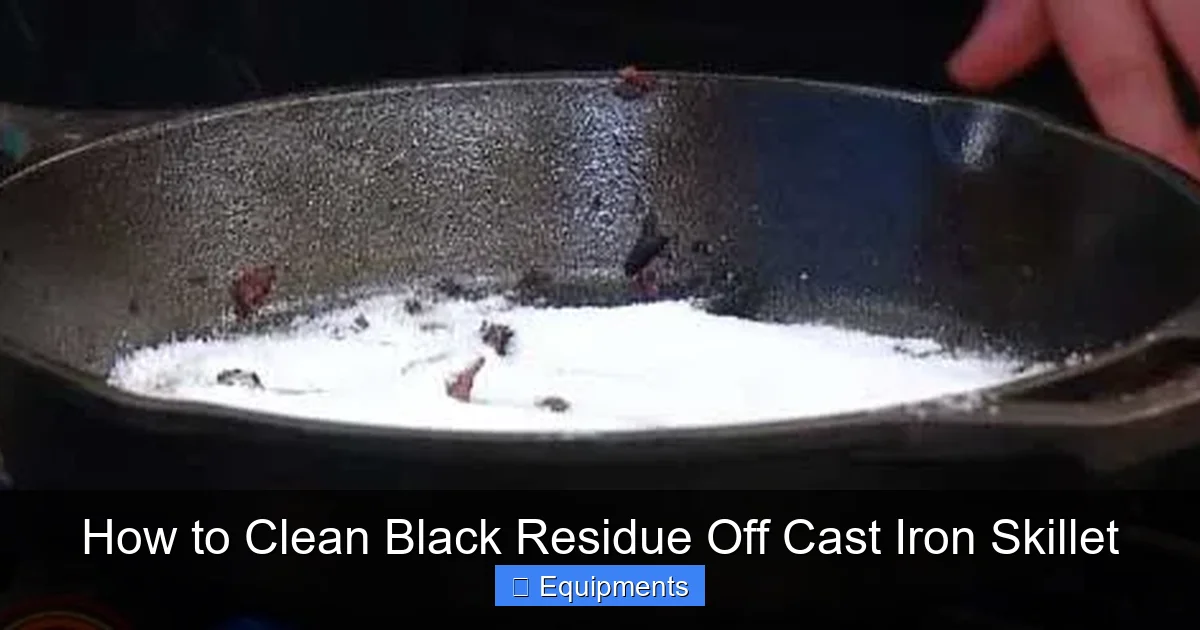
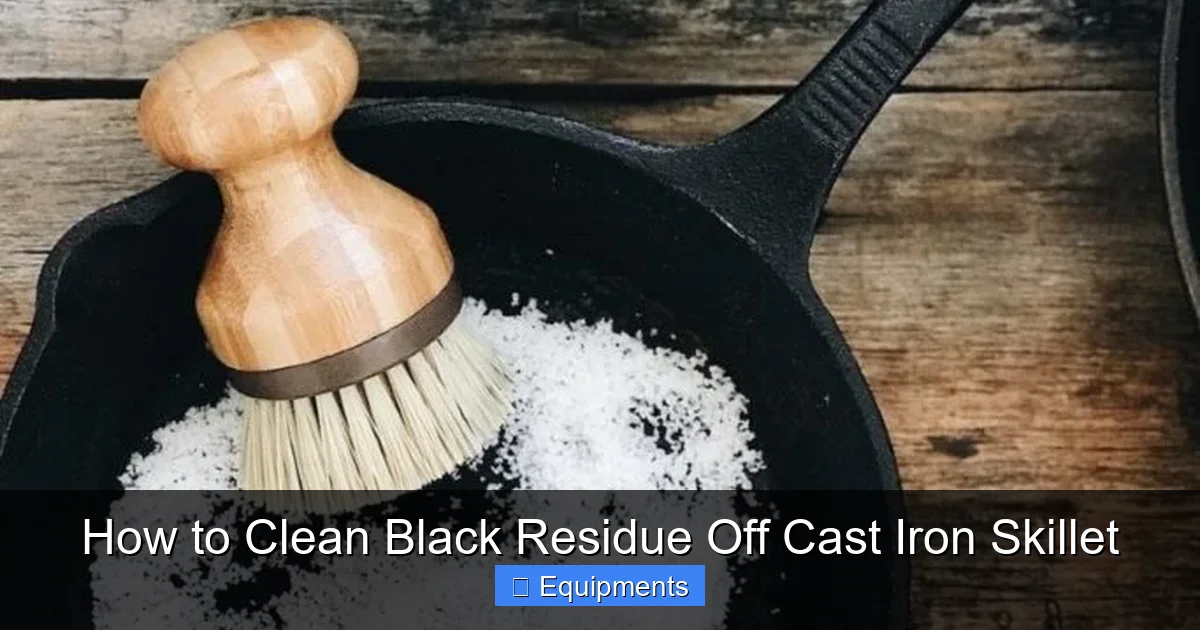
This is the classic, safest method for moderate buildup. Coarse kosher salt is a perfect abrasive—it’s hard enough to scrub but soft enough not to scratch the iron.
- Pour a generous amount of coarse kosher salt (about 1/4 cup) into the dry or slightly damp pan.
- Add a tiny splash of hot water or a few drops of oil to make a paste.
- Using a folded paper towel, a scrub pad, or your hand (with a glove), scrub the entire surface vigorously, focusing on the problem areas. The salt will turn dark as it lifts the residue.
- Rinse thoroughly with hot water. Repeat if necessary.
- Dry immediately and completely.
Why it works: The salt crystals provide a controlled, non-metallic abrasion that lifts carbonized particles without gouging the pan.
Method 2: The Boiling Water Soak (For Sticky or Gummy Residue)
This method uses heat and steam to soften sticky, oily buildup.
- Fill the skillet with enough water to cover the residue and bring it to a simmer on the stove.
- Let it simmer for 10-15 minutes. Use a wooden spoon to gently scrape at the edges as it softens.
- Remove from heat, let it cool slightly (but keep it warm), and then scrub with your stiff brush. The residue should slough off easily.
- Rinse, dry, and re-season if any bare metal is exposed.
Tip: Add a tablespoon of baking soda to the simmering water for a mild abrasive and deodorizing boost.
Method 3: The Vinegar Bath (For the Toughest, Most Carbonized Crust)
Vinegar is an acid that dissolves mineral deposits and can help break down thick, baked-on carbon. Caution: Vinegar will strip seasoning. You must re-season afterward.
- Create a 50/50 solution of white vinegar and water in a container large enough to submerge the skillet.
- Submerge the skillet (or just the affected area) for up to 1 hour. Check every 15 minutes. You’ll see the residue bubble and dissolve.
- Remove the skillet and immediately scrub with your brush and salt to remove the loosened debris.
- Rinse extremely thoroughly with water to remove all vinegar (which promotes rust).
- Dry completely and immediately proceed to the re-seasoning section below.
Warning: Do not leave the pan in vinegar for hours. Extended exposure will pit the iron.
Method 4: The Self-Cleaning Oven Trick (Nuclear Option)
This is for pans that are truly a lost cause—heavily encrusted, burnt-on layers that resist all other methods. Your oven’s self-cleaning cycle gets incredibly hot (around 900°F/480°C) and incinerates organic material.
- Place the skillet upside down in your oven. If your oven has a self-clean function, run that cycle. It will smoke heavily—ventilate your kitchen!
- After the cycle completes and the oven cools, the residue will have turned to a light, flaky ash.
- Wipe the ash out with a paper towel. You will have stripped ALL seasoning, leaving bare, gray iron.
- You must now do a full, multi-layer re-seasoning (see below).
Only use this as a last resort. It’s harsh but effective. Be prepared for the smoke and the full re-seasoning work ahead.
The Essential Follow-Up: Re-Seasoning Your Skillet
After using any of the stronger methods (vinegar, oven), or if you see bare metal spots after cleaning, you must re-season. This rebuilds the protective polymerized oil layer.

Visual guide about How to Clean Black Residue Off Cast Iron Skillet
Image source: panmastery.com
Step-by-Step Re-Seasoning Guide
- Wash & Dry: Start with a completely clean and bone-dry skillet. Any moisture will cause rust during the process.
- Apply Thin Oil: Put a few drops of a high-smoke-point oil (flaxseed, grapeseed, avocado, or refined vegetable oil are excellent) on a paper towel. Rub a very thin, almost invisible layer all over the entire pan—inside, outside, and handle. More is not better. Wipe out all excess until it looks dry. Pooling oil will become sticky.
- Heat It: Place the skillet upside down in your oven. Set the oven to 450-500°F (230-260°C). Bake for 1 hour.
- Cool & Repeat: Turn off the oven and let the pan cool inside completely. This is one layer. For a badly stripped pan, repeat this process 2-4 times, letting the pan cool completely between layers. You’re building up the seasoning.
Pro Tip: Season on a day you’re already using the oven. The repeated heating cycles are key. Your pan will get darker with each successful layer.
Prevention: Your Long-Term Skillet Maintenance Plan
An ounce of prevention is worth a pound of scrubbing. Adopt these habits to keep residue at bay forever.
Cook Smart
- Use Adequate Heat: Cast iron wants to be hot. Preheat your pan thoroughly before adding food to create a good sear and prevent sticking.
- Choose Your Fats: Use oils with a high smoke point for high-heat cooking (avocado, refined safflower, peanut). Avoid butter and extra virgin olive oil for searing—they burn easily and leave sticky residue.
- Deglaze with Care: After sautéing, deglazing with a little wine, broth, or water helps lift browned bits (fond), which you can then incorporate into a sauce. This is cleaning while you cook.
Store Correctly
Never store your skillet wet or with food in it. After cleaning and drying, you can:
- Store it plain in a dry cabinet.
- Lightly rub the cooking surface with a tiny drop of oil and buff it in for extra protection, especially in humid climates.
- Place a paper towel inside to absorb any ambient moisture.
- Never store it with the lid on unless you’ve lined it with a paper towel, as this traps moisture and causes rust.
Troubleshooting: When Things Still Go Wrong
Rust Spots Appear After Cleaning
This means you exposed bare iron to moisture. Scrub the rust off with steel wool or a scrub pad until you reach bare metal. Rinse, dry immediately, and re-season that spot (or the whole pan) as described above.
The Seasoning is Flaking Off
This is usually from using too much oil during seasoning or cooking at temperatures that exceed the oil’s smoke point repeatedly. Strip the pan back to bare metal using the salt scrub or vinegar method, then start over with a thin oil and proper heat.
It’s Still Sticky After Seasoning
You used too much oil in your seasoning layer. The pan needs to be stripped (salt/scrub) and re-seasoned with a much thinner coat. The oil should look dry to the eye before it goes in the oven.
Conclusion: Embrace the Journey
Cleaning black residue off a cast iron skillet isn’t about destroying the pan’s character; it’s about restoring its function. That perfect, heirloom-quality skillet is built and maintained through a cycle of use, gentle cleaning, and occasional re-seasoning. The black residue is just a temporary detour. By understanding the difference between good seasoning and bad buildup, committing to the hot-water-and-brush routine after every use, and knowing how to escalate to the salt scrub or vinegar bath when needed, you are not just cleaning a pan. You are performing essential maintenance on a kitchen tool that can—and will—last a lifetime, and then some. The next time you see that dark, uneven patch, don’t see a ruined pan. See an opportunity to connect with a piece of cookware history, to practice a little patience, and to earn back that glassy-smooth, perfectly non-stick surface that makes every meal taste a little better. Your cast iron’s best years are still ahead of it.
Frequently Asked Questions
Can I use regular dish soap on my cast iron skillet?
Modern mild dish soap is safe for a well-seasoned skillet and won’t strip seasoning if rinsed and dried immediately. However, it’s almost always unnecessary. Hot water and a stiff brush are sufficient for 99% of cleaning tasks and are the preferred traditional method to preserve seasoning.
Is it okay to use steel wool or a metal scrubber?
No. Steel wool and harsh metal scouring pads are too abrasive. They will scratch and dig into the seasoning layer, damaging your pan’s surface and making it more prone to rust and future sticking. Use a stiff brush, chainmail scrubber, or salt instead.
How do I know if the black stuff is seasoning or residue I need to remove?
Good seasoning is smooth, glossy, and evenly distributed. Bad residue is rough, flaky, sticky, gummy, or patchy. If food still sticks despite using oil and proper heat, you likely have problematic residue that needs gentle removal.
How often should I re-season my cast iron skillet?
You should not need to do a full re-seasoning often if you maintain it properly. You might do a light “touch-up” seasoning (one thin layer in the oven) every few months. A full multi-layer re-seasoning is only needed if you’ve stripped the pan (using vinegar or oven self-clean) or the seasoning has badly flaked off.
Can I put my cast iron skillet in the dishwasher?
Never. The dishwasher’s harsh detergents and prolonged water exposure will absolutely strip all seasoning from your pan and cause it to rust immediately. Cast iron must always be hand-washed.
What’s the difference between black residue and a healthy patina?
A healthy patina (seasoning) is a smooth, integrated, black-ish layer that is part of the pan’s surface and provides non-stick properties. Black residue is a separate, often raised layer of carbonized food or improperly polymerized oil that sits on top, feels rough or sticky, and interferes with cooking.
Pingback: How to Cook Filet Mignon in Cast Iron Skillet - kitchenandhouseware.com