A clogged dishwasher doesn’t mean a costly repair bill. You can often clear the blockage using simple, non-toxic ingredients already in your kitchen: baking soda and vinegar. This powerful duo creates a fizzing action that breaks down grime and debris, restoring proper drainage. It’s an affordable, eco-friendly first step before calling a professional.
Key Takeaways
- Safety First: Always disconnect power and avoid mixing with other cleaners to prevent hazardous reactions.
- Target the Source: Most clogs are in the filter, air gap, or drain hose—not deep within pipes.
- The Reaction Works: Baking soda (a base) and vinegar (an acid) create carbon dioxide bubbles that dislodge gunk.
- Patience is Key: Let the mixture sit for 15-30 minutes, then flush with hot water for best results.
- Prevent Future Clogs: Scrape plates, clean the filter monthly, and run hot water before starting the cycle.
- Know When to Stop: If water remains after multiple attempts, the clog may be severe or in the plumbing, requiring a pro.
- Eco-Friendly & Cheap: This method costs pennies, avoids toxic chemicals, and is safe for septic systems.
📑 Table of Contents
- The Frustration of a Clogged Dishwasher
- Understanding Your Dishwasher’s Drain System
- Why Baking Soda and Vinegar? The Science Behind the Fizz
- Step-by-Step Guide: Unclogging Your Dishwasher
- Advanced Techniques and Troubleshooting
- Prevention: Keeping Your Dishwasher Flowing Freely
- When to Call a Professional: Knowing Your Limits
- Conclusion: Empowerment Through Simple Solutions
The Frustration of a Clogged Dishwasher
You press the start button, hear the familiar hum, and then… nothing. Or worse, you see murky water pooling at the bottom of your dishwasher after a cycle. A clogged dishwasher is a common household woe that brings your kitchen routine to a screeching halt. Before you panic and call an expensive repair service, take a deep breath. The solution might be sitting in your pantry right now. Unclogging a dishwasher with baking soda and vinegar is a time-tested, natural method that works for many common blockages. It’s not a magic fix for every single problem, but it’s the safest, cheapest, and most environmentally friendly first line of defense. This guide will walk you through everything you need to know, from understanding what causes clogs to executing the method step-by-step and knowing when it’s time to seek professional help.
Understanding Your Dishwasher’s Drain System
To effectively unclog a dishwasher, it helps to understand where blockages typically occur. Your dishwasher doesn’t just magically make water disappear. It follows a specific path:

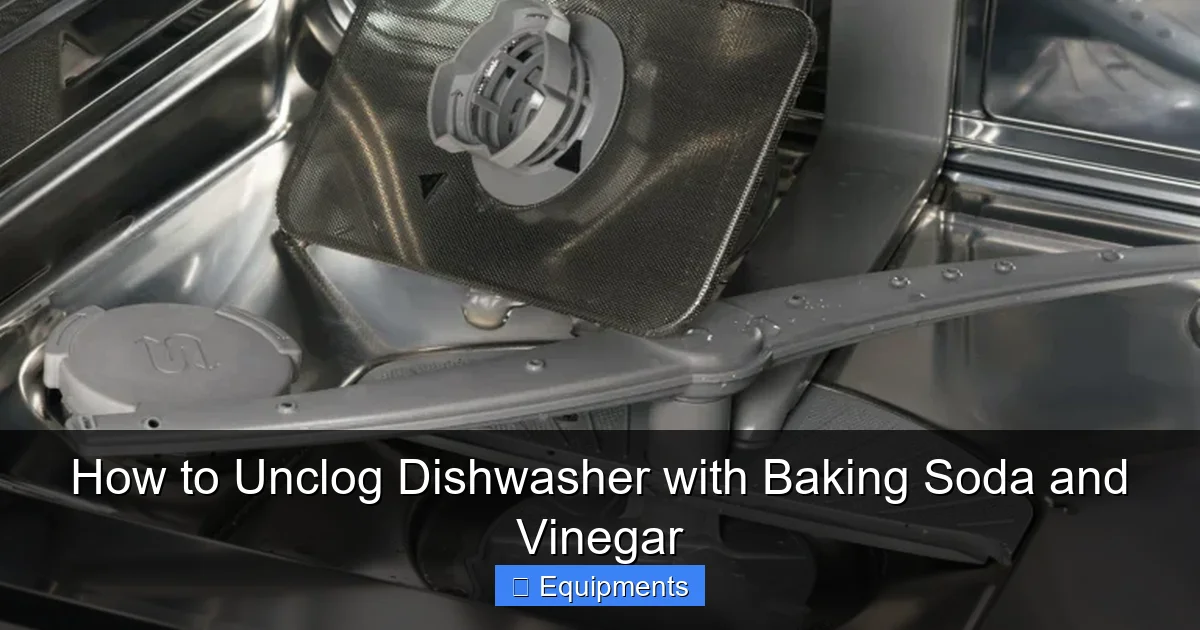
Visual guide about How to Unclog Dishwasher with Baking Soda and Vinegar
Image source: dishwasherfixer.com
The Journey of Dirty Water
After the wash and rinse cycles, water collects at the bottom of the tub. A pump pushes this water out through a filter (which catches food particles), into a drain hose, and eventually into your home’s plumbing or a garbage disposal air gap. A clog can happen at any point along this journey. The most frequent culprits are:
- The Filter: A mesh or cylindrical screen designed to catch debris. If not cleaned regularly, it becomes a solid barrier.
- The Air Gap: That small cylindrical fixture on your countertop near the faucet. It prevents backflow but can get clogged with gunk.
- The Drain Hose: The flexible tube that carries water to the sink drain or disposal. It can kink, sag, or get blocked by accumulated sludge.
- The Pump or Drain Valve: Internal components can fail or get jammed by a hard object like a seed pit or broken glass.
Most minor to moderate clogs are located in the first two areas: the filter and the air gap. This is why the baking soda and vinegar method, which works from the inside of the dishwasher tub, is so effective for these common issues. It’s always wise to consult your appliance’s manual for specific disassembly instructions, as designs vary. Some manufacturers may also outline specific maintenance procedures in their terms and conditions related to warranty coverage for improper DIY repairs.
Why Baking Soda and Vinegar? The Science Behind the Fizz
You might remember the classic volcano science project where baking soda and vinegar erupt in a spectacular froth. That same fizzy reaction is what makes this combination perfect for tackling dishwasher clogs. But it’s not just for show.
Visual guide about How to Unclog Dishwasher with Baking Soda and Vinegar
Image source: sparklingpenny.com
How the Chemical Reaction Works
Baking soda is sodium bicarbonate, a mild alkali. Vinegar is acetic acid, a weak acid. When you combine them, they undergo an acid-base reaction, producing carbon dioxide gas (the fizz), water, and sodium acetate. The bubbling action is mechanical; it agitates and loosens the sticky, greasy biofilm and food debris that constitutes most dishwasher clogs. It’s like giving the clog a tiny, internal massage.
Advantages Over Commercial Drain Cleaners
Why choose this natural duo over a bottle of caustic liquid drain cleaner?
- Safety: No toxic fumes, no risk of chemical burns on your skin, and no danger if it accidentally splashes in your eyes.
- Appliance Friendly: Harsh chemical cleaners can corrode the delicate plastic and rubber components inside your dishwasher, like seals and hoses, leading to leaks. Baking soda and vinegar are non-corrosive.
- Environmental: They are biodegradable and safe for septic systems. The runoff won’t harm the ecosystem.
- Cost: A box of baking soda and a bottle of vinegar cost pennies per use. It’s the ultimate budget-friendly hack.
- Multi-Purpose: After unclogging, the mixture leaves your dishwasher smelling fresh and can help remove minor stains.
Important Caution: Never mix baking soda and vinegar with commercial drain cleaning chemicals. The resulting reaction can be violent and release dangerous toxins. This method is for organic, food-based clogs only.
Step-by-Step Guide: Unclogging Your Dishwasher
Now, let’s get our hands dirty (well, maybe not too dirty). Follow these steps precisely for the best chance at success. Always start with safety.

Visual guide about How to Unclog Dishwasher with Baking Soda and Vinegar
Image source: sparklingpenny.com
Step 1: Preparation and Safety
First, ensure the dishwasher is off and cool. For complete safety, it’s best to turn off the dishwasher’s power at the circuit breaker. This prevents any accidental startup while you’re working. Remove all dishes from the interior. You’ll also need a few simple tools: a screwdriver (to remove the filter if needed), a cup or small bowl, and of course, baking soda and white distilled vinegar.
Step 2: Remove and Clean the Filter
This is the most critical step and often solves the problem alone. Locate your filter—it’s usually at the bottom center of the tub, under the lower spray arm. It might be a round cylinder you twist out or a rectangular mesh you lift up. Refer to your manual. Remove it carefully. You’ll likely find a nasty collection of food bits, seeds, and film. Scrape this debris into the trash. Rinse the filter thoroughly under hot running water. Use a soft brush (an old toothbrush works great) to scrub away any stubborn particles. A clean filter is essential for the vinegar and soda to reach the drain.
Step 3: Apply Baking Soda
With the filter removed and the drain area exposed, pour about 1/2 to 1 cup of baking soda directly down into the drain hole at the bottom of the tub. Try to get as much as possible into the opening. You can use a funnel or simply pour slowly. The baking soda will settle into the clog, coating the greasy surfaces.
Step 4: Add the Vinegar
Next, pour 1 to 2 cups of white distilled vinegar over the baking soda. Immediately, you should see a vigorous fizzing and bubbling action erupt from the drain. This is the reaction at work. If the fizzing seems weak, you may have poured too quickly and the reaction happened on the surface. For a deeper clean, you can mix the baking soda with a little warm water first to create a paste that sticks to the sides of the drain, then pour the vinegar over it.
Step 5: Let It Sit and Work
This is the most important part: patience. Let the bubbling mixture sit undisturbed for at least 15 to 30 minutes. For tough, old clogs, you can even let it sit overnight. The carbonation and mild acidity will continue to work its way into the clog, breaking it down.
Step 6: Flush with Hot Water
After the waiting period, it’s time to flush. Boil about 2-4 quarts of water in a kettle or pot. Carefully pour the boiling water directly into the drain hole. The hot water will wash away the dissolved grime and the leftover baking soda/vinegar solution. If your dishwasher has a “Rinse Only” or similar cycle with no heating element, you can run that, but the manual pour of boiling water is more forceful and effective.
Step 7: Reassemble and Test
Replace the clean filter securely. Turn the power back on at the breaker. Run a normal cycle (preferably a hot one) with no dishes inside. Listen for the sound of proper drainage at the end of the cycle. Check the bottom of the tub—it should be clear of standing water. If water is still pooling, repeat the entire process once more. Sometimes a second treatment is needed for a particularly stubborn clog.
Advanced Techniques and Troubleshooting
If the basic baking soda and vinegar method didn’t fully solve the problem, don’t give up yet. There are a few more targeted steps you can take before calling a pro.
Clearing the Air Gap
The air gap is that small metal or plastic cylinder on your countertop next to the faucet. It’s a common clog point. To clean it, simply lift off the cap (it usually just pops off). You’ll see a lot of gunk inside. Use a small screwdriver or stiff brush to clear out the debris. Pour a little vinegar and baking soda down into the air gap from the top, let it fizz, then flush with hot water. Replace the cap.
Checking the Drain Hose
If the dishwasher still isn’t draining, the clog might be in the hose. This step is more involved. You’ll need to access the hose, typically under the sink or behind the dishwasher. Place a shallow pan and towels under the connection point (water will spill!). Unscrew the hose clamps and disconnect the hose from both the dishwasher and the sink drain/disposal. Blow through it or use a long, flexible brush to dislodge any blockage. If the hose is damaged, kinked, or old, consider replacing it. This is also a good time to check for a high loop (the hose should be looped up high under the sink to prevent backflow).
When to Use a Plunger or Drain Snake
For a clog that feels solid and deep, you might need mechanical force. You can try plunging the dishwasher drain. First, block the air gap and any other nearby drains with wet rags. Fill the dishwasher tub with about 3-4 inches of water. Place a cup plunger (a flat one for sinks) over the drain hole and plunge vigorously. The pressure can sometimes dislodge the clog. Alternatively, a small drain snake (auger) can be fed through the drain hose after disconnection to break up the obstruction.
Prevention: Keeping Your Dishwasher Flowing Freely
An ounce of prevention is worth a pound of cure. Incorporate these simple habits to avoid future clogs and keep your dishwasher running efficiently for years.
Master the Pre-Rinse (or Lack Thereof)
Contrary to popular belief, you don’t need to pre-rinse dishes under the tap. Modern dishwashers and detergents are designed to work with some food residue. However, you must scrape off large chunks of food, bones, pasta, and vegetable peels into the trash or compost. These are the primary clog-makers. A quick scrape with a fork or napkin is sufficient.
Regular Filter Maintenance is Non-Negotiable
Make it a monthly ritual to remove, clean, and rinse your dishwasher filter. This is the single most effective preventative measure. Set a calendar reminder. A clean filter protects the entire drain system.
Mind What You Load
Some items are dishwasher no-nos. Never wash large amounts of grease or oil (it solidifies in pipes). Avoid putting expansive foods like rice or oats that can swell and block drains. Seeds (from strawberries, raspberries) and popcorn kernels are notorious for jamming pumps. Always use a rinse aid to help water sheet off dishes and reduce mineral buildup.
Run Hot Water First
Before starting your dishwasher, run the hot water tap in your kitchen sink for 30 seconds. This ensures hot water enters the dishwasher immediately, which helps dissolve detergent and grease more effectively from the very first cycle.
Monthly Deep Clean
Once a month, run an empty cycle with a cup of white vinegar placed on the top rack. Follow this with a cycle using a cup of baking soda sprinkled on the bottom. This routine helps dissolve mineral deposits, remove odors, and keep the internal system clean, reducing the chance of clogs forming.
When to Call a Professional: Knowing Your Limits
The baking soda and vinegar method is powerful, but it has its limits. There are times when DIY is not the answer and could even cause more damage. Here are the clear signs it’s time to pick up the phone.
Signs of a Major Problem
- Water is Still Pooling: After two thorough attempts with the baking soda/vinegar method and clearing the hose, the tub is still full of water.
- Gurgling or Draining Sounds: You hear the dishwasher trying to pump water out, but it gurgles and fails, suggesting a severe blockage past the air gap.
- Water Backing Up in Sink: When the dishwasher drains, water bubbles up in your kitchen sink. This indicates a clog in the shared main drain line, which is beyond the scope of appliance repair.
- Leaks: You notice water on the floor under the dishwasher. This could be a cracked drain hose, a failed pump seal, or a loose connection—problems that need expert diagnosis.
- Error Codes: Your dishwasher displays a drain error code (often “E24” on Bosch, “OE” on LG, etc.). This points to a sensor-detect issue that may be electrical or mechanical.
- Foul Odors Persist: A lingering rotten egg smell after cleaning suggests bacteria growth in a hidden, inaccessible area, possibly a failing disposal or vent.
The Warranty and Safety Factor
Attempting complex repairs, especially involving electrical components or the pump assembly, can void your appliance’s warranty. Professional technicians are trained to diagnose correctly and use the right parts. Furthermore, working with appliances involves electricity and water—a dangerous combination. If you are not 100% confident, the risk isn’t worth it. A professional can also inspect the entire system and offer advice on long-term care, which may be outlined in your ownership terms and conditions. Remember, a botched DIY fix can cost more in the long run than a service call.
Conclusion: Empowerment Through Simple Solutions
A clogged dishwasher is a nuisance, but it’s rarely a disaster. Armed with two humble pantry staples—baking soda and vinegar—you have a potent, safe, and free tool to tackle the most common drain blockages. By understanding your dishwasher’s anatomy, following the systematic cleaning process, and adopting preventive habits, you can keep this essential kitchen workhorse running smoothly for years. Start with the filter, be patient with the fizzing action, and always prioritize safety by disconnecting power. This method embodies the spirit of smart homeownership: solving problems simply, economically, and sustainably. Give it a try next time your dishwasher groans instead of drains. You’ll likely be amazed at the results.
Frequently Asked Questions
Is it safe to use baking soda and vinegar in my dishwasher?
Yes, it is completely safe for the interior components of your dishwasher. The reaction is mild and non-corrosive, unlike harsh chemical drain cleaners that can damage seals and hoses. Always ensure you rinse the filter thoroughly afterward to remove any gritty residue.
How long should I let the baking soda and vinegar sit before flushing?
For a standard clog, let the mixture sit and fizz for at least 15-30 minutes. For tougher, older buildup, allowing it to sit overnight (8+ hours) will yield much better results as the reaction has more time to break down the debris.
What if the vinegar and baking soda method doesn’t unclog my dishwasher?
If water remains after two attempts, the clog is likely deeper in the drain hose or main plumbing. You should then check and clean the air gap, inspect the drain hose for kinks or blockages, and consider using a plunger or drain snake. If these fail, it’s time to call a professional.
Can I use other household ingredients like lemon juice or bleach?
Lemon juice is acidic like vinegar and can be used similarly, but it’s more expensive. Never use bleach in your dishwasher drain. Bleach can react with residues to create toxic fumes and will corrode metal parts. It also kills the beneficial bacteria in septic systems.
Will this method damage my pipes or septic system?
No. The baking soda and vinegar solution is fully biodegradable and safe for all household plumbing, including septic systems. The small amount of sodium acetate produced is harmless and will flush through easily.
How can I prevent dishwasher clogs from happening again?
Prevention is key. Scrape all large food particles off plates before loading. Clean the filter monthly. Run hot water in your sink before starting the dishwasher. Avoid washing large amounts of grease, rice, pasta, or seeds. Use a rinse aid to minimize mineral buildup. A monthly vinegar or baking soda rinse cycle also helps maintain a clean system.