Alfredo pasta is the ultimate comfort food, beloved for its rich, creamy sauce and simple elegance. This collection explores 19 timeless recipes, from the authentic Roman original to modern twists with chicken, shrimp, and vegetables. You’ll learn the secrets to a perfect, emulsified sauce and discover how to customize this classic for any diet or craving. Get ready to master the art of creamy pasta night.
Key Takeaways
- Authenticity vs. Adaptation: The original Alfredo is just butter, Parmigiano, and pasta water. Modern cream-based versions are delicious American adaptations.
- Sauce Emulsion is Key: The magic happens when starchy pasta water emulsifies with fat (butter/cheese). Tossing the pasta in the pan is non-negotiable for a silky, clingy sauce.
- Ingredient Quality Matters: Use real Parmigiano-Reggiano, fresh butter, and high-quality pasta. These few ingredients have nowhere to hide, so their flavor defines the dish.
- Endless Customization: Alfredo is a perfect base. Add protein (chicken, shrimp), vegetables (broccoli, mushrooms), or spices (nutmeg, black pepper) to create a complete meal.
- Common Pitfalls to Avoid: Never add cream to the sauce first, never use pre-grated cheese (anti-caking agents clump), and never rinse your pasta (you need the starch).
- It’s a Technique, Not Just a Recipe: Mastering the toss in the pan is more important than memorizing measurements. The sauce should coat every strand.
- Versatility is Its Strength: While traditionally with fettuccine, Alfredo sauce pairs wonderfully with penne, rigatoni, linguine, and even gnocchi or zucchini noodles.
📑 Table of Contents
- The Enduring Magic of Alfredo: More Than Just Creamy Pasta
- Chapter 1: The True Story of Alfredo – History vs. The American Dream
- Chapter 2: The Non-Negotiable Foundation – Your Alfredo Toolkit
- Chapter 3: The 19 Classic Recipes – From Purist to Innovator
- Chapter 4: The Art of the Toss – Technique Over Everything
- Chapter 5: Beyond the Bowl – Pairing and Serving
- Conclusion: Your Alfredo Journey Starts Now
The Enduring Magic of Alfredo: More Than Just Creamy Pasta
There’s something universally comforting about a bowl of Alfredo pasta. That rich, velvety sauce, the way it clings to every nook and cranny of the pasta, the simple yet profound satisfaction of cheese and butter—it’s a dish that transcends trends and generations. But what exactly is Alfredo? And why are there seemingly endless variations? At its heart, Alfredo is a celebration of simplicity, a testament to the idea that a few incredible ingredients, treated with respect, can create something magical. This guide isn’t just a list of recipes; it’s a deep dive into the technique, the history, and the delicious possibilities of one of the world’s favorite pasta dishes. Whether you’re a purist seeking the Roman original or a home cook looking for a quick weeknight win, these 19 classic recipes will arm you with everything you need to become an Alfredo master.
Chapter 1: The True Story of Alfredo – History vs. The American Dream
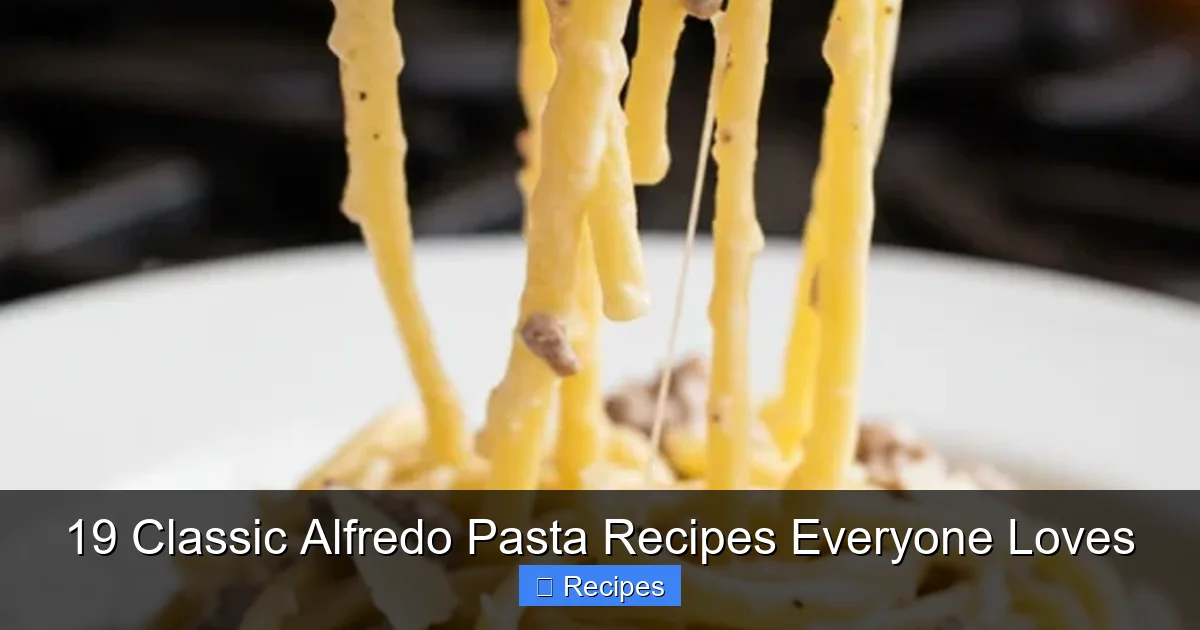
To understand the recipes, we must first understand the myth. The story goes that in 1914, a Roman restaurateur named Alfredo di Lelio created “Fettuccine Alfredo” for his wife, who had lost her appetite after giving birth. His original recipe, Fettuccine al triplo burro (fettuccine with triple butter), was a humble affair: fresh fettuccine, the finest butter, and Parmigiano-Reggiano. The luxurious creaminess came not from heavy cream, but from the intense emulsion of butter, cheese, and starchy pasta water. This is the sacred, authentic version still served at his original restaurant, Il Vero Alfredo, in Rome.
Visual guide about 19 Classic Alfredo Pasta Recipes Everyone Loves
Image source: ninadishes.com
The Great American Transformation
So where did the cream come from? The story takes a cross-Atlantic turn. When Hollywood stars like Douglas Fairbanks and Mary Pickford dined at Alfredo’s in the 1920s, they were smitten. They brought the recipe back to the States, where it was adapted. American dairy was different, preferences leaned richer, and cream became the star. What emerged was a new, decadent creation: the thick, white, cream-based Alfredo sauce we know today. It’s crucial to understand this split. The Roman version is a light, dynamic, emulsified sauce. The American version is a richer, more stable, but heavier cream sauce. Both are valid, both are delicious, but they require slightly different techniques. Our collection honors both traditions.
Chapter 2: The Non-Negotiable Foundation – Your Alfredo Toolkit
Before we dive into the 19 recipes, we must build a foundation. A classic Alfredo has a short ingredient list, which means each component must be top-tier. Think of this as your core toolkit, applicable to nearly every recipe that follows.
Visual guide about 19 Classic Alfredo Pasta Recipes Everyone Loves
Image source: app.contentgoblin.ai
The Holy Trinity: Butter, Cheese, Pasta
- Butter: Use unsalted, high-quality European-style butter. It has a higher fat content (82-84% vs. 80% in standard US butter), which creates a richer, more stable emulsion. Never use margarine.
- Cheese: This is the soul. You must use Parmigiano-Reggiano, grated fresh from the wedge. Pre-grated cheese is coated in anti-caking agents (like cellulose) that prevent it from melting smoothly and will make your sauce grainy. For a sharper bite, you can blend in some Pecorino Romano, but Parmigiano is the classic base.
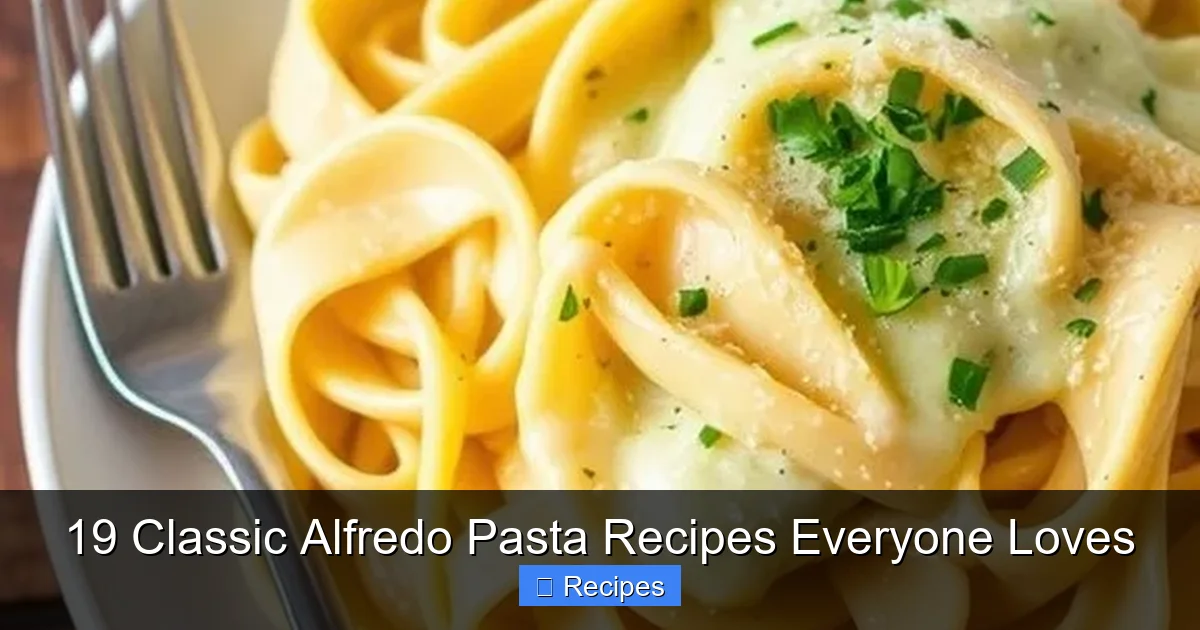
- Pasta: Fresh egg pasta (like fettuccine or tagliatelle) is traditional and provides a wonderful, porous surface for sauce adhesion. However, high-quality dried pasta (bronze-die cut) works perfectly and is more practical. The key is to cook it al dente—firm to the bite—as it will finish cooking in the sauce.
The Secret Weapon: Pasta Water
This cloudy, starchy liquid is the most important ingredient you’re not measuring. It’s the emulsifier that binds the fat (butter/cheese) and water into a cohesive, glossy, clingy sauce. Always reserve at least 1 cup of pasta cooking water before draining. Never, ever rinse your pasta after draining—you’re washing away the precious starch.
Chapter 3: The 19 Classic Recipes – From Purist to Innovator
Now, the moment you’ve waited for. We’ve categorized these 19 recipes to help you find your perfect match. Remember, the technique of tossing the pasta in the pan with the fat and cheese, then loosening with pasta water, is the constant thread.
Visual guide about 19 Classic Alfredo Pasta Recipes Everyone Loves
Image source: ninadishes.com
Section A: The Purist’s Pantheon (Recipes 1-3)
These are the recipes that respect the original Roman spirit. No cream, just butter, cheese, and technique.
- Recipe 1: The Authentic Roman Fettuccine Alfredo (Alfredo di Lelio Style): Melt 3 oz (85g) of high-quality butter in a large pan. Add freshly cooked fettuccine and a huge handful of grated Parmigiano-Reggiano. Toss vigorously off the heat, adding splashes of reserved pasta water until a glossy, emulsified sauce forms that coats every strand. Serve immediately with extra cheese.
- Recipe 2: The “American Classic” Creamy Fettuccine Alfredo: This is the version most know. In a pan, melt 4 tbsp butter, then stir in 1 cup heavy cream and bring to a simmer. Whisk in 1 cup freshly grated Parmigiano until melted. Add cooked pasta and toss, thinning with pasta water as needed. The cream provides a stable base, making it more forgiving for beginners.
- Recipe 3: Alfredo with a Touch of Cream & Egg Yolk (The Rich Man’s Version): For an ultra-luxurious sauce, whisk 1 egg yolk with ½ cup heavy cream and ¾ cup grated cheese. Temper it by slowly stirring in a ladle of hot pasta water. Then, toss this mixture with hot, buttered pasta in the pan. The yolk adds incredible richness and a beautiful sheen without curdling if done gently.
Section B: Protein-Packed Classics (Recipes 4-8)
Alfredo is the perfect vehicle for protein. The key is to cook your protein separately and add it to the finished sauce to avoid overcooking and to keep the sauce clean.
- Recipe 4: Chicken Alfredo: Pound chicken breasts thin, season, and pan-sear until cooked through. Slice and set aside. Make your base Alfredo sauce (cream or emulsion style), then toss with pasta and add the sliced chicken back in to warm through. A sprinkle of parsley and black pepper finishes it.
- Recipe 5: Shrimp Scampi Alfredo: Sauté shrimp in garlic and olive oil until pink. Remove shrimp. Deglaze the pan with a splash of white wine, then proceed to make your Alfredo sauce in the same pan (using butter, not extra oil). Return shrimp to the sauce at the end. The garlic-wine base adds incredible depth.
- Recipe 6: Grilled Steak Alfredo (Bistecca Alfredo): This is for special occasions. Grill a ribeye or strip steak to your liking, let it rest, then slice thinly against the grain. Dollop a generous scoop of Alfredo sauce on a bed of pasta, top with the steak slices, and finish with a crack of black pepper and a drizzle of the steak juices.
- Recipe 7: Smoked Salmon Alfredo: A luxurious, no-cook addition. After tossing pasta with the Alfredo sauce, gently fold in flaked smoked salmon and a handful of capers. The heat of the pasta will warm the salmon without cooking it. Perfect with a squeeze of lemon.
- Recipe 8: Bacon or Pancetta Alfredo: Cook diced bacon or pancetta until crisp. Remove, leaving the fat. Use a mix of the bacon fat and butter to form the base of your Alfredo sauce. Toss with pasta, the crispy bacon, and a handful of peas for a Carbonara-Alfredo hybrid.
Section C: Veggie-Forward Variations (Recipes 9-13)
Vegetables add color, texture, and a touch of healthfulness to rich Alfredo. The rule: cook vegetables separately to avoid watering down the sauce.
- Recipe 9: Broccoli Alfredo: Steam or roast broccoli florets until tender-crisp. Stir them into the finished Alfredo sauce with pasta. A classic, crowd-pleasing combo.
- Recipe 10: Mushroom Alfredo: Sauté a mix of mushrooms (cremini, shiitake) with shallots and thyme until deeply browned and their liquid has evaporated. Add this umami-packed mixture to your Alfredo sauce. A vegetarian umami bomb.
- Recipe 11: Sun-Dried Tomato & Spinach Alfredo: Chop oil-packed sun-dried tomatoes. Wilt a large bag of fresh spinach in the pan just before adding the pasta and sauce. The tomatoes add a sweet-tangy punch that cuts through the richness.
- Recipe 12: Roasted Red Pepper Alfredo: Blend jarred roasted red peppers with a little cream or pasta water to create a vibrant pink sauce. Stir this puree into your base Alfredo for a sweet, smoky, stunningly colored dish.
- Recipe 13: Asparagus Alfredo: Snap tough ends from asparagus, cut into 1-inch pieces, and sauté in butter until bright green and tender. Add to Alfredo sauce. A perfect spring dish.
Section D: Pasta Shapes & Creative Twists (Recipes 14-17)
Fettuccine is classic, but Alfredo sauce loves so many shapes. The sauce should be chosen for the pasta’s ability to capture it.
- Recipe 14: Penne Alfredo: The tube shape of penne is excellent for catching creamy sauce in its center. Use a slightly thinner sauce (more pasta water) so it seeps inside.
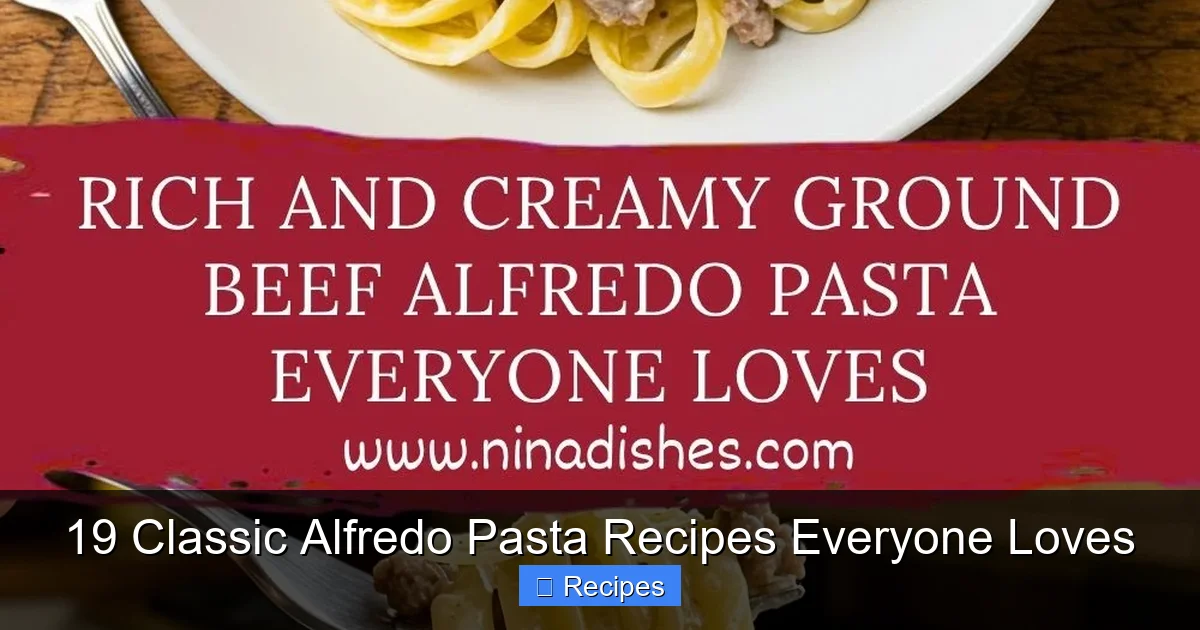
- Recipe 15: Rigatoni Alfredo with Sausage: The wide ridges and holes of rigatoni are perfect for holding chunky sauce. Brown Italian sausage, crumble it, and stir into a creamy Alfredo. The meat and pasta create a hearty, satisfying bite.
- Recipe 16: Alfredo with Gnocchi: Potato gnocchi are a dream in Alfredo sauce. Their soft, pillowy texture soaks up the sauce beautifully. Sauté the gnocchi in butter first to get a slight crisp, then add sauce.
- Recipe 17: Lemon-Herb Alfredo: Brighten the rich sauce by stirring in the zest and juice of one lemon and a huge handful of chopped fresh herbs (parsley, basil, chives) at the very end. This is a fantastic, lighter-tasting variation.
Section E: Modern & Dietary Adaptations (Recipes 18-19)
Everyone deserves creamy pasta joy. These adaptations keep the spirit while meeting dietary needs.
- Recipe 18: Vegan Alfredo (The Cauliflower Magic):strong> Steam and blend 3 cups cauliflower florets with ½ cup unsweetened plant milk (cashew or oat work best), 3 tbsp nutritional yeast, 2 tbsp lemon juice, 1 tbsp olive oil, and 2 cloves garlic until silky smooth. Season generously. Toss with pasta. It’s shockingly close in texture and umami.
- Recipe 19: Low-Carb/Gluten-Free Alfredo with Zucchini Noodles: Sauté spiralized zucchini noodles (zoodles) in a hot pan for just 1-2 minutes to remove excess water. Immediately toss with your prepared Alfredo sauce. The sauce will thicken quickly, so have extra pasta water ready. Serve immediately for the best texture.
Chapter 4: The Art of the Toss – Technique Over Everything
You can have the best ingredients, but if you don’t master the final step in the pan, you’ll get a greasy, separated mess. This is the single most important lesson.
The Step-by-Step Emulsion
- Reserve Pasta Water: Before draining, scoop out at least 1 cup of the cloudy, starchy water.
- Cook Pasta Al Dente: It will finish cooking in the hot pan with the sauce.
- Combine in the Pan: Do not mix sauce and pasta in a bowl. Return the drained pasta to the large, warm pan (off the heat if using the emulsion method, on low if using cream). Add your melted butter or cream base and grated cheese.
- Toss, Toss, Toss: Use tongs to vigorously toss the pasta, lifting and dropping. The friction and motion are what create the emulsion.
- Loosen with Pasta Water: The sauce will look dry and clumpy at first. Add a splash of reserved pasta water, toss vigorously. It will magically come together into a glossy, creamy coating. Repeat until you have the perfect consistency.
- Serve Immediately: Alfredo waits for no one. Plate, top with extra cheese and black pepper, and enjoy.
Chapter 5: Beyond the Bowl – Pairing and Serving
A great Alfredo is a complete meal, but the right accompaniments can elevate it.
Perfect Sides
Keep it simple. A crisp, green salad with a light vinaigrette (like lemon or red wine vinegar) cuts through the richness. Garlic bread is a given, but consider grilling it to avoid adding more butter to the meal. Roasted asparagus, green beans, or a simple tomato salad are excellent fresh counterpoints.
Wine Pairings
You want a white wine with enough acidity to stand up to the fat. A crisp Pinot Grigio, a unoaked Chardonnay, or a vibrant Sauvignon Blanc are ideal. For red drinkers, a light, fruity Pinot Noir can work. Avoid heavy, tannic reds—they will clash with the cream.
Conclusion: Your Alfredo Journey Starts Now
From the buttery simplicity of Alfredo di Lelio’s original to the hearty, customizable dishes that fill dinner tables today, Alfredo pasta is a canvas for delicious creativity. The core principle remains unchanged: respect the ingredients, master the emulsion, and toss with confidence. These 19 recipes provide a roadmap, but don’t be afraid to make them your own. Swap in your favorite vegetable, use a different pasta shape on hand, or adjust the cheese blend. The beauty of Alfredo is that it’s both a timeless classic and a deeply personal comfort food. So grab your tongs, reserve that pasta water, and get ready to create a bowl of creamy, dreamy pasta that will have everyone asking for the recipe. It’s not just dinner; it’s an experience.
Frequently Asked Questions
Is Alfredo sauce Italian or American?
The original, butter-and-cheese emulsion is a Roman creation from the early 1900s. The cream-based version most common in the U.S. is an American adaptation that became popular in the mid-20th century. Both are now considered classic in their respective contexts.
Why does my Alfredo sauce separate or become greasy?
This usually happens from incorrect technique. Common causes are: adding cold cream to a hot pan, using low-fat dairy, not tossing vigorously enough to emulsify, or adding the cheese all at once without constant motion. The key is to use hot (not boiling) liquid and toss constantly while adding pasta water to create a stable emulsion.
Can I make Alfredo sauce ahead of time?
>Cream-based Alfredo can be made ahead and gently reheated, but it may thicken. Reheat it slowly over low heat, whisking constantly and adding a splash of milk or pasta water to bring it back to the right consistency. The pure emulsion style (no cream) does not reheat well and is best made fresh.
What’s the best pasta shape for Alfredo?
Traditionally, fettuccine or tagliatare are used because their flat, broad surface holds the sauce beautifully. However, any pasta with ridges or tubes (like penne, rigatoni, or fusilli) works wonderfully as they trap the sauce. The most important factor is that the pasta is high-quality and cooked al dente.
How can I make Alfredo sauce healthier?
You can substitute heavy cream with half-and-half or whole milk for a lighter sauce, though it will be less rich. The ultimate healthy hack is to use the pure emulsion method (butter, cheese, pasta water) instead of cream, as it has significantly fewer calories. Adding lots of vegetables like broccoli or spinach also boosts nutrition.
My Alfredo sauce is too thick/thin. How do I fix it?
If it’s too thick, whisk in more reserved pasta water, a tablespoon at a time, until it reaches a silky, coat-the-back-of-a-spoon consistency. If it’s too thin, let it simmer for a minute to reduce, or add a bit more grated cheese to thicken it. The starch in the pasta water is your best tool for adjusting consistency.