Beat the summer heat with vibrant, no-fuss lemon pasta! This collection features 17 creative recipes—from creamy to oil-based—all highlighting zesty lemon. They’re ready in under 30 minutes, use simple ingredients, and deliver maximum flavor for effortless weeknight dinners or casual gatherings.
Key Takeaways
- Lemon is the star: These recipes use lemon in multiple forms—juice, zest, and thin slices—to build layers of bright, acidic flavor that define the dish.
- Speed and simplicity: Most lemon pasta recipes come together in 20-30 minutes, making them perfect for busy summer nights when you don’t want to cook over a hot stove for long.
- Incredible versatility: The core technique works with any pasta shape and adapts easily to dietary preferences, including vegan, gluten-free, and protein-packed variations.
- Master the sauce base: The secret to a cohesive lemon pasta is emulsifying the acidic juice with pasta water and fat (oil, butter, or cheese) to create a silky, clingy sauce.
- Balance is key: Properly balancing lemon’s acidity with salt, a touch of sweetness (like a pinch of sugar or honey), and fat prevents the dish from being harsh or one-dimensional.
- Fresh ingredients elevate: High-quality olive oil, fresh herbs (especially basil, mint, and parsley), and real Parmigiano-Reggiano are non-negotiable for the best results.
- Perfect for summer produce: Lemon pasta is a fantastic canvas for peak-season vegetables like asparagus, zucchini, cherry tomatoes, and peas.
📑 Table of Contents
- Why Lemon Pasta is the Ultimate Summer Night Savior
- The Essential Foundation: Building Your Lemon Pasta Framework
- Classic & Creamy: The Comforting Side of Lemon
- Oil-Based & Vibrant: Light, Fresh, and Herb-Forward
- Protein-Packed Lemon Pastas for Hearty Appetites
- Vegetarian & Vegan Powerhouses
- Pro Tips & Common Pitfalls to Avoid
- Your Summer Night Dinner Plan is Ready
Why Lemon Pasta is the Ultimate Summer Night Savior
When the sun is high and the kitchen feels like a sauna, the last thing you want is a heavy, complicated dinner. Enter the lemon pasta: your golden ticket to a vibrant, satisfying meal that feels both light and luxurious. The magic of a well-made lemon pasta lies in its paradox—it’s bold and bright yet incredibly gentle on a hot evening. The acidity of lemon cuts through richness, wakes up the palate, and pairs effortlessly with the fresh herbs and vegetables flooding farmers’ markets this season.
This isn’t just about squeezing a lemon over some noodles. True lemon pasta mastery involves understanding how to use the whole fruit: the tart juice for tang, the fragrant zest for aromatic depth, and even thin slices for a surprising, edible garnish. It’s a technique that transforms simple pantry staples—pasta, lemon, good oil, cheese—into something spectacularly fresh. In this guide, we’ll explore 17 unique ways to harness that summer citrus, ensuring you have a go-to recipe for any craving, from creamy and comforting to crisp and veggie-forward.
The Essential Foundation: Building Your Lemon Pasta Framework
Before diving into the recipes, grasp the universal method that makes every lemon pasta sing. This framework is your blueprint for success, no matter the variation.
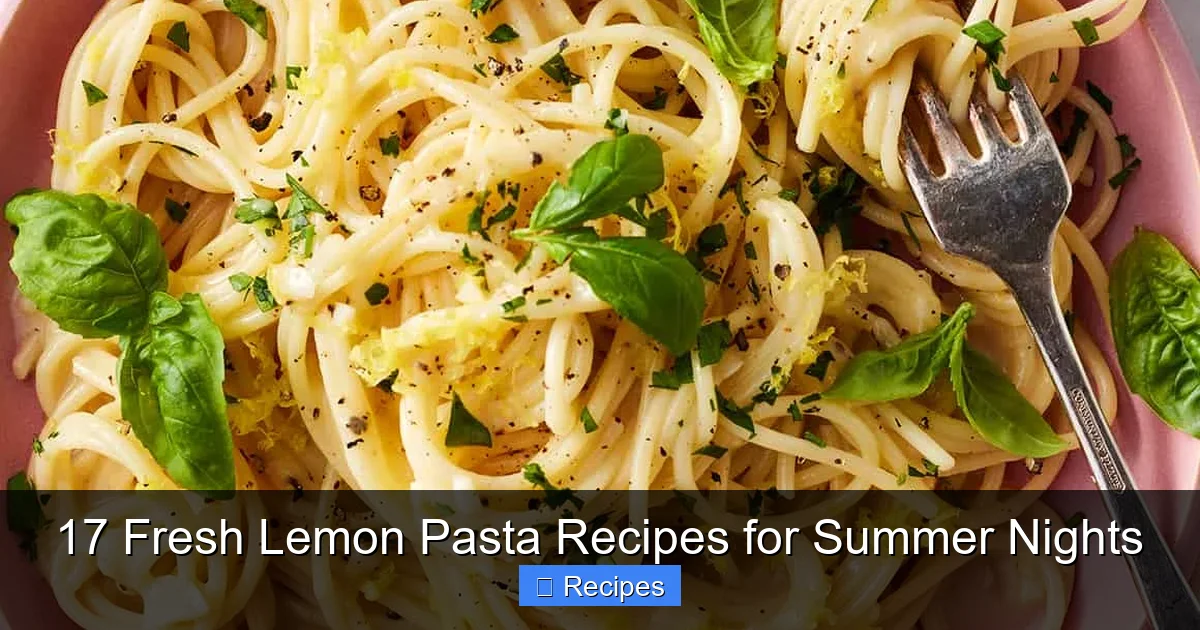
Visual guide about 17 Fresh Lemon Pasta Recipes for Summer Nights
Image source: cdn.loveandlemons.com
The Holy Trinity: Pasta Water, Fat, and Acid
The sauce for any great lemon pasta lives in the pan with the pasta. It’s an emulsion, a temporary marriage of starch (from the pasta cooking water), fat (olive oil, butter, or cheese), and acid (lemon juice). Here’s the step-by-step secret:
- Cook the pasta in generously salted water. The salt seasons the pasta itself, which is crucial since the sauce often has limited seasoning.
- Reserve at least 1 cup of starchy pasta water before draining. This liquid gold is the emulsifier that will turn your lemon juice and oil into a creamy, cohesive sauce that coats every strand.
- Sauté aromatics (garlic, shallots, chili flakes) in olive oil or butter until fragrant but not browned.
- Add the drained pasta to the pan with a few glugs of the reserved pasta water and the lemon juice. Toss vigorously over low heat. The motion and starch will thicken the liquid into a silky glaze.
- Finish with cheese, herbs, and zest. Remove from heat to prevent the cheese from clumping. The residual heat is enough to melt it into the sauce.
Pro Tip: Always zest your lemon before you juice it. It’s impossible to zest a squeezed lemon! Use a microplane for the finest, most aromatic zest.
Classic & Creamy: The Comforting Side of Lemon
These recipes lean into richness, using cheese or egg to create a sauce that’s luscious and coating, perfect for when you want pasta that feels like a hug.
Visual guide about 17 Fresh Lemon Pasta Recipes for Summer Nights
Image source: giallozafferano.com
1. The Quintessential Lemon Ricotta Pasta
This is the recipe that converts lemon pasta skeptics. It’s stunningly simple: whole-milk ricotta is whipped with lemon zest, juice, and a drizzle of olive oil until cloud-like. Tossed with hot pasta and a splash of pasta water, it becomes a velvety, cloud-like sauce that clings to rigatoni or pappardelle. The key is using high-quality, full-fat ricotta and not over-mixing once the pasta is added. Garnish with a shower of Pecorino and a twist of black pepper.
2. Silky Lemon Butter Sauce (Al Limone)
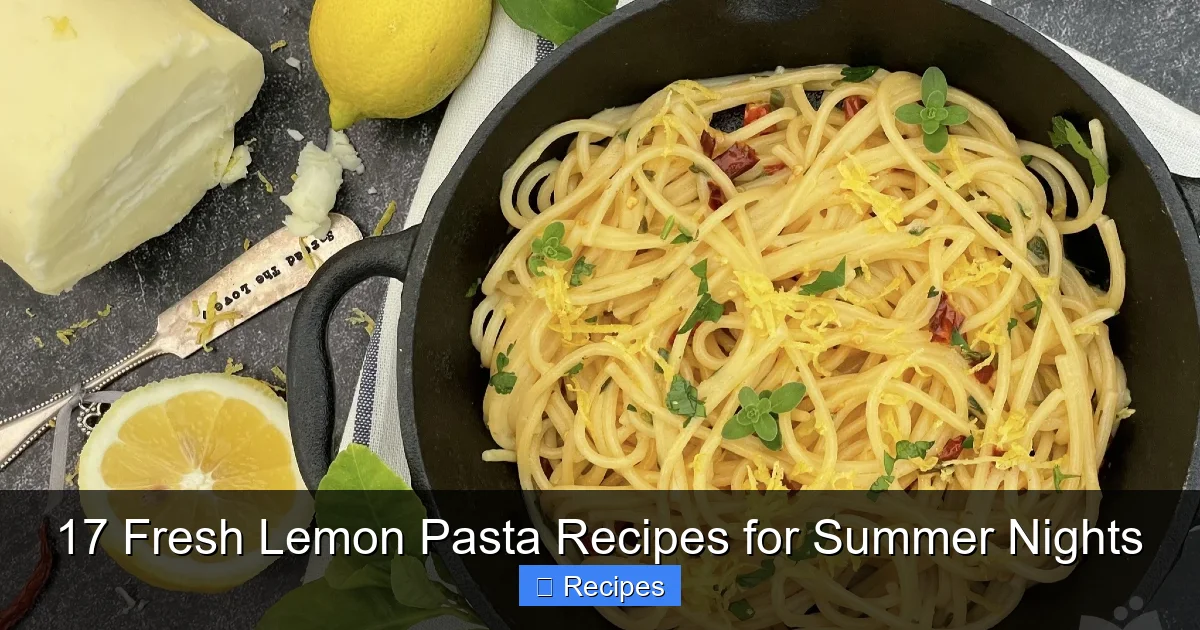
An Italian classic, this is pure elegance. Melt unsalted butter in a pan with a crushed garlic clove (remove it before adding pasta). Add lemon juice and a pinch of salt, then whisk in a pat of cold butter at the end for a glossy finish. Toss with spaghetti and a mountain of grated Parmigiano-Reggiano. It comes together in the time it takes the pasta to boil. For a deeper flavor, brown the butter slightly before adding the lemon.
3. Creamy Lemon Parmesan with Peas
Spring and summer in a bowl. Sauté garlic in olive oil, add fresh or thawed peas, then stir in heavy cream and a generous handful of grated Parmesan. Let it bubble gently before adding lemon zest and juice. The cream tempers the lemon’s bite, while the peas add pops of sweetness and color. This is divine with short pastas like orecchiette or fusilli.
4. Decadent Lemon Cream Sauce with Asparagus
Thinly sliced asparagus spears cook quickly in a base of garlic and oil. Pour in a mixture of heavy cream, lemon zest, and juice, letting it thicken slightly. Toss with fettuccine and finish with more zest and a crumble of salty goat cheese (chèvre) instead of Parmesan for a tangy twist.
Oil-Based & Vibrant: Light, Fresh, and Herb-Forward
When you want something truly light, these olive oil-based sauces let the lemon and fresh herbs shine without any dairy. They’re often vegan and showcase summer vegetables perfectly.
Visual guide about 17 Fresh Lemon Pasta Recipes for Summer Nights
Image source: empireofrecipes.com
5. Garlic Lemon Basil Spaghetti (Aglio e Olio Reimagined)
Elevate the Roman classic. Gently cook thinly sliced garlic and a pinch of chili flakes in your best extra virgin olive oil until just golden. Off heat, whisk in loads of lemon juice and a big handful of torn fresh basil. Toss with spaghetti, adding pasta water to create a loose, emulsified sauce. The basil wilts from the pasta’s heat, releasing its perfume. Simple, profound, and ready in 10 minutes.
6. Zucchini Ribbon Pasta with Lemon and Mint
Use a vegetable peeler to create long ribbons from a medium zucchini (or use store-bought zucchini noodles for a low-carb option). Sauté them briefly in olive oil with garlic until just tender. Toss with cooked linguine, a ton of lemon zest, chopped fresh mint, and a sprinkle of toasted pine nuts. The mint and lemon are a match made in heaven.
7. Lemon-Caper Linguine with Cherry Tomatoes
This one’s a flavor bomb. Halve a pint of sweet cherry tomatoes and cook them in olive oil until they start to burst and release their juices. Add rinsed capers and lemon zest, then toss with linguine. The capers provide a briny pop that balances the lemon’s sweetness. Finish with a drizzle of raw olive oil and fresh parsley.
8. Charred Broccoli Rabe with Lemon and Anchovies
For the bitter-green lovers. Blanch broccoli rabe briefly, then char it in a hot pan with olive oil, garlic, and a few anchovy fillets (they melt into the oil). The bitterness is mellowed by the char. Toss with spaghetti, lemon juice, and a heavy dose of lemon zest. The anchovies provide umami depth without making it fishy.
Protein-Packed Lemon Pastas for Hearty Appetites
Add a substantial protein to your lemon pasta for a complete meal. The key is cooking the protein in a way that builds a flavorful base for the sauce.
9. Lemon Garlic Shrimp Scampi Style
Shrimp and lemon are a summer dream. Pat shrimp dry, season, and sear in a hot pan with olive oil and garlic until pink and slightly caramelized. Remove shrimp, deglaze the pan with white wine (optional) and lemon juice, then add pasta water to create a sauce. Return shrimp to the pan, toss, and finish with parsley. The shrimp’s cooking juices become part of the sauce.
10. Pan-Seared Chicken with Lemon and Artichokes
Pound chicken breasts thin for quick cooking. Sear them in a skillet, then remove. In the same pan, sauté jarred or fresh artichoke hearts and garlic. Add lemon juice and broth, scrape up browned bits. Slice the chicken and return to the pan with cooked penne. Toss everything together, letting the sauce coat the pasta and chicken. Artichokes add a meaty, earthy texture.
11. Flaky White Fish with Lemon-Dill Sauce
Choose a firm white fish like halibut or cod. Pan-sear until cooked through. In the same pan, sauté shallots, then add lemon juice, broth, and a splash of white wine. Reduce slightly, whisk in a cold cube of butter for richness, and stir in fresh dill. Pour over the fish and a bed of warm, buttery noodles (like tagliatelle).
12. Smoked Salmon and Lemon Cream
No-cook protein elegance. Flake high-quality smoked salmon into a bowl with crème fraîche (or Greek yogurt for tang), lemon zest, and dill. Toss with hot, drained pasta—the heat will gently warm the salmon and melt the cream into a sauce. Add a grind of black pepper. It’s luxurious and takes 5 minutes.
Vegetarian & Vegan Powerhouses
These plant-based recipes are so flavorful and satisfying, you won’t miss the cheese or meat. They rely on umami-rich ingredients and textural contrasts.
13. Roasted Cherry Tomato and Lemon Pasta
Roasting concentrates the sweetness of tomatoes. Toss cherry tomatoes with olive oil, salt, and pepper; roast at 400°F until blistered and caramelized (about 20 minutes). Scrape into a pan with garlic, lemon juice, and a pinch of sugar to balance. Toss with spaghetti and a huge handful of fresh basil. The roasted tomatoes create a natural, jammy sauce.
14. Lemon-Pistachio Pesto with Green Beans
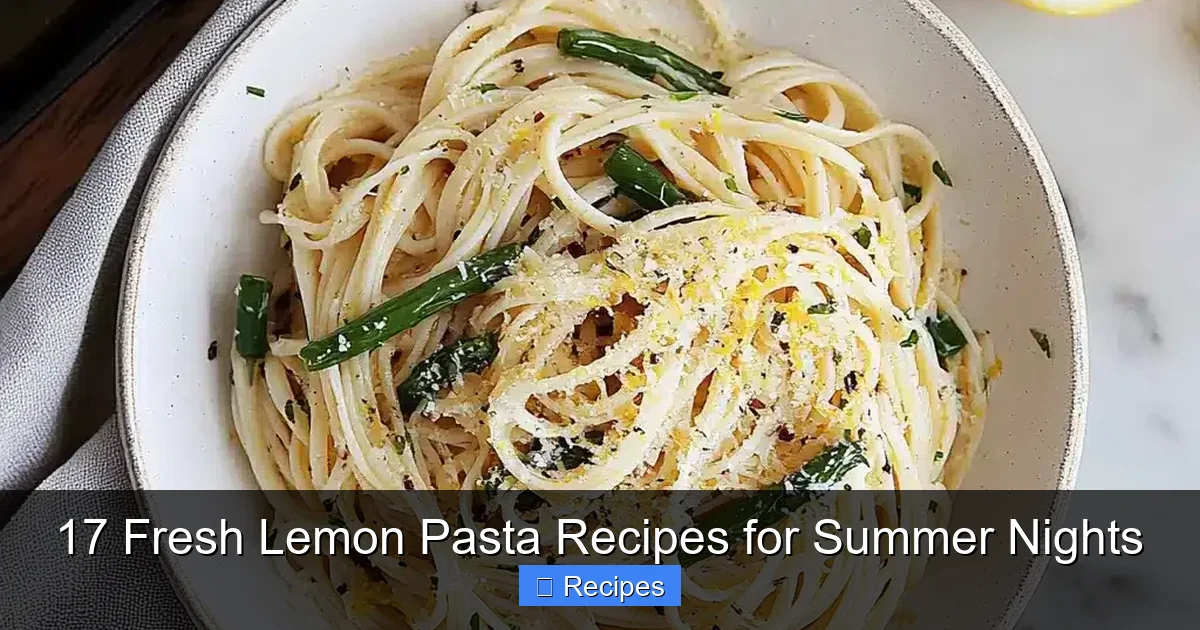
A vibrant green twist on pesto. Blend a big handful of fresh basil with a handful of raw pistachios (instead of pine nuts), garlic, nutritional yeast (or vegan Parmesan), olive oil, lemon juice, and salt. Toss with cooked pasta and a bunch of blanched green beans. The pistachios add a unique, buttery crunch.
15. Grilled Vegetable and Lemon Orzo
Summer grilling makes this a no-cook stove-top meal. Grill slices of zucchini, eggplant, and bell pepper until charred and tender. Chop and toss with cooked, cooled orzo, a lemony vinaigrette (olive oil, lemon juice, Dijon mustard), fresh herbs, and crumbled feta (optional). Serve warm or at room temperature.
16. Lemon-Tahini Noodles with Crispy Chickpeas
Creamy, nutty, and packed with protein. Whisk together tahini, lemon juice, a touch of maple syrup or agave, garlic, and pasta water until smooth and pourable. Toss with spaghetti and top with crispy, air-fried or roasted chickpeas tossed in za’atar or smoked paprika. The tahini provides a rich, dairy-free creaminess.
Pro Tips & Common Pitfalls to Avoid
Elevate your lemon pasta from good to unforgettable with these insider tricks and by avoiding these common mistakes.
The Art of Zesting and Juicing
Use a microplane zester for the finest, most fragrant zest. Avoid the bitter white pith. For juicing, roll the lemon firmly on the counter with the palm of your hand before cutting—this breaks down the membranes and yields more juice. Always strain the juice if you’re worried about seeds.
Balancing Act: How to Fix an Overly Tart Sauce
If your sauce is too acidic, don’t panic. Add a tiny pinch of sugar or a drizzle of honey to balance it. You can also add more fat—a swirl of olive oil, a knob of butter, or a handful of cheese will mellow the sharpness. Finally, ensure it’s properly salted; salt helps mitigate sourness.
Pasta Water: Your Most Important Tool
Never skip reserving pasta water. It’s the magic that transforms a lemon juice and oil mixture into a clinging sauce. Add it gradually—start with 1/4 cup when tossing, and add more a tablespoon at a time until you reach the perfect consistency. It should look slightly creamy, not watery.
Don’t Rinse Your Pasta!
Rinsing removes the precious starch needed to emulsify the sauce. Always drain your pasta and immediately add it to the pan with your sauce ingredients. The residual heat from the pasta will help finish the sauce.
Choosing the Right Pasta Shape
Match the pasta to the sauce. Thin, long pastas like spaghetti or linguine are perfect for light, oil-based sauces. Short, tubular, or ridged pastas (like penne, rigatoni, or fusilli) are ideal for chunkier sauces with peas, capers, or ground meat. Wide ribbons (pappardelle, fettuccine) are beautiful with creamy sauces that need a lot of surface area to cling to.
Your Summer Night Dinner Plan is Ready
With these 17 lemon pasta recipes in your arsenal, you’re fully equipped to conquer every summer evening. Whether you’re craving the creamy comfort of ricotta, the herbaceous punch of a basil oil, or a protein-packed shrimp scampi, the humble lemon is your most powerful ally. Remember the core technique: salt your pasta water generously, reserve that starchy water, and emulsify your lemon juice with fat and starch in the pan. Now, grab your microplane, heat some water, and get tossing. Your most refreshing, delicious, and effortless summer dinners are just a lemon and a pot of boiling water away. Buon appetito!
Frequently Asked Questions
Can I use bottled lemon juice instead of fresh?
Fresh lemon juice is strongly recommended. Bottled juice often has a preserved, slightly flat flavor and can contain additives that affect the sauce’s taste and emulsifying ability. The bright, aromatic quality of fresh-squeezed juice is essential for these recipes.
What’s the best pasta shape for lemon pasta?
It depends on the sauce! For light oil-based sauces, long strands like spaghetti or linguine are classic. For creamy sauces, wide ribbons like fettuccine or pappardelle offer more surface area. For sauces with vegetables or proteins, short shapes like penne, fusilli, or orecchiette are ideal as they catch bits in their nooks and crannies.
How do I make a vegan lemon pasta that’s still creamy?
Use a base of extra virgin olive oil and pasta water for emulsification. For richness, incorporate soaked raw cashews blended into a cream, silken tofu, or coconut milk. Nutritional yeast adds a cheesy, umami note. The Lemon-Tahini Noodles recipe above is a fantastic, naturally creamy vegan option.
My lemon sauce is too bitter. What went wrong?
You likely got some of the bitter white pith in your zest or juice. Always zest only the bright yellow part. If the sauce is just too acidic (not bitter), balance it with a tiny pinch of sugar, a drizzle of honey, or more fat (oil, butter, cheese).
Can I prepare lemon pasta ahead of time?
Lemon pasta is best served immediately after tossing, as the emulsion can break and the pasta can dry out. However, you can prep all components ahead: cook pasta and reserve water, zest/juice lemons, sauté vegetables, cook protein. Store separately. When ready to eat, reheat the pasta quickly in the pan with a splash of fresh pasta water and combine with your prepped sauce components.
Is it safe to use lemon zest from non-organic lemons?
Since zest is the outermost layer where pesticides can reside, it’s highly recommended to use organic lemons when you plan to zest them. If you only have conventional lemons, wash them thoroughly with a produce brush and hot water before zesting, though this doesn’t remove all residues. For recipes where zest is a key flavor (like most of these), organic is worth it.
Pingback: Lemon Meringue Pie Recipe - kitchenandhouseware.com
Pingback: Storing Fresh Berries Longer - kitchenandhouseware.com