Eating high protein, low carb dinners is a powerful strategy for managing weight, building muscle, and stabilizing blood sugar. This collection of 15 recipes proves that healthy eating can be incredibly flavorful and satisfying, featuring lean meats, fatty fish, and plant-based options. Each recipe is designed to be simple, quick, and packed with nutrients to keep you full and fueled without the carb crash.
Key Takeaways
- Protein is the cornerstone: Every recipe prioritizes 25g+ of protein per serving to promote satiety, support muscle repair, and boost metabolism.
- Smart carb swaps: Traditional pasta, rice, and potatoes are replaced with low-carb vegetables like zucchini, cauliflower, and leafy greens.
- Healthy fats are essential: Recipes incorporate avocados, olive oil, nuts, and fatty fish to provide energy and aid in nutrient absorption.
- Meal prep friendly: Most dishes can be made ahead, stored, and reheated, making healthy eating convenient during busy weeks.
- Flavor without compromise: Herbs, spices, citrus, and umami-rich ingredients like Parmesan and soy sauce ensure these dinners are anything but boring.
- Customizable foundation: These templates allow for easy swaps based on dietary preferences (e.g., chicken for shrimp, tofu for beef).
- Focus on whole foods: The emphasis is on unprocessed ingredients, minimizing added sugars and refined carbohydrates.
📑 Table of Contents
- Why High Protein, Low Carb Dinners Are a Game-Changer
- Meal Prep Mastery: Your Secret Weapon for Success
- 15 Delicious High Protein Low Carb Dinner Recipes
- Cooking Methods That Maximize Flavor & Minimize Carbs
- Customize Your Plate: Swaps & Variations
- The Art of the Balanced Bowl
- Conclusion: Your Journey to Delicious, Healthy Dinners Starts Now
Why High Protein, Low Carb Dinners Are a Game-Changer
Let’s be honest: dinner is often the meal where healthy intentions go to die. After a long day, it’s easy to reach for convenience—a frozen pizza, a box of pasta, or fast food. But what if your evening meal could actually work for you? Enter the high protein, low carb dinner. This isn’t about restrictive dieting; it’s about strategic eating. By loading your plate with protein and healthy fats while minimizing starchy carbs, you set yourself up for better sleep, steady energy, and improved body composition.
The science is clear. Protein has a high thermic effect, meaning your body burns more calories digesting it. It also increases levels of satiety hormones like GLP-1 and PYY, keeping you full for hours and reducing late-night snacking. Cutting back on carbs, especially refined ones, prevents blood sugar spikes and crashes, stabilizing your mood and energy. For anyone looking to lose fat, build lean muscle, or simply feel more in control of their nutrition, mastering a few high protein, low carb dinners is non-negotiable. The best part? It’s deliciously doable.
Meal Prep Mastery: Your Secret Weapon for Success
The biggest hurdle to healthy cooking isn’t complexity—it’s time. The moment you step through the door after work, the siren call of the takeout menu is strong. This is where a two-hour meal prep session on Sunday becomes your superpower. The recipes below are selected not just for their nutritional profile, but for their meal-prep friendliness.

Visual guide about 15 High Protein Low Carb Dinner Recipes
Image source: i.pinimg.com
Batch Cook Your Proteins
The foundation of every recipe is protein. Spend your prep time cooking large quantities of versatile bases. Grill or bake several chicken breasts, brown a big batch of ground turkey or beef, and hard-boil a dozen eggs. Store them in portioned containers. Having cooked protein ready to go means your dinner can often be assembled in under 10 minutes. For example, our Garlic Herb Chicken Bowls come together instantly when you have pre-cooked chicken and roasted cauliflower rice on hand.
Prep Low-Carb Veggies in Advance
Washing, chopping, and pre-portioning vegetables removes the biggest barrier to eating them. Wash and dry leafy greens like spinach and arugula. Spiralize zucchini or squash into “zoodles” and store them in a sealed container with a paper towel to absorb moisture. Chop bell peppers, onions, and broccoli into florets. Having these ready means you can literally throw a stir-fry or sheet-pan dinner together without the prep work.
Make Sauces and Dressings
Store-bought sauces and dressings are often loaded with sugar and hidden carbs. Make your own in bulk! A simple lemon-herb vinaigrette, a creamy avocado lime dressing, or a rich tomato sauce can be made in a blender or jar and last all week. This small step elevates any bowl from basic to brilliant.
15 Delicious High Protein Low Carb Dinner Recipes
Now, the moment you’ve been waiting for. These recipes are organized by primary protein source for easy navigation. Each includes a brief description, key ingredients, and why it fits the high protein, low carb bill perfectly. Nutritional estimates are per serving.
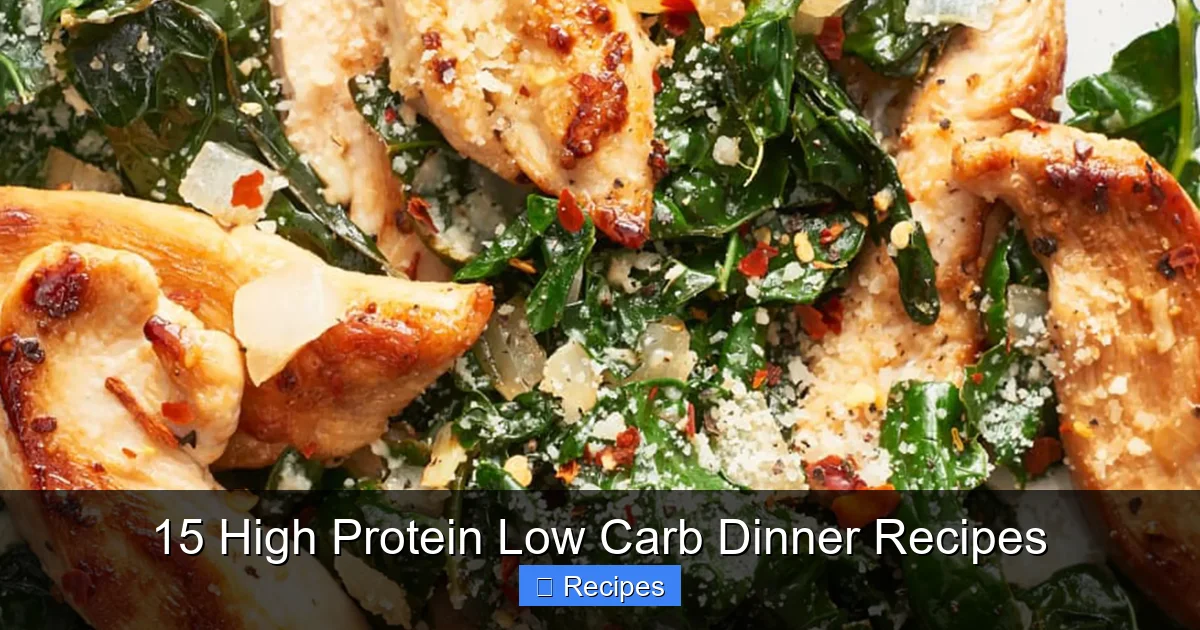
Visual guide about 15 High Protein Low Carb Dinner Recipes
Image source: cdn.apartmenttherapy.info
1. Lemon Garlic Butter Shrimp with Asparagus
This is a 20-minute restaurant-quality dish that feels indulgent but is incredibly healthy. Shrimp cooks in minutes, and the garlic-butter sauce is made with a touch of lemon to brighten everything up. Paired with tender-crisp asparagus, it’s a low-carb, high-protein powerhouse.
- Protein: ~32g
- Net Carbs: ~4g
- Why it works: Shrimp is virtually carb-free and a complete protein. Asparagus provides fiber and folate. The butter and olive oil base ensure you get satisfying fats.
- Meal Prep Tip: Cook the shrimp and asparagus separately. Store and reheat gently to avoid rubbery shrimp. Assemble with fresh lemon juice just before serving.
2. Slow Cooker Buffalo Chicken Lettuce Wraps
Ditch the bun and the high-carb blue cheese dressing. This version uses creamy, ranch-style dressing and crisp butter lettuce cups. The slow cooker does all the work, making the chicken incredibly tender and infused with buffalo flavor.
- Protein: ~35g
- Net Carbs: ~2g (with low-carb ranch)
- Why it works: Chicken breast is lean and protein-dense. Lettuce provides crunch with zero carbs. Using a homemade or low-carb store-bought ranch dressing is the key to keeping carbs down.
- Meal Prep Tip: Cook the shredded chicken in the slow cooker all week. Keep the lettuce separate until serving to prevent sogginess.
3. Keto Chicken Salad with Avocado & Bacon
Classic chicken salad gets a keto-friendly upgrade. No sugary grapes or celery here—just rich avocado, crispy bacon, and a creamy mayo-based dressing. Serve it in a bowl, on a bed of greens, or in endive cups for an elegant lunch or light dinner.
- Protein: ~40g
- Net Carbs: ~3g
- Why it works: Avocado adds healthy fats and creaminess without carbs. Bacon contributes flavor and fat. Using plain Greek yogurt can lighten the dressing while adding protein.
- Meal Prep Tip: This salad actually improves after a few hours as the flavors meld. Make a big batch on Sunday for effortless dinners all week.
4. Pan-Seared Salmon with Garlic Parmesan Zoodles
Zucchini noodles (zoodles) are the perfect pasta substitute, especially when sautéed with garlic and finished with a shower of salty Parmesan. The pan-seared salmon on top provides omega-3 fatty acids and a massive protein punch.
- Protein: ~38g
- Net Carbs: ~5g
- Why it works: Salmon is one of the best sources of protein and anti-inflammatory fats. Zoodles have about 3g net carbs per cup versus 30g+ for wheat pasta. Parmesan adds a savory, umami kick.
- Meal Prep Tip: Zoodles release water. For meal prep, slightly undercook them, or store them separately and sauté quickly when ready to eat.
5. Hearty Turkey & Vegetable Chili (No Beans)
Traditional chili relies on beans for bulk and fiber. This version skips them entirely, using extra ground turkey and a ton of low-carb vegetables like bell peppers, onions, and tomatoes. It’s thick, spicy, and deeply satisfying, topped with avocado and cheese.
- Protein: ~45g
- Net Carbs: ~10g
- Why it works: Ground turkey (93/7 lean) is a lean protein canvas. The vegetables provide volume, fiber, and nutrients. The chili base is tomato-based, not bean-based, drastically cutting carbs.
- Meal Prep Tip: Chili tastes better the next day. Make a huge pot and freeze individual portions for ultimate convenience.
6. Cheesy Bacon & Eggplant Casserole (No Noodles)
This is a comforting, baked dish that replaces lasagna noodles with thinly sliced, roasted eggplant. Layers of seasoned ground beef, rich marinara (choose a low-sugar brand), and loads of cheese make it a family favorite that’s completely low-carb.
- Protein: ~30g
- Net Carbs: ~8g
- Why it works: Eggplant is very low in carbs and becomes wonderfully tender when roasted. Using lean ground beef and part-skim mozzarella keeps the fat content reasonable while maximizing protein and flavor.
- Meal Prep Tip: This casserole reheats beautifully. Bake it on Sunday and enjoy it for several dinners. It also freezes well.
7. Steak & Mushroom “Fajitas” in Lettuce Cups
Fajita spices sizzle with strips of flank steak and colorful bell peppers and onions. Instead of carb-heavy tortillas, serve the mixture in crisp, cool lettuce cups with a dollop of sour cream and guacamole. It’s fresh, flavorful, and fun.
- Protein: ~42g
- Net Carbs: ~6g
- Why it works: Flank steak is a lean, flavorful cut. Bell peppers are low in net carbs and high in vitamin C. Lettuce cups eliminate the entire tortilla carb load.
- Meal Prep Tip: Marinate the steak and chop the veggies ahead of time. When ready to eat, a quick 10-minute sear is all you need.
8. Creamy Tuscan Chicken with Spinach & Artichokes
This decadent-feeling sauce is made with cream cheese, heavy cream, and Parmesan, creating a luxurious coating for pan-seared chicken breasts. Sun-dried tomatoes and spinach add pops of color and nutrition. It’s a one-pan wonder.
- Protein: ~50g
- Net Carbs: ~5g
- Why it works: Chicken breast is the leanest, highest-protein meat. The creamy sauce is high in fat but very low in carbs if you use a minimal amount of sun-dried tomatoes (which have natural sugars). Artichoke hearts are a low-carb vegetable.
- Meal Prep Tip: The sauce can thicken in the fridge. Reheat gently with a splash of broth or cream to restore consistency.
9. Baked Lemon Herb Cod with Roasted Broccoli
Cod is a mild, flaky white fish that bakes up perfectly in a lemon-herb marinade. It’s paired with simple roasted broccoli for a no-fuss, nutrient-dense meal. The entire dish comes together on one sheet pan for easy cleanup.
- Protein: ~35g
- Net Carbs: ~4g
- Why it works: Cod is nearly pure protein and fat. Broccoli is a fiber-rich, low-carb superstar. The olive oil used for roasting provides healthy monounsaturated fats.
- Meal Prep Tip: Bake the cod fresh, as it cooks in 12-15 minutes. You can roast a large tray of broccoli ahead and simply reheat it.
10. Spicy Turkey & “Rice” Stuffed Bell Peppers
Bell pepper halves are stuffed with a savory mixture of ground turkey, cauliflower rice, tomatoes, and spices. They bake until the peppers are tender and the filling is hot and bubbly. A sprinkle of cheese on top adds the perfect finish.
- Protein: ~32g
- Net Carbs: ~7g
- Why it works: Cauliflower rice is the ultimate low-carb swap, having about 1/5th the net carbs of real rice. Bell peppers are low in carbs and high in vitamin C. Using lean turkey keeps the protein high and fat moderate.
- Meal Prep Tip: These are a perfect make-ahead meal. Stuff the peppers, cover, and refrigerate. Bake from cold, adding a few extra minutes.
11. Easy 5-Ingredient Chicken & Avocado Bowls
This is the ultimate no-fuss dinner. Shredded rotisserie chicken (a meal prep hero) is tossed with avocado, cherry tomatoes, cucumber, and a lime-cilantro dressing. Serve over a bed of greens or cauliflower rice for a complete meal.
- Protein: ~40g
- Net Carbs: ~6g
- Why it works: Using store-bought rotisserie chicken saves time. Avocado and olive oil in the dressing provide satiating fats. All ingredients are whole, low-carb foods.
- Meal Prep Tip: Prep all ingredients on Sunday. Assemble bowls fresh each night to prevent the avocado from browning.
12. Bacon-Wrapped Pork Tenderloin with Green Beans
Pork tenderloin is a lean, tender cut that cooks quickly. Wrapping it in bacon adds flavor, fat, and a crispy texture. It’s roasted alongside green beans almondine (with sliced almonds) for an elegant, company-worthy dinner that’s still weeknight-friendly.
- Protein: ~38g
- Net Carbs: ~3g
- Why it works: Pork tenderloin is very lean and high in protein. Bacon, while high in fat, contributes negligible carbs. Green beans are a classic low-carb vegetable. Almonds add crunch and healthy fats.
- Meal Prep Tip: You can wrap the pork in bacon and store it in the fridge a day ahead. Roast it fresh for best texture.
13. Hearty Beef & Broccoli Stir-Fry (No Sugar)
Takeout stir-fry is often a sugar bomb. This homemade version uses a savory, low-carb sauce made with soy sauce (or tamari), ginger, garlic, and a sugar substitute or a tiny bit of honey. Flank steak and broccoli florets cook in minutes in a hot wok.
- Protein: ~36g
- Net Carbs: ~5g
- Why it works: Flank steak is lean and flavorful. Broccoli is the perfect stir-fry vegetable. The sauce is built on umami, not sweetness, keeping carbs minimal. Serve over shirataki noodles or cauliflower rice.
- Meal Prep Tip: Chop all veggies and make the sauce ahead. Stir-fry is a last-minute dream—it truly takes 10 minutes to cook.
14. Mediterranean Turkey Meatballs in Lemon Caper Sauce
Ground turkey is seasoned with oregano and mint, formed into meatballs, and baked. They’re then simmered in a bright, tangy sauce of lemon juice, capers, and garlic. Serve them over zucchini noodles or with a side salad.
- Protein: ~28g (4 meatballs)
- Net Carbs: ~4g (sauce only)
- Why it works: Lean turkey meatballs are a protein staple. The lemon-caper sauce is bursting with flavor but contains almost no carbs. It’s a fresh alternative to heavy tomato sauces.
- Meal Prep Tip: Make a large batch of meatballs and sauce. Freeze them separately. Thaw and combine for a quick dinner.
15. Simple Pan-Fried Tofu with Peanut-Ginger Sauce
For our plant-based friends, this is a must-try. Firm tofu is pressed, cubed, and pan-fried until golden and crispy. It’s coated in a rich, savory sauce made with natural peanut butter (or almond butter), coconut aminos, ginger, and lime. Serve with a side of roasted bok choy or broccoli.
- Protein: ~22g
- Net Carbs: ~6g (sauce contributes most carbs)
- Why it works: Tofu is a complete plant protein. The peanut butter sauce adds healthy fats and protein. Using coconut aminos (soy sauce alternative) keeps it soy-based but lower in sodium. The net carbs are very reasonable for a plant-based meal.
- Meal Prep Tip: Press the tofu and make the sauce ahead. Pan-fry the tofu fresh for maximum crispness, or store cooked tofu and reheat in the sauce.
Cooking Methods That Maximize Flavor & Minimize Carbs
How you cook your food matters as much as what you cook. Certain techniques are perfect for high protein, low carb cooking because they develop big flavors without needing breading, sugary marinades, or starchy thickeners.

Visual guide about 15 High Protein Low Carb Dinner Recipes
Image source: i.pinimg.com
Embrace the Sear
A good sear on a hot pan (cast iron is ideal) creates a delicious crust through the Maillard reaction—a chemical process that produces hundreds of new flavor compounds. This works wonders for steaks, pork chops, chicken breasts, and even tofu. The key is a very hot pan, a dry protein (pat it with paper towels), and a high-smoke-point oil like avocado or refined olive oil. A sear adds tons of flavor with zero carbs.
Roast for Depth
Roasting concentrates the natural sugars in vegetables, making them taste sweeter and more complex without adding any sugar. Try roasting Brussels sprouts, cauliflower, or carrots until caramelized at the edges. It’s a hands-off method that yields incredible results. For proteins, roasting is great for larger cuts like a whole chicken or a pork tenderloin, ensuring even cooking.
Don’t Fear the Fat
Cooking in healthy fats—butter, ghee, olive oil, coconut oil—is essential. Fat carries flavor, prevents sticking, and helps your body absorb fat-soluble vitamins from your vegetables. Sautéing garlic and onions in olive oil before adding other ingredients builds a flavor base that is the hallmark of great cooking. Don’t try to be fat-free; embrace it as a key nutrient.
Customize Your Plate: Swaps & Variations
These recipes are templates, not rigid rules. The beauty of cooking is adaptation. Here’s how to make them your own while staying within the high protein, low carb framework.
Protein Swaps
Most recipes can interchange proteins. Use shrimp instead of chicken in the lemon garlic dish. Try ground lamb instead of beef in the chili (it’s fantastic). Use salmon instead of cod. For plant-based, tempeh or extra-firm tofu can often replace meat. Just adjust cooking times—fish cooks faster than chicken, tofu needs a good sear.
Vegetable Variations
Don’t have asparagus? Use green beans or broccolini. No zucchini for zoodles? Try spaghetti squash (slightly higher in carbs) or just use a big pile of sautéed spinach. The goal is to fill half your plate with low-carb vegetables. Use what’s seasonal, on sale, or in your fridge to reduce waste.
Dressing & Sauce Tweaks
Sauces are where hidden carbs lurk. Always read labels on store-bought versions. For a creamy sauce, use a base of avocado, Greek yogurt, cream cheese, or mayo. For a vinaigrette, use olive oil and vinegar/lemon. For a Asian-style sauce, use coconut aminos, tamari, or a low-sugar soy sauce with ginger and garlic. A little mustard, pesto, or harissa can add huge flavor with minimal carbs.
The Art of the Balanced Bowl
Many of these recipes lend themselves to the “bowl” format: a base of low-carb veggies or cauliflower rice, a generous portion of protein, healthy fats, and a flavorful sauce. Mastering this assembly makes dinner effortless. Follow this formula: 1) Base (cauliflower rice, greens, zucchini noodles), 2) Protein (chicken, beef, fish, tofu), 3) Veggies (roasted, sautéed, raw), 4) Healthy Fat (avocado, olives, nuts, seeds, drizzle of oil), 5) Sauce/Dressing. This ensures every bite is balanced, satisfying, and nutritionally complete. It’s a template you can use forever, with endless variations.
Conclusion: Your Journey to Delicious, Healthy Dinners Starts Now
Choosing a high protein, low carb dinner isn’t about deprivation; it’s about optimization. It’s about choosing foods that actively support your health goals—whether that’s shedding pounds, building strength, or just feeling more energetic and less hungry after eating. The 15 recipes here are your starting point. They are designed to be approachable, scalable, and, most importantly, delicious. Start with one that sounds good to you. Master it. Then try another. Soon, you’ll have a personal repertoire of go-to meals that make sticking to your nutrition plan feel less like a chore and more like a joy. Your future self—the one who is well-fed, satisfied, and thriving—will thank you. Now, go chop those vegetables and get cooking.
Frequently Asked Questions
Can I use frozen vegetables in these recipes?
Absolutely. Frozen vegetables like broccoli, cauliflower, and green beans are flash-frozen at peak freshness and are a perfectly acceptable, often more affordable, low-carb option. Just be sure to thaw and pat them dry if a recipe calls for sautéing or roasting to avoid excess water.
How do I know if a product is truly low-carb?
Always read the nutrition label and ingredient list. Focus on “Total Carbohydrates” and “Dietary Fiber.” Subtract fiber from total carbs to get “Net Carbs.” Watch for hidden sugars in sauces, dressings, and marinades. Ingredients like high-fructose corn syrup, cane sugar, and maltodextrin are red flags.
Are these recipes suitable for meal prep?
Most are excellent for meal prep! Dishes like chili, casseroles, meatballs, and chicken salad actually improve with time as flavors meld. The key is to store components separately when moisture is an issue (e.g., keep dressing separate from salads, store zoodles separately from wet sauces) and reheat proteins gently to avoid toughness.
What are the best plant-based protein sources for these recipes?
Excellent options include extra-firm tofu (press it well!), tempeh, edamame, seitan (very high protein, check for wheat if gluten-sensitive), and plant-based ground “meats” made from peas or soy. Legumes like lentils and black beans are higher in carbs, so use them more sparingly if strictly low-carb.
How can I add more healthy fats to these meals?
Easy! Add sliced avocado or a dollop of guacamole. Sprinkle with nuts or seeds like almonds, walnuts, or pepitas. Drizzle with extra virgin olive oil, avocado oil, or a nut butter-based sauce. Cook with butter or ghee. Include fatty fish like salmon or sardines. These additions enhance satiety and flavor.
I’m not a fan of cauliflower rice. What other low-carb rice substitutes are there?
Great alternatives include shredded cabbage (like for “cabbage rice”), chopped konjac root (shirataki rice, very low-cal/carb), or even finely chopped mushrooms. For a slightly higher-carb but still low option, you can use a small amount of quinoa or wild rice mixed with cauliflower rice for texture.