Shrimp is a carnivore diet powerhouse, offering incredibly high protein and essential nutrients with zero carbs. This collection provides 15 ultra-simple, mouthwatering recipes that require only shrimp, animal fats, and salt—perfect for sticking to your meat-only regimen. From lightning-fast pan-sears to elegant baked dishes, these meals make high-protein eating effortless and delicious.
Key Takeaways
- Nutrient Density: Shrimp provides an exceptional protein-to-calorie ratio, along with crucial nutrients like selenium, iodine, and B-vitamins, all within a zero-carb framework.
- Simplicity is Key: True carnivore shrimp recipes use only shrimp, salt, and permitted animal fats (butter, ghee, tallow). No herbs, spices, or plant-based additives.
- Versatile Protein: Shrimp cooks in minutes, making it ideal for quick weeknight meals or elegant dinners, fitting seamlessly into any carnivore meal plan.
- Buying Smart: Opt for wild-caught shrimp when possible. Frozen is often more affordable and fresher than “fresh” at the counter; just thaw properly.
- Master the Heat: The cardinal rule is to cook shrimp just until opaque and firm. Overcooking by even 30 seconds turns them rubbery.
- Fat is Flavor: Since shrimp are lean, cooking them in generous amounts of butter, ghee, or tallow is essential for satiety, flavor, and meeting carnivore diet fat requirements.
- Batch & Store: Cooked shrimp stores well in the fridge for 3-4 days, making them perfect for meal prep. Reheat gently to avoid toughness.
📑 Table of Contents
Why Shrimp is a Carnivore Diet Superfood
Let’s be honest, the carnivore diet is beautiful in its simplicity: eat animal foods, feel amazing. But simplicity can sometimes lead to monotony. That’s where shrimp comes in. This tiny shellfish is a secret weapon for anyone on a meat-only path. It’s not just a protein source; it’s a nutritional powerhouse that fits the carnivore rules perfectly—zero carbohydrates, no fiber, no plant matter.
Shrimp delivers an astronomical amount of protein for very few calories. A 3-ounce serving of cooked shrimp packs about 20 grams of high-quality, complete protein. That’s a huge satiety and muscle-support boost. But the benefits go beyond just protein. Shrimp are one of the best dietary sources of selenium, a critical antioxidant mineral that supports thyroid function and protects cells from damage. They are also rich in iodine, essential for thyroid health, and contain significant amounts of vitamin B12, which is vital for nerve function and DNA synthesis—nutrients that are abundant in animal foods but can vary in concentration.
For the carnivore dieter, shrimp offers a welcome textural and culinary change from beef, pork, and chicken. Its mild, slightly sweet flavor makes it a fantastic canvas for the rich, savory notes of butter and animal fats. It cooks in under 10 minutes, making it the ultimate fast food for a high-protein, zero-carb lifestyle. Whether you’re a seasoned carnivore or just starting, incorporating these carnivore diet shrimp recipes is a smart move for variety, nutrition, and sustained enjoyment of your eating plan.
Essential Carnivore-Approved Shrimp Cooking Techniques
Before we dive into the recipes, mastering a few fundamental techniques is non-negotiable. On the carnivore diet, your goal is to maximize nutrient intake from animal sources while keeping preparation clean and simple. These methods are your foundation.
Visual guide about 15 Carnivore Diet Shrimp Recipes for High Protein Meals
Image source: theplantbasedschool.com
The Perfect Sear: Pan-Frying
This is the fastest, most common method. The key is a screaming-hot pan and enough fat. Melt a generous spoonful of butter or a drizzle of tallow in a heavy-bottomed skillet (cast iron is ideal) over medium-high heat. Pat your shrimp completely dry with paper towels—this ensures a good sear instead of steaming. Season with salt only. Add shrimp in a single layer, don’t overcrowd the pan. Cook for 1-2 minutes per side, just until they turn pink and opaque. They will continue to cook from residual heat, so pull them out just before they look perfectly done. Transfer immediately to a plate.
Gentle and Juicy: Baking or Roasting
This method is foolproof for cooking larger batches. Preheat your oven to 400°F (200°C). Toss shrimp with melted butter or ghee and salt on a parchment-lined baking sheet. Spread in a single layer. Bake for 8-12 minutes, depending on size, until pink and firm. Baking is less likely to overcook than pan-frying because the heat is more even and less intense.
Rich and Tender: Poaching in Butter or Broth
For incredibly tender, succulent shrimp, poaching is unmatched. In a saucepan, melt a cup of butter or use a high-quality, salt-free bone broth. Bring to a very gentle simmer (tiny bubbles, not a rolling boil). Add shrimp, cook for 2-4 minutes until opaque. Remove with a slotted spoon. The infused butter or broth can be used as a sauce.
The No-Fuss Method: Air Frying
If you have an air fryer, it’s perfect for carnivore shrimp. Toss shrimp with melted butter and salt. Arrange in the basket without overlapping. Air fry at 400°F (200°C) for 5-8 minutes, shaking the basket halfway. They come out perfectly cooked with minimal effort.
Pro Tip: No matter the method, always use shrimp that are similar in size for even cooking. And remember, undercooked shrimp are unsafe, but overcooked shrimp are inedible. When in doubt, take them off the heat a second early.
15 Carnivore Diet Shrimp Recipes for High Protein Meals
Here are 15 recipes that adhere strictly to carnivore diet principles: animal foods only. No garlic, no lemon, no parsley. Just shrimp, salt, and approved fats. Each recipe serves 2-3 people unless noted.
Visual guide about 15 Carnivore Diet Shrimp Recipes for High Protein Meals
Image source: i.pinimg.com
1. Classic Carnivore Pan-Seared Shrimp
The ultimate test of a good carnivore cook. Simple, fast, and pure.
- Ingredients: 1 lb large shrimp, peeled and deveined; 3 tbsp butter or ghee; 1 tsp sea salt.
- Instructions: Pat shrimp very dry. Heat butter in a skillet over medium-high until foaming. Add shrimp in a single layer. Sprinkle with salt. Cook 1.5 minutes per side until pink and firm. Do not overcrowd; cook in batches if needed. Serve immediately in the pan with the browned butter sauce.
2. Garlic-Butter (Carnivore Style) Shrimp
For those who tolerate the *flavor* of garlic without consuming the plant matter, this uses garlic-infused fat. The garlic flavor comes from heating it in butter and then removing the solids, leaving only the essence.
- Ingredients: 1 lb shrimp; 4 tbsp butter; 2 whole garlic cloves, peeled; 1 tsp salt.
- Instructions: Melt butter with garlic cloves over low heat for 10 minutes. Remove and discard garlic. Increase heat to medium-high. Add shrimp to the infused butter. Cook 1-2 minutes per side. Season with salt and serve.
3. Simple Baked Shrimp with Rendered Tallow
A hands-off, clean method. Rendered tallow has a neutral, rich flavor that lets the shrimp shine.
- Ingredients: 1 lb shrimp; 3 tbsp rendered beef tallow, melted; 1 tsp salt.
- Instructions: Preheat oven to 400°F. Toss shrimp with melted tallow and salt on a parchment sheet. Bake for 8-10 minutes until opaque. Broil for 1 minute for extra color if desired.
4. Carnivore Shrimp Scampi (No Lemon)
Classic scampi minus the lemon and wine. The richness comes from the butter and shrimp juices.
- Ingredients: 1 lb shrimp; 5 tbsp butter; 1 tsp salt.
- Instructions: Melt butter in a large skillet over medium heat. Add shrimp in a single layer. Cook for 1 minute, then flip. Add salt. Cook for another 1-2 minutes until done. Pour the buttery pan sauce over the shrimp when serving.
5. Crispy Fried Shrimp in Lard
For a true deep-fried experience using pure animal fat. Ensure your lard is pure, with no additives.
- Ingredients: 1 lb shrimp; 1 cup pure pork lard; 1 tsp salt.
- Instructions: Heat lard in a deep pot or Dutch oven to 350°F. Pat shrimp extremely dry. Season with salt. Fry shrimp in batches for 2-3 minutes until golden and crispy. Drain on a wire rack over a paper towel. Serve immediately.
6. Shrimp & Bone Marrow Butter
The ultimate carnivore luxury. Bone marrow adds an unbelievably rich, creamy, and nutritious element.
- Ingredients: 1 lb shrimp; 4 tbsp butter; 2-3 scoops of roasted bone marrow; 1 tsp salt.
- Instructions: Melt butter in a skillet. Scoop bone marrow into the hot butter and let it melt and incorporate. Add dry shrimp. Cook 1-2 minutes per side. The sauce will be decadently rich and unctuous.
7. Air Fryer Crispy Shrimp
Effortless cleanup and consistent results. No added oil needed if you toss in melted butter first.
- Ingredients: 1 lb shrimp; 2 tbsp melted butter or ghee; 1 tsp salt.
- Instructions: Preheat air fryer to 400°F. Toss shrimp with melted butter and salt. Arrange in basket without touching. Air fry 5-7 minutes, shaking at 4 minutes, until cooked through.
8. Carnivore Shrimp Skewers
Perfect for grilling or broiling. Thread onto metal skewers (soak wooden ones if using).
- Ingredients: 1.5 lbs shrimp; 4 tbsp melted tallow or butter; 1.5 tsp salt.
- Instructions: Thread 4-5 shrimp per skewer. Brush generously with melted fat and sprinkle with salt. Grill over medium-high heat for 2-3 minutes per side. Or broil on a sheet pan on high for 3-4 minutes per side.
9. Simple Shrimp & Egg Yolk Sauce
A rich, protein-packed sauce similar to a traditional scampi but using yolks for thickening and richness. Use only if you tolerate eggs.
- Ingredients: 1 lb shrimp; 4 tbsp butter; 2-3 large egg yolks; 1 tsp salt.
- Instructions: Cook shrimp in butter as in recipe #4, then remove shrimp, leaving butter in pan. Reduce heat to low. Whisk egg yolks into the warm butter slowly until a creamy emulsion forms. Do not let it scramble. Return shrimp to pan and coat in sauce. Season.
10. Slow-Cooked Butter Shrimp
For an ultra-tender, almost confit-style result. Low and slow in butter.
- Ingredients: 1 lb shrimp; 1 cup butter; 1 tsp salt.
- Instructions: Melt butter in a saucepan over the lowest possible heat (just above a simmer). Add shrimp. Cook for 8-10 minutes, turning once, until opaque and very tender. This method is very forgiving.
11. Carnivore Shrimp & Pâté
Elevate your meal with a store-bought or homemade liver pâté (ensure it’s carnivore: liver, fat, salt, maybe brandy—no fruit/veggies).
- Ingredients: 1 lb pan-seared shrimp (from recipe #1); 1/2 cup chicken liver or duck liver pâté.
- Instructions: Prepare the pan-seared shrimp. Serve the shrimp arranged around a scoop of cold or room-temperature pâté on a plate. The warm shrimp juices melt into the pâté. No mixing required.
12. Shrimp in Rendered Duck Fat
Duck fat offers a more distinct, savory flavor than tallow or butter. A luxurious change of pace.
- Ingredients: 1 lb shrimp; 1/4 cup rendered duck fat; 1 tsp salt.
- Instructions: Heat duck fat in a skillet over medium-high. Add shrimp. Cook 1.5-2 minutes per side until pink and just cooked. The fat will take on a beautiful shrimp flavor—save it for cooking eggs or other meats.
13. Carnivore “Boiled” Shrimp
Not truly boiled, but poached in heavily salted water for a clean, pure shrimp taste. Use this for shrimp salads or cocktails (with no cocktail sauce).
- Ingredients: 1 lb shrimp; 4 cups water; 1/4 cup sea salt.
- Instructions: Bring salted water to a rolling boil. Add shrimp. Cook for 2-3 minutes for large shrimp, until opaque. Immediately plunge into an ice bath to stop cooking if not using right away. Drain and pat dry. Serve cold with melted butter for dipping if desired.
14. Shrimp & Crispy Pork Cracklings
Add textural contrast and extra fat. Use store-bought pork cracklings (pork skin, salt) or make your own by roasting skin-on pork belly slices.
- Ingredients: 1 lb shrimp; 3 tbsp butter; 1 tsp salt; 1/2 cup pork cracklings, crushed.
- Instructions: Pan-sear shrimp in butter with salt as in recipe #1. Serve shrimp topped with a generous sprinkle of crushed crispy pork cracklings.
15. Carnivore Shrimp Omelette
A complete meal in one. Only for those who include eggs in their personal carnivore framework.
- Ingredients: 3 large eggs; 1/4 cup shredded cheese (optional, if dairy is included); 4 oz cooked shrimp, chopped; 1 tbsp butter; Salt to taste.
- Instructions: Whisk eggs with a pinch of salt. Melt butter in an omelette pan over medium heat. Pour in eggs, tilting pan to form a thin layer. As it sets, sprinkle cheese (if using) and chopped shrimp over one half. Fold the other half over and cook until set. Slide onto a plate.
Meal Prep and Storage Strategies for Shrimp
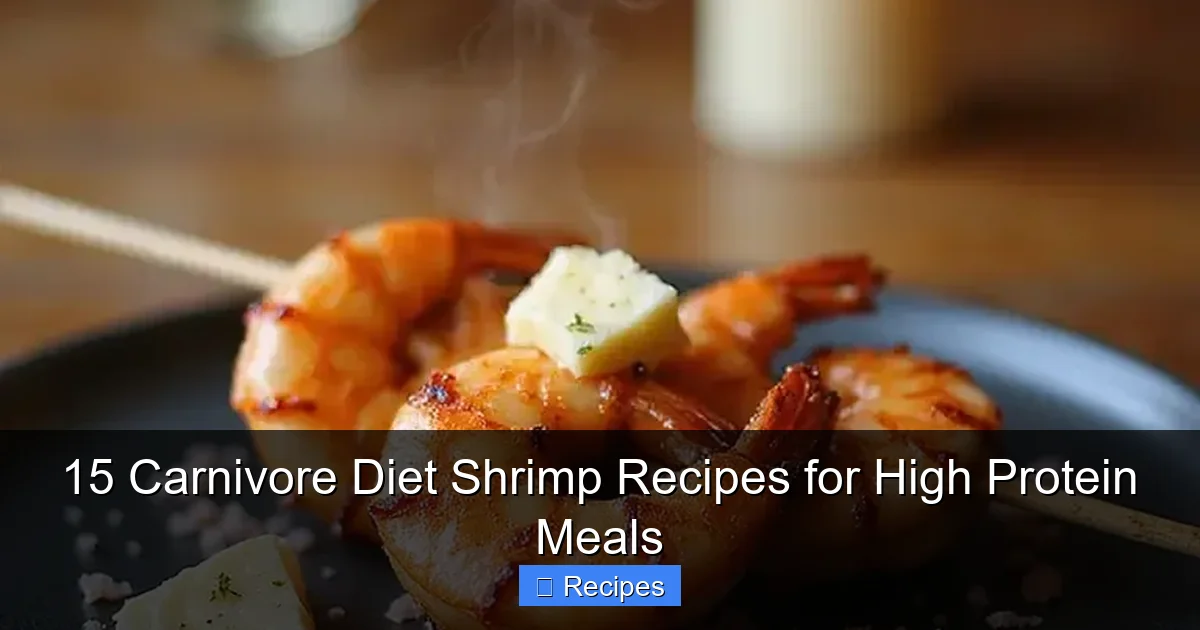
One of the best things about these carnivore diet shrimp recipes is their meal-prep friendliness. Shrimp cooks quickly and stores well, making it ideal for preparing several days’ worth of meals in one session.
Visual guide about 15 Carnivore Diet Shrimp Recipes for High Protein Meals
Image source: chickenrecipester.com
Cooking in Bulk
Choose a method that scales well, like baking or poaching. For baking, use multiple sheet pans if needed to avoid overcrowding. For poaching, you can do a large batch in a big pot. The goal is to cook the shrimp just until done, as they will reheat. Slightly undercooking them by 30 seconds during the initial cook can help prevent rubberiness upon reheating.
Storing Cooked Shrimp
Let cooked shrimp cool completely on a baking sheet (to prevent steaming and sogginess). Once cool, portion into airtight glass containers. Store in the refrigerator for 3-4 days. For longer storage, lay them on a parchment-lined tray, freeze solid, then transfer to a freezer bag. They will keep for 2-3 months. Thaw overnight in the fridge.
Reheating Without Ruining Texture
The enemy of leftover shrimp is harsh, dry heat. Never microwave on high. The best method is to gently reheat in a skillet with a little added butter or tallow over low-medium heat, just until warmed through. You can also briefly dip them in hot (not boiling) water or bone broth. For cold preparations like the “boiled” shrimp recipe, simply take them from the fridge and serve with melted butter.
Building a Carnivore Meal
A complete carnivore meal is balanced in protein and fat. Your shrimp dish is your protein. You must add a significant source of animal fat to meet your energy needs and ensure satiety. This could be:
- A side of rendered fat (tallow, duck fat) for dipping.
- A pat of butter melted over the top.
- A serving of fatty meat like ribeye steak, pork belly, or chicken thighs alongside your shrimp.
- Eggs prepared in plenty of butter.
- Cheese or heavy cream if those are part of your personal protocol.
Think of the shrimp recipe as your main protein component, and consciously pair it with adequate dietary fat.
Addressing Common Concerns: Sustainability, Cost, and More
When venturing into a shrimp-centric diet, a few practical questions arise. Let’s address them head-on.
Sustainability and Sourcing
This is a valid concern. The best choice is wild-caught shrimp from well-managed fisheries, such as those in the USA (Gulf or Alaska), Canada, or Iceland. Look for certifications like MSC (Marine Stewardship Council). Farmed shrimp can have issues with antibiotics, pesticides, and habitat destruction. If buying farmed, seek out responsibly farmed options (e.g., from Ecuador or Thailand with good practices). When in doubt, frozen wild-caught is often a more sustainable and higher-quality bet than “fresh” at a counter that may have been previously frozen and thawed.
Managing the Cost
Shrimp can be expensive, especially large, wild-caught varieties. To make it affordable:
- Buy Frozen: It’s almost always cheaper than “fresh” and is often frozen at sea, preserving freshness.
- Choose Smaller Sizes: 41/50 count (41-50 shrimp per pound) is less expensive than 16/20. They cook faster and work well in most recipes.
- Buy in Bulk: Warehouse clubs or online retailers often have better prices on frozen bags.
- Use as a Supplement: Don’t make shrimp your only protein. Use these recipes 2-3 times a week and base other meals on cheaper cuts of beef, eggs, and chicken.
The Cholesterol Question
Shrimp are famously high in dietary cholesterol. For decades, this was a concern. However, modern science shows that for most people, dietary cholesterol has a minimal impact on blood cholesterol levels. Saturated and trans fats have a much larger effect. On a carnivore diet, which is naturally low in carbs and sugar, your body’s lipid metabolism adapts. Many carnivore dieters see their HDL (good cholesterol) rise and triglycerides plummet, even with high-cholesterol foods like shrimp and eggs. If you have a known genetic condition like familial hypercholesterolemia, consult your doctor, but for the average person, shrimp’s cholesterol content is not a health risk and should not deter you from this nutrient-dense food.
Allergies and Sensitivities
Shellfish allergies are common and serious. If you have a known allergy, obviously avoid shrimp. Some people report digestive discomfort with shrimp on carnivore, which could be due to the high protein load, a sensitivity to the iodine, or a histamine reaction in those who are sensitive (especially with older or improperly stored shrimp). Start with a small portion of a simple recipe to assess your tolerance. Always ensure your shrimp is fresh or properly frozen and thawed.
Frequently Asked Questions
Can I use pre-cooked shrimp for these carnivore recipes?
You can, but it’s not ideal. Pre-cooked shrimp is often overcooked and rubbery. For the best texture and flavor, start with raw shrimp and cook them yourself using the methods described. It only takes a few minutes and makes a significant difference in quality.
Is it okay to eat shrimp every day on the carnivore diet?
From a nutritional standpoint, yes, shrimp are a complete and healthy animal food. However, for long-term dietary diversity and to minimize potential exposure to any contaminants (which are generally very low in wild-caught shrimp), it’s wise to rotate your protein sources. Aim for shrimp 3-4 times a week at most, and base the rest of your meals on beef, pork, poultry, and other seafood.
What’s the best way to thaw frozen shrimp?
The safest method is to thaw them slowly in the refrigerator overnight. For a quicker method, place the sealed bag of shrimp in a bowl of cold water, changing the water every 30 minutes until thawed. Never thaw at room temperature. Always pat them completely dry with paper towels before cooking to ensure a good sear.
Can I add any spices or herbs to stay “carnivore”?
Strictly speaking, the original carnivore diet excludes all plant-derived spices and herbs. However, many people follow a more relaxed version and use salt-based seasonings, garlic powder (made from dried garlic), or onion powder. If you are following a strict zero-plant protocol, you must avoid these. The recipes here use only salt and animal fats to be 100% compliant. Always tailor the diet to your individual tolerance and goals.
How do I know if my shrimp are overcooked?
Overcooked shrimp turn a dull grayish-white, form a tight “C” shape, and have a tough, rubbery texture. Perfectly cooked shrimp are a bright pinkish-white (with opaque flesh), have a loose “U” shape, and are firm yet tender to the bite. They will continue to cook after you remove them from the heat, so take them off just before they look perfect.
Are there any carnivore diet shrimp recipes that are good for meal prep?
Yes! The baked shrimp (Recipe #3) and the poached shrimp (Recipe #13) are excellent for meal prep. Cook a large batch, store in the fridge, and reheat gently in a pan with a little extra butter for 1-2 minutes. You can also make the pan-seared shrimp (Recipe #1) in bulk and store, but they reheat best when gently warmed in a skillet rather than microwaved. Pair with pre-cooked fatty meats or hard-boiled eggs for a week of ready-to-eat meals.