Dive into the heart of Argentina’s coastal cuisine with 15 explosive shrimp recipes. We explore iconic flavors like chimichurri, garlic-olive oil, and smoky paprika that define this vibrant cooking. Each recipe is designed for home cooks, offering clear steps to achieve restaurant-worthy, boldly seasoned shrimp any night of the week. Get ready to fire up the grill and savor the passion of Argentinian seafood.
Key Takeaways
- Flavor Foundation: Argentinian shrimp dishes are built on a powerful trio: fresh herbs (parsley, oregano), garlic, and high-quality olive oil, often finished with a touch of smoked paprika or red wine vinegar.
- Chimichurri is King: This uncooked herb sauce is the most iconic condiment, used as a marinade, finishing sauce, or dipping companion for nearly every shrimp preparation.
- Cooking Methods Matter: Traditional techniques like high-heat grilling (asado), quick sautéing, and baking in clay pots (cazuelas) are essential for achieving the perfect texture and char.
- Simplicity with Depth: The magic lies in using a few, high-quality ingredients that sing together, rather than complex, lengthy preparations.
- Versatility is Key: These recipes transition seamlessly from main courses to appetizers (picadas), often served with crusty bread to soak up every drop of flavorful sauce.
- Pantry Staples are Crucial: Stock your shelf with smoked paprika (pimentón), dried oregano, and good red wine vinegar to authentically replicate these bold tastes.
- Embrace the “Criollo” Spirit: This cooking style is rustic, generous, and meant for sharing, reflecting the social culture of Argentina itself.
📑 Table of Contents
- The Soul of the Sea on a Plate: Why Argentinian Shrimp Cooks with Passion
- Building Your Argentinian Pantry: The Flavor Arsenal
- Mastering the Core Techniques: Grill, Sauté, and Bake
- 15 Bold-Flavor Argentinian Shrimp Recipes
- Pairing and Serving: The Complete Argentinian Experience
- Conclusion: Bring the Boldness Home
The Soul of the Sea on a Plate: Why Argentinian Shrimp Cooks with Passion
Close your eyes and picture the Argentine coast. You might imagine sweeping plains dotted with cattle, but to the east, the Atlantic Ocean offers a spectacular, rugged shoreline. This is where a distinct seafood tradition thrives, far from the Italian and Spanish influences that dominate Buenos Aires’ pasta and pizza scenes. Here, Argentinian shrimp recipes are a celebration of the sea’s bounty, cooked with a criollo (creole) spirit that is rustic, fiery, and deeply herbaceous. It’s not about delicate sauces; it’s about bold, immediate flavor that hits you with the first bite. Think of plump shrimp, charred from the grill, glistening with a garlicky, parsley-packed chimichurri. Or tender shrimp baked in a clay pot with tomatoes, peppers, and a kick of smoked paprika. This is comida honesta—honest food—where every ingredient earns its place.
What makes these recipes truly special is their paradox: they are astonishingly simple in technique yet explode with layered, complex flavor. The secret weapon is the Argentine pantry, a collection of dried herbs, robust spices, and vinegars that transform basic shrimp into something unforgettable. In this culinary journey, we won’t just list recipes; we’ll unpack the philosophy behind them. You’ll learn why a particular cut of shrimp matters, how to build a base of flavor in minutes, and the cultural context that turns a weeknight dinner into a festive asado (barbecue). Whether you’re a seasoned grill master or a stovetop simmerer, these 15 Argentinian shrimp recipes with bold flavor will equip you with the tools to bring the vibrant soul of the Argentine coast to your kitchen.
Building Your Argentinian Pantry: The Flavor Arsenal
Before you touch a single shrimp, you need to assemble your flavor battalion. Authentic Argentinian cooking relies on a specific set of pantry ingredients that create its signature profile. Unlike cuisines that depend on fresh, perishable aromatics, this tradition uses dried herbs and spices that are shelf-stable but pack an intense, concentrated punch. Investing in these few key items will unlock the authenticity of every recipe that follows.
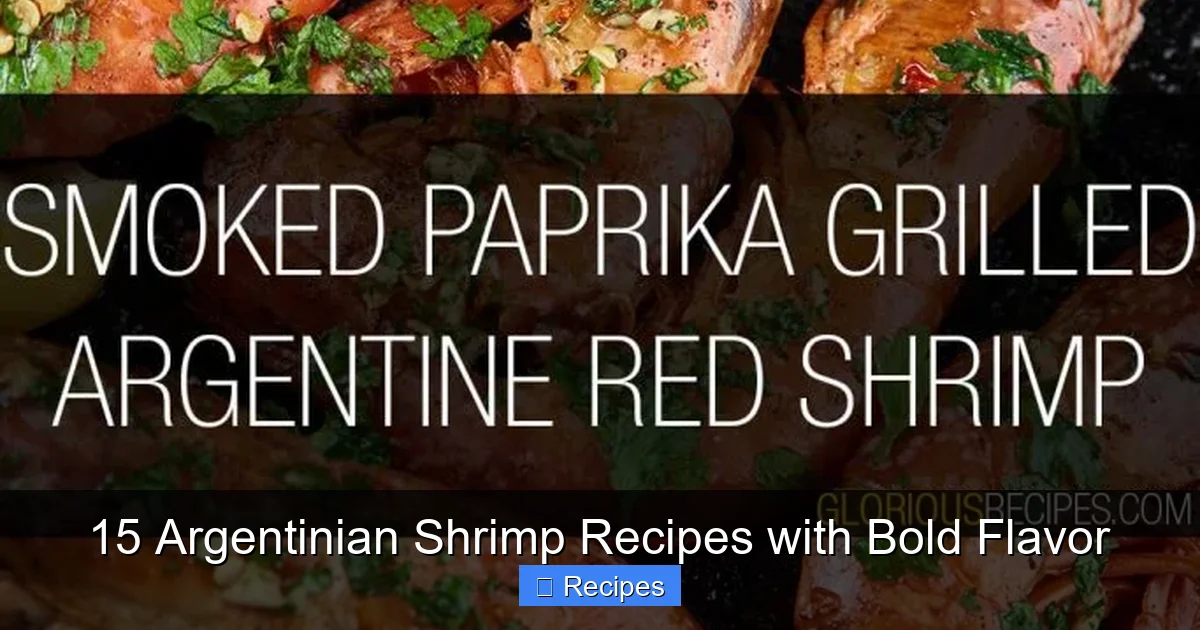
Visual guide about 15 Argentinian Shrimp Recipes with Bold Flavor
Image source: gloriousrecipes.com
The Holy Trinity: Oregano, Parsley, and Garlic
While fresh parsley is used generously, dried oregano (orégano) is the undisputed herb king. It’s more pungent and earthy than its Mediterranean cousin, often rubbed between your fingers to release its oils before use. Garlic is never shy; it’s used in bulk, thinly sliced or minced, and often cooked slowly in olive oil to create a sweet, deep base. For the freshest element, curly leaf parsley is preferred over flat-leaf for its milder, grassy note, and it’s always chopped coarsely, never minced fine.
Smoked Paprika (Pimentón) and Red Wine Vinegar
This is your color and your acid. Smoked paprika (pimentón ahumado) is non-negotiable. It provides a haunting wood-smoke aroma and a deep red hue that instantly signals “Argentinian” on a plate. It’s used more for flavor than heat. The second pillar is red wine vinegar (vinagre de vino tinto). It’s the bright, tangy counterpoint that cuts through rich olive oil and fatty shrimp, adding a necessary sharpness to chimichurri and marinades.
Olive Oil and the Optional Provoleta
Use a good, fruity extra virgin olive oil. It’s the carrier for all these flavors. For a truly decadent touch, have some provolone cheese (for provoleta) on hand. This semi-soft, slightly smoky cheese is often melted over grilled meats and seafood, adding a salty, gooey layer that is pure indulgence.
- Shopping Tip: Find smoked paprika at specialty grocers or online. Look for Spanish or Argentine brands. For oregano, seek out Mexican or Mediterranean dried varieties for the most robust flavor.
- Pro Tip: Make a big batch of chimichurri (see Recipe 1) and keep it in the fridge for up to a week. It’s the ultimate flavor booster for eggs, roasted vegetables, and of course, all your shrimp.
Mastering the Core Techniques: Grill, Sauté, and Bake
Argentinian shrimp cooking is defined by three primary methods, each yielding a distinct texture and flavor profile. Mastering these techniques is more important than memorizing recipes, as they are the reusable frameworks for endless variations.
Visual guide about 15 Argentinian Shrimp Recipes with Bold Flavor
Image source: herbaker.com
The Asado: Grilling with Fire and Flavor
The asado is Argentina’s sacred barbecue ritual. For shrimp, this means skewering them (often with bell peppers or onions) and cooking over high, direct heat for just 2-3 minutes per side. The goal is a quick char on the exterior while keeping the interior succulent. The smoky flavor from the grill or charcoal is a crucial ingredient itself. Always oil the shrimp lightly and the grill grates well to prevent sticking. A key tip: don’t overcrowd the skewers. You want space for the heat to circulate and create those beautiful grill marks.
The Quick Sauté: Building a Flavor Base in Minutes
This is the workhorse method for weeknights. In a hot sartén (skillet), you begin by slowly cooking garlic and sometimes thinly sliced peppers or onions in olive oil until fragrant but not browned. Then, you add the shrimp in a single layer, ensuring they have contact with the pan. They cook rapidly, often in just 3-4 minutes. The magic happens in the final 30 seconds when you deglaze the pan with a splash of white wine, lemon juice, or broth, scraping up any browned bits to create a instant, cohesive sauce that clings to every shrimp.
Baking in a Cazuela: Rustic, Simmered Comfort
A cazuela is a traditional earthenware or clay pot. Its thick walls provide even, gentle heat, perfect for baking or simmering shrimp dishes that are saucy and communal. The process usually involves sautéing aromatics first, then adding tomatoes, peppers, or a broth base, bringing it to a simmer, and finally nestling the shrimp on top. The pot goes into a hot oven until the shrimp are just cooked through, and the sauce has thickened slightly. This method infuses the shrimp with the slow-cooked flavors of the base and is ideal for feeding a crowd.
- Universal Shrimp Tip: Regardless of method, shrimp cook incredibly fast. They are done the moment they turn opaque and curl into a loose “C” shape. Overcooking by even 30 seconds turns them rubbery. Err on the side of undercooking, as residual heat will finish them.
15 Bold-Flavor Argentinian Shrimp Recipes
Now, the main event. These recipes are organized by their primary cooking technique, showcasing how the same core ingredients can create vastly different experiences. Each one is a testament to the power of bold, simple flavors. We begin with the iconic, move through stovetop classics, and finish with baked communal wonders.
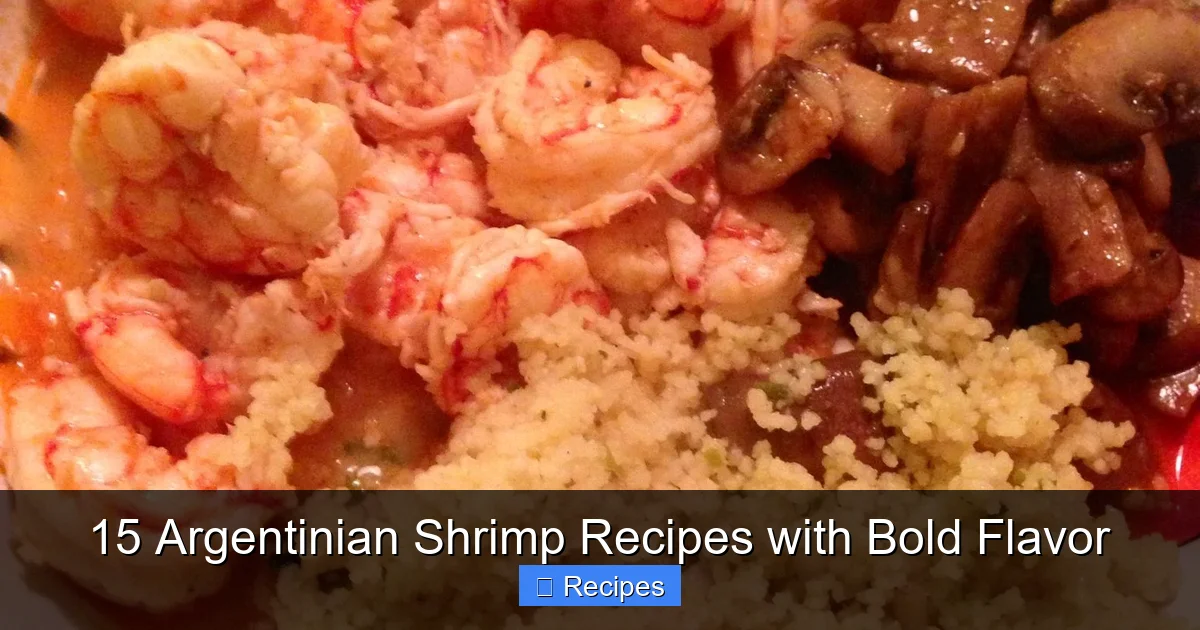
Visual guide about 15 Argentinian Shrimp Recipes with Bold Flavor
Image source: i.pinimg.com
Recipe 1: The Iconic Gambas al Ajillo (Argentinian-Style Garlic Shrimp)
While gambas al ajillo is Spanish in origin, Argentina has made it its own with a heavier hand on the parsley and a splash of local wine. This is the ultimate garlic-shrimp experience, served sizzling in a small clay pot or cast-iron skillet with crusty bread for dipping.
Ingredients:
1 lb large shrimp, peeled and deveined
1/4 cup good olive oil
8-10 garlic cloves, thinly sliced
1 tsp dried oregano
1/2 cup fresh parsley, coarsely chopped
1/4 cup dry white wine or vino blanco seco
1 tbsp fresh lemon juice
1/2 tsp smoked paprika
Salt and black pepper to taste
Instructions:
1. Pat shrimp very dry with paper towels. Season lightly with salt and pepper.
2. Heat olive oil in a small cazuela or heavy skillet over medium-low heat. Add garlic slices and cook, stirring constantly, until fragrant and just starting to turn golden (about 2 minutes). Do not let it burn.
3. Increase heat to medium-high. Add shrimp in a single layer. Cook for 1 minute without stirring.
4. Add oregano and smoked paprika. Stir shrimp and cook for another 1-2 minutes until they just start to turn pink.
5. Pour in white wine and lemon juice. Bring to a simmer and cook for 1 minute, scraping the pan to incorporate.
6. Remove from heat. Stir in most of the chopped parsley. Garnish with remaining parsley and serve immediately with toasted bread.
Recipe 2: Langostinos a la Parrilla with Chimichurri
This is the flagship of the asado. Large, meaty shrimp (often called langostinos or king prawns) are grilled simply to let the char and the chimichurri shine. It’s a dish of pure, unadulterated pleasure.
Ingredients:
1.5 lbs large shrimp or langostinos, peeled, deveined, tails on
3 tbsp olive oil
Salt and black pepper
1 batch of Chimichurri (Recipe 1 base, without wine)
Instructions:
1. Toss shrimp with olive oil, salt, and pepper. Thread onto metal or soaked wooden skewers, leaving a little space between each.
2. Preheat grill to high (450-500°F). Oil the grates well.
3. Grill skewers for 2-3 minutes per side, until shrimp are opaque and have distinct char marks. Do not overcook.
4. Immediately transfer to a platter. Generously spoon chimichurri over the top, or serve it on the side for dipping.
Recipe 3: Calamares y Gambas a la Provenzal (Squid & Shirtm Provençal)
A classic coastal combination. “A la Provenzal” refers to a style of cooking with garlic, parsley, and sometimes tomatoes, reminiscent of Provence but with an Argentine twist. It’s a quick, one-pan wonder.
Ingredients:
1 lb large shrimp, peeled
1 lb small squid, cleaned and cut into rings
3 tbsp olive oil
6 garlic cloves, minced
1 small red bell pepper, thinly sliced
1/2 cup dry white wine
1/2 cup fish stock or water
1/4 cup fresh parsley, chopped
1 tsp dried oregano
Juice of 1/2 lemon
Salt and pepper
Instructions:
1. Heat oil in a large skillet over medium-high heat. Add garlic and bell pepper. Sauté for 2 minutes until fragrant.
2. Add squid rings. Cook for 1 minute, stirring.
3. Add shrimp, spreading them in the pan. Cook for 1 minute.
4. Pour in white wine and stock. Season with oregano, salt, and pepper. Bring to a simmer and cook for 2-3 minutes, until shrimp are pink and squid is tender.
5. Stir in parsley and lemon juice. Serve immediately.
Recipe 4: Ensalada de Palmitos y Gambas (Hearts of Palm & Shrimp Salad)
A refreshing, elegant salad common in upscale Argentine restaurants. The crisp, mild hearts of palm (palmitos) provide a perfect canvas for the shrimp and a tangy dressing.
Ingredients:
1 lb cooked shrimp, chilled
2 cans (14 oz each) hearts of palm, drained and sliced
2 ripe avocados, diced
1 small red onion, thinly sliced
1/4 cup fresh parsley, chopped
For the dressing:
1/4 cup olive oil
3 tbsp fresh lemon juice
1 tbsp red wine vinegar
1 tsp dried oregano
Salt and pepper
Instructions:
1. In a large bowl, combine shrimp, hearts of palm, avocado, red onion, and parsley.
2. Whisk dressing ingredients together in a small bowl.
3. Pour dressing over the salad and toss gently to combine. Serve chilled.
Recipe 5: Gambas a la Cazuela (Shrimp in Clay Pot)
A rustic, baked dish where shrimp simmer in a tomato and pepper sauce. The clay pot retains heat beautifully, keeping the dish warm at the table. It’s perfect for a cozy family meal.
Ingredients:
2 tbsp olive oil
1 large onion, diced
1 red bell pepper, diced
3 garlic cloves, minced
1 (14 oz) can crushed tomatoes
1/2 cup fish or chicken broth
1 tsp smoked paprika
1 tsp dried oregano
1 bay leaf
2 lbs large shrimp, peeled
Salt and pepper
Fresh parsley for garnish
Instructions:
1. Preheat oven to 375°F. Heat oil in the cazuela or a heavy oven-proof skillet over medium heat. Sauté onion and bell pepper until soft (5 minutes). Add garlic and cook 1 minute.
2. Stir in tomatoes, broth, paprika, oregano, and bay leaf. Season with salt and pepper. Bring to a simmer.
3. Nestle shrimp into the sauce. Cover with lid or foil.
4. Bake for 15-20 minutes, until shrimp are opaque. Remove from oven, discard bay leaf, and garnish with parsley.
Recipe 6: Empanadas de Gambas (Shrimp Empanadas)
A beloved picada (appetizer platter) staple. These handheld pastries are filled with a savory, herby shrimp mixture, then baked or fried to golden perfection.
Ingredients:
2 sheets frozen puff pastry, thawed
1 lb shrimp, finely chopped
1 tbsp olive oil
1 small onion, finely diced
1/2 red bell pepper, finely diced
2 garlic cloves, minced
1/2 cup frozen peas
2 tbsp chopped parsley
1 tsp smoked paprika
1/2 cup grated provolone or mozzarella
1 egg, beaten (for egg wash)
Instructions:
1. Sauté onion and bell pepper in oil until soft. Add garlic and cook 1 minute. Add chopped shrimp and cook until just pink. Stir in peas, parsley, and paprika. Cool slightly, then mix in cheese.
2. Cut pastry into 6-inch circles. Place a scoop of filling on one half. Fold pastry over to form a half-moon. Crimp edges with a fork. Brush with egg wash.
3. Bake at 400°F for 20-25 minutes until golden. Or fry in hot oil until golden.
Recipe 7: Fideos con Gambas (Shrimp Noodles)
A simple, comforting pasta dish where the shrimp and sauce are cooked together in the same pan as the noodles, creating a cohesive, flavorful meal in under 30 minutes.
Ingredients:
12 oz thin spaghetti or fideos
1/4 cup olive oil
4 garlic cloves, thinly sliced
1 tsp red pepper flakes (optional)
1 lb large shrimp, peeled
1/2 cup dry white wine
1/4 cup reserved pasta water
1/4 cup fresh parsley, chopped
Juice of 1/2 lemon
Salt and pepper
Instructions:
1. Cook pasta in salted water according to package directions. Reserve 1 cup pasta water before draining.
2. While pasta cooks, heat oil in a large skillet over medium heat. Add garlic and pepper flakes. Cook until fragrant (1 minute).
3. Add shrimp to skillet. Cook for 1 minute per side until pink but not fully cooked.
4. Pour in white wine and 1/4 cup pasta water. Simmer for 2 minutes.
5. Add drained pasta to the skillet. Toss vigorously, adding more pasta water if needed to create a silky sauce. Stir in parsley and lemon juice. Season and serve.
Recipe 8: Provoleta con Gambas (Grilled Provolone with Shrimp)
The ultimate indulge. A thick slice of provolone cheese is grilled until bubbly and golden, then topped with a quick garlic-parsley shrimp sauté. It’s a parrillada (grill platter) star.
Ingredients:
2 thick slices (1/2-inch) provolone cheese
1 lb shrimp, peeled and deveined
2 tbsp olive oil
4 garlic cloves, minced
1/4 cup fresh parsley, chopped
1 tbsp red wine vinegar
Crusty bread for serving
Instructions:
1. Heat a grill or grill pan over medium-high heat. Grill provolone slices for 2-3 minutes per side until deeply browned and bubbling. Transfer to a plate.
2. In the same pan, heat olive oil. Add garlic and cook for 30 seconds. Add shrimp and cook for 2-3 minutes until pink.
3. Stir in parsley and vinegar. Toss to coat.
4. Spoon shrimp mixture over the hot provolone. Serve immediately with bread to scoop up the cheesy, garlicky goodness.
Recipe 9: Cazuela de Mariscos (Seafood Stew)
A hearty, tomato-based stew brimming with shrimp and often other seafood like mussels or clams. It’s a warming, rustic bowl of the sea, flavored with saffron or smoked paprika.
Ingredients:
2 tbsp olive oil
1 onion, diced
1 red bell pepper, diced
3 garlic cloves, minced
1 tsp smoked paprika
1 (14 oz) can diced tomatoes
4 cups fish stock
1/4 cup white wine
1 bay leaf
1 lb shrimp, peeled
1/2 lb mussels, cleaned
1/2 cup frozen peas
1/4 cup fresh parsley, chopped
Salt and pepper
Instructions:
1. Heat oil in a large pot. Sauté onion and bell pepper until soft. Add garlic and paprika, cook 1 minute.
2. Add tomatoes, stock, wine, and bay leaf. Bring to a boil, reduce heat, and simmer for 15 minutes.
3. Add shrimp and mussels. Cover and cook for 5-7 minutes until shrimp are pink and mussels have opened (discard any that remain closed).
4. Stir in peas and parsley. Season to taste. Ladle into bowls.
Recipe 10: Gambas a la Plancha (Butterfly Grilled Shrimp)
The simplest, purest expression. Large shrimp are butterflied, seasoned only with salt, and grilled over intense heat. The result is a smoky, juicy shrimp that relies on the quality of the seafood itself. Serve with lemon wedges and salsa criolla (a chopped onion, tomato, and pepper salsa).
Recipe 11: Arroz con Gambas (Shrimp Rice)
Argentina’s answer to paella or seafood risotto, but often simpler. Shrimp is sautéed with aromatics, then rice is toasted and cooked in a flavored broth until tender and slightly crispy on the bottom (socarrat).
Recipe 12: Gambas en Salsa de Tomate (Shrimp in Tomato Sauce)
A classic, saucy dish where shrimp are nestled in a bright, herbaceous tomato sauce with green olives and capers. It’s vibrant, tangy, and perfect over pasta or with polenta.
Recipe 13: Brochetas de Gambas y Morrón (Shrimp & Bell Pepper Skewers)
A colorful, fool-proof grill favorite. Shrimp and chunks of red, yellow, and green bell peppers are marinated in olive oil, lemon, and herbs, then grilled. The peppers char and sweeten, complementing the shrimp perfectly.
Recipe 14: Gambas al Ajillo con Alioli (Garlic Shrimp with Aioli)
An elevated take on Recipe 1. The shrimp are cooked in garlicky oil as before, but served with a dollop of rich, creamy garlic aioli (mayonesa de ajo) on the side or swirled in at the end for extra decadence.
Recipe 15: Enrollado de Gambas (Shrimp Roll-ups)
An elegant appetizer. Large shrimp are wrapped around a filling of cream cheese, herbs, and sometimes prosciutto, then secured with a toothpick and baked or grilled until the shrimp are cooked and the filling is warm and creamy.
Pairing and Serving: The Complete Argentinian Experience
These shrimp dishes are rarely served in isolation. They are part of a larger tapestry of food and drink that defines Argentine hospitality. Understanding how to present and pair them completes the cultural immersion.
The Perfect Wine Pairing
Argentina is a wine powerhouse, and its wines are tailor-made for these bold shrimp dishes. For grilled shrimp with chimichurri (Recipe 2), reach for a crisp, aromatic Torrontés. Its floral notes and bright acidity cut through the herbaceous sauce and cleanse the palate. For richer, baked dishes like the cazuela (Recipe 5) or anything with tomato sauce, a fruity, medium-bodied Malbec is a match made in heaven. Its soft tannins and plum flavors complement the smoky paprika and tomato without overpowering the seafood. For the simplest grilled shrimp (Recipe 10), a cold, crisp lager or quilmes is the traditional, refreshing choice.
Building a Picada or Asado Spread
Shrimp often stars as part of a picada, Argentina’s version of a charcuterie board. Here, you’d include the shrimp empanadas (Recipe 6), grilled shrimp skewers (Recipe 2 & 13), slices of provoleta (Recipe 8), cured meats, olives, and plenty of crusty bread. For a full asado, the shrimp would be grilled alongside beef ribs (costillas), sausages (choripán), and blood sausage (morcilla), all drizzled with chimichurri. The key is abundance and sharing.
Essential Sides and Accompaniments
No Argentinian meal is complete without bread. A simple, crusty baguette or pan criollo is essential for sopping up sauces. Simple boiled or roasted potatoes (papas hervidas or papas al horno) are a common, comforting side. A crisp, green salad with a light vinaigrette provides a fresh contrast to the rich, bold shrimp. And always, always have a bowl of salsa criolla on the table—that chopped onion, tomato, and pepper salad with vinegar and oil—to add a final burst of freshness.
Conclusion: Bring the Boldness Home
These 15 Argentinian shrimp recipes are more than just instructions; they are an invitation to a different way of thinking about flavor. They teach us that greatness can come from a handful of potent ingredients—a glug of olive oil, a fistful of parsley, a pinch of smoky paprika—treated with respect and cooked with confidence. There’s no need for exotic, hard-to-find items or days of marinating. The power is in the technique: a hot pan, a quick grill, a splash of vinegar at the end. It’s cooking that is both deeply traditional and remarkably adaptable. So, stock your pantry with those key staples, master the quick sauté and the hot grill, and don’t be timid with the garlic and herbs. Whether you’re serving a simple weeknight dinner of gambas al ajillo with bread or hosting a grand asado featuring langostinos a la parrilla, you are channeling the vibrant, social, and passionate spirit of Argentina. Now, light the fire, chop the parsley, and get cooking. ¡Buen provecho!
Frequently Asked Questions
Can I use frozen shrimp instead of fresh?
Yes, absolutely. Thaw frozen shrimp thoroughly in the refrigerator overnight or under cold running water. Pat them completely dry before cooking, as excess moisture will steam them instead of searing or grilling. This is a crucial step for good texture.
What if I can’t find smoked paprika (pimentón)?
>Smoked paprika is a key flavor, but in a pinch, you can use a combination of 1/2 tsp sweet paprika plus a few drops of liquid smoke. However, the result won’t be authentic. If possible, order it online—a little goes a long way and it lasts for months in your pantry.
How do I prevent shrimp from overcooking?
Shrimp cook in minutes. The best indicator is visual: they turn from translucent gray to opaque pink and their bodies curl into a loose “C” shape. As soon as you see this, remove them from the heat. They will continue to cook from residual heat. It’s better to slightly undercook them in the pan than to overcook.
Are these Argentinian shrimp recipes spicy?
Generally, no. Traditional Argentinian cuisine is not known for heat like Mexican or Thai food. The boldness comes from garlic, herbs, and smokiness, not chili peppers. Some recipes may include a pinch of red pepper flakes for a subtle kick, but it’s optional and mild. The focus is on savory, herbal, and smoky flavors.
Can I substitute chicken or fish for shrimp in these recipes?
You can, but you will lose the specific texture and quick-cooking nature of shrimp. For chicken, increase cooking time significantly. For firm white fish like halibut or monkfish, you can adapt methods like the cazuela or baking, but adjust times. The flavor profiles (chimichurri, paprika) will still be delicious, but the dish will be different.
What are typical Argentinian side dishes to serve with these shrimp?
Serve with crusty bread for dipping, a simple green salad with a vinaigrette, boiled or roasted potatoes, or a classic ensalada rusa (Russian potato salad). For a full asado spread, include grilled vegetables like bell peppers and onions (morrón y cebolla), provolone cheese, and of course, a good Argentine wine.