Mexican cuisine transforms simple shrimp into extraordinary dishes with bold spices, fresh herbs, and vibrant salsas. This collection of 14 authentic recipes showcases the incredible versatility of shrimp, from quick weeknight tacos to elegant grilled platters. You’ll master essential techniques like proper seasoning, achieving perfect char, and balancing flavors with lime and chili. Whether you’re a beginner or an experienced cook, these accessible, flavor-packed dishes will bring the taste of Mexico straight to your kitchen table.
Key Takeaways
- Shrimp is a versatile canvas: Mexican cooking uses shrimp in everything from quick sautés and hearty stews to refreshing ceviches and smoky grilled dishes, demonstrating its adaptability.
- The “holy trinity” is key: Master the base of onion, garlic, and tomato (often with peppers) for most sauces and sautéed dishes, building a deep flavor foundation.
- Citrus and chili are non-negotiable: Fresh lime juice provides essential acidity and tenderizing power, while dried or fresh chiles (like guajillo, ancho, or jalapeño) deliver signature heat and complexity.
- Fresh herbs finish the dish: Cilantro and epazote are the classic finishing touches that add a bright, aromatic, and distinctly Mexican note to finished shrimp recipes.
- Technique matters as much as ingredients: Learning to properly sear shrimp without overcooking, toast dried chiles, and balance salsas will elevate any recipe from good to great.
- Regional diversity is vast: From the coconut milk of the coast to the earthy moles of the interior, Mexican shrimp recipes reflect the country’s diverse climates and culinary traditions.
- These are weeknight-friendly: Most recipes come together quickly, making impressive, authentic Mexican meals feasible for busy families and casual dinners alike.
📑 Table of Contents
The Vibrant World of Mexican Shrimp: An Introduction
If you think Mexican food is just tacos and burritos, prepare to have your palate delighted. Mexico’s relationship with seafood, especially along its vast coastline, is deep, historic, and explosively flavorful. Shrimp, or camarones, are a beloved staple, treated with a masterful blend of bright acidity, smoky heat, and earthy herbs that turns every dish into a celebration. This isn’t about heavy, smothering sauces; it’s about vibrant salsas, quick sears, and marinades that let the sweet, delicate flavor of the shrimp shine through a symphony of supporting spices.
In this culinary journey, we explore 14 exceptional Mexican shrimp recipes that capture the soul of the cuisine. You’ll learn the secrets behind iconic dishes like camarones a la diabla (deviled shrimp) and ceviche, discover regional specialties like Veracruz-style camarones al ajillo, and find perfect weeknight solutions like spicy shrimp tacos. Each recipe is a lesson in balance—between heat and cooling lime, between tender shrimp and crisp vegetables, between simple technique and monumental flavor. Get your knives sharpened and your limes squeezed; we’re about to cook shrimp the Mexican way.
Building Blocks: Essential Ingredients for Authentic Flavor
Before diving into the recipes, you must assemble your Mexican pantry. The magic of these dishes lies in a handful of key ingredients that create their signature profiles. You don’t need a hundred obscure spices; focus on these core components, and you’ll be 90% of the way there.
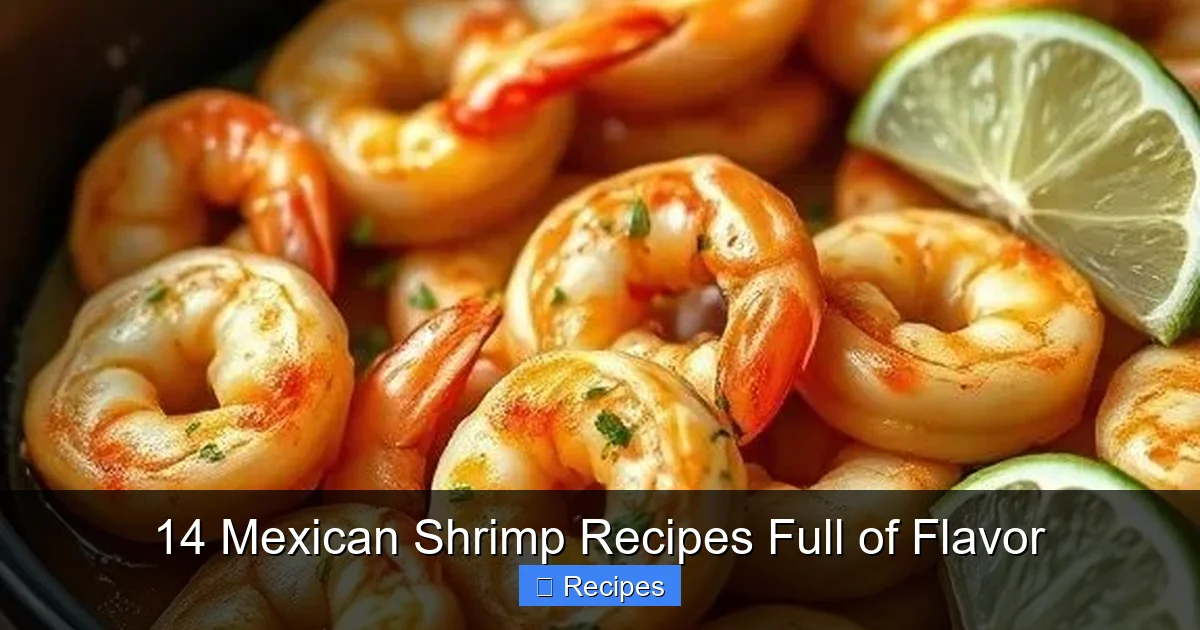
Visual guide about 14 Mexican Shrimp Recipes Full of Flavor
Image source: recipestheir.com
The Aromatic Base: Cebolla, Ajo, y Tomate
Almost every cooked shrimp dish starts here. Finely chopped white onion and minced garlic are sautéed in oil until soft and fragrant, creating a savory foundation. Diced tomato (or canned tomatoes in a pinch) adds body and a touch of sweetness. This trio is the canvas upon which all other flavors are painted. For the best results, take your time here—cook them gently until they’re completely soft, not browned, to build a deep, sweet base.
Heat & Depth: Chiles in All Forms
Chiles are the heart of Mexican heat and complexity. For shrimp recipes, you’ll primarily use:
- Dried Chiles: Guajillo (fruity, medium heat), Ancho (mild, raisin-like), and Chipotle (smoky, intense) are rehydrated and blended into sauces or pastes. Toasting them briefly in a dry pan first unlocks their full potential.
- Fresh Chiles: Jalapeños, serranos, and habaneros provide bright, sharp heat. Control the spice level by removing seeds and membranes. Often, they’re finely diced and added raw to salsas for a punchy kick.
- Chile Pastes & Sauces: Store-bought adobo (chipotle in a spicy tomato sauce) is a game-changer for quick, robust flavor. Salsa de chile de árbol is a fantastic, fiery table sauce.
The Brightness: Acid and Fresh Herbs
No Mexican dish is complete without a jolt of acidity. Fresh lime juice is absolutely essential—it “cooks” the shrimp in ceviche, balances rich sauces, and finishes grilled shrimp with a zesty spark. Never use bottled lime juice; the fresh, floral notes are irreplaceable.
Fresh herbs are the final flourish. Cilantro is ubiquitous, but don’t forget epazote. This pungent, earthy herb is a secret weapon in bean dishes and some coastal stews, adding a uniquely Mexican aroma. If you can’t find it, a small amount of oregano works in a pinch.
Umami Boosters
For a deeper savoriness, many recipes include a touch of caldo de pollo (chicken bouillon) or a spoonful of mayonesa (Mexican-style mayonnaise, often used in creamy sauces). A splash of vinagre (white vinegar) can also brighten a cooked sauce.
Recipe Showcase: 14 Flavor-Packed Mexican Shrimp Dishes
Now, the moment you’ve been waiting for. These recipes are organized from quickest to most involved, but all are designed for the home cook. We’ve included pro tips for each to ensure your success.
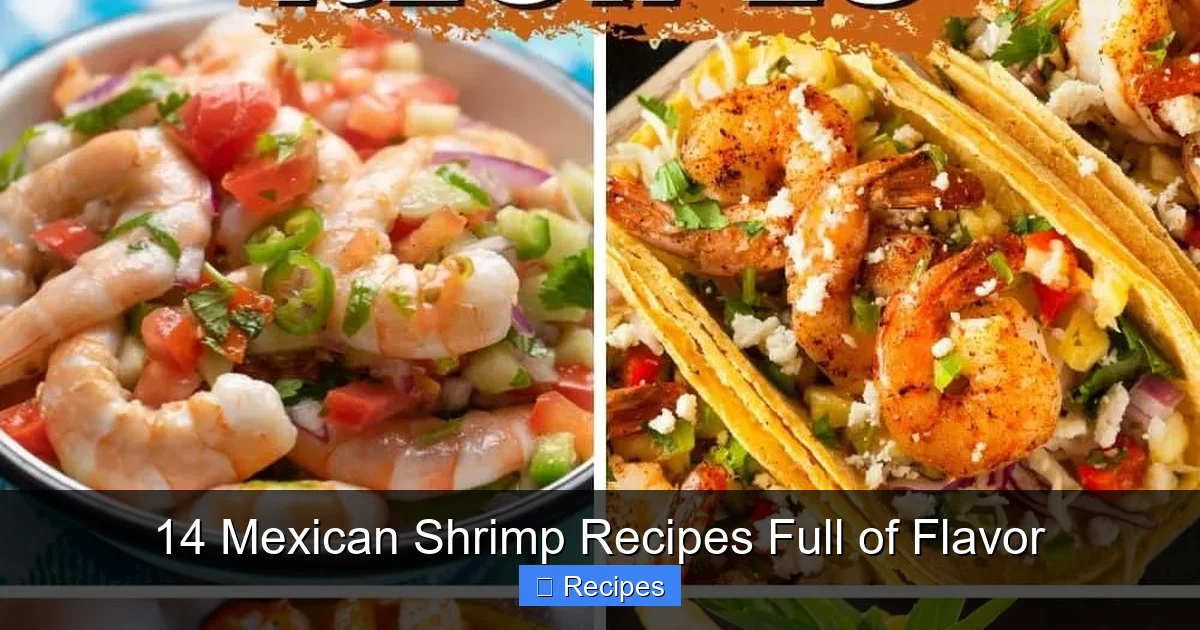
Visual guide about 14 Mexican Shrimp Recipes Full of Flavor
Image source: insanelygoodrecipes.com
1. Classic Camarones a la Diabla (Deviled Shrimp)
The name says it all: spicy, garlicky, and utterly addictive. The devil is in the sauce—a blend of butter, garlic, and chiles. This is a dish that comes together in the time it takes to boil water for rice.
- Pro Tip: Use a mix of chiles for complexity. Try 2-3 chipotle chiles in adobo for smoky heat and 1 fresh serrano for bright kick. Blend them with a little of the adobo sauce for the best base.
- Serve With: Mexican rice and warm corn tortillas to soak up every drop of the glorious sauce.
2. Ceviche de Camarón (Shrimp Ceviche)
The ultimate fresh, light dish. “Cooking” happens via acid—fresh lime juice denatures the proteins in the shrimp, turning them opaque and firm. It’s a cold appetizer bursting with citrus and herbs.
- Pro Tip: Use the smallest shrimp you can find (like 51/60 count) for the best texture after “cooking.” They absorb the lime flavor faster and more evenly. Don’t skip the step of finely mincing the onion and letting it soak in the lime juice with the shrimp; it takes the raw edge off.
- Key Ingredient: A handful of chopped cilantro and a diced serrano chile are non-negotiable for authentic flavor.
3. Shrimp Tacos (Tacos de Camarón)
There are two main styles: battered & fried (camarones empanizados) or simply grilled/sautéed. Both are fantastic, topped with a creamy salsa de aguacate (avocado sauce) or a crunchy pico de gallo.
- Pro Tip for Fried: Pat shrimp extremely dry, dredge in seasoned flour (add chili powder and cumin), then dip in a batter of egg and cold beer for extra lightness. Fry in very hot oil.
- Pro Tip for Grilled: Marinate shrimp in a mixture of lime juice, olive oil, garlic, and achiote paste for 15 minutes. Grill over high heat for 2-3 minutes per side. Don’t overcrowd the pan or grill.
- Must-Have Toppings: Cabbage slaw (with lime and cilantro), a drizzle of crema (or sour cream mixed with lime), and a wedge of lime.
4. Camarones al Ajillo (Garlic Shrimp)
Simple, elegant, and powerful. This Veracruz-style dish is all about the gentle infusion of garlic into olive oil, which then becomes a silky sauce for the shrimp. It’s often finished with a splash of white wine and fresh parsley.
- Pro Tip: Use plenty of garlic—at least 6 cloves for a pound of shrimp. Slice it thinly so it infuses the oil quickly without burning. Cook the garlic over medium-low heat until golden and fragrant before adding the shrimp.
- Variation: Add a few thinly sliced jalapeños for a al ajillo con chile version.
5. Camarones en Salsa de Mango (Shrimp in Mango Sauce)
A sweet, tangy, and slightly spicy sauce that perfectly complements sweet shrimp. This is a coastal specialty, showcasing Mexico’s love for fruit in savory dishes.
- Pro Tip: Use a firm, ripe mango. Puree half for the sauce base and dice the other half for texture. Add the mango puree to the pan *after* cooking the shrimp base (onion, garlic) to avoid making the sauce too watery. Simmer just to combine and thicken slightly.
- Balance is Key: The sauce needs acid (lime juice) and heat (a minced habanero or serrano) to counteract the mango’s sweetness.
6. Aguachile (Spicy Shrimp Consommé)
Hailing from Sinaloa, this is a fiery, soupy, and incredibly refreshing dish. It’s like a cross between a spicy shrimp cocktail and a light broth, loaded with vegetables. The broth is made by blending cooked shrimp with chiles, lime, and cucumber.
- Pro Tip: Use a combination of dried chiles (like guajillo and árbol) for depth and heat. The key is blending the cooked shrimp *with* the broth ingredients to create a thick, flavorful base, then adding more raw shrimp and veggies.
- Serve Immediately: Aguachile is meant to be eaten fresh, as the acidity will continue to “cook” the shrimp. Serve in shallow bowls with extra cucumber, radish, and avocado.
7. Camarones a la Cocada (Coconut Shrimp)
A specialty of the Pacific coast, particularly Acapulco. Shrimp are cooked in a creamy, slightly sweet coconut milk sauce with garlic, onions, and often a touch of white wine. It’s luxurious and comforting.
- Pro Tip: Use full-fat coconut milk for the best texture. Sauté the aromatics first, then add the coconut milk and a splash of seafood stock or water. Simmer gently to reduce and thicken slightly before adding the shrimp.
- Herb Finish: Fresh cilantro is essential here to cut through the richness.
8. Shrimp and Cheese Stuffed poblano Chiles (Chiles Rellenos de Camarón)
A stunning main course. Poblano chiles are roasted, peeled, and stuffed with a mixture of sautéed shrimp, cheese (like Oaxaca or Monterey Jack), and sometimes spinach or herbs, then battered and fried or baked.
- Pro Tip: Roast poblanos directly over a gas flame or under a broiler until blackened. Place in a bowl, cover with plastic, and steam for 10 minutes to make peeling effortless.
- Stuffing Tip: Don’t overstuff! The cheese will melt and expand. A tablespoon of shrimp mixture and a strip of cheese per chile is perfect.
9. Shrimp Fried Rice (Arroz con Camarón)
A fantastic way to use leftover rice and shrimp. This is a one-pan meal packed with vegetables and seasoned with achiote, cilantro, and lime. It’s a home-cooked staple.
- Pro Tip: Use day-old, cold rice. It fries better and doesn’t turn mushy. Sauté the shrimp first, remove, then cook the vegetables and rice in the same pan with the shrimp-infused oil.
- Secret Ingredient: A teaspoon of caldo de pollo powder or a splash of salsa de soya (soy sauce) adds a wonderful umami depth.
10. Shrimp Enchiladas (Enchiladas de Camarón)
Shrimp are folded into corn tortillas, topped with a vibrant red or green enchilada sauce, and baked with cheese. The key is not overcooking the shrimp in the filling, as they will cook more in the oven.
- Pro Tip: Make the sauce from scratch for the best flavor. For a quick red sauce, blend 3-4 dried guajillo chiles (soaked and seeded) with a tomato, onion, and garlic. Simmer for 10 minutes.
- Filling: Sauté shrimp with onion and garlic, chop into bite-sized pieces, and mix with a little crema or shredded cheese to keep them moist.
11. Camarones en Escabeche (Pickled Shrimp)
A preserved dish where cooked shrimp are submerged in a vinegary, spiced brine with carrots, onions, and jalapeños. It’s served cold, often as an appetizer or in a torta (sandwich). The flavor is tangy, sharp, and addictive.
- Pro Tip: The escabeche brine must be boiled and then cooled completely before pouring over the shrimp. This ensures proper pickling and food safety. Use a mix of white vinegar and a little orange juice for a more complex acidity.
- Make Ahead: This is even better the next day as the flavors meld.
12. Shrimp and Nopal Salad (Ensalada de Camarón y Nopal)
A refreshing, healthy dish featuring tender-cooked nopales (cactus paddles) and shrimp in a lime-cilantro vinaigrette. It’s a common street food and home-cooked meal, especially in central Mexico.
- Pro Tip: If using fresh nopales, boil them in salted water with a piece of epazote or onion until tender but still crisp (about 15-20 mins). Drain and rinse under cold water. Canned or jarred nopales work great too.
- Dressing: Whisk together lime juice, olive oil, minced garlic, chopped cilantro, and salt. Toss with warm (not hot) shrimp and nopales.
13. Grilled Shrimp Skewers with Chile-Lime Butter (Camarones a la Parrilla)
Simple yet spectacular. Large shrimp are marinated in citrus and spices, threaded onto skewers, and grilled. The finishing touch is a compound butter of softened butter mixed with lime zest, chili powder, and cilantro, melted over the hot shrimp.
- Pro Tip: Soak wooden skewers in water for 30 minutes to prevent burning. Pat shrimp very dry before marinating to ensure good grill marks. Grill over medium-high heat, turning only once.
- Butter Hack: Mix the compound butter in advance and keep it in the fridge. A small pat on each hot shrimp creates an instant, glossy sauce.
14. Shrimp Soup (Sopa de Camarón)
A comforting, tomato-based soup found throughout Mexico. It features a clear, flavorful broth with chunks of potato, carrot, and zucchini, loaded with shrimp. It’s lighter than a stew but deeply satisfying.
- Pro Tip: Build the broth by sautéing onion, garlic, and tomato first. Add water or light chicken stock and simmer with vegetables until tender. Add the shrimp in the last 2-3 minutes of cooking—they cook very quickly in the hot broth.
- Serve With: A squeeze of fresh lime and a handful of chopped cilantro. A side of avocado and warm tortillas makes it a full meal.
The Art of Technique: From Sear to Simmer
Knowing the “how” is as important as knowing the “what.” Master these fundamental techniques, and you’ll unlock the potential of any Mexican shrimp recipe.
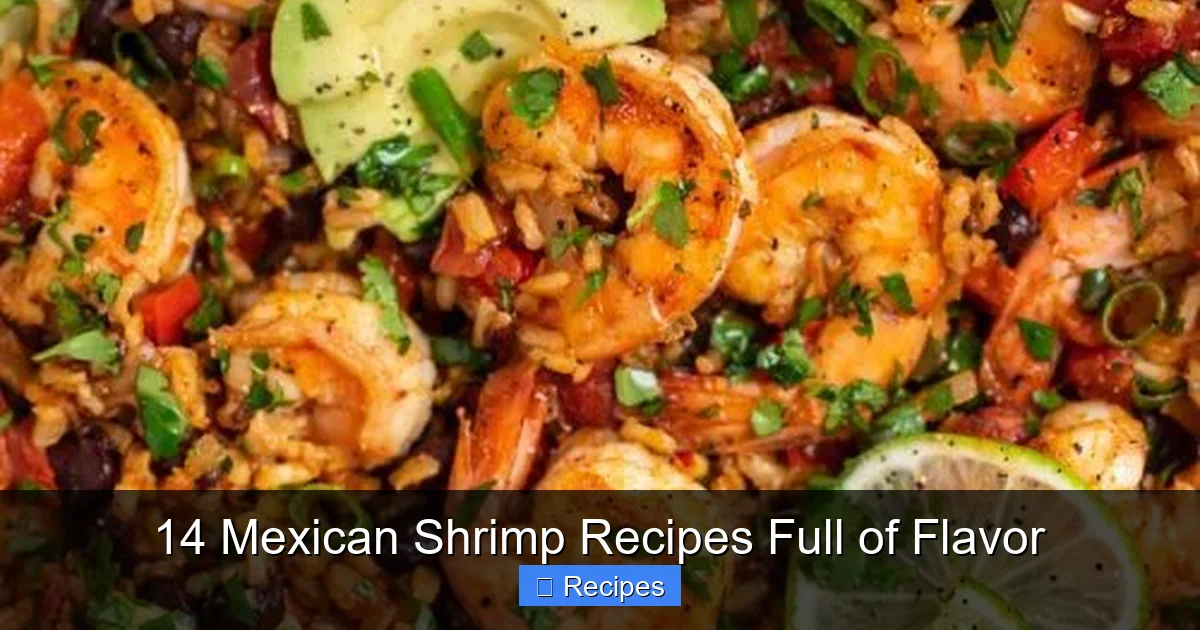
Visual guide about 14 Mexican Shrimp Recipes Full of Flavor
Image source: wellplated.com
The Perfect Sear: Don’t Crowd the Pan
This is the #1 rule for succulent shrimp. Whether for tacos, al ajillo, or skewers, shrimp must be cooked in a single layer with space between them. If the pan is overcrowded, they steam instead of sear, becoming rubbery. Cook in batches if necessary. Get your pan very hot with a little oil before adding the shrimp. They should sizzle immediately. Cook just until they turn pink and firm, about 1-2 minutes per side. They will continue to cook from residual heat, so it’s better to slightly undercook them in the pan.
Mastering Dried Chiles
Dried chiles are a cornerstone. The process is simple: remove stems and seeds, toast them in a dry skillet over medium heat for 1-2 minutes per side until fragrant and slightly pliable (don’t let them burn!). Then, soak them in very hot water for 15-20 minutes until soft. Blend them with some of the soaking liquid to create a smooth, rich mole or adobo paste.
Balancing Flavors: The Mexican Way
The goal is a harmonious balance of fat, acid, salt, heat, and sweetness. Taste constantly and adjust. A dish that tastes flat likely needs a squeeze of lime. A sauce that’s too rich needs a touch of acid. A spicy dish that’s overwhelming needs a spoonful of crema or a sprinkle of cheese to cool it down. Remember the final sprinkle of fresh cilantro—it’s not just garnish; it’s a crucial flavor component.
Bringing It All Together: Your Mexican Shrimp Feast
Hosting a Mexican-themed dinner around shrimp is a fantastic idea because the dishes are so varied and can be prepared mostly ahead of time. Start with ceviche or aguachile as a stunning, cold appetizer. For the main event, you could serve camarones a la diabla with arroz con camaron and a simple cucumber salad. Or go for a taco bar with grilled shrimp, all the toppings, and homemade corn tortillas. For a truly impressive spread, include a mole-style shrimp dish (like camarones en mole verde, using tomatillos and poblano) and a side of nopal salad.
The key to a stress-free meal is mise en place. Chop all your onions, garlic, tomatoes, and herbs. Prepare your salsas and sauces. Marinate your shrimp. Have your rice cooking. Then, when guests arrive, the actual cooking of the shrimp—which happens in minutes—is a breeze. This is the beauty of Mexican cooking with shrimp: the prep work is where the love is, and the final cooking is a quick, fiery spectacle that wows everyone at the table.
Conclusion: Flavor is the Main Event
These 14 Mexican shrimp recipes offer a passport to one of the world’s most vibrant and delicious culinary traditions. They prove that with a few key ingredients—chiles, lime, cilantro, and garlic—and a respect for proper technique, you can create meals that are far greater than the sum of their parts. Whether you’re seeking a lightning-fast weeknight taco dinner, a refreshing summer ceviche, or a show-stopping dish for a celebration, Mexican cuisine has a shrimp preparation that will fit the bill perfectly. So embrace the bold flavors, don’t be afraid of the chiles, and most importantly, enjoy the process. The result will be plates emptied with smiles, and that’s the true measure of a successful meal. ¡Buen provecho!
Frequently Asked Questions
Can I use frozen shrimp for these recipes?
Yes, frozen shrimp are perfectly fine and often more economical. Thaw them completely in the refrigerator overnight or place them in a sealed bag and submerge in cold water for 30 minutes. Pat them very dry with paper towels before cooking, as excess moisture will steam them instead of searing.
How do I adjust the spice level in a recipe?
Control heat primarily through the chiles. For less spice, remove the seeds and white membranes from fresh chiles, use fewer dried chiles, or omit chiles like habanero entirely. You can also balance existing heat with acid (more lime juice) or fat (a dollop of crema or avocado). Always start with less and taste as you go.
What’s the best size shrimp to buy?
It depends on the dish. For tacos, salads, or sautés, medium (41/50 count) or large (31/40 count) are ideal. For grilling on skewers or stuffing in chiles, use extra-large or jumbo (16/20 count or smaller). For ceviche or aguachile, small shrimp (51/60 count) work best as they “cook” evenly in the acid.
I don’t have a grill. Can I still make the grilled recipes?
Absolutely. A heavy cast-iron skillet or grill pan over high heat on your stovetop is an excellent substitute. You can also use your oven’s broiler. Place shrimp on a broiler pan or a rimmed baking sheet and broil on high for 2-3 minutes per side, watching closely to prevent burning.
Can I make these recipes ahead of time?
Most components can be prepped ahead: chop vegetables, make salsas, devein shrimp, and mix marinades. However, for optimal texture, it’s best to cook the shrimp at the last minute, as they cook very quickly and can become rubbery if reheated. Dishes like ceviche, escabeche, and sopa are actually better when made a few hours ahead.
What’s a good non-alcoholic beverage to serve with these dishes?
Classic Mexican agua fresca is perfect—try horchata (rice and cinnamon) or jamaica (hibiscus tea) for a sweet, tart, and refreshing counterpoint to spicy shrimp. A simple limonada (fresh limeade) or tamarindo (tamarind drink) is also excellent. For something with a bit of bite, serve ice-cold Mexican Coca-Cola or boing mango or guava soda.