Fuel your body with powerhouse nutrition! This collection of 14 dense bean salad recipes is designed to maximize protein and fiber in every bite, keeping you full and energized for hours. These aren’t your average side salads; they are complete, satisfying meal solutions perfect for meal prep, quick lunches, or a hearty dinner. Easily customizable and budget-friendly, these salads prove that plant-based protein can be delicious, diverse, and incredibly dense in nutrients.
Let’s be honest. When you hear “bean salad,” your mind might wander to a sad, watery bowl of three-bean mix at a potluck. It’s time to rewrite that story entirely. Welcome to the world of the dense bean salad—a concept that transforms humble legumes into the star of a supremely satisfying, protein-packed meal. This isn’t about a scoop of beans on lettuce. This is about building a bowl so substantial, so flavor-forward, and so nutrient-dense that it powers you through your busiest days. We’re talking about salads that are thick, chunky, and brimming with texture, where every forkful delivers a powerful punch of plant-based protein and fiber. Forget boring. Get ready for bold, hearty, and incredibly healthy.
Why go dense? In our quest for convenient, healthy eating, we often sacrifice satiety. A light salad might leave you hungry an hour later. A dense bean salad, however, is a different beast. The combination of complex carbohydrates from beans and grains, the muscle-building potential of plant protein, and the bulking effect of fiber creates physical and nutritional density. It’s the difference between a snack and a true meal. For anyone focused on fitness, weight management, vegan or vegetarian nutrition, or simply wanting to pack more whole foods into their diet, mastering the dense bean salad is a game-changer. These 14 recipes are your blueprint. They are varied, globally inspired, and designed to be made ahead, so healthy eating becomes effortless, not a chore.
Key Takeaways
- Protein-Packed Power: Each recipe strategically combines multiple bean varieties and other protein-rich ingredients like quinoa, lentils, or tofu to create a truly dense nutritional profile, far surpassing a simple bean salad.
- Meal Prep Mastery: These dense bean salads are engineered for the fridge. Most improve in flavor after 24 hours and hold their texture for 4-5 days, making them the ultimate grab-and-go healthy lunch.
- Fiber-First Philosophy: Beyond protein, the high fiber content from beans and vegetables promotes digestive health, stabilizes blood sugar, and contributes significantly to that lasting “full” feeling.
- Endless Customization: The base formulas are flexible templates. Swap beans, change dressings, add different veggies or grains to suit your taste, dietary needs, and what’s in your pantry.
- Budget-Friendly Nutrition: Dried or canned beans are one of the most cost-effective sources of high-quality protein and nutrients, making these recipes kind to your wallet and your health.
- Complete Meal, Not a Side: These salads are designed to be standalone meals, combining complex carbs, plant proteins, and healthy fats for balanced nutrition in a single bowl.
- Flavor World Tour: The recipes span global cuisines—from hearty Italian and zesty Mexican to fresh Mediterranean and spicy Indian—ensuring your protein-packed meal never gets boring.
📑 Table of Contents
- Why Beans Are the Ultimate Protein Foundation
- The Anatomy of a Perfectly Dense Bean Salad
- Recipe 1-5: Hearty & Earthy Comfort Salads
- Recipe 6-10: Fresh & Zesty Summer Salads
- Recipe 11-14: Global Fusion & Creative Twists
- Mastering Your Dense Bean Salad: Pro Tips & Tricks
- Storage, Serving, and Making It a Meal
- Conclusion: Your Dense Bean Salad Journey Starts Now
Why Beans Are the Ultimate Protein Foundation
Before we dive into the recipes, let’s talk about the hero of our story: the bean. Beans, along with lentils and peas (collectively called pulses), are nutritional powerhouses. They are a fantastic source of plant-based protein, but their magic lies in the complete package they offer.
The Protein & Fiber Power Combo
A single cup of cooked beans can provide between 12-18 grams of protein and a staggering 10-15 grams of dietary fiber. This duo is the secret to the “dense” effect. Protein takes more energy for your body to digest and is essential for muscle repair and growth. Fiber, especially soluble fiber, slows down digestion, stabilizes blood sugar levels, and feeds your good gut bacteria. Together, they create prolonged fullness, curb cravings, and support overall metabolic health. This makes a dense bean salad an ideal choice for anyone looking to manage their weight or build lean muscle without relying on animal products.
A Cost-Effective and Sustainable Choice
From a practical standpoint, beans are incredibly affordable, especially when purchased dried. A pound of dried beans yields several cups cooked, making them one of the cheapest sources of high-quality protein on the planet. Environmentally, pulses require far less water and fertilizer to grow compared to animal proteins, making them a sustainable choice for the planet. Building meals around beans is a win for your health, your wallet, and your environmental conscience.
Nutrient Density Beyond Protein
Beans are more than just protein and fiber. They are rich in essential micronutrients like iron, folate, magnesium, potassium, and zinc. They are also packed with antioxidants and polyphenols, compounds that fight inflammation and oxidative stress. When you build a dense bean salad, you’re layering these foundational nutrients with vitamins from fresh vegetables, healthy fats from avocado or olive oil, and sometimes additional protein from seeds, nuts, or whole grains. The result is a micronutrient-rich meal that supports everything from immune function to bone health.
The Anatomy of a Perfectly Dense Bean Salad
What separates a dense bean salad from a mediocre one? It’s all about structure and balance. Think of your salad as a pyramid with four essential layers. Mastering this framework allows you to create endless variations without a recipe.
Visual guide about 14 Dense Bean Salad Recipe Packed with Protein
Image source: ukfinda.com
Layer 1: The Bean & Legume Base (The Density Anchor)
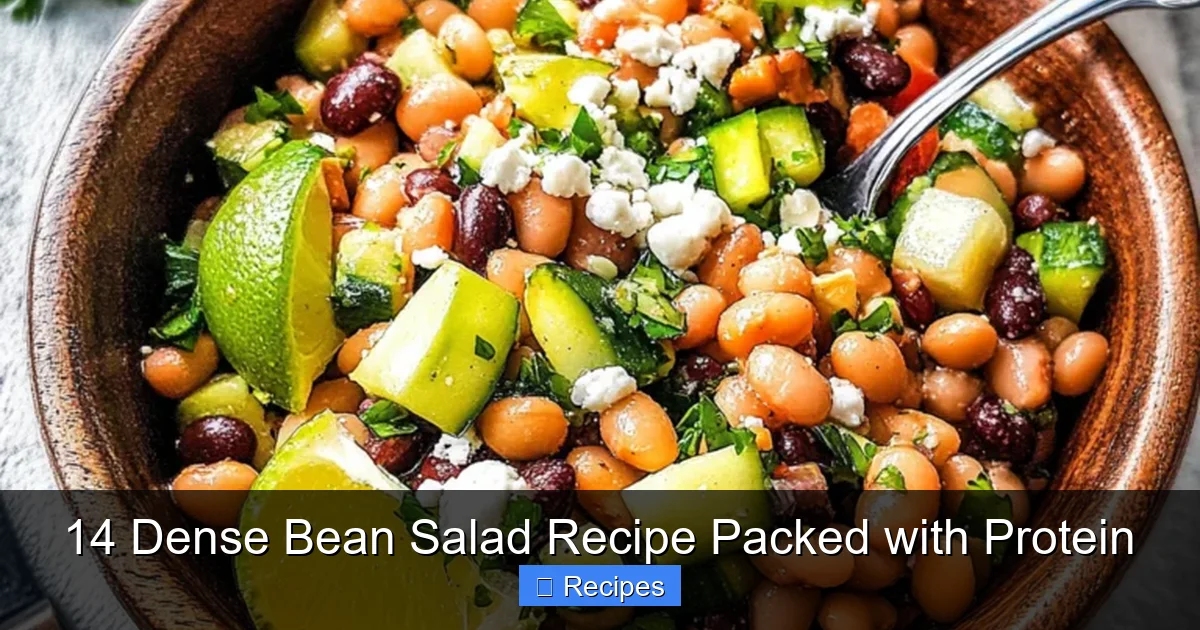
This is your non-negotiable foundation. For true density, don’t rely on a single bean. Use a combination! Different beans offer different textures and flavors. A mix of creamy chickpeas, firm kidney beans, and meaty black beans creates a more interesting mouthfeel and a broader nutrient profile. Consider adding other pulses like lentils (green for texture, red for creaminess) or peas. Aim for at least 1.5 to 2 cups of total beans/legumes per salad serving to ensure it’s a meal.
Layer 2: The Complex Carb & Texture Booster
To add heartiness and make the salad more cohesive, incorporate a complex carbohydrate. This could be cooked quinoa, farro, barley, brown rice, or even diced sweet potato or roasted squash. This layer adds chew, substance, and additional fiber, making the salad stick to your ribs. It also helps absorb the dressing beautifully. A half-cup to one cup of cooked grain per serving is a great target.
Layer 3: The Veggie Volume & Crunch
Here’s where freshness and crunch come in. Dice crunchy vegetables like bell peppers, cucumber, red onion, and celery. Add volume with shredded cabbage or kale massaged with a little salt. For sweetness, include roasted peppers, corn, or cherry tomatoes. The key is to use vegetables that hold their texture and don’t release too much water, which would make the salad soggy. This layer adds vitamins, minerals, and essential freshness to balance the dense beans.
Layer 4: The Flavor Amplifiers & Healthy Fats
This is where the magic happens. Fresh herbs (cilantro, parsley, dill), briny elements (olives, capers, pickled onions), and creamy components (avocado, crumbled feta or tofu) elevate your salad from good to unforgettable. Don’t forget a healthy fat source—a drizzle of extra virgin olive oil in the dressing, a sprinkle of nuts or seeds (pumpkin, sunflower, slivered almonds), or the avocado itself. Fats are crucial for nutrient absorption and satiety.
Recipe 1-5: Hearty & Earthy Comfort Salads
These first five recipes are all about deep, savory, comforting flavors. They are perfect for cooler days or when you crave something that truly sticks to your bones. Think warm spices, roasted vegetables, and robust bean combinations.

Visual guide about 14 Dense Bean Salad Recipe Packed with Protein
Image source: therecipecritic.com
1. Smoky Chipotle Black Bean & Sweet Potato Power Bowl
This salad is a flavor bomb. Diced sweet potatoes are roasted until caramelized and tender, then tossed with black beans, corn, and red onion. The dressing is a lime-chipotle crema made with blended chipotle peppers in adobo, Greek yogurt or vegan mayo, lime juice, and cumin. It’s smoky, spicy, and creamy. Topped with crushed tortilla chips for crunch and cilantro, this bowl feels like a deconstructed, ultra-healthy taco that keeps you full for hours.
2. Mediterranean Lentil & Chickpea Feast with Lemon-Herb Vinaigrette
Inspired by the flavors of Greece and the Middle East, this salad uses a base of firm French green lentils and chickpeas. It’s loaded with diced cucumber, cherry tomatoes, Kalamata olives, and red onion. The dressing is a bright, garlicky lemon-oregano vinaigrette. A generous sprinkle of crumbled feta cheese and fresh parsley finishes it. The lentils provide a wonderful, dense texture that holds up perfectly to the zesty dressing.
3. Italian-Inspired White Bean & Kale Caesar with Toasted Breadcrumbs
Reimagining a classic. Cannellini beans provide a creamy, mild base. Massaged, thinly sliced kale adds volume and nutrients. The “Caesar” dressing is a lighter, bean-based version—blend some of the white beans with lemon juice, garlic, Dijon, capers, and olive oil for a thick, emulsified, and protein-rich dressing that coats every leaf. The crowning glory is a shower of crispy, toasted whole-wheat panko breadcrumbs and a shave of Parmesan or nutritional yeast.
4. Spiced Moroccan Chickpea & Quinoa Salad with Apricots
A sweet and savory masterpiece. This salad combines chickpeas and quinoa with grated carrot, diced bell pepper, and chopped dried apricots. The spice blend is key: cumin, coriander, cinnamon, and a pinch of cayenne. The dressing is a honey (or maple syrup) and lemon juice mixture that ties all the flavors together. Toasted slivered almonds add a crucial crunch. It’s complex, fragrant, and deeply satisfying.
5. Hearty Three-Bean & Barley Chili Salad
Yes, chili in a salad! This recipe uses a base of kidney beans, pinto beans, and black beans, mixed with cooked pearl barley for chew. The “chili” element comes from a sautéed mixture of onion, bell pepper, and garlic, spiced with chili powder, cumin, and oregano. A tomato-based dressing (jarred salsa or crushed tomatoes with vinegar) moistens everything. Top with avocado and green onion. It’s like eating a bowl of chili, but fresher and with more texture.
Recipe 6-10: Fresh & Zesty Summer Salads
These recipes are lighter in spirit but equally dense in nutrition. They focus on bright herbs, tangy dressings, and crisp vegetables, perfect for hot days when you want something refreshing yet substantial.
Visual guide about 14 Dense Bean Salad Recipe Packed with Protein
Image source: healthecooks.com
6. Southwestern Black Bean & Corn Salsa Salad with Avocado-Lime Dressing
This is a fiesta in a bowl. A simple mix of black beans, corn (grilled if you’re feeling fancy), diced red pepper, and red onion. The star is the dressing: blended avocado, lime juice, cilantro, and a touch of water to make it creamy and pourable. It’s incredibly fresh. Serve it over a bed of shredded romaine or eat it standalone with tortilla chips for dipping.
7. Fresh Herb & Lemon Chickpea Salad with Cucumber & Dill
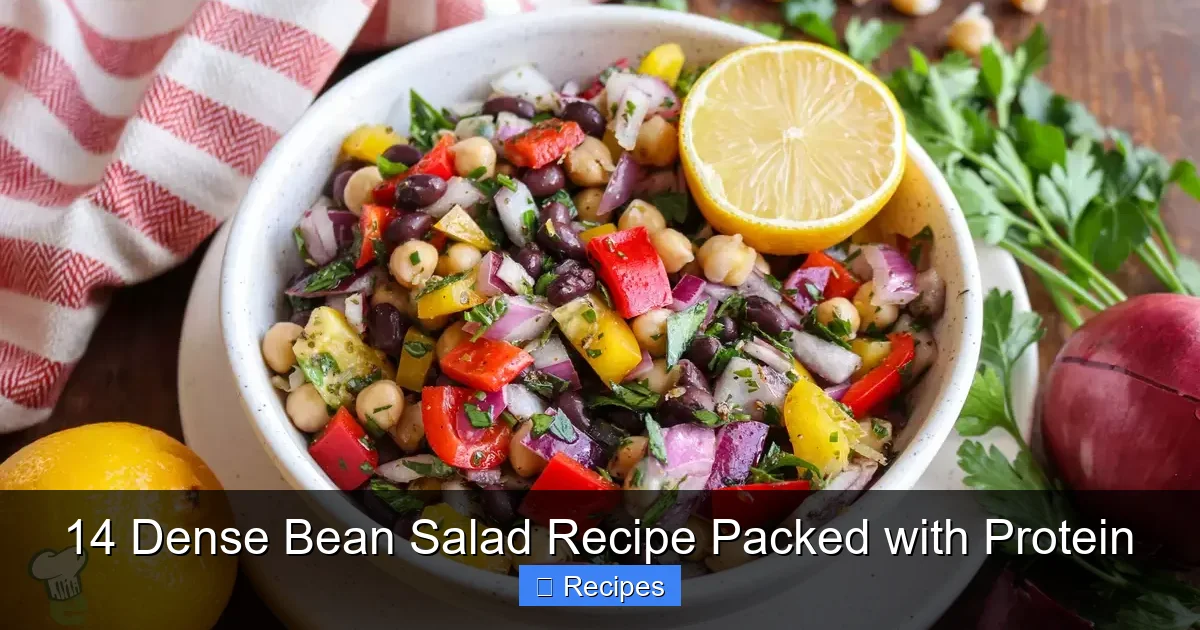
Ultra-simple and incredibly refreshing. The dressing is the star: a generous amount of fresh dill and parsley, lemon zest and juice, minced garlic, and olive oil. Toss it with chickpeas, a diced English cucumber (seeds removed), and a finely diced red bell pepper. The abundance of fresh herbs makes it taste light and garden-fresh, while the chickpeas provide the dense, protein-packed foundation.
8. Greek Orzo & Chickpea Salad with Red Wine Vinaigrette
Orzo, while a pasta, acts as your complex carb here, making this salad exceptionally hearty. Combine cooked, cooled orzo with chickpeas, chopped cucumber, tomatoes, and spinach. The dressing is a classic Greek red wine vinaigrette with oregano. Add crumbled feta and kalamata olives. It’s a complete, dense meal that travels exceptionally well for picnics and meal prep.
9. Zesty Lime & Cilantro Black Bean Salad with Quinoa
A vibrant, one-bowl wonder. Fluffy quinoa and black beans form the base, tossed with corn, diced red onion, and bell pepper. The dressing is a powerful blend of lime juice, lime zest, fresh cilantro, cumin, and a touch of maple syrup. The key is letting it sit for at least an hour so the flavors meld. It’s bright, zesty, and the quinoa and beans make it substantial enough for a post-workout meal.
10. Rainbow Crunch Bean Salad with Peanut-Lime Sauce
This one is an adventure. Use a mix of three beans (e.g., kidney, garbanzo, black-eyed peas). The “crunch” comes from shredded purple cabbage, carrots, and bell peppers. The magic is in the sauce: a Thai-inspired blend of smooth peanut butter, lime juice, soy sauce or tamari, rice vinegar, ginger, and a chili-garlic sauce. It’s creamy, tangy, spicy, and nutty, coating the colorful veggies and beans perfectly. Garnish with chopped peanuts and cilantro.
Recipe 11-14: Global Fusion & Creative Twists
These final recipes push the boundaries of what a bean salad can be, incorporating flavors from Asia and the Middle East and using beans in unexpected ways.
11. Indian-Spiced Chana (Chickpea) & Spinach Salad with Tamarind Date Dressing
This salad bursts with complex, tangy-sweet spices. Sauté chickpeas with onion, ginger, garlic, garam masala, and a pinch of asafoetida until slightly crispy. Let them cool, then toss with fresh baby spinach, diced cucumber, and tomato. The dressing is a unique blend of tamarind paste, date paste (or honey), lemon juice, and cumin. It’s sweet, sour, and deeply spiced. A sprinkle of chaat masala on top finishes it perfectly.
12. Japanese-Inspired Edamame & Adzuki Bean Salad with Miso-Ginger Dressing
A umami-packed delight. The base is a mix of shelled edamame (soybeans) and sweet adzuki beans. Add shredded daikon radish, julienned carrots, and thinly sliced purple cabbage. The dressing is a savory-sweet blend of white miso paste, rice vinegar, toasted sesame oil, grated ginger, and a touch of maple syrup. Garnish with toasted sesame seeds and nori (seaweed) strips. It’s light yet incredibly flavorful and dense in plant protein.
13. Middle Eastern Ful Medames-Style Salad with Tahini-Yogurt Sauce
Ful medames, the Egyptian fava bean dish, gets a salad makeover. Use canned or cooked fava beans (or a mix of fava and chickpeas). Toss them with chopped parsley, mint, diced tomato, and red onion. The sauce is a thick, luscious tahini-yogurt (or vegan yogurt) blend with lemon juice, garlic, and cumin. It’s rich, garlicky, and herbaceous. Serve it with whole wheat pita on the side for dipping.
14. “No-Lettuce” Niçoise-Style Bean Salad with Tofu “Tuna”
A vegan take on the classic French salad, made dense with beans instead of just green beans. The base is a mix of cannellini beans and small white beans. Add roasted new potato chunks, steamed green beans, and Kalamata olives. The protein highlight is crispy baked tofu “crumbles” seasoned with nori flakes and kelp powder to mimic a tuna-like flavor. The dressing is a classic Dijon-vinaigrette. It’s elegant, complete, and holds up beautifully for days.
Mastering Your Dense Bean Salad: Pro Tips & Tricks
Creating these salads is easy, but a few professional tips will elevate them from great to unforgettable.
The Rinse & Drain Imperative
If using canned beans, always rinse them thoroughly under cold water. This removes the starchy, salty liquid from the can, which can make your salad soggy and overly salty. For the best texture and flavor, consider cooking dried beans yourself. Soak overnight, then simmer until tender. This gives you control over the salt and results in a firmer, more flavorful bean.
Dress Smart, Not Early
For salads with delicate greens (like spinach or kale), dress them just before serving to prevent wilting. For the heartier, bean-centric salads, dressing them 30 minutes to 2 hours before serving is ideal. This allows the beans and grains to absorb the dressing, deepening the flavor throughout. If making for meal prep, store the dressing separately in a small container and toss when ready to eat for maximum freshness.
Texture is Everything
A great dense bean salad has at least three distinct textures: creamy (beans, avocado), crunchy (fresh veggies, nuts, seeds), and chewy (grains, roasted sweet potato). Always ask yourself: “What’s the crunch element?” and “What’s the creamy element?” before you serve. This contrast is what makes each bite interesting and satisfying.
Acidity & Brightness are Non-Negotiable
Beans are earthy and can be heavy. A shot of acid—from lemon juice, lime juice, vinegar (red wine, apple cider, sherry), or even a splash of pickle brine—cuts through that density and wakes up all the other flavors. Never skip the acid. Taste your salad before serving and add a little more if it tastes flat.
Storage, Serving, and Making It a Meal
These salads are designed for real life. Here’s how to store and serve them for maximum enjoyment.
Meal Prep Storage Protocol
For salads that will be eaten within 3-4 days, store them in airtight containers in the refrigerator. A key strategy is to layer ingredients strategically if prepping multiple servings: put the dressing at the bottom, then beans/grains, then sturdy veggies (onion, pepper), then softer veggies (tomato, cucumber) on top, with delicate herbs and avocado added fresh at serving time. This prevents sogginess. Most of these dense bean salads actually taste better on day two or three as the flavors marry.
Serving Suggestions
While these are complete meals, you can amplify them. Serve a smaller portion alongside a simple piece of grilled chicken, fish, or a fried egg for an extra protein boost. They also make fantastic fillings for stuffed avocados, bell peppers, or large lettuce cups (like romaine or butter lettuce). A handful of tortilla chips or a slice of crusty whole-grain bread on the side is perfect for scooping up every last delicious bit.
Adapting for Dietary Needs
These recipes are inherently vegan (just ensure your sugar/honey is vegan) and gluten-free (use quinoa, rice, or certified GF oats instead of barley/farro). For nut allergies, skip nut-based dressings and use seeds. For soy allergies, avoid edamame, tofu, and tamari (use coconut aminos). The framework is so flexible; you can always swap the grain for more beans or roasted veggies to keep it nutrient-dense without the gluten.
Conclusion: Your Dense Bean Salad Journey Starts Now
We’ve covered a lot of ground, from the “why” behind the dense bean salad phenomenon to 14 specific, globally-inspired recipes and the pro tips to make them shine. The core message is simple: plant-based, protein-rich meals can be unbelievably delicious, deeply satisfying, and wonderfully convenient. By mastering the four-layer framework—a robust bean base, a complex carb, fresh crunchy veggies, and bold flavor amplifiers—you unlock a universe of culinary possibilities. You are no longer limited to a side dish. You are creating hearty, healthy, handheld meals that fuel your ambitions. So grab a can of beans, chop some vegetables, and whisk together a zesty dressing. Your most satisfying, nutrient-dense salad bowl is waiting to be built. Dive in and enjoy the power of the pulse.
Frequently Asked Questions
Can I use dried beans instead of canned for these recipes?
Absolutely! Dried beans are often more flavorful and firm. Soak them overnight, then simmer in fresh water until tender (cooking time varies by bean type). This gives you control over salt and texture. For meal prep, cook a large batch and store cooked beans in the fridge for up to 5 days or freeze for later use.
How do I prevent my bean salad from getting watery or soggy?
Two main tips: 1) Always rinse and drain canned beans thoroughly. 2) If your veggies (like cucumbers or tomatoes) are very juicy, consider seeding them and patting them dry with a paper towel before adding. For meal prep, store the dressing separately and mix just before eating to keep ingredients crisp.
Are these salads truly filling enough for a main meal?
Yes, by design! Each recipe combines protein and fiber from multiple bean sources with complex carbs and healthy fats. This combination is scientifically proven to promote satiety. The physical density—the chunky, substantial texture—also plays a psychological role in making you feel like you’ve eaten a real meal.
Can I make these salads ahead of time for the week?
Most of these dense bean salads actually improve after 24 hours as the flavors meld. Store them in airtight containers in the refrigerator for 4-5 days. The exception is salads with delicate greens (spinach) or avocado; add those fresh right before serving to maintain optimal texture and color.
I don’t like one of the beans in a recipe. Can I substitute it?
3>Of course! The bean base is a flexible template. Swap any bean for another you prefer—chickpeas for cannellini, black beans for pinto. Just try to maintain a similar total volume (1.5-2 cups) and mix textures (some creamy, some firm) for the best dense, interesting bite.
How can I boost the protein content even further?
Great question! You can add a half-cup of cooked quinoa, farro, or lentils to the base. Stir in a scoop of hemp hearts or pea protein powder into the dressing. Top with roasted chickpeas for crunch, crumbled tofu or tempeh “feta,” or a sprinkle of pumpkin or sunflower seeds. A hard-boiled egg or grilled chicken on the side also adds a significant boost.
Pingback: Meatloaf Recipe with Worcestershire Sauce - kitchenandhouseware.com