Success after a juice cleanse hinges on a strategic, gentle reentry to solid foods. In 2026, the focus is on a phased approach prioritizing gut health with probiotics, prebiotics, and easily digestible whole foods. Equipping your kitchen with the right tools—from high-performance blenders to fermentation kits—is just as crucial as the food itself to maintain cleanse benefits and avoid discomfort.
Key Takeaways
- Phased Reintroduction is Non-Negotiable: Start with liquid/soft foods (days 1-2), move to easily digestible solids (days 3-5), then gradually add complex foods (day 6+). Rushing causes digestive shock.
- Gut Health is Your Primary Focus: Your microbiome needs replenishing. Prioritize fermented foods (sauerkraut, kombucha) and prebiotic fibers (cooked onions, asparagus) to feed good bacteria.
- Hydration Must Evolve: Continue high water intake but add electrolytes via coconut water or pinch of sea salt, and herbal teas to support digestion and cellular rehydration.
- Listen to Your Body’s New Signals: Your post-cleanse digestive system is sensitive. Eat slowly, chew thoroughly, and stop at 80% full. Note how foods make you feel.
- Kitchen Equipment is a Force Multiplier: A good blender, food processor, and fermentation kit make preparing gentle, nutrient-dense foods effortless and consistent.
- Avoid Common Pitfalls: Steer clear of processed foods, excessive sugar, heavy fats, and dairy for at least the first week to prevent inflammation and cravings.
- The Goal is Sustainable Wellness, Not Perfection: This transition period sets your long-term eating habits. Use it to build a mindful, plant-forward foundation.
📑 Table of Contents
- Why the Post-Cleanse Phase Matters More Than the Cleanse Itself
- The 2026 Gold Standard: Phased Reintroduction (A Science-Backed Timeline)
- Gut Health as the North Star: Probiotics, Prebiotics, and Fermented Foods
- Hydration Beyond Juice: The Electrolyte Balance in 2026
- Mindful Eating Practices to Lock In Cleanse Benefits
- Your 2026 Kitchen Arsenal: Equipment for a Seamless Transition
- Strong Conclusion: Your Cleanse Was the Beginning, Not the End
Why the Post-Cleanse Phase Matters More Than the Cleanse Itself
You did it. You completed your juice cleanse. You feel lighter, clearer, and maybe a little hungry. But here’s the critical truth most people miss: the real work—and the real opportunity for lasting transformation—begins the moment you put that last glass down. The post-juice cleanse period is arguably more important than the cleanse itself. It’s the bridge between a temporary reset and a sustainable, healthier you. In 2026, we understand that your gut microbiome, digestive enzymes, and metabolic pathways have been in a state of rest and purification. They are now delicate and primed for either a triumphant return to vitality or a painful relapse into old patterns. What you eat in the first 72 hours to two weeks will determine if you lock in the cleanse’s benefits—increased energy, reduced inflammation, mental clarity—or watch them vanish with your first heavy meal. This isn’t just about avoiding a stomachache; it’s about intelligently guiding your body to rebuild a stronger, more resilient foundation for digestion and nutrition.
Think of your digestive system like a pristine garden after a deep winter freeze. The soil (your gut lining) is rich but vulnerable. You wouldn’t immediately plant a dense, demanding crop. You’d first amend the soil with compost (probiotics/prebiotics), plant hardy seedlings (easily digestible foods), and gradually introduce more complex plants as the ecosystem strengthens. Your post-cleanse protocol is that gardening plan. And just as a gardener needs the right tools—a trowel, a watering can, a pH tester—you need the right kitchen equipment to execute this plan with precision and ease. This article is your complete 2026 guide to navigating this crucial window, blending the latest nutritional science with practical, equipment-aided strategies for a seamless, beneficial transition.
The 2026 Gold Standard: Phased Reintroduction (A Science-Backed Timeline)
Gone are the days of haphazardly grabbing a sandwich after a cleanse. Modern nutritional science, particularly research on gut mucosal healing and enzymatic activity, strongly supports a structured, phased approach. This methodical reentry prevents digestive distress, minimizes the risk of “refeeding syndrome” (a serious, though rare, condition involving rapid shifts in fluids and electrolytes), and maximizes nutrient absorption. The timeline below is tailored for a typical 3-7 day juice cleanse; extend phases slightly for longer cleanses.
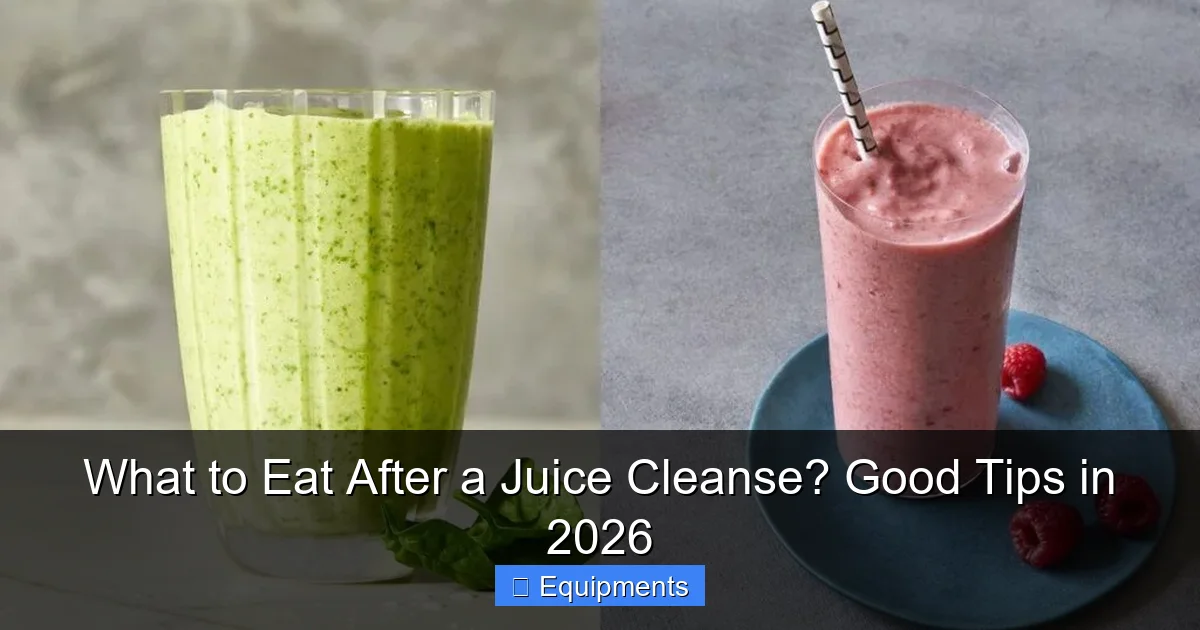
Visual guide about What to Eat After a Juice Cleanse? Good Tips in 2026
Image source: juicerdiary.com
Phase 1: Days 1-2 – The Liquid & Ultra-Soft Bridge
Your digestive tract is waking up. Enzymes are low, and the gut lining is sensitive. The goal here is to provide nutrition without requiring significant mechanical or chemical digestion. Everything should be warm or room temperature, as cold foods can shock the system.
- What to Eat: Continue with diluted, low-sugar vegetable broths (homemade is best, see equipment tip below), clear miso soup (without tofu initially), warm lemon water, herbal teas (ginger, peppermint, fennel), and perhaps a second daily green juice that is mostly vegetable (80% veg, 20% fruit). You can also introduce very smooth, blended soups—think butternut squash or carrot ginger—thinned with broth to a drinkable consistency.
- Equipment Essential: A high-quality stock pot with a tight-fitting lid is your best friend here. It allows for slow, gentle simmering of vegetables for nutrient-rich broths without boiling away delicate compounds. Pair it with a fine-mesh strainer to achieve perfectly clear broths.
- Pro Tip: Add a pinch of high-quality sea salt or a dash of coconut aminos to your broths for essential minerals and amino acids that support mucosal repair.
Phase 2: Days 3-5 – The Easily Digestible Solids Phase
Now your system is ready for some texture, but only the gentlest kinds. Think foods that are cooked, soft, and low in fiber and fat. This phase is about rebuilding strength with minimal effort.
- What to Eat: Steamed or boiled vegetables (zucchini, carrots, green beans, spinach), mashed avocado, ripe banana, baked sweet potato, soft-cooked eggs (if you consume them), and small portions of well-cooked, lean proteins like steamed fish or shredded chicken. Introduce one new food per day to monitor tolerance. All foods should be chewed extremely well.
- Equipment Essential: A steamer basket insert for your stock pot or a dedicated electric steamer is invaluable. Steaming preserves more nutrients than boiling and creates the perfect soft texture. A potato ricer or masher ensures lump-free, fluffy sweet potatoes without needing added fats.
- Pro Tip: Start your day with a warm mug of water with lemon to stimulate digestive enzymes. For lunch, try a simple bowl of steamed veggies topped with a spoonful of mashed avocado and a sprinkle of nutritional yeast for B-vitamins.
Phase 3: Day 6 Onward – The Gradual Expansion & Long-Term Foundation
You’re now ready to reintroduce more complex foods, but the principle of “one at a time” and “chew thoroughly” remains paramount. This phase transitions into your new, sustainable way of eating.
- What to Eat: Gradually add soaked and sprouted nuts/seeds, legumes (lentils are easiest), quinoa, oats, raw salads (start with lettuce and cucumber), and healthy fats like olive oil. Continue to emphasize vegetables, lean proteins, and fermented foods. This is when you begin to rebuild your full, balanced diet.
- Equipment Essential: A food processor becomes key for making homemade nut butters, seed cheeses, and chopping vegetables for salads without over-processing. A sprouting jar kit allows you to easily soak and sprout nuts and seeds at home, dramatically improving their digestibility and nutrient profile.
- Pro Tip: Keep a simple food journal during this phase. Note how you feel 30 minutes and 2 hours after eating each new item. This data is invaluable for understanding your personal post-cleanse sensitivities.
Gut Health as the North Star: Probiotics, Prebiotics, and Fermented Foods
Your juice cleanse likely acted as a “reset” for your gut microbiome, potentially reducing microbial diversity temporarily. Your mission now is to repopulate it with beneficial bacteria. This is not a niche concern; gut health is central to immune function, mental health, and nutrient absorption. In 2026, the focus is on synergistic pairs: probiotics (the good bacteria) and prebiotics (the food for those bacteria).
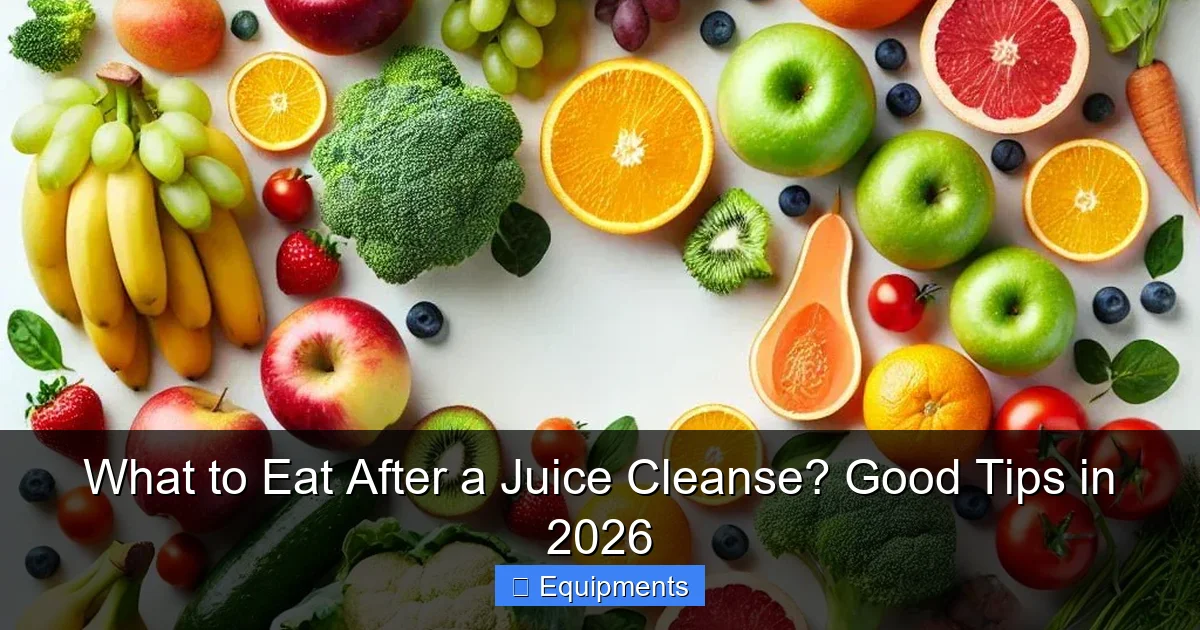
Visual guide about What to Eat After a Juice Cleanse? Good Tips in 2026
Image source: juiceinstitute.com.au
Probiotic Powerhouses: Your New Best Friends
Fermented foods are the most potent, natural source of diverse probiotics. They are alive and actively colonize your gut.
- Sauerkraut & Kimchi: Look for “raw,” “unpasteurized,” and “live cultures” on the label. Pasteurization kills the beneficial bacteria. Start with 1 teaspoon per day, eaten alone or on a steamed vegetable, and gradually increase to 1-2 tablespoons.
- Fermented Beverages: Kombucha (low-sugar varieties), beet kvass, and water kefir. These provide probiotics and are often easier to digest initially. Sip slowly, 1/4 to 1/2 cup at a time.
- Plant-Based Yogurts: Coconut, almond, or oat yogurts with live cultures. Choose unsweetened versions. They offer a creamy, familiar texture.
Equipment Essential: A fermentation kit (wide-mouth jars with airlock lids) is the ultimate 2026 tool. It makes fermenting your own sauerkraut, kimchi, or pickles at home incredibly safe, easy, and cost-effective. You control the salt content and ingredients, avoiding commercial versions with additives. A digital kitchen scale is crucial for precise salt-to-vegetable ratios, which is the key to safe fermentation.
Prebiotic Partners: Feeding Your New Army
Probiotics need food to thrive. Prebiotics are specific types of fiber that resist digestion until they reach your colon, where they ferment and feed your good bacteria.
- Top Sources for Phase 2/3: Cooked and cooled onions, leeks, garlic (cooked first to be gentle), asparagus, Jerusalem artichokes, dandelion greens (cooked), oats, flaxseeds (ground), and apples (cooked or raw, if tolerated).
- The Synbiotic Strategy: Combine them! A bowl of steamed asparagus (prebiotic) topped with a spoonful of sauerkraut (probiotic) is a perfect synbiotic meal that supercharges your gut healing.
Hydration Beyond Juice: The Electrolyte Balance in 2026
You hydrated brilliantly on your cleanse with pure juices and water. Now, your body needs more. Reintroducing solids means your body will start using electrolytes (sodium, potassium, magnesium) for nerve function and muscle contraction again. If you only drink plain water, you risk diluting these essential minerals, leading to fatigue or headaches.

Visual guide about What to Eat After a Juice Cleanse? Good Tips in 2026
Image source: irp-cdn.multiscreensite.com
- Electrolyte-Enhanced Water: Add a pinch of high-quality sea salt or pink Himalayan salt to your water, especially in the first few days. For a more potent boost, use a clean, sugar-free electrolyte powder or make your own mix (salt + potassium salt + magnesium glycinate powder).
- Herbal Infusions: Move beyond basic teas. Nettle tea is incredibly mineral-rich. Dandelion root tea supports liver function (which worked hard on your cleanse). Ginger and peppermint teas soothe digestion.
- Coconut Water: A natural source of potassium and electrolytes. Choose brands with no added sugar and consider diluting it 50/50 with water to moderate the sugar load.
- Bone Broth: If you consume it, this is the ultimate post-cleanse hydration food. It’s liquid, packed with minerals, gelatin (great for gut lining), and easily absorbed amino acids like glycine and proline.
Equipment Essential: A smart water bottle with time markers or a hydration tracking app linked to a wearable device is a top 2026 trend. It ensures you’re drinking enough *and* reminds you to add electrolytes. A French press is perfect for making large batches of herbal infusions without loose leaves in your cup.
Mindful Eating Practices to Lock In Cleanse Benefits
Your cleanse may have broken the cycle of mindless eating. Don’t let this clarity fade. The way you eat is as important as what you eat during this fragile period.
- Chew, Chew, Chew: Aim for 30-50 chews per bite. This pre-digests your food with salivary amylase, reduces the workload on your stomach and intestines, and signals your brain that you’re full.
- Eat Without Distraction: No phones, no TV. Sit down. This practice, called “attentive eating,” improves digestion, increases satiety, and helps you recognize true hunger and fullness cues.
- Practice the 80% Full Rule: Rooted in the Japanese concept of “Hara Hachi Bu.” Stop eating when you feel 80% satisfied. This prevents bloating and gives your digestive system room to work efficiently.
- Create Ritual: Prepare your meals with care, even if they’re simple. Use a beautiful bowl. Light a candle. This reinforces the value you place on your nourishment and continues the mindful, intentional mindset of your cleanse.
Equipment Essential: A digital kitchen scale can be a mindful eating tool, not just for portion control but for building an intuitive understanding of food weight. Small, dedicated plates and bowls can help visually enforce portion sizes. Consider a mindful eating journal (paper or app) to log not just what you ate, but how you felt before, during, and after.
Your 2026 Kitchen Arsenal: Equipment for a Seamless Transition
Let’s connect the dots. Your success hinges on preparation. The right tools remove friction, making healthy, gentle eating the easiest choice. This isn’t about buying everything; it’s about investing in multi-purpose, high-quality items that support your phased plan.
- The Workhorse Blender: Not all blenders are equal. For Phase 1 and 2, you need a blender that creates ultra-smooth, lump-free soups and smoothies without requiring added fats or ice to function. Look for a high-performance model with at least 1000 watts and a strong blade system (like a Ninja, Blendtec, or Vitamix). The ability to blend cooked vegetables into silky soups is a game-changer.
- The Precision Cooker: An immersion circulator (sous vide) might sound fancy, but it’s perfect for Phase 2. It cooks proteins (fish, chicken) and vegetables at an exact, low temperature, resulting in unparalleled tenderness and moisture retention—ideal for a sensitive gut. No risk of overcooking or dryness.
- The Fermentation Station: As mentioned, a dedicated fermentation kit with airlock lids eliminates guesswork and risk. It’s the single best tool for ensuring a constant supply of diverse, living probiotics at a fraction of the store cost.
- The Steam & Boil Combo: A quality stock pot with a steamer basket insert covers your broth-making and vegetable-steaming needs for Phases 1 and 2. It’s versatile, durable, and foundational.
- The Texture Master: A food processor with multiple blades (S-blade for chopping/pureeing, shredding disc) is essential for Phase 3. It makes homemade nut butters, seed cheeses, cauliflower rice, and finely chopped salads a 60-second task, keeping your meals interesting and nutrient-dense.
- The Nutrient Retriever: A high-quality juicer (slow masticating or cold press) isn’t for the cleanse itself, but for the weeks *after*. You can use it to make small, low-sugar, vegetable-forward “nutrient shots” (e.g., celery, cucumber, small amount of carrot) to boost your micronutrient intake without the fiber load of whole foods, especially if you feel you need a little extra support.
Investing in this core equipment creates a self-sustaining ecosystem in your kitchen. You’re not just buying gadgets; you’re building a system that makes your post-cleanse protocol automatic, enjoyable, and highly effective.
Strong Conclusion: Your Cleanse Was the Beginning, Not the End
Completing a juice cleanse is a powerful act of self-care and reset. But its true power is unlocked in the days and weeks that follow. By respecting the phased reintroduction, you honor your body’s fragility and strength. By centering gut health with probiotics and prebiotics, you build a fortress of wellness from the inside out. By mindfully hydrating and eating, you transform a temporary detox into a permanent upgrade in your relationship with food. And by strategically equipping your kitchen, you remove barriers and make this new, gentle way of eating the simplest, most delicious path forward. In 2026, the most advanced health strategy isn’t the most extreme cleanse; it’s the most intelligent transition. Your body has just undergone a profound purification. Now, feed it with the wisdom, patience, and tools it deserves. The vibrant energy you felt during your cleanse isn’t a memory—it’s your new baseline, waiting to be built upon, one mindful, nourishing bite at a time.
Frequently Asked Questions
How long should each phase of reintroduction last after a 5-day juice cleanse?
For a 5-day cleanse, dedicate at least 2 days to Phase 1 (liquids), 2-3 days to Phase 2 (ultra-soft solids), and begin Phase 3 (gradual expansion) on day 5 or 6. Listen to your body—if you feel bloated or tired, extend the current phase by a day. The total transition period should be 7-10 days before returning to a fully normal, varied diet.
What are the first signs I’m ready to move to the next phase?
You’re ready to advance when you experience stable energy (no post-meal crashes), clear mental focus, regular comfortable bowel movements, no bloating or gas after meals, and a genuine physical hunger that feels stable rather than urgent or shaky. If you feel any digestive discomfort, step back to the previous phase.
Are there specific foods I should absolutely avoid for the first two weeks?
Yes. Avoid all processed foods, refined sugars, fried foods, heavy creamy sauces, hard cheeses, processed meats, and excessive caffeine and alcohol. These are inflammatory and difficult to digest. Also avoid raw, high-fiber vegetables (like broccoli, cabbage) and legumes until at least Phase 3, as they can cause significant gas and bloating on a sensitive gut.
What is the single most important piece of equipment to buy for post-cleanse eating?
While a great blender is crucial for Phase 1, the most impactful and versatile tool for the entire transition—especially for long-term gut health—is a fermentation kit with airlock lids. It empowers you to produce your own probiotic-rich foods safely and cheaply, directly supporting the core goal of gut microbiome restoration.
How do I handle intense cravings for junk food during the transition?
Cravings are normal as your body adjusts. First, ensure you’re eating enough calories and healthy fats (avocado, olive oil) in your meals. Second, have a plan: keep healthy, easy snacks like soaked nuts, a piece of fruit, or a date with almond butter ready. Third, drink a large glass of herbal tea. Often, thirst masks itself as hunger. Finally, acknowledge the craving without judgment, wait 15 minutes, and distract yourself. It will usually pass.
Can I just go back to my normal healthy diet immediately after the cleanse?
“Normal healthy diet” is key. If your normal diet is already whole-food, plant-forward, low in processed items, and you eat mindfully, you may transition faster. However, you should still reintroduce any heavier foods (like nuts, seeds, legumes) gradually over 2-3 days and continue prioritizing easily digestible meals for the first 72 hours. If your “normal” diet includes processed foods or excess sugar, you must follow the phased approach to avoid severe discomfort and undo the cleanse’s benefits.
Pingback: Canyou Eat Raw Ginger - kitchenandhouseware.com
Pingback: Can You Eat Raw Cabbage - kitchenandhouseware.com