A one-day juice cleanse offers a quick, accessible reset for your body and mind without long-term commitment. In 2026, with new research on metabolic health and cellular autophagy, this simple practice is more relevant than ever for anyone looking to break unhealthy habits and flood their system with nutrients. This guide breaks down the real science-backed benefits, exact preparation steps, and honest expectations, making it the perfect first step toward a healthier you.
What Are Benefits of One Day Juice Cleanse? Good Tip in 2026
Hey there! Have you ever felt like your body just needed a big, deep breath? A reset button? That’s exactly what a one-day juice cleanse feels like for many people. It’s not about extreme deprivation or scary, week-long fasts. It’s a simple, 24-hour pause on solid food where you nourish yourself exclusively with fresh, cold-pressed fruit and vegetable juices. Think of it as a spa day for your insides. In 2026, with wellness tech booming and science constantly evolving, this age-old practice is getting a major modern upgrade in understanding. We’re talking about real benefits you can feel—more energy, a lighter stomach, and a clearer mind—all within a single day. So, let’s cut through the hype and dig into what a one-day juice cleanse actually does, how to do it right, and why it might be the perfect healthy tip for you to try this year.
Key Takeaways
- Digestive Reset: A 24-hour cleanse gives your gut a complete break from solid food, reducing inflammation and allowing your digestive system to recharge.
- Nutrient Flood: You consume a high volume of vitamins, minerals, and antioxidants from fresh produce in a concentrated, easy-to-absorb form.
- Mental Clarity Boost: Many experience reduced brain fog and improved focus, thanks to stable energy from natural sugars and the elimination of processed foods.
- Habit Catalyst: It serves as a powerful psychological reset, making it easier to adopt longer-term healthy eating patterns after the cleanse.
- Minimal Equipment: Success requires just a reliable juicer or blender and fresh ingredients—no expensive supplements or complex tools.
- Listen to Your Body: It’s not for everyone; those with certain health conditions, pregnant women, or individuals with a history of eating disorders should avoid it.
- Short-Term Focus: Benefits are most noticeable in energy, digestion, and mindset; it’s not a magic solution for significant fat loss or long-term detoxification.
📑 Table of Contents
- What Exactly Is a One-Day Juice Cleanse?
- The Top 5 Science-Backed Benefits of a 24-Hour Juice Fast
- How to Prepare for Your First One-Day Juice Cleanse
- Your 24-Hour Juice Cleanse Timeline: A Step-by-Step Guide
- What to Expect: The Good, the Challenging, and the Real
- Essential Equipment for Optimal Results: Your 2026 Toolkit
- Beyond the Cleanse: Transitioning and Long-Term Success
- Final Thoughts: Is a One-Day Juice Cleanse Right for You in 2026?
What Exactly Is a One-Day Juice Cleanse?
Defining the 24-Hour Reset
Let’s get clear. A one-day juice cleanse is a deliberate, short-term dietary protocol where you consume only freshly extracted vegetable and fruit juices for a 24-hour period. You skip all solid foods, coffee, alcohol, and processed sugars. The goal isn’t starvation; it’s nutrient abundance. You’re replacing meals with liquid sunshine, essentially packing the nutritional equivalent of several pounds of produce into a few glasses. This isn’t a new fad—people have used therapeutic fasting and liquid diets for centuries—but the modern version focuses on high-quality, organic, cold-pressed juices to maximize nutrient intake while minimizing digestive effort. It’s a “soft” entry point into the world of cleansing, offering a tangible experience without the intensity of a multi-day commitment.
Why 2026 Is the Perfect Time to Try It
Why mention 2026 specifically? Because the conversation around health is shifting. We’re moving beyond generic “detox” claims and into the realm of measurable biology, thanks to wearable tech that can track inflammation markers, sleep quality, and even blood glucose trends. A one-day cleanse is the ideal laboratory for this. It’s a controlled experiment you can run on yourself. In our busy, always-on world, it’s also the most practical cleanse. You can do it on a weekend, with minimal disruption to your work week. Furthermore, with rising costs of healthcare and a growing emphasis on preventative wellness, a $50 investment in organic produce for a day feels like a smart, proactive move for your future health. It’s the good tip for 2026 because it’s sustainable, evidence-informed, and fits into a hectic lifestyle.
The Top 5 Science-Backed Benefits of a 24-Hour Juice Fast
Okay, let’s talk turkey. What does the science say about just one day? While most rigorous studies focus on longer fasts, the research on intermittent fasting and short-term caloric restriction gives us strong clues. The benefits of a single-day cleanse are more about immediate physiological responses and psychological wins than dramatic, permanent body composition changes. Here are the key perks you can realistically expect.
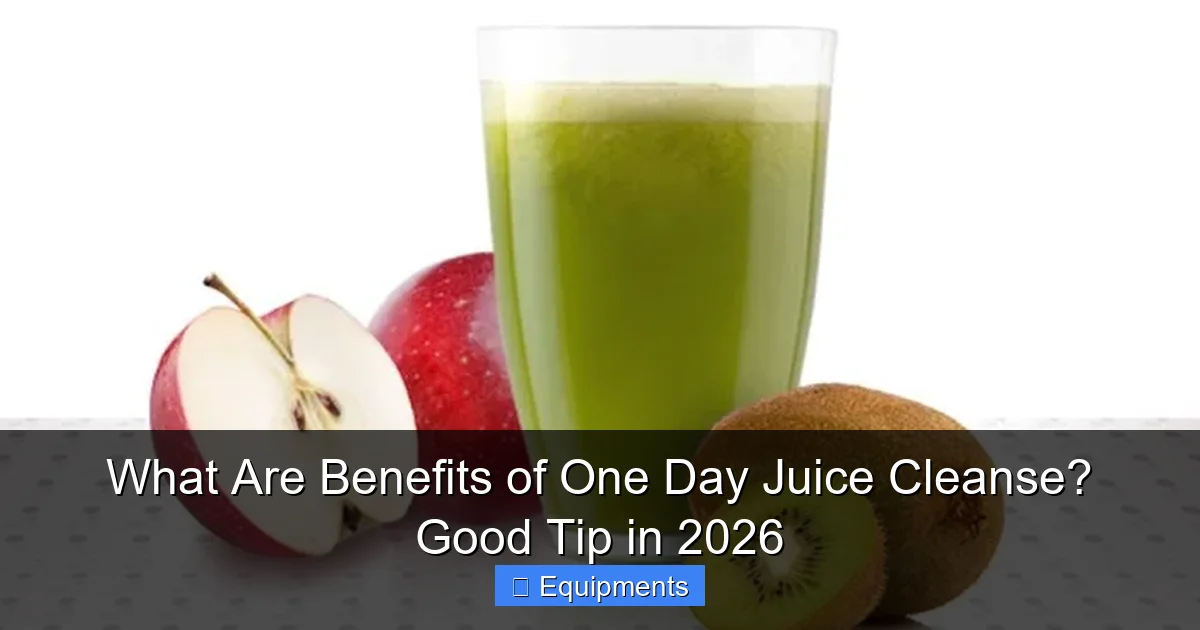
Visual guide about What Are Benefits of One Day Juice Cleanse? Good Tip in 2026
Image source: thequarterrestaurant.com
1. Digestive Rest and Gut Health Support
Your digestive system is a hardworking muscle. It’s constantly breaking down food, absorbing nutrients, and moving waste along. A 24-hour break from solid food is like giving that muscle a complete vacation. Without the need to produce digestive enzymes and process fiber, your gut gets a significant rest. This can reduce bloating, gas, and general discomfort, especially if your regular diet is heavy on processed foods or dairy. More interestingly, this “rest period” may allow the beneficial bacteria in your gut to rebalance. Some preliminary studies suggest that short-term fasting can promote the growth of good bacteria while suppressing harmful strains. You’re essentially creating a cleaner internal environment for your microbiome to thrive. The juices, packed with prebiotics from fruits and veggies (even after juicing, some soluble fiber remains), then act as a targeted fertilizer for these good bugs when you reintroduce solids.
2. A Natural Energy and Mental Clarity Boost
“But won’t I feel tired?” That’s the most common question. The answer is: not if you do it right. The fatigue people often associate with cleanses comes from detoxing from caffeine and sugar *withdrawal*, not from the juice itself. After you push through the initial headache (usually day one for regular coffee drinkers), a wave of clean energy often follows. Why? Because you’re flooding your cells with simple sugars (fructose) from fruits, but without the accompanying fat, protein, or complex carbs that cause digestive sluggishness. This provides a quick, steady energy source for your brain and muscles. Additionally, eliminating inflammatory foods (like gluten, dairy, or processed oils) can reduce systemic inflammation, which is a known cause of fatigue and brain fog. Many first-timers report a surprising sense of mental sharpness and improved concentration by the afternoon of their cleanse day.
3. Supporting the Body’s Natural Detox Pathways
Let’s be crystal clear: your liver and kidneys are phenomenal detoxifiers. They work 24/7 regardless of what you eat. A juice cleanse doesn’t “activate” a dormant detox system. Instead, it *supports* it by reducing the toxic load. When you eat a standard diet, your liver is busy processing pesticides, food additives, alcohol metabolites, and breakdown products from fried foods. By giving it a day off from this heavy lifting and instead supplying it with a flood of glutathione-boosting nutrients (from veggies like kale, broccoli, and spinach) and vitamin C (from citrus and peppers), you allow it to catch up on its natural housekeeping. The high water content from the juices also supports kidney function, helping to flush out water-soluble toxins more efficiently. It’s less about “purging toxins” and more about “giving your cleanup crew a day of easy work with better supplies.”
4. Kickstarting Healthier Eating Habits
This is perhaps the most powerful and underrated benefit. A one-day cleanse is a powerful psychological interrupt. It breaks the automatic cycle of snacking, meal prepping, and mindless eating. For 24 hours, you make a conscious, deliberate choice about every liquid you consume. This act of mindfulness often spills over. You start to notice how certain foods make you feel *after* you eat them. When you break your cleanse with a simple, whole-food meal, you’re acutely aware of how good it feels versus the heaviness of a burger and fries. It resets your palate, making natural sugars in fruit taste sweeter and processed snacks taste overly salty or sweet. Many people use a monthly one-day cleanse as an anchor point, a regular reminder of how good clean eating feels, which makes it easier to choose healthier options the rest of the time. It’s a habit-forming tool.
5. The Autophagy Advantage: Cellular Spring Cleaning
Here’s the cutting-edge 2026 angle. Autophagy (literally “self-eating”) is the body’s process of recycling damaged cellular components. It’s like a cellular recycling and repair crew. While prolonged fasting (48+ hours) is a potent autophagy trigger, emerging research indicates that even shorter fasting windows, like the 16-18 hours you’d naturally achieve during a one-day juice cleanse (if you finish juice at 8 PM and don’t eat again until after 12 PM the next day), can stimulate a mild autophagy response, especially in the liver. This process is linked to longevity, reduced oxidative stress, and protection against neurodegenerative diseases. While you shouldn’t expect dramatic autophagy from a single day, you are likely giving your cells a gentle nudge toward cleanup and repair, contributing to long-term resilience. It’s a small but meaningful step in the longevity conversation.
How to Prepare for Your First One-Day Juice Cleanse
Winging it is a recipe for a grumpy, hangry day. Preparation is 80% of the success. Getting your mind and kitchen ready ensures you reap the benefits without unnecessary suffering.

Visual guide about What Are Benefits of One Day Juice Cleanse? Good Tip in 2026
Image source: thequarterrestaurant.com
Mindset and Expectation Setting
First, frame this correctly. This is not a punishment. It’s a gift to your body. Set an intention: “I am doing this to feel more energetic,” or “I am giving my digestion a rest.” Manage expectations. You might feel hungry—that’s normal. You might have a mild headache if you’re caffeine-dependent—plan for that. The goal is not perfection; it’s completion. Tell a friend or family member for accountability. Schedule your cleanse for a low-stress day, ideally a Saturday or Sunday, where you can rest, light-walk, and not be surrounded by office doughnuts.
Choosing Your Produce: Organic vs. Conventional
Since you’ll be consuming the concentrated essence of several pounds of produce, the quality matters immensely. If possible, opt for organic, especially for the “Dirty Dozen” list items like strawberries, spinach, kale, and apples, which tend to have higher pesticide residues. Remember, you are not peeling these (you juice the whole thing), so any surface chemicals go directly into your glass. If organic is cost-prohibitive, spend the extra on a good fruit and vegetable wash and scrub your produce thoroughly. Focus on a rainbow: dark leafy greens (kale, spinach, romaine), low-sugar fruits (green apples, berries, lemon), hydrating veggies (cucumber, celery), and antioxidant powerhouses (beets, carrots). A typical day’s juice might use 5-7 pounds of produce.
Essential Equipment: Juicers, Blenders, and Storage
Here’s where the “Equipments” category comes in. Your tools directly impact nutrient yield, convenience, and cleanup.
- Juicer Type: A cold-pressed (masticating or slow) juicer is the gold standard. It crushes and presses produce at low speeds, generating minimal heat and oxidation. This preserves more enzymes, nutrients, and yields about 10-30% more juice than centrifugal models. It’s quieter and handles leafy greens beautifully. For a one-day cleanse, this is a worthwhile investment if you plan to do this regularly. A centrifugal juicer is faster, louder, and uses high-speed spinning. It’s fine for hard fruits and veggies but struggles with greens and creates more foam/foam. It’s a good budget starter option.
- The Blender Alternative: You can make “juice” with a high-speed blender (like a Vitamix or Blendtec) by blending produce with water and then straining through a nut milk bag. This is a cost-effective method if you already own a blender, but it’s more labor-intensive and you lose some fiber. Some people prefer this “smoothie-style” cleanse for the added satiety from the pulp.
- Storage is Key: Freshly squeezed juice is alive and begins oxidizing immediately. Drink it within 20 minutes of making it for maximum nutrient punch. If you must make ahead, store in airtight, glass jars (Mason jars work perfectly) filled to the top to minimize air exposure, in the fridge. It’s best consumed within 24 hours, though nutrient loss accelerates after 12 hours. For a one-day cleanse, making all your juice in one morning batch is common, but a mid-day fresh batch is ideal.
Sample Pre-Cleanse Meal Plan
The day before your cleanse is crucial. Don’t stuff yourself. Eat light, clean, and easy-to-digest foods to ease the transition. This primes your body and reduces shock.
- Breakfast: A large green smoothie (spinach, banana, berries, almond milk).
- Lunch: A big salad with avocado, cucumber, and a simple lemon-tahini dressing.
- Dinner: Steamed vegetables (broccoli, asparagus) with a small baked sweet potato.
- Hydration: Plenty of water and herbal tea (peppermint, ginger).
- Avoid: Heavy meats, fried foods, dairy, alcohol, and excessive caffeine. This primes your digestive system for the upcoming rest.
Your 24-Hour Juice Cleanse Timeline: A Step-by-Step Guide
Here’s a playbook for the day itself. The key is sipping consistently—a large glass (16-20 oz) every 2-3 hours. This keeps blood sugar stable and prevents overwhelming hunger.

Visual guide about What Are Benefits of One Day Juice Cleanse? Good Tip in 2026
Image source: i.pinimg.com
Morning (6 AM – 12 PM): Starting Gentle
Start your day with a big glass of warm water with lemon juice. This gently stimulates digestion and hydration. Your first juice should be green and hydrating. Think: cucumber, celery, green apple, lemon, and a handful of spinach. This combo is light, electrolyte-rich, and won’t spike your blood sugar too aggressively. If you’re a coffee drinker, have a cup of organic dandelion root tea (it tastes similar and supports liver function) to avoid a caffeine headache. Sip your juice slowly, mindfully. Don’t chug. This first juice sets the tone for the day.
Afternoon (12 PM – 6 PM): Sustaining Energy
This is the core of your cleanse. Your second and third juices should be more substantial and colorful to ensure a broad nutrient spectrum. For lunch, try a “sweet and earthy” blend: carrots, beets, ginger, and apple. Beets are fantastic for liver support and blood flow. For your mid-afternoon juice, go green again but with more body: kale, pineapple, cucumber, and parsley. The pineapple adds sweetness and bromelain, an anti-inflammatory enzyme. If you feel a dip in energy around 3 PM, a small glass of pure, unsweetened coconut water can help replenish electrolytes without breaking your cleanse. A 20-minute walk outside is also a fantastic energy booster.
Evening (6 PM – Bedtime): Winding Down
Your final juice should be light, low-sugar, and potentially calming. A simple blend of celery, cucumber, and a small amount of lemon is perfect. It’s hydrating and won’t provide a sugar rush right before bed. If you’re used to a after-dinner treat, brew a cup of caffeine-free herbal tea like chamomile or lavender. This ritual is important. Your last juice should be finished at least 3 hours before bedtime to allow for digestion (even of liquids) and prevent nocturnal trips to the bathroom. Aim for a full 7-8 hours of sleep—your body does much of its repair work during deep sleep.
Sample Juice Recipes for the Day
Consistency is key. Here’s a simple, effective rotation:
- Wake-Up Water: 16 oz warm water + juice of 1/2 lemon.
- Juice 1 (8 AM): “Green Hydrator” – 1 cucumber, 4 celery stalks, 1 green apple, large handful of spinach, 1/2 lemon (peeled).
- Juice 2 (12 PM): “Root Revival” – 4 large carrots, 1 small beet (peeled), 1-inch ginger, 1 apple.
- Juice 3 (4 PM): “Alkalizing Green” – 4 kale leaves (stems removed), 1 cup pineapple chunks, 1 cucumber, small handful parsley.
- Juice 4 (7 PM): “Evening Ease” – 3 celery stalks, 1/2 cucumber, 1/2 lemon.
- Herbal Tea: Unlimited dandelion, peppermint, or ginger tea.
What to Expect: The Good, the Challenging, and the Real
Let’s keep it 100. A one-day cleanse has a range of experiences. Knowing what’s coming helps you power through.
Common Physical Sensations
The Good: Around mid-morning, if you’ve prepped well, you may feel a light, energetic buzz. Your stomach feels flat and calm. No post-lunch slump. Your skin might look clearer by evening due to hydration and reduced inflammatory load. Your urine will be very light yellow—a sign of excellent hydration.
The Challenging: Hunger pangs are real, especially if you’re used to eating every few hours. They usually peak around your usual meal times (noon and 6 PM) and then subside. Drink a large glass of water or herbal tea. Headaches are common for caffeine or sugar withdrawers. Have that dandelion tea and consider a tiny pinch of high-quality sea salt in your water to balance electrolytes. Lightheadedness or weakness can occur if you’re very active or have low blood pressure. Sit down, hydrate, and have a slightly more substantial juice (add an extra apple or carrot).
Managing Hunger and Cravings
Hunger is mostly a habit and a gastric emptying signal. The juices provide calories and nutrients, so true starvation isn’t happening. When a craving hits:
- Hydrate First: Often, thirst masks itself as hunger.
- Sip Herbal Tea: The warmth and flavor can be soothing.
- Distract: Go for a walk, take a hot shower, read a book. Cravings usually pass in 15-20 minutes.
- Mindful Sip: Sit down and truly taste your next juice. Savor it. This mindfulness reduces the autopilot craving.
- Salt: A tiny pinch of Himalayan pink salt in your water can help with electrolyte balance and curb cravings.
Emotional and Mental Shifts
This is where the magic often happens. Without the constant cycle of eating and digesting, many people experience a profound sense of mental space. It’s easier to focus on a task. You might feel a quiet pride in your self-discipline. Conversely, food is deeply tied to emotion and social ritual. You might feel left out if others are eating around you, or you might confront emotions you usually soothe with food. This is normal. Acknowledge it. Journaling about the experience can be incredibly insightful. The mental clarity and sense of accomplishment are often the most valued takeaways, outweighing the physical changes.
Essential Equipment for Optimal Results: Your 2026 Toolkit
Since your category is “Equipments,” let’s get specific. The right tools make the cleanse enjoyable and efficient, not a chore.
Choosing Your Juicer: A Buyer’s Guide
If you’re serious about doing this more than once, a dedicated juicer is worth it.
- Cold-Press (Masticating) Juicers: Brands like Omega, Hurom, and Tribest dominate. They operate at 40-110 RPM. Pros: Highest nutrient retention, quiet, excellent with leafy greens, versatile (can make nut butters, sorbets). Cons: Slower, more expensive ($300-$600), more parts to clean. Best for: The enthusiast who values quality and plans to juice regularly.
- Centrifugal Juicers: Brands like Breville, Cuisinart. They spin at 10,000-15,000 RPM. Pros: Fast, affordable ($100-$250), easy to assemble for some models. Cons: Louder, poor with leafy greens (you get mostly pulp), generates heat which can degrade some nutrients, juice separates quickly. Best for: Beginners on a budget who mainly juice hard fruits/veggies (carrots, apples, celery).
- Gear (Auger) Juicers: A subtype of cold-press. Even slower, very efficient. Excellent for wheatgrass. A great middle ground.
Tip for 2026: Look for models with easy-clean parts. If cleanup takes 20 minutes, you’ll never do it. Some newer models are dishwasher-safe for certain components.
The Blender Route: A Viable Alternative
Don’t have a juicer? Use what you have. A powerful blender (500+ watts) can create “whole juice” or smoothies. Blend your produce with a small amount of filtered water, then strain through a fine-mesh nut milk bag or cheesecloth. This retains all the fiber, which can be more satiating but is technically not a “juice” cleanse (it’s a liquid diet). The fiber slows absorption, leading to a more gradual energy release. Some prefer this to avoid blood sugar spikes. The downside is the extra step of straining and the loss of some pulp nutrients that stay in the bag.
Storage and Prep Equipment: The Unsung Heroes
You’ll also need:
- Sharp Knife &> Large Cutting Board: Efficient prep makes juicing faster.
- Large Bowls: For holding prepped produce and catching pulp.
- Glass Jars with Lids (Pint or Quart Size): For storing juice. Glass is non-porous and won’t leach chemicals. Fill to the top to minimize oxidation.
- Nut Milk Bag (if blending):strong> A must for straining.
- Pulp Bin or Compost Bucket: For easy cleanup. The pulp is great for soups, stock, or compost!
- Strainer/Sieve: For a final polish of your juice if your juicer leaves sediment.
Having these items organized on your counter before you start makes the process smooth and almost meditative.
Beyond the Cleanse: Transitioning and Long-Term Success
How you break your cleanse is almost as important as the cleanse itself. Jumping back into a burger and fries will negate all your good work and shock your system.
How to Break Your Cleanse Safely
Your digestive fire is low. You need to re-ignite it gently.
- First Meal (12-24 hours after finishing juice): Start with something extremely light and easy to digest. A small bowl of homemade vegetable broth with a few cooked, non-starchy veggies (zucchini, carrots) is perfect. Or a few spoonfuls of plain, unsweetened coconut yogurt. Wait at least 1-2 hours before eating anything else.
- Next 24-48 Hours: Introduce easily digestible solids: steamed vegetables, a small baked sweet potato, a spoonful of soaked almonds, a soft-boiled egg. Continue to avoid heavy fats, red meat, dairy, and processed foods.
- Day 3 Onward: Gradually return to your normal diet, but hopefully with a new appreciation for whole foods. Keep the first meal of the day light and plant-based.
Integrating Lessons into Daily Life
The cleanse is a reset button. Use the clarity it provides to make one or two permanent changes. Maybe it’s adding a daily green smoothie. Maybe it’s cutting out afternoon soda. Maybe it’s simply being more mindful about hunger cues. The goal isn’t to live on juice forever; it’s to use the experience as a benchmark for how good you *can* feel, and to let that guide your daily choices. One powerful practice is to do a mini-“cleanse” once a week by making your first meal of the day a large green juice or smoothie and eating clean, whole foods for the rest of the day.
When (and If) to Repeat a One-Day Cleanse
Frequency depends on your goal and body. For general maintenance and a quarterly reset, once a month is a great rhythm. For someone trying to break sugar addiction, once a week for a month might be beneficial. Listen to your body. If you feel depleted after one, don’t push it. A one-day cleanse should leave you feeling better, not worse. It’s a tool, not a lifestyle. In 2026, with personalized health tracking, you could even use a smartwatch or app to monitor your resting heart rate, sleep quality, and stress levels on cleanse days vs. normal days to see your personal benefits data.
Final Thoughts: Is a One-Day Juice Cleanse Right for You in 2026?
A one-day juice cleanse is exactly what it claims to be: a 24-hour investment in your health with a potentially high return in energy, digestion, and mental clarity. It’s the perfect “good tip” for 2026 because it’s scalable, science-adjacent, and fits into our desire for quick, measurable wellness wins. It’s not a cure-all, but it’s a powerful tool in your health toolkit. It teaches you about hunger, about the power of plants, and about your own resilience. The equipment you need is minimal—a good juicer or blender and some organic produce. The preparation is straightforward—clean eating the day before and setting intentions. The experience is personal—your benefits will be unique to you. So, if you’re curious, if you’ve ever wanted to hit the reset button, gather your cucumbers and kale, clear your schedule for a Saturday, and give it a try. You might just discover your new favorite way to feel fantastic in a single day. Just remember: always consult with your doctor or a registered dietitian before starting any new dietary regimen, especially if you have underlying health conditions. Here’s to your health, one refreshing glass at a time!
Frequently Asked Questions
Can I drink water during a one-day juice cleanse?
Absolutely. In fact, you should drink plenty of purified water, herbal teas (like peppermint or ginger), and even diluted coconut water for electrolytes alongside your juices. Staying hydrated is crucial for supporting kidney function and preventing headaches.
Will I lose weight with a one-day juice cleanse?
Any weight loss on the scale is primarily water weight and glycogen depletion, not sustainable fat loss. You might see a drop of 1-3 pounds, but it will return once you resume normal eating. The real value is in reduced bloating and a lighter feeling, not long-term weight management.
Is it safe to exercise during the cleanse?
Stick to light to moderate activity like walking, gentle yoga, or stretching. Avoid high-intensity workouts, heavy lifting, or long endurance sessions because your calorie intake is lower. Your body is in a mild stress state from fasting; intense exercise adds unnecessary strain. Listen to your body and rest if you feel dizzy or weak.
Do I need a cold-pressed juicer for best results?
A cold-pressed (masticating) juicer is ideal because it extracts more juice and nutrients with less heat and oxidation. However, a centrifugal juicer works fine for a one-day cleanse, especially if you’re mainly juicing apples, carrots, and celery. Blending and straining is also a perfectly effective, low-cost alternative.
How often can I safely do a one-day juice cleanse?
For most healthy adults, doing a one-day cleanse once a week or a few times per month is safe. Doing them more frequently (e.g., daily) is not recommended without medical supervision, as it could lead to nutrient deficiencies or disordered eating patterns. Consistency with a monthly rhythm is more sustainable than frequent short cleanses.
Who should absolutely avoid a one-day juice cleanse?
Pregnant or breastfeeding women, individuals with diabetes (risk of hypoglycemia), kidney disease, liver disease, eating disorders (anorexia, bulimia), or those on certain medications (like diuretics or blood pressure drugs) should consult a doctor before attempting any juice cleanse. It’s also not recommended for children, teens, or anyone who is underweight or immunocompromised.
