This Tri-color Pasta Salad with Italian Dressing is a versatile, crowd-pleasing dish that comes together in under 30 minutes. Perfect for picnics, potlucks, or weeknight dinners, it’s customizable, make-ahead friendly, and packed with fresh flavors. The bright colors and zesty dressing make it a standout at any gathering.
There’s something truly special about a bowl of Tri-color Pasta Salad with Italian Dressing. It’s the dish that shows up at every summer picnic, backyard barbecue, and holiday potluck, yet it never feels ordinary. The cheerful mix of green, white, and red pasta spirals isn’t just for show; it’s a promise of a fresh, crisp, and zesty experience in every bite. Whether you’re a seasoned home cook or someone who just needs a reliable, delicious dish to bring to a party, this salad is your secret weapon. It’s flexible, forgiving, and consistently a hit. In this guide, we’ll dive deep into everything you need to know to master this classic, from the history behind the colors to the precise technique that keeps it perfect. Get ready to become the pasta salad pro you always knew you could be.
Key Takeaways
- Effortless Elegance: This salad looks impressive with minimal effort, thanks to the vibrant tri-color pasta and fresh vegetables.
- Make-Ahead Hero: It tastes even better after marinating for a few hours, making it ideal for preparing in advance.
- Endless Customization: Easily adapt to dietary needs (gluten-free, vegan) or preferences by swapping pasta, veggies, or adding protein.
- Texture is Key: Cooking pasta al dente and patting veggies dry prevents a soggy salad.
- Dressing Makes the Dish: A balanced, emulsified Italian dressing is the flavor cornerstone—don’t skip the fresh herbs.
- Perfect for Any Occasion: Serves equally well as a side at a barbecue, a main for a light lunch, or a contribution to a potluck.
- Storage Savvy: Store dressing separately for best texture; the salad base keeps for 3-4 days refrigerated.
📑 Table of Contents
- The Vibrant History and Allure of Tri-Color Pasta Salad
- Deconstructing the Dish: Why Three Colors Matter
- The Heart of the Matter: Choosing Your Pasta Perfectly
- The Italian Dressing: More Than Just a Condiment
- Mastering the Mix: Technique and Timing
- Beyond the Basics: Creative Variations for Every Palate
- Storage, Serving, and Making It Ahead
- Conclusion: Your New Go-To Dish
The Vibrant History and Allure of Tri-Color Pasta Salad
You might be surprised to learn that the Tri-color Pasta Salad with Italian Dressing as we know it is a relatively modern creation, born in mid-20th century America. While pasta salads have existed in Italy for centuries, often served cold with simple oil and vinegar, the specific combination of tricolore pasta (pasta tinted with spinach for green, tomato for red, and plain semolina for white) and a robust, herb-forward Italian dressing exploded in popularity during the 1960s and 70s. It became a staple of potluck culture, valued for its visual appeal, ease of transport, and ability to feed a crowd. The colors—green, white, and red—are a direct nod to the Italian flag (il tricolore), giving it an instant festive and patriotic flair for Italian-American gatherings. Today, its allure is timeless. It represents effortless hospitality, a burst of color on a table, and a flavor profile that’s both familiar and exciting. It’s the ultimate crowd-pleaser because it appeals to all ages and palates, offering a satisfying balance of carbs, vegetables, and tangy dressing.
A Dish of Celebration and Simplicity
What makes this salad endure is its beautiful contradiction: it feels celebratory and special, yet it’s absurdly simple to make. The tri-color pasta does the visual heavy lifting immediately. You don’t need intricate garnishes; the pasta itself is the decoration. This simplicity extends to the preparation. There’s no cooking of delicate components at the last minute. You boil pasta, chop a few vegetables, whisk a dressing, and combine. This low-stress process is why it’s the go-to for anyone hosting or contributing to a large event. It frees you up to focus on the main protein or dessert. Furthermore, its flavor profile is universally loved. The Italian dressing—typically a vibrant mix of extra virgin olive oil, red wine vinegar, garlic, dried oregano, and sometimes a touch of sugar or honey—hits all the right notes: acidity, herbaceousness, and a hint of sweetness. It’s a far cry from a bland, mayonnaise-based salad, making it a refreshing option, especially in warm weather.
Deconstructing the Dish: Why Three Colors Matter
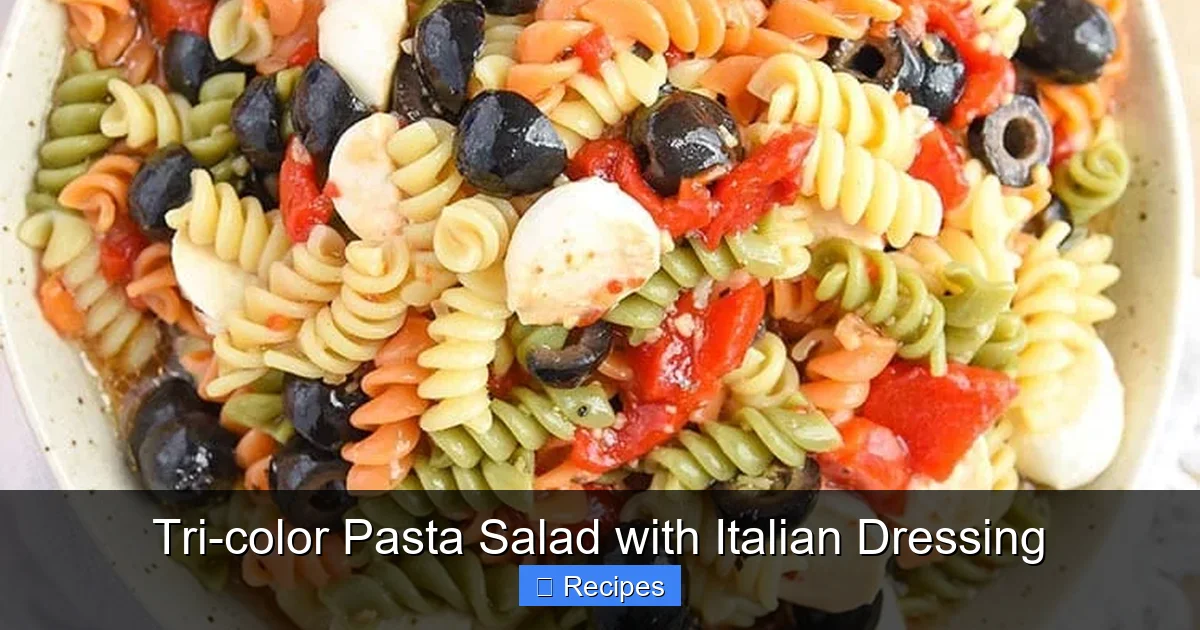
The “tri-color” in Tri-color Pasta Salad with Italian Dressing isn’t just an aesthetic choice; it’s a core part of the dish’s identity. Understanding what each color brings—both visually and in terms of subtle flavor—helps you appreciate the whole.
Visual guide about Tri-color Pasta Salad with Italian Dressing
Image source: courtneyssweets.com
The Green: Spinach-Infused Pasta
The green pasta gets its hue from spinach puree or powder mixed into the semolina dough. Functionally, it adds a very mild, earthy vegetal note that complements the fresh herbs in the dressing. Visually, it provides a fresh, spring-like contrast. When selecting, look for pasta where the green is evenly distributed and vibrant, not speckled or dull. This pasta often has a slightly different texture—sometimes a bit more porous—which helps it cling to the dressing beautifully.
The White: Plain Semolina Pasta
The white pasta is the neutral canvas. It’s typically made from just durum wheat semolina and water. Its role is to provide a clean, starchy base that balances the stronger flavors of the other pastas and the assertive dressing. It’s the workhorse of the trio, offering a familiar pasta flavor and a perfect texture for absorbing the vinaigrette.
The Red: Tomato-Infused Pasta
The red pasta, colored with tomato paste or powder, brings a whisper of sweet-tomato flavor. This isn’t a powerful tomato punch; it’s a subtle sweetness that rounds out the overall taste of the salad. Its primary job is visual—that pop of red makes the entire bowl look lively and appetizing. Together, the three colors create a dish that looks as joyful as it tastes. If you can’ find pre-made tri-color pasta, you can easily create your own by cooking plain pasta and tossing it with a little beet juice (for pink/red) and spinach puree (for green), though store-bought is far more convenient and consistent.
The Heart of the Matter: Choosing Your Pasta Perfectly
While the tri-color blend is classic, the shape of your pasta is just as important as the color. The goal is a shape that holds dressing and mix-ins well, creating a cohesive bite every time.
Visual guide about Tri-color Pasta Salad with Italian Dressing
Image source: i.pinimg.com
Shape Matters: Spirals, Wheels, and Bowties
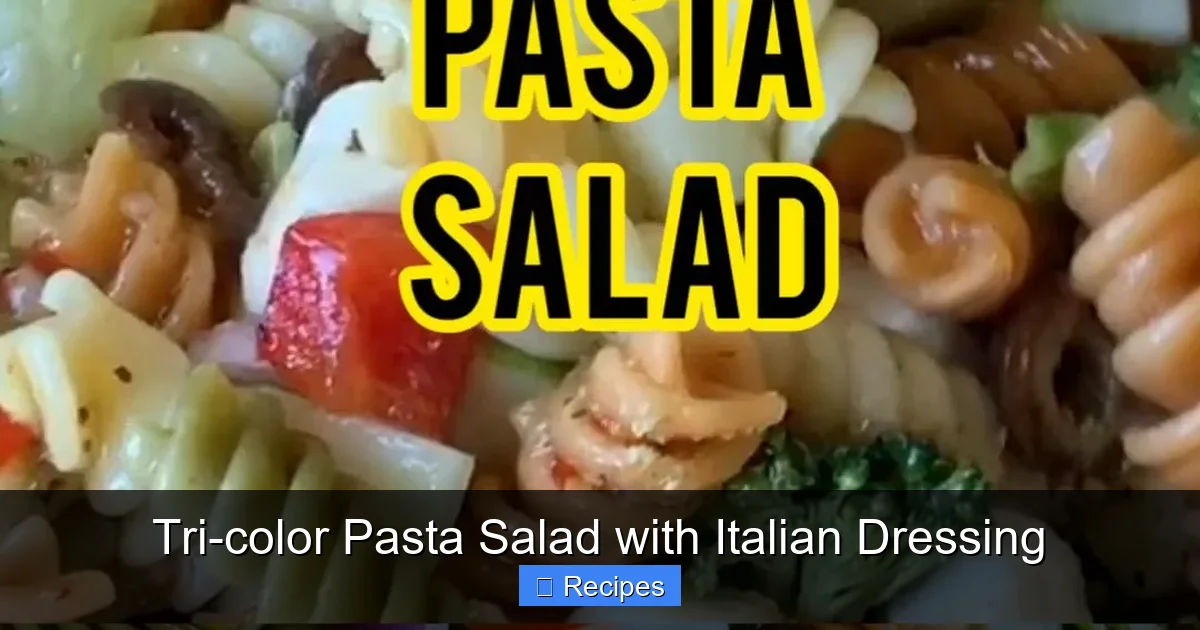
For Tri-color Pasta Salad with Italian Dressing, you want pasta with nooks, crannies, and curves. Rotini (spirals) is the undisputed champion. its tight spirals trap tiny bits of onion, pepper, and herbs, ensuring every forkful is packed with flavor. Fusilli is a close second. Penne or rigatoni are also excellent choices, as their tubes capture dressing inside. Avoid long, thin strands like spaghetti or linguine, which tend to clump and don’t hold mix-ins well. Bowtie pasta (farfalle) is charming and works well, but its flat surfaces can make dressing slide off more easily than a spiral. For the most authentic experience, stick with rotini or fusilli in the tri-color blend.
Cooking Al Dente: The Non-Negotiable Rule
This is the single most important technical step for a successful pasta salad. Your pasta must be cooked al dente, meaning “to the tooth” in Italian. It should be tender but still have a firm, slightly resistant core. Why? Because the pasta will continue to absorb the dressing and soften once it’s mixed. If you cook it to a soft, mushy state initially, it will become utterly soggy and unpleasant by the time you serve it. To achieve this, boil your pasta in generously salted water (it should taste like the sea) for about one minute less than the package directs. Start tasting at that point. Drain it immediately when it’s just tender enough. This firm texture provides a satisfying bite and acts as a sponge for the dressing without collapsing.
To Rinse or Not to Rinse? The Great Debate
Here’s a point of contention among cooks. Traditional Italian wisdom says do not rinse your pasta after draining. The starch left on the surface helps sauces and dressings adhere. However, for a cold pasta salad, many chefs do recommend a quick rinse with cool water. Why? It stops the cooking process instantly, guaranteeing your pasta stays al dente. It also washes off excess surface starch, which can make the salad gluey or gummy if mixed with dressing. The decision is yours, but for a Tri-color Pasta Salad with Italian Dressing, a quick rinse is generally the safer bet to ensure a clean, non-sticky texture, especially if you’re not serving it immediately. If you do rinse, make sure to drain it extremely well—any excess water will dilute your dressing.
The Italian Dressing: More Than Just a Condiment
Store-bought Italian dressing is fine in a pinch, but a homemade vinaigrette is what transforms a good Tri-color Pasta Salad into an unforgettable one. The dressing is the glue that binds all the components and delivers the dominant flavor. Mastering a simple emulsion is key.
Visual guide about Tri-color Pasta Salad with Italian Dressing
Image source: brooklynfarmgirl.com
The Classic Ratio: Oil, Acid, Emulsifier
A foundational vinaigrette follows a 3:1 ratio of oil to acid. For this salad, that means ¾ cup of good-quality extra virgin olive oil to ¼ cup of red wine vinegar. The acid is non-negotiable for brightness. The emulsifier is often a touch of Dijon mustard (about 1 teaspoon), which helps the oil and vinegar bond into a stable, creamy mixture that won’t separate as it sits. Season generously with kosher salt and freshly ground black pepper. The magic is in the balance: enough oil to coat every pasta curve, enough vinegar to make your mouth water, and enough seasoning to make flavors pop.
Herbs: Dried for Depth, Fresh for Brightness
Dried herbs, particularly oregano, are classic in Italian dressing. They rehydrate in the acidic environment and release a deep, earthy flavor that’s more intense than fresh. Use about 1-2 teaspoons of dried oregano. For a brighter, more vibrant note, add 1-2 tablespoons of freshly chopped parsley or basil. The dried herbs form the backbone; the fresh herbs provide the top note. Don’t forget the aromatics: a minced garlic clove (or ½ teaspoon garlic powder for convenience) and a pinch of red pepper flakes for a subtle kick are highly recommended. A small teaspoon of honey or sugar balances the acidity beautifully, rounding out the sharp edges.
Whisking vs. Shaking: The Emulsion Technique
The goal is a cohesive, slightly thickened dressing. The best method is to whisk all the non-oil ingredients (vinegar, mustard, herbs, garlic, sweetener, salt, pepper) in a small bowl until smooth. Then, while whisking constantly, slowly drizzle in the olive oil in a thin, steady stream. This slow incorporation forces the oil to break into tiny droplets that suspend in the vinegar, creating an emulsion. If you’re short on time, you can combine everything in a jar with a tight lid and shake vigorously for 30 seconds. The emulsion will be slightly less stable but will work perfectly for immediate use. Always taste and adjust the seasoning before mixing it into the pasta.
Mastering the Mix: Technique and Timing
Assembling the Tri-color Pasta Salad with Italian Dressing seems straightforward, but a few strategic moves make a huge difference in texture and flavor distribution.
The Vegetable Foundation: Crisp, Dry, and Uniform
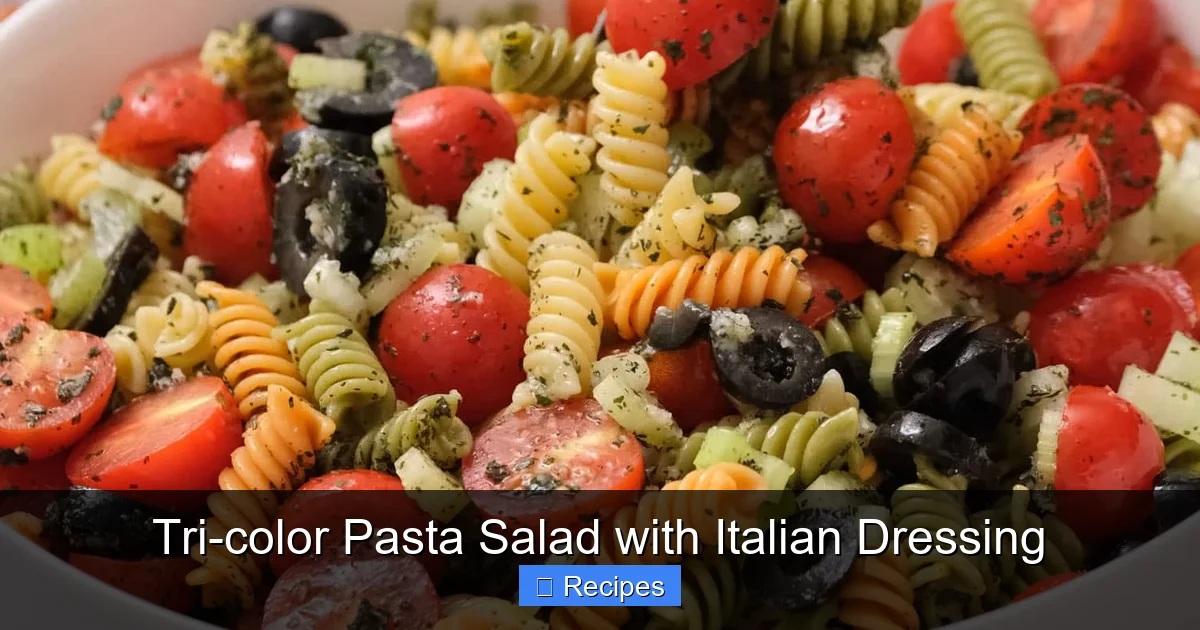
Your vegetable choices are personal, but classic mix-ins include diced bell peppers (red, yellow, green), finely chopped red onion, halved cherry tomatoes, sliced black olives, and sometimes blanched broccoli or asparagus. Two critical rules: First, pat all vegetables completely dry with a paper towel after washing. Any surface water will make the salad watery and dilute the dressing. Second, dice everything to a similar size, about ½-inch pieces. This ensures you get a bit of everything in each bite and that everything chills at the same rate. For the onion, a quick soak in a bowl of cold water for 5 minutes takes the raw bite away without sacrificing crunch.
The Layering Method: Pasta First, Dressing Last
In a large, wide bowl, combine the cooled, drained tri-color pasta and all your prepared, dried vegetables. Do not add the dressing yet. Give everything a good toss to distribute the vegetables. Now, pour about three-quarters of your prepared Italian dressing over the mixture. Using a large spoon or clean hands, toss gently but thoroughly until every piece of pasta and veggie is lightly coated. You want to see a slight sheen, not pools of dressing at the bottom. This initial coating helps season the pasta itself. If the salad looks dry, add the remaining dressing a little at a time until you reach your desired moistness. It’s better to under-dress initially, as the pasta will absorb more as it sits.
Marinating Time: The Flavor Fusion Window
This is where the magic happens. Once dressed, cover the bowl tightly with plastic wrap and refrigerate. For optimal flavor, let it marinate for at least 2 hours, and ideally 4-6 hours or overnight. This resting period allows the pasta to absorb the dressing, the vegetables to release their juices (which mingles with the dressing), and all the flavors to meld together harmoniously. The salad will look a bit wet initially but will “dry” slightly as it chills, reaching a perfect consistency. If you’re serving it the same day, a minimum of 30 minutes in the fridge is better than none, but the difference a few hours makes is remarkable. Stir gently before serving to redistribute any dressing that may have settled.
Beyond the Basics: Creative Variations for Every Palate
The beauty of Tri-color Pasta Salad with Italian Dressing is its chameleon-like quality. The base recipe is a template waiting for your personal touch.
Protein Power-Ups
To turn this side dish into a main course, add protein. Chickpeas or white beans are a fantastic vegan option, adding heartiness and fiber. Diced salami, pepperoni, or ham brings a salty, savory punch that pairs perfectly with the Italian flavors. Grilled chicken breast, shredded or cubed, makes it a complete meal. Canned tuna or salmon (drained well) can be folded in for a quick, omega-3-rich version. Add these proteins when you toss the pasta and vegetables with the dressing. If using cooked meats, ensure they are cooled to room temperature before adding to avoid warming the salad.
Cheese Please
Cheese adds creaminess and saltiness. Cubed mozzarella (bocconcini) or fresh mozzarella is a classic, melting slightly into the dressing. Cubed provolone or sharp cheddar holds its shape better. Crumbled feta or goat cheese adds a tangy, salty kick. For a parmesan twist, add ½ cup of freshly grated Parmigiano-Reggiano when tossing. Add cheese in the final stage of mixing, as it can become rubbery if marinated for too long.
Vegetable and Herb Adventures
Feel free to swap in seasonal vegetables. Asparagus (blanched), artichoke hearts, roasted red peppers (jarred, drained), steamed green beans, or sugar snap peas all work wonderfully. For herbs, beyond parsley and basil, try a little fresh oregano (more potent than dried) or chives. A handful of arugula massaged in at the end adds a peppery green note. The key is to keep the vegetable pieces bite-sized and ensure they are dry.
Dietary Swaps: Gluten-Free and Vegan
For a gluten-free Tri-color Pasta Salad, simply use a gluten-free tri-color pasta blend (often made from rice, corn, and quinoa). Cook it meticulously to avoid mushiness. For a vegan version, ensure your pasta is egg-free (most dried pasta is), skip the cheese and meat, and boost the protein with chickpeas or white beans. The classic Italian dressing is naturally vegan if you omit the honey (use maple syrup or agave instead). Load up on vegetables like artichokes, olives, and roasted peppers for substance.
Storage, Serving, and Making It Ahead
One of the greatest assets of this salad is its make-ahead capability, but proper storage is crucial for maintaining perfect texture.
The Refrigeration Rule
Once assembled and dressed, the salad must be refrigerated. Keep it in an airtight container or tightly covered bowl. It will keep beautifully for 3-4 days. The flavors will continue to develop, often tasting best on day two. If the salad seems dry when you go to serve it after a day, drizzle with a tiny bit more olive oil or a splash of fresh lemon juice and toss to refresh.
Dressing Separately: The Prolonged Freshness Trick
For maximum longevity and to prevent the vegetables from becoming overly soggy, you can store the dressing separately. Combine the pasta and vegetables (undressed) in a container. Store the dressing in a small jar. When ready to serve, pour the dressing over the salad, toss, and let it sit for 15-20 minutes. This method is ideal if you’re prepping more than 24 hours ahead or if you’re taking the salad to an event where it will sit out for a while. The undressed base can last up to 5 days in the fridge.
Serving Suggestions for Any Occasion
Serve this salad chilled or at room temperature. For a potluck, transport the dressing separately and toss it on-site for the freshest texture. Garnish with a sprinkle of fresh chopped parsley, a few grinds of black pepper, or a light drizzle of good olive oil just before serving. It pairs effortlessly with grilled meats (chicken, steak, burgers), sandwiches, or as part of a cold buffet. For a beautiful presentation, consider lining your serving bowl or platter with large, crisp romaine or butter lettuce leaves and spooning the pasta salad into the center. It makes the colors pop and provides an edible “bowl.”
Conclusion: Your New Go-To Dish
The Tri-color Pasta Salad with Italian Dressing is more than just a recipe; it’s a culinary tool for connection and ease. It’s the dish you make when you want to bring something vibrant, delicious, and thoughtful to a table without spending all day in the kitchen. It’s the salad that disappears first at the picnic because it appeals to kids and adults alike. By understanding the why behind each step—cooking pasta al dente, emulsifying a proper dressing, allowing time to marinate—you move from simply following a recipe to truly mastering it. You now have the knowledge to customize it for any diet, any season, and any crowd. So next time you need a reliable, impressive side or a light main, remember this classic. Whip up a bowl, let it chill, and watch it become a beloved tradition at your own table. It’s a simple pleasure that never goes out of style.
Frequently Asked Questions
Can I use a different shape of pasta for this salad?
Absolutely! While rotini or fusilli are ideal for catching dressing, any short, sturdy pasta like farfalle (bowtie), penne, or even small shells will work well. Avoid long, thin strands. The key is cooking it al dente.
How do I prevent my pasta salad from becoming soggy?
Sogginess comes from two main sources: overcooked pasta and excess water. Always cook pasta al dente and rinse it briefly with cool water if making a cold salad. Also, thoroughly pat all chopped vegetables dry with a paper towel before adding them to the mix. Finally, don’t overdress the salad initially; add dressing gradually and let it marinate, as the pasta will absorb liquid over time.
Can I make this salad a day or two ahead?
Yes, and it’s highly recommended! The salad tastes best after 4-6 hours of marinating, as the flavors meld. It will keep well in an airtight container in the refrigerator for 3-4 days. For best texture after 24 hours, you can store the dressing separately and toss it in just before serving.
What are the best proteins to add to make it a main dish?
Great options include diced salami or pepperoni, cubed grilled chicken, canned tuna or salmon (drained), chickpeas or white beans (for vegan), and hard-boiled eggs. Add these when you combine the pasta and vegetables with the dressing.
Is there a good substitute for the tri-color pasta?
If you can’t find tri-color pasta, you can use any short pasta shape. For the visual effect, you could mix a small amount of plain pasta with a handful of frozen peas (thawed) and some diced roasted red pepper for color, though the flavor profile will change slightly.
Should I use store-bought or homemade Italian dressing?
Homemade is always superior for flavor and control over ingredients (like sugar or preservatives). It’s quick to whisk together and makes a noticeable difference. However, a high-quality store-bought Italian dressing is a perfectly acceptable shortcut in a pinch. If using store-bought, consider brightening it with a splash of fresh lemon juice or a pinch of dried oregano.
Pingback: Russian Dressing - kitchenandhouseware.com
Pingback: Coleslaw Dressing - kitchenandhouseware.com
Pingback: Broccoli Salad Dressing Tips - kitchenandhouseware.com
Pingback: Caesar Dressing - kitchenandhouseware.com