Juicing in 2026 blends timeless nutrition wisdom with revolutionary smart technology. This guide cuts through the hype to deliver actionable, equipment-focused steps for anyone, from beginner to enthusiast. You’ll learn to select cutting-edge juicers, choose peak-season produce for maximum flavor, master efficient techniques, and store your creations to preserve vital nutrients. Embrace the future of home juicing with our clear, practical advice.
Welcome to the vibrant world of juicing in 2026! If you picture a loud, messy, labor-intensive chore, you’re thinking of the past. Today, juicing is a sleek, efficient, and deeply personalized wellness ritual, powered by intelligent equipment and a deeper understanding of nutrition science. Whether you’re aiming for a glowing complexion, sustained energy, or just a delicious way to consume more vegetables, the journey starts with the right steps. This isn’t about restrictive cleanses; it’s about integrating nutrient-dense, live juices into a balanced lifestyle. We’ll walk through every stage, from unboxing your new tech-savvy companion to savoring the last drop, ensuring you feel confident and excited to press start.
Key Takeaways
- Equipment is the Foundation: Investing in a 2026-era smart juicer with variable speed, pulp control, and app integration dramatically improves yield, reduces waste, and simplifies the process.
- Produce Quality is Non-Negotiable: The future of juicing prioritizes organic, locally-sourced, and seasonal produce. Look for “ultra-fresh” indicators like vibrant color and firm texture for peak nutrient density.
- Technique Trumps Technology: Even with the best machine, proper prep (washing, chopping), feeding order (hard produce first), and pulp management are essential for optimal extraction and machine longevity.
- Juice is a Supplement, Not a Replacement: 2026 trends emphasize balanced nutrition. Use juices to complement a whole-food diet, focusing on vegetable-forward recipes to manage sugar intake.
- Smart Storage is Key: Immediate, airtight storage using vacuum-seal systems or nitrogen-flushed bottles preserves enzymes and prevents oxidation, locking in freshness for up to 72 hours.
- Cleanup is Part of the Process: Modern juicers feature dishwasher-safe parts and self-cleaning modes, but a quick post-juice rinse remains the #1 habit to prevent pulp buildup and maintain hygiene.
📑 Table of Contents
- Step 1: Choosing Your 2026 Juicer – Beyond the Basic Centrifuge
- Step 2: Sourcing & Selecting the Best Produce – The 2026 “Freshness” Paradigm
- Step 3: The Prep Station – Washing, Chopping, and Organizing
- Step 4: The Juicing Process – Technique, Order, and Troubleshooting
- Step 5: Storage, Consumption, and Maximizing Nutrient Life
- Step 6: Cleanup & Maintenance – The Unsexy but Essential Step
- Beyond the Basics: 2026 Juicing Trends & Pro Tips
- Conclusion: Your 2026 Juicing Journey Starts Now
Step 1: Choosing Your 2026 Juicer – Beyond the Basic Centrifuge
The first and most critical step is your equipment. The market in 2026 has evolved far beyond the simple centrifugal juicers of a decade ago. Your choice dictates your entire experience—from juice yield and pulp dryness to noise level and cleanup time. Understanding the core technologies will help you match a machine to your personal goals and kitchen style.
Cold Press (Masticating & Hydraulic Press): The Nutrient Retention Champion
Cold press juicers remain the gold standard for maximum nutrient and enzyme extraction. They operate at low speeds (RPMs), generating minimal heat and oxidation. In 2026, these have split into two sophisticated sub-categories:
- Auger (Masticating) Juicers: These use a single, slow-turning auger to crush and squeeze produce. The latest 2026 models feature dual-stage extraction, meaning the pulp is automatically re-processed for a second, even drier squeeze, boosting yield by 15-20%. Look for brands with smart torque sensors that adjust power automatically when encountering hard vegetables like carrots or beets, preventing jams. They are quieter, handle leafy greens exceptionally well, and produce juice that can be stored for 48-72 hours with minimal degradation.
- Hydraulic Press Juicers: The pinnacle of home extraction. These use significant pressure (often 6-10 tons) to squeeze juice from produce bags. They are investment pieces but yield the absolute maximum liquid with the driest pulp possible. 2026 versions are more compact and feature automated bag loading systems and pressure calibration settings for different produce types. They are ideal for serious enthusiasts, small batch commercial use, or those who juice large quantities daily.
Centrifugal (High-Speed) Juicers: The Speed and Convenience Specialist
Don’t count them out! Centrifugal juicers use a spinning basket to shred produce and separate juice via centrifugal force. They are blazingly fast—perfect for a morning rush. The 2026 iterations are vastly improved. Key features include:
- Variable Speed Controls: No more one-speed-fits-all. Low speeds for soft fruits (berries, citrus), high speeds for hard roots (carrots, apples). This preserves more nutrients in delicate produce.
- Advanced Pulverizing Blades: Micro-serrated blades create a finer chop, improving extraction and reducing wet pulp.
- Integrated Froth Separators: Many now come with detachable lids that trap foam, giving you a smoother, more palatable juice straight from the spout.
They are typically noisier and produce juice best consumed immediately due to higher oxidation, but for many, the convenience factor is unmatched.
The “Smart” Juicer: IoT in Your Kitchen
The defining trend of 2026 is connectivity. Leading brands integrate Wi-Fi and Bluetooth, connecting to dedicated apps. These aren’t just gimmicks; they offer real utility:
- Recipe Library & Guided Mode: The app suggests recipes based on the produce you load, guides you through chopping sizes, and even adjusts the juicer’s speed automatically via Bluetooth.
- Nutrient Tracking: Scan the barcode of your organic produce bag (or manually input), and the app estimates the vitamin and mineral content of your specific juice batch.
- Maintenance Alerts: Get notified when it’s time to deep clean, replace seals, or descale the machine. Some even have self-diagnostic modes.
- Community & Challenges: Share your creations, join monthly juice challenges, and learn from a global community directly through the app.
Our 2026 Recommendation: For most households, a smart, variable-speed masticating juicer offers the best balance of nutrient quality, versatility, yield, and quiet operation. For the ultimate purist with budget, a compact hydraulic press is the apex choice.
Step 2: Sourcing & Selecting the Best Produce – The 2026 “Freshness” Paradigm
You can have the most expensive juicer, but with subpar ingredients, your juice will be mediocre. The philosophy of 2026 is “ultra-fresh, ultra-local, ultra-seasonal.” The goal is to minimize the time between harvest and juicing to preserve volatile nutrients and enzymes.

Visual guide about Steps by Steps on How to Juicing – Goods Tips in 2026
Image source: as2.ftcdn.net
Prioritize Organic, Especially for the “Dirty Dozen”
This remains a cornerstone. Since you’re consuming the concentrated essence of the produce, any pesticides or chemicals on the skin will be highly concentrated in your juice. Always buy organic for produce with edible skins that are traditionally high in pesticides: strawberries, spinach, kale, apples, grapes, peaches, cherries, pears, tomatoes, celery, potatoes, and bell peppers. For produce with thick, inedible skins (oranges, bananas, melons), conventional is often a more affordable, acceptable option.
Embrace Local & Seasonal with Tech Assistance
2026 makes this easier than ever. Use apps like Seasonal Food Guide or your grocery store’s app to see what’s truly in season and locally harvested in your region this week. Seasonal produce is:
- Cheaper: Abundance drives down cost.
- More Nutritious: Allowed to ripen naturally on the plant/vine, developing full flavor and nutrient profiles.
- Tastier: Simply put, it tastes better.
Visit farmers’ markets and ask farmers about harvest dates. Look for “harvested on” labels at high-end grocers—a 2026 trend providing transparency. The best juice comes from produce harvested within the last 24-72 hours.
Visual & Tactile Selection Guide
Use your senses. For greens (kale, spinach, parsley): leaves should be crisp, deeply colored, and perky. Wilted, yellowing, or slimy leaves indicate age and nutrient loss. For roots (carrots, beets, ginger): they should feel firm and heavy for their size, with smooth, unblemished skin. For apples and pears: they should have a fragrant aroma and be firm to the touch, not mushy. For citrus: it should feel heavy for its size, indicating juiciness, with a bright, porous skin.
Step 3: The Prep Station – Washing, Chopping, and Organizing
This step is where many shortcuts are taken, leading to poor yields, machine jams, and off-flavors. In 2026, we emphasize a mise en place (everything in its place) approach for a smooth, efficient process.

Visual guide about Steps by Steps on How to Juicing – Goods Tips in 2026
Image source: healthiersteps.com
Washing: It’s More Than Just Rinsing
Even organic produce has dirt, bacteria, and natural waxes. Use a dedicated produce brush for firm items (carrots, cucumbers, apples). For berries and delicate greens, soak in a large bowl of cold water with a splash of food-grade hydrogen peroxide (a 2026 favorite for its efficacy and safety) or a commercial produce wash for 5-10 minutes, then rinse thoroughly under cool running water. For leafy greens, disassemble heads and wash each leaf individually in multiple changes of water until grit-free.
Chopping: Size Matters for Your Specific Juicer
This is the #1 user error. Consult your juicer’s manual for the optimal feed chute size. Most modern juicers have wide-mouth chutes (3-inch+), allowing you to juice whole small apples or large carrots. However, for larger items (like full-sized beets or pineapples), you must chop.
- Rule of Thumb: Pieces should be small enough to feed easily but large enough to not just spin around the chute. A good size is a 1 to 1.5-inch cube or chunk.
- Pro Tip: For fibrous items like celery or ginger, cut them into lengthwise strips rather than chunks. This aligns the fibers with the auger/blade, preventing wrapping and jamming.
- Prep Ahead: Wash and chop all your produce at once and store in airtight containers in the fridge. This makes daily juicing a 2-minute task instead of a 15-minute chore.
Organizing Your “Juice Line”
Set up your station logically: 1) Clean, dry produce storage containers. 2) Cutting board and sharp knife. 3) A large bowl for pulp collection (if your juicer doesn’t have one). 4) A tall glass or pitcher under the juice spout. 5) Your juicer, assembled and ready. 6) A small bowl for any seeds or pits you remove (citrus, peaches). 7) A compost bin or trash can right beside you for discarding tops, peels, and pulp immediately. This flow prevents mess and keeps you moving efficiently.
Step 4: The Juicing Process – Technique, Order, and Troubleshooting
Now, the main event. The order you feed produce and your technique significantly impact extraction and machine performance.
Visual guide about Steps by Steps on How to Juicing – Goods Tips in 2026
Image source: healthiersteps.com
The Golden Rule: Hard & Dense First, Soft & Juicy Last
Always start with the hardest, driest produce (carrots, beets, ginger, apples). This primes the juicing mechanism, pushes through any initial air, and creates a “path” for softer items. Finish with the softest, wettiest items (cucumbers, celery, leafy greens, citrus). Why? If you start with a soft, pulpy item like spinach, it can pack into the auger or basket, creating a barrier that prevents the harder items from making contact and being properly crushed.
Feeding Technique: Slow, Steady, and Without Force
Use the plunger (pusher) that came with your juicer. Never put your hand or foreign objects down the chute. Feed produce at a moderate, consistent pace. Too fast, and the machine can’t extract efficiently, leading to wet pulp. Too slow, and produce can back up and heat up. Apply firm, steady pressure with the plunger. If you feel a significant increase in resistance, stop. Back up the plunger slightly, let the machine process, then continue. Forging ahead causes jams and strains the motor.
Pulp Management: The Key to Maximum Yield
Pulp ejection systems vary. Centrifugal juicers eject pulp continuously into a basket. Masticating juicers either eject periodically or have a continuous outlet. Do not let the pulp basket overflow. An overflowing basket forces juice back into the system, reducing yield and creating a mess. With smart masticating juicers, the app will alert you. With others, check every 2-3 minutes. For maximum extraction from your pulp, you can re-feed it through the juicer a second time (especially with masticating models), though the gain is smaller the second time.
Troubleshooting Common 2026 Jams & Issues
- Jamming with Leafy Greens: Ensure greens are dry (excess water can pack them). Always alternate small handfuls of greens with a “carrot chaser” or piece of apple to push them through and absorb moisture.
- Pulp is Too Wet: Your feed rate is likely too fast. Slow down. Also, check that your produce is fresh and firm. Wilted produce has less structural integrity and yields less.
- Juicer is Strained or Making Weird Noises: You’re likely feeding something too large or hard (like a whole sweet potato). Stop immediately. Disassemble according to the manual, clear the blockage, and restart with properly sized pieces. Smart juicers will auto-shutoff in this scenario.
- Excessive Foam: This is natural, especially with centrifugal models. Use the froth separator lid. Let the juice sit for a minute and skim foam off the top with a spoon. Adding a squeeze of lemon juice can help stabilize it.
Step 5: Storage, Consumption, and Maximizing Nutrient Life
Freshly pressed juice is a living beverage, teeming with enzymes and oxygen-sensitive vitamins. How you handle it post-juicing determines its health benefits and taste.
Immediate Action: Seal and Chill
As soon as your juice is in the glass, it’s being exposed to oxygen, which degrades nutrients through oxidation. The moment you finish juicing, transfer your juice immediately to an airtight storage vessel. In 2026, the best options are:
- Vacuum-Seal Bottles: These use a handheld pump to remove air from a specialized bottle. They can extend the life of your juice by 24-36 hours compared to a standard sealed jar.
- Nitro-Flushed Growlers: Borrowing from craft beer tech, some premium home systems use small nitrogen canisters to displace oxygen in a growler-sized bottle. This is the gold standard for 72-hour storage.
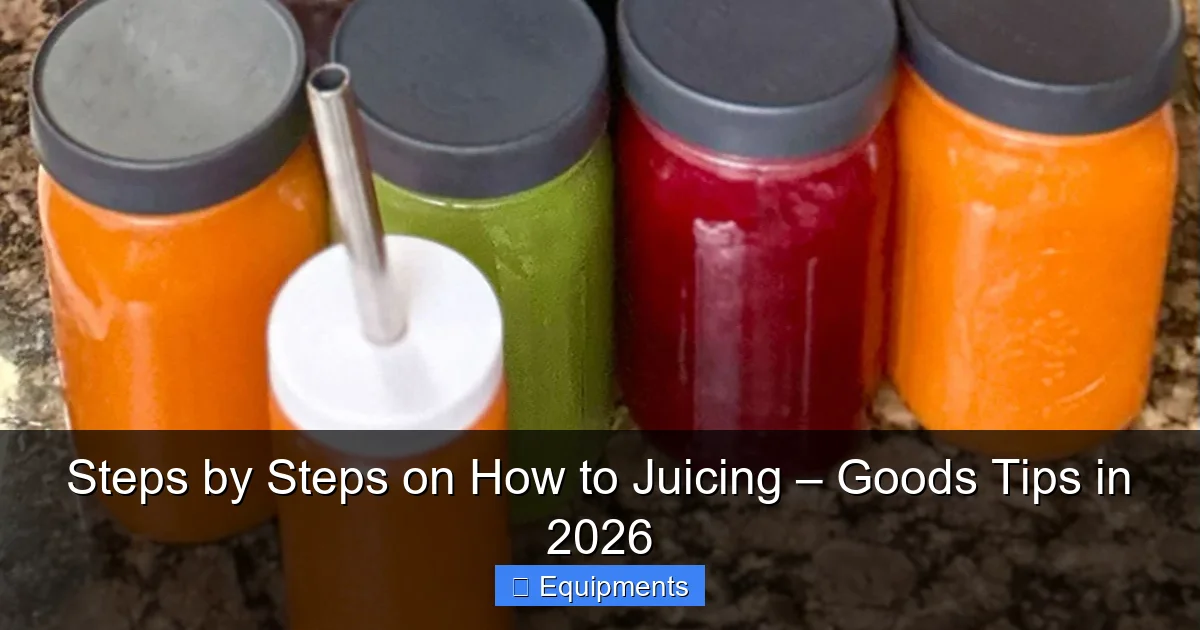
- Glass Mason Jars with Air-Tight Lids: A reliable, affordable choice. Fill the jar to the very top to minimize headspace, then seal tightly.
The 72-Hour Rule (With Caveats)
With proper cold storage (immediately in the fridge) and excellent sealing, nutrient-rich masticated juice can last up to 72 hours with minimal degradation. Centrifugal juice, due to higher initial oxidation, is best consumed within 24 hours. Use your senses: if it smells off, fermented, or sour, discard it. A layer of separation (clear liquid on top) is normal; simply shake or stir before drinking.
When to Drink: Timing for Maximum Effect
The traditional advice of drinking juice on an empty stomach (30 minutes before a meal) still holds. This allows for rapid absorption of nutrients without competition from other foods. For a morning energy boost, drink within 30 minutes of waking. For post-workout recovery, a vegetable-based juice with a touch of fruit (beet, carrot, apple, ginger) within 45 minutes is ideal. Avoid drinking large quantities right before bed, as the natural sugars can disrupt sleep for some individuals.
Step 6: Cleanup & Maintenance – The Unsexy but Essential Step
A dirty juicer is a health hazard and a path to poor performance. Modern design in 2026 has made this easier, but it remains a non-negotiable habit.
The “Rinse-Immediately” Protocol
The single most important rule: rinse all components under cool running water immediately after juicing. Do not let pulp dry and harden. Most parts can be rinsed right at the sink in under a minute. This 60-second habit prevents 90% of cleanup difficulty.
Deep Cleaning: Daily or Every Other Day
After rinsing, disassemble your juicer completely. Most 2026 models have dishwasher-safe parts (top rack only). Check your manual! For parts not dishwasher-safe (often the auger, filtering screens, and motor base), wash by hand with a soft brush (many include a cleaning brush) and mild soap. Pay special attention to the mesh screen—use a toothbrush to clear every hole. Rinse all parts thoroughly and allow to air-dry completely on a drying rack before reassembling. Moisture trapped inside can lead to mold and odor.
Smart Maintenance & Long-Term Care
Your app-connected juicer will guide you, but here’s the general schedule:
- Weekly: Wipe down the motor base with a damp cloth. Never submerge.
- Monthly: Deep clean all parts, even if dishwasher-safe, to remove mineral deposits from produce. Soak screens in a solution of water and citric acid or vinegar.
- Every 6-12 Months: Check and replace seals and gaskets. These wear out and can cause leaks. Smart apps will alert you based on usage cycles.
- Blade/Auger Sharpness: Masticating augers don’t get “dull” like a knife, but they can wear. If you notice a significant drop in yield or wetter pulp after years of use, contact the manufacturer about a replacement part.
Beyond the Basics: 2026 Juicing Trends & Pro Tips
Now that you have the steps down, let’s elevate your practice with the latest trends that define juicing in 2026.
1. The “No-Waste” Philosophy: Pulp is a Treasure
Drying, nutrient-dense pulp is a superfood byproduct. In 2026, we don’t compost it (well, we do, but after extracting more value!). Ideas:
- Dehydrate it: Make veggie chips, crackers, or seasoning salts.
- Add to Soups & Stews: It’s pre-chopped, pre-flavored veggie base.
- Blend into Smoothies: For added fiber.
- Use in Baking: Carrot pulp in muffins, apple pulp in oatmeal.
2. Adaptogenic & Functional Boosts
Juicing is now a delivery system for targeted wellness. Popular 2026 add-ins (juiced or blended in after):
- Adaptogens: Ashwagandha powder (for stress), Maca (for energy).
- Seeds: Chia, flax, hemp (for omega-3s and fiber—add after juicing to avoid clogging).
- Spices: Fresh turmeric root (with black pepper for absorption), cinnamon, cayenne.
- Protein: A scoop of unflavored pea or rice protein powder blended in post-juice makes a complete meal replacement.
3. The “Vegetable-First” Mandate
The 2026 consensus is clear: base your juices on 80% vegetables, 20% fruit. This keeps sugar content low and maximizes micronutrient diversity. A classic formula: 3 parts cucumber/celery (high-water base) + 2 parts leafy greens (kale, spinach) + 1 part root vegetable for sweetness (carrot, beet) + 1 part “boost” (ginger, lemon). Fruit (apple, pear, orange) should be used sparingly to sweeten, not dominate.
4. Juice Cleanses, Reimagined
Multi-day water-only juice fasts are out. The 2026 “reset” is a single daily juice replacing one meal, or a 24-hour “veggie-forward” period where you consume 3-4 nutrient-dense juices spaced throughout the day alongside herbal tea and water. The focus is on nourishment, not deprivation. Always consult a doctor before any extended fast.
5. Community & Sharing
With smart apps, sharing your juice creations is social. Post your “juice of the day” with the recipe and perceived benefits. Join local or online “juice circles” to trade produce from gardens, share bulk buys, and motivate each other. The journey is better together.
Conclusion: Your 2026 Juicing Journey Starts Now
Juicing in 2026 is a beautiful fusion of ancient wisdom—consuming the pure, liquid essence of plants—and cutting-edge technology that makes it accessible, efficient, and deeply personalized. You now have the roadmap: select the intelligent equipment that fits your life, source the freshest, most vibrant produce with a seasonal eye, master the prep and process with a mindful technique, and honor the juice with proper storage and cleanup. Remember, the goal is not perfection, but consistent, joyful addition. Start with one simple recipe, like the classic “Green Glow” (cucumber, celery, green apple, lemon, ginger), and build from there. Listen to your body. Experiment with flavors. Embrace the pulp. This isn’t a fleeting trend; it’s a sustainable, vibrant practice for a healthier you. Now, go forth and press!
Frequently Asked Questions
Is juicing in 2026 still a healthy habit, or is it just a fad?
Juicing remains a powerful tool for increasing your intake of vitamins, minerals, and phytonutrients from fruits and vegetables. The 2026 consensus from nutritionists is that it’s a healthy supplement to a balanced diet rich in whole foods, not a replacement for them. The key is focusing on vegetable-heavy juices to avoid excessive sugar intake.
What’s the single most important piece of equipment to buy in 2026?
While personal needs vary, the most impactful purchase is a slow-speed (masticating) juicer with a wide feed chute. This technology offers the best balance of high nutrient retention, good yield, quiet operation, and versatility for handling both hard vegetables and leafy greens. The wide chute dramatically reduces prep time.
Can I juice frozen fruits and vegetables in a modern juicer?
No, never. Juicers are designed for fresh, firm produce. Frozen items are solid ice crystals and will dull or break blades/augers, and they won’t yield any juice until they thaw, which creates a mushy, clogging mess. Always use completely thawed produce if you must, but fresh is always superior for flavor and yield.
How do I prevent my juice from separating so quickly?
Separation (clear liquid on top) is natural due to density differences. To minimize it: 1) Juice with a cold press/masticating machine, which creates less aeration. 2) Consume immediately or store in an airtight, vacuum-sealed bottle in the fridge. 3) Add a teaspoon of chia or flax seeds after juicing; they act as an emulsifier. 4) Give it a vigorous shake before drinking.
Is the pulp from my 2026 juicer truly “waste,” or can I use it?
It’s absolutely not waste! Pulp is packed with insoluble fiber and trace nutrients. Get creative: add it to soups, stews, or chili for body. Mix into meatballs or veggie burgers. Dehydrate it into crackers or chips. Blend it into smoothies for a fiber boost. Composting it is also an excellent option if you don’t use it.
My smart juicer app says my juice has “X” amount of vitamin C. Is that accurate?
Treat these figures as educated estimates, not lab-certified facts. The app calculates based on average nutrient databases for the type and weight of produce you input. Actual levels vary dramatically based on the specific produce’s soil, harvest time, storage, and your exact juicing method. They are great for relative comparisons (e.g., “this recipe has more Vitamin A than that one”) but not for precise daily intake tracking.