Unlock the vibrant world of fresh juice with our definitive 2026 guide. We walk you through every critical step, from selecting the perfect juicer for your lifestyle to mastering produce preparation and the actual juicing process. Learn essential 2026-specific tips on ingredient balancing, maximizing nutrient retention, and proper storage. This comprehensive resource transforms beginners into confident juicers, ensuring delicious, health-boosting results with every glass.
Key Takeaways
- Choose Your Weapon Wisely: The best juicer (centrifugal, masticating, or twin-gear) depends entirely on your budget, produce preferences (leafy greens vs. hard veggies), and daily time commitment.
- Prep is Non-Negotiable: Thoroughly wash all produce, even if organic. Proper prep—like coring apples, peeling citrus, and removing large seeds—protects your machine and ensures smooth operation.
- Balance is Everything: Create great-tasting juice by combining sweet (fruit), acidic (citrus), and earthy (vegetable) elements. A common ratio is 60% veggie, 30% fruit, 10% flavor boosters like ginger or herbs.
- Drink Fresh, Store Smart: Juice is most nutrient-dense immediately. If storing, use airtight glass containers filled to the top to minimize oxidation, and consume within 24-48 hours for peak quality.
- Pulp is a Treasure, Not Trash: Save your pulp! Use it in soups, crackers, smoothies, or as garden compost. It’s packed with fiber and nutrients, reducing waste and adding value.
- Clean As You Go: Rinsing your juicer parts immediately after use prevents pulp from drying and becoming a stubborn, sticky mess. A quick post-juice clean saves major time later.
- Listen to Your Body & Machine: Start with gentle recipes. Pay attention to how different juices affect your digestion. Also, learn your juicer’s sounds and capacities to avoid overheating or jamming.
📑 Table of Contents
- Introduction: Why 2026 is Your Year to Start Juicing
- Step 1: Selecting Your Ideal Juicer – The 2026 Equipment Breakdown
- Step 2: The Golden Rules of Produce Preparation
- Step 3: The Juicing Process – From Assembly to Extraction
- Step 4: Crafting Your 2026 Juice Recipes – Beyond Basic Blends
- Step 5: Post-Juice Protocol – Cleaning, Storage, and Pulp Power
- Step 6: Troubleshooting & Sustainable Habits for 2026
- Conclusion: Your Journey to Vibrant Health Starts Now
Introduction: Why 2026 is Your Year to Start Juicing
Welcome, future juicer! The journey into fresh, homemade juice is one of the most rewarding health decisions you can make. In 2026, juicing is more accessible, efficient, and beneficial than ever before. We’re not just talking about a trendy detox; we’re talking about a sustainable habit that floods your body with live enzymes, vitamins, and minerals in their most absorbable form. Think of it as a direct nutrient infusion, bypassing the digestive labor required for whole foods. But where do you start? The array of equipment and conflicting advice can be daunting. That’s precisely why we’ve created this no-nonsense, step-by-step guide. We’ll cut through the hype and give you the Steps by Steps on How to Juicing – Goods Tips in 2026. This isn’t just a list of instructions; it’s your foundational playbook. We’ll cover everything from the critical first equipment choice to the final sip, ensuring your experience is delicious, efficient, and perfectly tailored to your life this year.
Step 1: Selecting Your Ideal Juicer – The 2026 Equipment Breakdown
This is your most important decision. The right juicer makes the process joyful; the wrong one makes it a chore. In 2026, the market is dominated by three main types, each with clear pros and cons for different lifestyles and goals.

Visual guide about Steps by Steps on How to Juicing – Goods Tips in 2026
Image source: as2.ftcdn.net
Centrifugal Juicers: The Speed Demons
These are the classic, high-speed machines most people picture. They use a spinning metal basket to shred produce and force juice out through a mesh filter via centrifugal force.
- Best For: Beginners, those in a huge hurry, and people who primarily juice hard fruits and vegetables like apples, carrots, celery, and beets.
- 2026 Tip: Modern centrifugal models are quieter and more efficient. Look for ones with wide feed chutes (3 inches or more) to minimize prep time—you can often drop whole small apples or cucumbers right in.
- Watch Out For: They struggle with leafy greens (spinach, kale) and wheatgrass, often yielding very little. The high speed introduces more heat and air, which can slightly degrade sensitive enzymes and lead to faster oxidation (browning) of the juice.
Masticating (Slow) Juicers: The Nutrient Preservationists
Also called cold press or auger juicers, these use a slow-turning, gear-like auger to crush and press produce. The process is gentle and operates at low RPMs (revolutions per minute).
- Best For: serious juicers, green juice lovers, those prioritizing maximum nutrient retention and higher juice yield (especially from leafy greens), and anyone who wants juice that stays fresh longer.
- 2026 Tip: The latest models are incredibly versatile. Many can function as food processors for nut butters, sorbets, and even pasta. They are quieter and produce very dry pulp, meaning you get more juice from your produce bag.
- Watch Out For: Slower process. Feed chutes are often narrower, requiring more chopping. They are typically more expensive than centrifugal models.
Twin-Gear (Triturating) Juicers: The Elite Performers
These are the top-tier, professional-grade machines. They use two interlocking gears to finely grind and press produce, extracting an astonishing amount of juice and leaving pulp incredibly dry.
- Best For: Juice enthusiasts who juice large quantities daily, wheatgrass fanatics, and those who want the absolute maximum yield and nutrient extraction from every penny spent on produce.
- 2026 Tip: These are workhorses. They can handle everything from herbs to nuts. Some 2026 models feature automatic wiping blades to prevent clogging with fibrous veggies like celery.
- Watch Out For: The highest price point. They are the slowest and often the heaviest. They require more disassembly for cleaning, though new designs are improving this.
Your 2026 Action Step: Be honest about your habits, not your aspirations. Will you juice every single day, or just a few times a week? What will you actually juice? A busy parent might choose a fast centrifugal for morning carrot-apple-ginger shots. A wellness devotee might invest in a masticating juicer for daily green goddess blends. Demo machines in stores if possible. Read 2026-specific reviews focusing on ease of cleaning and durability.
Step 2: The Golden Rules of Produce Preparation
You could have the most expensive juicer on the market, but skipping proper prep will lead to poor yields, machine strain, and off-flavors. This step is universally true for all juicer types in 2026.

Visual guide about Steps by Steps on How to Juicing – Goods Tips in 2026
Image source: healthiersteps.com
Washing: Your First Defense
This is non-negotiable. Even if you buy organic, produce is handled by many people and can carry soil, bacteria, or pesticide residues (even organic farms can have drift from neighboring conventional farms).
- The Method: Use a dedicated vegetable brush for firm produce (carrots, cucumbers, apples). For berries and delicate greens, soak in a bowl of cool water with a splash of white vinegar or a commercial produce wash, then rinse thoroughly under running water.
- 2026 Insight: Consider a small investment in a ultrasonic produce cleaner. These countertop devices use sound waves to agitate water and remove more particles and residues than rinsing alone, a growing trend among health-conscious households.
Peeling, Coring, and De-seeding: Know Your Why
Not everything needs peeling! The skin often holds valuable nutrients and fiber. Here’s the simple 2026 rulebook:
- Always Peel: Citrus fruits (oranges, lemons, grapefruits). The oils in the zest are great for flavor, but the white pith is very bitter. Also peel very waxy fruits like conventional cucumbers or apples if you’re concerned about wax consumption.
- Always Core & Seed: Apples (seeds contain trace amounts of amygdalin), peaches, nectarines, plums, pears. Large pits from stone fruits are obvious, but don’t forget the hard inner core of apples.
- Usually No Need to Peel: Organic carrots, beets, ginger, turmeric. For cucumbers, peel if the skin is very waxed or bitter; otherwise, keep it on for extra nutrients.
- Herbs & Leafy Greens: Give them a good wash and spin dry in a salad spinner. Wet greens can lead to more pulp in your juice and less liquid yield.
The Chopping Protocol: Size Matters
Your juicer’s feed chute dictates the size. A good rule: your produce pieces should be small enough to fall easily through the chute without forcing. For narrow chutes, you’ll be chopping. For extra-wide “whole feed” chutes, you might only need to halve an apple or cucumber. Smaller pieces mean less stress on the motor and a smoother juicing process.
Step 3: The Juicing Process – From Assembly to Extraction
Now, the main event. Follow this sequence for a flawless, efficient extraction every time.
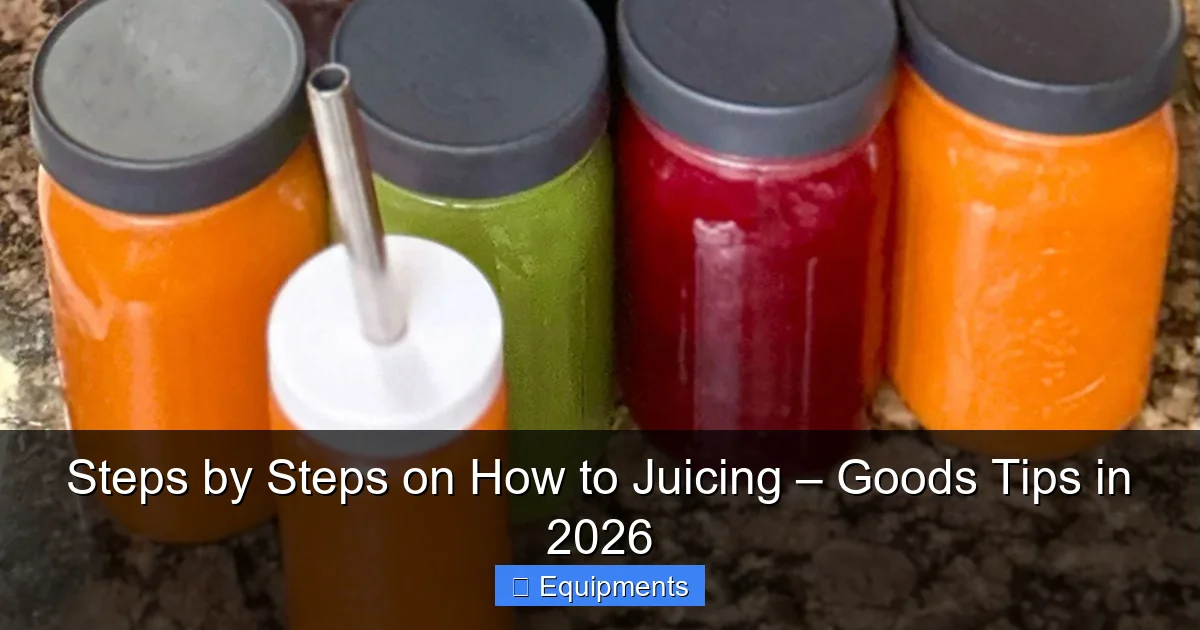
Visual guide about Steps by Steps on How to Juicing – Goods Tips in 2026
Image source: healthiersteps.com
1. Assembly & Positioning
Place your juicer on a stable, level counter. Assemble it according to the manufacturer’s instructions. Ensure the pulp container and juice jug are securely in place. Position your glass or pitcher right under the juice spout before you start. Nothing is worse than missing the first gush of juice!
2. The Order of Operations: Hard to Soft
This is a pro-tip that makes a huge difference. Always juice harder, drier produce first, followed by softer, wetter items.
- Why? Juicing a soft, watery fruit like a pear or orange first can lubricate the auger or basket, making it harder to grip and effectively juice the drier carrots or celery that follow. Starting with something like a carrot or apple “primes” the machine, pushing out dry pulp and creating a clear path.
- The Sequence: Start with hard roots (carrot, beet, sweet potato). Then move to fibrous celery or cucumber. Follow with apples or pears. Finish with softer fruits like berries (if your juicer can handle them) or citrus (if you have a separate citrus attachment). Finally, run a piece of hard produce through again to push out any remaining soft pulp.
3. The Feed Technique: Slow and Steady
Resist the urge to cram! Use the pusher tool (or your hand, if the design allows) to gently but firmly guide produce down the chute. A steady, moderate pace is optimal. Too fast can overload the machine, cause overheating, and reduce yield. Too slow can be inefficient. Find your machine’s rhythm. Alternate between different types of produce (e.g., a carrot, then a chunk of apple) to help flush pulp through and keep the extraction clear.
4. The Final Flush
Once all your produce is juiced, take a firm, dry piece of the hardest vegetable you used (like a carrot end or celery stalk) and run it through. This acts like a plunger, pushing every last drop of juice from the spinning basket or auger into your waiting glass. You’ll be surprised how much extra juice this simple step captures.
Step 4: Crafting Your 2026 Juice Recipes – Beyond Basic Blends
Now for the fun part! Moving beyond simple apple-carrot combos. The key to great juice is balancing flavors and nutrients. Think in layers.
The Flavor Foundation: Sweet, Earth, Acid, Bitter
A balanced juice is complex and satisfying. Use this framework:
- Sweet Base (40-50%): Apple, pear, pineapple, watermelon, carrot, sweet potato. These provide the palate-pleasing sweetness.
- Earthy/Green (30-40%): Cucumber (mild), celery (salty), spinach, kale, romaine, parsley. These are your nutrient powerhouses.
- Acidic Brightness (5-10%): Lemon, lime, grapefruit. A small amount lifts the entire blend and prevents sweetness from being cloying.
- Flavor & Health Boosters (1-5%): Ginger (zing, anti-inflammatory), turmeric (earthy, anti-inflammatory), mint (cooling), cinnamon stick (warmth). Use these sparingly as accents.
Three Winning 2026 Formulations
The Morning Reset: 2 large apples, 4 celery stalks, 1-inch ginger knob, 1/2 lemon (peeled). A classic for a reason—hydrating, anti-inflammatory, and gently stimulating.
The Green Goddess: 1 large handful spinach, 1 large handful kale (stems removed), 1 cucumber, 1 green apple, 1/2 lime. For the dedicated green drinker. The apple and lime make the greens palatable.
The Sunset Glow: 2 large carrots, 1 small beet (with top!), 1/2 orange, 1/4-inch turmeric knob. Vibrant, sweet, and packed with beta-carotene and antioxidants.
2026 Trend: Functional Juicing
This year, it’s about targeting specific wellness goals. Add a teaspoon of spirulina or chlorella powder to your green juice for a protein and chlorophyll boost. Stir in a scoop of collagen peptides post-juicing for skin and joint support. A pinch of Himalayan pink salt can add minerals and enhance flavor. These are simple, science-backed tweaks for the modern juicer.
Step 5: Post-Juice Protocol – Cleaning, Storage, and Pulp Power
The job isn’t done when the juice is poured. Proper post-juice care protects your investment and maximizes your nutrition.
Immediate, Efficient Cleaning
Do not let pulp dry. Disassemble your juicer immediately after use. Rinse each part under warm running water. Use the small cleaning brush that came with your juicer to scrub the mesh filter basket or auger—this is where fine pulp hides. For stubborn bits on stainless steel parts, a soak in warm, soapy water for 5 minutes does wonders. For plastic parts, avoid harsh abrasives. A quick rinse now means a deep clean is effortless later.
Storing Your Liquid Gold
Fresh juice is best consumed within 20 minutes for peak enzyme activity. But life happens. For storage:
- Container: Use an airtight glass jar or bottle, preferably amber or opaque to block light.
- Fill It Up: Fill the container to the very top, leaving no air space. Oxygen is the enemy, causing nutrient degradation and browning.
- Refrigerate Immediately: Store in the coldest part of your fridge (not the door).
- Timeline: Masticating juice can last 48-72 hours with minimal degradation. Centrifugal juice is best consumed within 24 hours. Always give it a good shake before drinking, as separation is natural.
Pulp: The Zero-Waste Superfood
Don’t compost it (yet)! Your pulp is a fiber-rich treasure.
- Culinary Uses: Add veggie pulp (carrot, zucchini, beet) to meatloaf, burgers, or veggie patties. Mix fruit pulp into oatmeal, yogurt, or baked goods like muffins and breads. Make “pulp crackers” by mixing pulp with flaxseed and spices, then dehydrating.
- Freeze It: Portion pulp into freezer bags or ice cube trays. Toss a pulp cube into your next smoothie for a fiber boost.
- Compost: If you can’t use it, composting is a fantastic final destination, enriching your garden soil.
Step 6: Troubleshooting & Sustainable Habits for 2026
Even with perfect steps, small issues arise. Here’s your quick-fix guide.
Common Problems & Solutions
- Juicer is Clogging/Jamming: You’re feeding too fast or too much of one type (like too much leafy green at once). Stop, disassemble, clear the blockage, and reassemble. Next time, alternate produce types and feed slower.
- Juice is Pulpy or Cloudy: Your filter basket may be damaged or clogged. Soak it in a solution of water and citric acid or white vinegar. Ensure it’s seated correctly. For centrifugal juicers, this is somewhat normal; strain through a fine-mesh sieve if desired.
- Juice is Too Foamy: This is normal, especially with centrifugal models. Let it sit for a minute, then skim the foam off the top with a spoon. Using more cucumber or celery can reduce foam.
- Pulp is Too Wet (Low Yield): You may be over-juicing soft produce. Ensure you’re using the right technique for your machine. For masticating juicers, ensure you’re not pushing produce too fast.
Building a Lasting Juicing Habit
Consistency beats intensity. Don’t try to juice a gallon on day one. Start with one 16-ounce juice per day, perhaps for breakfast. Prep your produce the night before—wash and chop—so the morning routine is 5 minutes. Keep a simple “core four” on hand: apple, carrot, cucumber, lemon. With these, you can make dozens of combinations. Involve your family; let kids choose the fruit for the “sweet” component. Most importantly, taste your juice. If it’s too bitter, add more apple or pineapple next time. If it’s too sweet, add more cucumber or lemon. You are the chef of your own nutrition.
Conclusion: Your Journey to Vibrant Health Starts Now
You are now equipped with the complete Steps by Steps on How to Juicing – Goods Tips in 2026. We’ve journeyed from the critical first step of choosing your perfect juicer partner, through the sacred ritual of produce preparation, the artful science of the extraction, and into the creative realm of recipe formulation. We’ve covered the essential aftercare—cleaning, storage, and the brilliant use of pulp—and even how to troubleshoot the occasional hiccup. Remember, juicing is not a rigid protocol; it’s a flexible, personal practice. The ultimate goal is to nourish your body with joy and ease. Start simple, listen to your body’s responses, and experiment with the incredible rainbow of flavors nature provides. In 2026, the tools and knowledge are at your fingertips. The only thing left is to take that first carrot, that first apple, and begin. Here’s to your health, your vitality, and the delicious, vibrant life you’re about to create, one glass at a time. Cheers!
Frequently Asked Questions
What’s the absolute best produce for a true beginner to start with?
Start with a simple, sweet, and easy-to-juice combination: 2 apples + 4 carrots + 1-inch ginger. This is nearly foolproof on any juicer, yields a lot of juice, tastes great, and introduces the core technique without bitter greens that might be off-putting at first.
How long can I actually store my fresh juice before it loses its benefits?
For maximum nutrient and enzyme retention, drink it within 20 minutes. In a pinch, properly stored juice from a masticating/cold press juicer can last 48-72 hours in a full, airtight glass jar in the fridge. Juice from a centrifugal model is best consumed within 24 hours. Always trust your senses—if it smells off or has excessive fermentation bubbles, discard it.
What in the world do I do with all this pulp? It seems like so much waste.
It’s not waste—it’s fiber gold! Add veggie pulp to soups, sauces, or meatloaf. Mix fruit pulp into oatmeal, smoothie bowls, or baked goods. Make healthy pulp crackers by dehydrating a mixture of pulp, flaxseed, and spices. You can also freeze pulp portions for future smoothie boosts or add it directly to your compost pile.
Is juicing better than blending for getting nutrients?
They serve different purposes. Juicing removes virtually all fiber, providing a rapid, easy-to-absorb nutrient infusion with no digestive effort. It’s ideal for a quick, concentrated nutrient hit. Blending (smoothies) retains all the fiber, which aids digestion, promotes fullness, and feeds gut bacteria. It’s more of a whole-food meal replacement. For gut health and satiety, blend. For a pure, fast nutrient delivery system, juice.
On a busy morning, how long does the whole process really take from start to clean-up?
With practice and proper prep (washing/chopping the night before), the active process is very fast. Assembly & Juicing: 5 minutes. Immediate Rinse & Disassembly: 3 minutes. A full deep clean with all parts scrubbed takes another 5-7 minutes. So, from fridge to clean kitchen, you’re looking at a realistic 15-20 minute commitment for a fresh, homemade juice.
Is it safe for children to drink fresh juice, and how much is appropriate?
Yes, in strict moderation. The American Academy of Pediatrics recommends limiting 100% fruit juice to less than 4 ounces (1/2 cup) per day for children ages 1-6, and 8 ounces (1 cup) for ages 7-18. Focus on vegetable-forward juices (e.g., more carrot/cucumber than apple) to minimize sugar intake. Never give juice to infants under 1 year old. Always serve juice in a cup, not a bottle, to prevent tooth decay.
Pingback: How Many Oz in 2 Liters - kitchenandhouseware.com