Pork Picnic Recipe
Home & Kitchen Writer at Kitchen and Houseware · Home Economics & Culinary Arts Certificate · 6+ years testing everyday cookware, kitchen storage solutions, and practical home organization routines
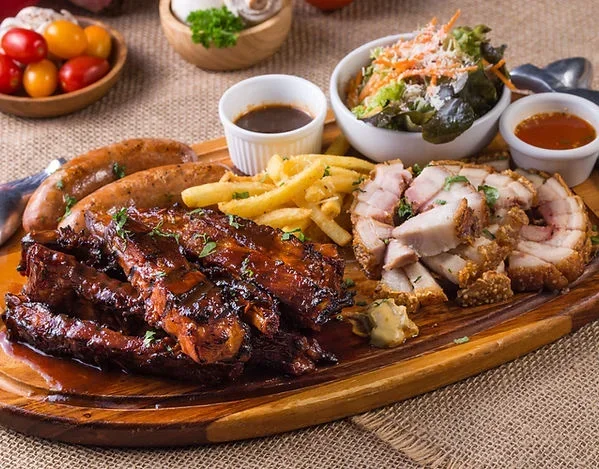
The pork picnic recipe is a simple, forgiving cut that delivers big flavor with minimal effort. Whether you roast it in the oven, slow cook it, or smoke it, this cut stays moist and tender. Learn the best techniques, seasoning tips, and serving ideas to make your next pork picnic a family favorite.
A pork picnic recipe is one of the most underrated ways to feed a hungry family without spending a fortune. The pork picnic roast, sometimes called the pork shoulder picnic, comes from the front leg of the pig. It is a well-marbled, tough cut that becomes fork-tender when you cook it low and slow.
If you have never tried cooking a pork picnic before, you are missing out. This cut is incredibly forgiving, meaning even beginner cooks get great results. You do not need fancy equipment or advanced skills. A basic oven, a slow cooker, or a smoker is all you need to pull off a stunning meal.
People often confuse the pork picnic with the pork butt, but they come from different parts of the pig. The picnic is from the front leg, while the butt comes from the shoulder blade area. Both cuts work well for low-and-slow cooking, but the picnic has a slightly different shape and bone structure that makes it perfect for certain recipes.
In this guide, you will learn everything you need to know about cooking a pork picnic roast. We will cover seasoning techniques, cooking methods, internal temperatures, and serving suggestions. By the end, you will feel confident enough to make this dish your go-to for holidays, weeknight dinners, and everything in between.
Key Takeaways
- Versatile Cooking Methods: You can roast, smoke, slow cook, or braise a pork picnic roast using simple techniques that suit any skill level.
- Forgiving Cut: The pork picnic shoulder is naturally tough and full of connective tissue, which breaks down into tender, juicy meat during low-and-slow cooking.
- Flavor Boosters: A simple brine or dry rub transforms a basic pork picnic into a flavor-packed centerpiece for any meal.
- Meal Prep Friendly: Leftover pork picnic makes incredible sandwiches, tacos, and soups throughout the week.
- Budget-Friendly Protein: Pork picnic roasts are affordable, feed a crowd, and stretch your grocery dollars further than most cuts.
- Perfect Pairings: Roast potatoes, root vegetables, and tangy slaws complement the rich flavor of pork picnic beautifully.
📑 Table of Contents
What Is a Pork Picnic Roast?
The pork picnic roast is a cut from the front leg of the pig, below the shoulder. It includes both the upper and lower portions of the leg, which means it has a mix of lean meat and fat. The fat content is what makes this cut so special. As it cooks, the fat renders slowly, basting the meat from the inside out.
This cut goes by several names in different regions. Some butchers call it the pork shoulder picnic, the picnic ham, or simply the picnic roast. Despite the name, it is not technically a ham. It is a versatile roast that absorbs flavors beautifully and works with almost any cooking method.
Why Choose Pork Picnic for Your Next Meal?
There are many reasons to choose a pork picnic roast over other cuts. Here are the top benefits:
- Affordable price: Pork picnic roasts cost less per pound than pork loin or tenderloin. You get more meat for your money.
- Feeds a crowd: A single roast can easily serve 8 to 10 people, making it perfect for family gatherings and parties.
- Forgiving texture: Because of the high collagen content, even if you slightly overcook it, the meat stays moist and tender.
- Easy to season: The thick fat layer holds onto rubs and marinades, delivering bold flavor in every bite.
- Leftovers are delicious: The next day, the meat shreds beautifully for sandwiches, soups, and casseroles.
Compared to other roasts, the pork picnic offers more value and flavor per dollar. It is the kind of cut that turns a simple weeknight dinner into something special without any extra effort.
How to Prepare Pork Picnic for Cooking
Preparation is the secret to a great pork picnic roast. Taking a little extra time before cooking makes a huge difference in the final result. You do not need complicated steps, just a few simple techniques that unlock maximum flavor.
Trimming and Prepping the Roast
Start by removing the roast from its packaging and patting it dry with paper towels. Look for any large pockets of fat that you can trim down to about a quarter-inch thickness. You do not want to remove all the fat, though. That fat layer is what keeps the meat juicy during cooking.
Next, score the fat cap in a crosshatch pattern. This helps the seasoning penetrate deeper into the meat and allows the fat to render more evenly. Use a sharp knife and make shallow cuts about a quarter-inch deep.
Brining vs. Dry Rubbing
You have two main options for seasoning a pork picnic roast: brining and dry rubbing. Both methods work well, and each brings something different to the table.
A wet brine involves soaking the roast in a saltwater solution for 12 to 24 hours. This method adds moisture directly into the meat fibers, resulting in a juicier final product. If you want to try a brine, check out our pork shoulder brine recipe for a simple, effective method.
A dry rub uses a blend of spices, herbs, salt, and sugar rubbed directly onto the surface. The rub forms a flavorful crust during cooking, known as bark, that adds texture and depth. Dry rubs are faster to prepare and work well when you are short on time.
For the best results, many cooks combine both methods. Brine the roast overnight, then apply a dry rub right before cooking. This double-layered approach creates a roast that is juicy on the inside and deeply flavored on the outside.
Best Cooking Methods for Pork Picnic
The beauty of a pork picnic roast is that it works with multiple cooking methods. Each method brings out different textures and flavors. Here are the four most popular ways to cook a pork picnic, along with tips for getting the best results.
Oven-Roasted Pork Picnic
Roasting a pork picnic in the oven is the most traditional method. It gives you a beautiful, crispy exterior while keeping the inside tender and juicy. Preheat your oven to 325 degrees Fahrenheit. Place the seasoned roast on a rack inside a roasting pan, fat side up.
Cook the roast for about 5 to 6 hours, depending on the size. The internal temperature should reach 195 to 205 degrees Fahrenheit for pulled pork texture, or 145 degrees Fahrenheit for sliced roast texture. Use a meat thermometer to check accurately.
Baste the roast every hour with its own juices or a mixture of apple cider vinegar and broth. This keeps the surface moist and builds a rich, flavorful crust. For more detailed oven instructions and timing, visit our guide on how to cook pork shoulder picnic roast.
Slow Cooker Pork Picnic
The slow cooker is the easiest way to cook a pork picnic roast. It requires almost no attention and produces incredibly tender results. Simply place the seasoned roast in the slow cooker, add your liquid of choice, and set it to low for 8 to 10 hours.
Slow cooker pork picnic roasts shred effortlessly with two forks. This method works especially well if you plan to use the meat for sandwiches, tacos, or soups. For a complete slow cooker recipe, try our easy crock pot pork shoulder recipe as a starting point.
Smoked Pork Picnic
Smoking a pork picnic roast takes more time but delivers unmatched flavor. Use a hardwood like hickory, apple, or cherry for the best results. Maintain your smoker at 225 to 250 degrees Fahrenheit and plan for about 1 to 1.5 hours of smoking time per pound of meat.
The smoke penetrates the thick fat layer and creates a deep, complex flavor profile that you cannot replicate with other methods. Spritz the roast with apple juice every hour during the smoke to keep the surface moist and build a beautiful bark.
Braised Pork Picnic
Braising is a stovetop and oven method that starts with searing the roast, then cooking it slowly in liquid. This technique creates a rich, saucy pork picnic that is perfect for serving over mashed potatoes or egg noodles. Brown the roast on all sides in a Dutch oven, add broth, wine, or beer, and cover tightly.
Braised pork picnic cooks in about 3 to 4 hours at 325 degrees Fahrenheit. The liquid becomes a flavorful base for gravy or sauce, adding an extra layer of richness to the dish.
Seasoning Ideas and Flavor Combinations
The right seasoning can turn a simple pork picnic into a showstopper. The good news is that this cut pairs well with almost any flavor profile. Here are some tried-and-true combinations to try.
Classic BBQ Style
For a traditional barbecue flavor, use a rub made from brown sugar, paprika, garlic powder, onion powder, cumin, black pepper, and a touch of cayenne. Apply the rub generously and let it sit for at least one hour before cooking. The sugar caramelizes during cooking, creating a sweet and smoky crust.
Herb-Roasted Style
If you prefer a more savory profile, try rosemary, thyme, garlic, and lemon zest mixed with olive oil and salt. This combination works beautifully for oven-roasted pork picnic and pairs wonderfully with roasted vegetables.
Asian-Inspired Glaze
For something different, glaze your pork picnic with a mix of soy sauce, honey, ginger, and garlic during the last hour of cooking. The sweet and salty glaze creates a sticky, flavorful exterior that everyone loves.
Tropical Citrus Marinade
Marinate the roast overnight in a blend of orange juice, lime zest, olive oil, and fresh herbs. The citrus tenderizes the meat while adding a bright, fresh flavor that cuts through the richness of the pork.
Serving Suggestions and Pairings
A perfectly cooked pork picnic roast deserves the right sides to complete the meal. The rich, savory flavor of the pork pairs well with a variety of accompaniments that balance the dish.
Roasted potatoes are a classic pairing. Their crispy exterior and fluffy interior complement the tender pork beautifully. Try our 5 ingredient slow cooker pork roast and potatoes recipe for an effortless one-pot meal.
For lighter options, a fresh garden salad or coleslaw adds crunch and acidity. Grilled or roasted vegetables like carrots, parsnips, and Brussels sprouts bring a seasonal touch to the plate.
If you are planning to shred the pork for sandwiches, brioche buns, coleslaw, and pickles make the perfect assembly. The bread soaks up the juices while the slaw adds a refreshing contrast to the rich meat.
Common Mistakes to Avoid
Even though pork picnic is a forgiving cut, a few common mistakes can affect your results. Avoid these pitfalls for the best outcome every time.
- Skipping the rest period: Always let the roast rest for at least 20 minutes after cooking. This allows the juices to redistribute, resulting in moister meat.
- Cooking at too high a temperature: High heat dries out the pork picnic before the connective tissue has time to break down. Keep the temperature low and steady.
- Not using a meat thermometer: Guessing the internal temperature leads to undercooked or overcooked meat. A thermometer takes the guesswork out entirely.
- Removing too much fat: The fat cap is your friend. It self-bastes the meat as it cooks. Trim only the thickest, hardest pieces.
- Rushing the process: Low and slow is the golden rule for pork picnic. Rushing with high heat or short cook times leads to tough, chewy meat.
How to Store and Reheat Leftovers
Pork picnic leftovers stay fresh in the refrigerator for up to four days. Store the meat in an airtight container or zip-lock bag with some of its cooking juices to keep it moist. For longer storage, freeze the shredded pork for up to three months.
To reheat, add a splash of broth or water to the meat and warm it gently on the stovetop or in the microwave. Low heat prevents the meat from drying out. Shredded pork picnic also reheats well in sauces, soups, and casseroles, making it a versatile ingredient for meal prep throughout the week.
Conclusion
A pork picnic recipe is one of the most rewarding and budget-friendly dishes you can make at home. The cut is forgiving, versatile, and packed with flavor that only improves with slow cooking. Whether you choose to roast it in the oven, slow cook it, smoke it, or braise it, the results are consistently delicious.
The key to a perfect pork picnic roast lies in proper preparation, patient cooking, and the right seasoning. Take the time to brine or rub the meat, cook it low and slow, and let it rest before serving. The effort you put in pays off with a meal that satisfies everyone at the table.
Now that you know how easy and rewarding this cut can be, it is time to give it a try. Pick up a pork picnic roast at your local butcher or grocery store, pick your favorite method, and enjoy the process. You will wonder why you did not try this cut sooner.
Frequently Asked Questions
What is the difference between a pork picnic and a pork butt?
The pork picnic comes from the front leg of the pig, while the pork butt comes from the shoulder blade area. Both cuts are well-marbled and great for slow cooking, but the picnic has a different bone structure and shape. They can be used interchangeably in most recipes.
How long does it take to cook a pork picnic roast?
Cooking time depends on the method and the size of the roast. Oven-roasted pork picnic takes about 5 to 6 hours at 325 degrees Fahrenheit. Slow cooker recipes take 8 to 10 hours on low. Smoking takes about 1 to 1.5 hours per pound. Always use a meat thermometer to check for doneness.
What internal temperature should pork picnic reach?
For pulled pork texture, cook the roast to 195 to 205 degrees Fahrenheit. For sliced roast texture, pull it at 145 degrees Fahrenheit followed by a 3-minute rest. The higher temperature for pulled pork allows the collagen to break down completely, creating tender, shreddable meat.
Can I cook a pork picnic roast from frozen?
It is not recommended to cook a pork picnic roast from frozen. Thawing the roast in the refrigerator for 24 to 48 hours before cooking ensures even cooking and better food safety. If you must cook from frozen, add extra time and use a meat thermometer to verify the internal temperature reaches 145 degrees Fahrenheit minimum.
What are the best sides to serve with pork picnic roast?
Classic sides include roasted potatoes, grilled vegetables, coleslaw, and fresh bread. For a lighter meal, pair the pork with a garden salad or roasted root vegetables. The rich flavor of the pork picnic pairs well with both hearty and fresh accompaniments.
How do I make my pork picnic roast crispy on the outside?
To get a crispy exterior, increase the oven temperature to 400 degrees Fahrenheit for the last 20 to 30 minutes of cooking. Alternatively, use a broiler for a few minutes at the end. Make sure the roast is dry before cooking and score the fat cap to help the skin crisp up evenly.