Learning the perfect temperature for filet mignon is the single most important step to a great steak. This guide covers exact internal temps for every level of doneness, from rare to well done. You will also learn how to sear, rest, and serve your filet like a pro.
Filet mignon is one of the most beloved cuts of beef out there. It is tender, lean, and incredibly delicious when cooked right. But here is the thing — getting the perfect temperature for filet mignon can make or break your meal. Too hot, and you end up with a dry, tough piece of meat. Too cool, and it might not taste the way you want it to. This guide will walk you through everything you need to know about cooking filet mignon to perfection. You will learn the exact temperatures for each level of doneness, how to sear it properly, and why resting your steak matters so much.
Whether you are grilling outside or cooking in your kitchen, this guide has you covered. We will talk about steak doneness, internal temperature readings, and simple tips that anyone can follow. No fancy equipment needed. No years of experience required. Just straightforward advice that works every time. Let us get into it.
Key Takeaways
- Medium rare (130-135°F) is the sweet spot: This temperature gives you the best balance of juiciness and tenderness for filet mignon.
- Always use a meat thermometer: Guessing leads to overcooked steak. A good meat thermometer removes all the guesswork.
- Rest your steak for 5-8 minutes: Letting the steak rest locks in juices and makes every bite better.
- Sear at high heat first: A hot pan or grill creates a flavorful crust while keeping the inside perfectly pink.
- Thickness matters a lot: A thicker cut needs lower heat and longer cooking time to reach the right internal temp.
- Use a sharp knife for prep: A sharp knife makes trimming and seasoning easier and safer.
📑 Table of Contents
- Why Temperature Matters So Much for Filet Mignon
- Perfect Internal Temperatures for Every Level of Doneness
- How to Sear Filet Mignon Like a Pro
- How to Tell When Your Steak Is Done Without a Thermometer
- Resting Your Filet Mignon: Don’t Skip This Step
- Prep Tips for the Best Filet Mignon
- Common Mistakes to Avoid When Cooking Filet Mignon
- Expert Tips for the Juiciest Filet Mignon
- Pairing Your Filet Mignon With the Right Sides
- Conclusion
Why Temperature Matters So Much for Filet Mignon
Filet mignon is a premium cut from the beef tenderloin. It is known for being super tender and lean. Because it has less fat than other steaks, it does not forgive mistakes as easily. Cooking temperature is the biggest factor in whether your filet turns out juicy or dry.
When you cook steak, the heat changes the texture of the meat. At lower temperatures, the proteins stay soft and the juices stay locked inside. At higher temperatures, the proteins tighten up and push moisture out. This is why nailing the right internal temperature is so important. A difference of just a few degrees can turn a perfect steak into a disappointing one.
The Science Behind the Perfect Temp
Here is a simple way to think about it. When you heat beef, the muscle fibers start to contract. The more you heat them, the more they squeeze out liquid. A rare steak has barely tightened fibers, so it stays very juicy. A well-done steak has tight fibers and very little moisture left. This is why most steak lovers aim for medium rare filet — it keeps the meat tender and full of flavor.
Using a good meat thermometer takes all the guesswork away. You just insert it into the thickest part of the steak and wait for the reading. It is the easiest tool to level up your cooking game.
Perfect Internal Temperatures for Every Level of Doneness
Everyone has their own preference when it comes to how they like their steak cooked. Here are the exact temperatures you should aim for with a filet mignon. These numbers are for the internal temperature right after you pull the steak off the heat. The temp will rise a few degrees while resting.
| Doneness | Pull Temp (°F) | Final Temp After Rest (°F) | Look and Feel |
|---|---|---|---|
| Rare | 120°F | 125-130°F | Cool red center, very soft |
| Medium Rare | 125°F | 130-135°F | Warm red center, juicy |
| Medium | 135°F | 140-145°F | Pink center, firmer |
| Medium Well | 145°F | 150-155°F | Slight pink, mostly firm |
| Well Done | 155°F | 160°F+ | No pink, very firm |
Most chefs and steak lovers agree that medium rare is the best way to enjoy filet mignon. At this steak doneness level, the meat is juicy, tender, and full of beefy flavor. It is the sweet spot that brings out the best in this premium cut.
Rare vs. Medium Rare: Which Is Better?
This is a common debate. A rare steak has a cool red center and is very soft. Some people love it because it tastes very pure and natural. But filet mignon is already lean, so a rare steak can sometimes feel a bit too soft or cool for some tastes.
Medium rare gives you a warm red center with a great balance of juiciness and texture. The fat has just started to render, adding flavor without drying out the meat. If you are not sure what to pick, go with medium rare. It is the safest choice for a delicious result every time.
How to Sear Filet Mignon Like a Pro
Searing is the step that creates that beautiful brown crust on the outside of your steak. It adds flavor and texture that makes every bite amazing. But searing also requires some attention to detail. Here is how to do it right.
Choose the Right Pan or Grill
You want a very hot surface for searing. A cast iron skillet works great because it holds heat really well. If you are grilling, get your grill ripping hot before placing the steak down. A hot sear is what gives you that deep, flavorful crust without overcooking the inside.
Make sure your pan or grill is clean and lightly oiled. You do not want the steak to stick. Place the filet mignon down and leave it alone. Do not move it around. Let the heat do its work for about 3 to 4 minutes on each side.
The Reverse Sear Method
If you like your steak cooked evenly from edge to edge, try the reverse sear method. This means you start in a low oven and finish with a quick sear on the stovetop or grill.
Here is how it works:
- Preheat your oven to 250°F.
- Place the steak on a wire rack over a baking sheet.
- Cook slowly until the internal temperature is about 10-15 degrees below your target.
- Remove and sear on a hot skillet for 1-2 minutes per side.
- Rest and serve.
This method is great for thicker cuts of filet mignon. It gives you more control over the final cooking temperature and helps you avoid a gray band of overcooked meat under the crust.
How to Tell When Your Steak Is Done Without a Thermometer
A meat thermometer is the most accurate tool. But sometimes you might not have one handy. In that case, you can use the touch test to estimate your steak doneness.
Press the center of the steak with your finger or tongs:
- Rare: Feels like the fleshy part of your thumb when your hand is relaxed.
- Medium Rare: Feels like touching your thumb to your index finger.
- Medium: Feels like touching your thumb to your middle finger.
- Well Done: Feels firm, like touching your thumb to your pinky.
This method is not perfect, but it gives you a rough idea. If you really want consistent results, invest in a good meat thermometer. It is a small tool that makes a huge difference.
Resting Your Filet Mignon: Don’t Skip This Step
One of the biggest mistakes people make is cutting into their steak right after cooking. You need to let it rest. Resting allows the juices inside the meat to redistribute. If you skip this step, all those juices will run out onto your plate instead of staying in the steak.
Here is how long to rest your filet mignon:
- Thin cuts (under 1.5 inches): 3-5 minutes
- Standard cuts (1.5-2 inches): 5-8 minutes
- Thick cuts (over 2 inches): 8-10 minutes
Place the steak on a warm plate and cover it loosely with aluminum foil. The foil holds in heat without trapping too much steam, which would make the crust soggy. After resting, your steak will be juicier and more flavorful.
Prep Tips for the Best Filet Mignon
Good prep work sets you up for success. Before you even turn on the heat, there are a few things you should do to make sure your steak turns out amazing.
Trimming and Seasoning
Take your filet mignon out of the fridge about 30 minutes before cooking. Letting it come to room temperature helps it cook more evenly. Use a sharp knife to trim any excess fat or silver skin. A sharp knife makes this step easy and safe.
Season generously with salt and pepper. Some people like to add garlic powder or a touch of smoked paprika. Keep it simple — the quality of the beef speaks for itself.
Choosing the Right Cutting Board
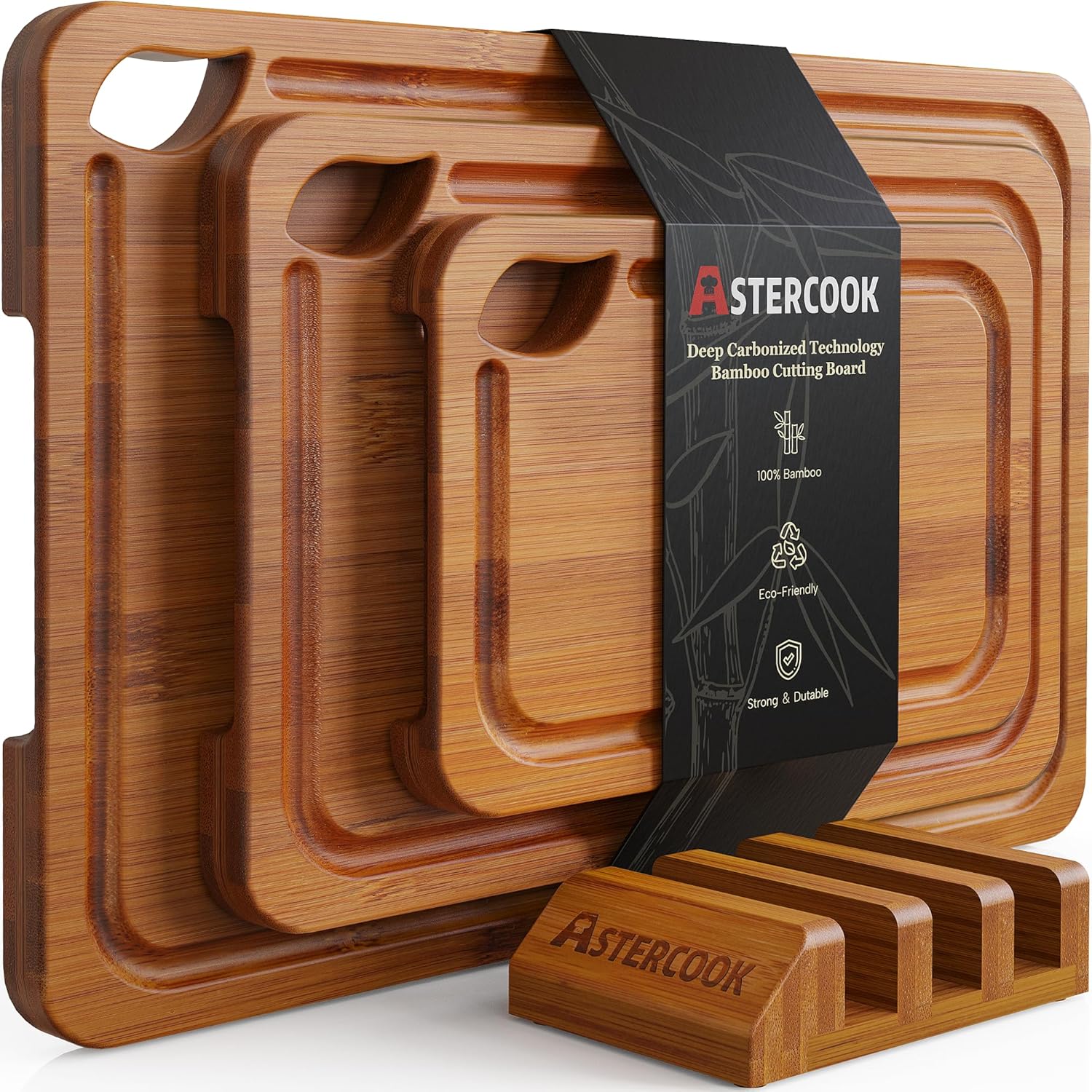
When you are prepping your steak, use a proper cutting surface. A good cutting board for meat and poultry keeps your counters clean and protects your knife. Wooden or bamboo boards work great because they are gentle on knife edges and easy to clean.
Using the Right Tools
Having the right tools in your kitchen makes a big difference. A sharp knife for trimming fat from meat helps you clean up the steak before cooking. A sturdy cutting board for meat gives you a safe and stable surface. And of course, a reliable meat thermometer is the one tool you should never skip.
These small prep steps might seem minor, but they add up to a much better final result. Take the extra few minutes to set yourself up for success.
Common Mistakes to Avoid When Cooking Filet Mignon
Even experienced cooks can make mistakes with filet mignon. Here are the most common ones and how to avoid them.
- Not using a thermometer: Guessing the internal temperature almost always leads to overcooking. A thermometer takes the guesswork out completely.
- Cooking from cold: A fridge-cold steak cooks unevenly. Always let it sit at room temperature for about 30 minutes first.
- Moving the steak too much: When searing, leave the steak alone. Moving it around prevents a good crust from forming.
- Skipping the rest: Cutting too soon releases all the juices. Patience pays off with a juicier steak.
- Using too much heat for too long: High heat is great for searing, but leaving it on too long dries out the inside. Be mindful of timing.
Avoid these mistakes and you will notice a big improvement in your steak game. It is all about paying attention to the small details.
Expert Tips for the Juiciest Filet Mignon
Here are some extra tips from experienced cooks and chefs that will take your filet mignon to the next level.
- Dry brine overnight: Salt your steak and leave it uncovered in the fridge overnight. This draws out moisture, which then gets reabsorbed, making the meat more flavorful and tender.
- Use compound butter: A pat of garlic herb butter on top of a rested steak adds richness and flavor that is hard to beat.
- Sous vide for precision: If you want total control over the cooking temperature, try sous vide. Set the water bath to your exact target temp and cook for 1-2 hours. Then finish with a quick sear.
- Let the steak shine: Filet mignon is a premium cut. Do not overcomplicate it with too many sauces or heavy seasoning. Simple is often best.
- Invest in quality beef: Look for well-marbled beef from a trusted source. The quality of the meat matters just as much as how you cook it.
These tips might take a little extra effort, but the results are worth it. You will taste the difference in every bite.
Pairing Your Filet Mignon With the Right Sides
A great filet mignon deserves great sides. Because this cut is lean and tender, it pairs well with a variety of accompaniments.
Some classic pairings include:
- Roasted garlic mashed potatoes
- Crispy roasted vegetables
- A fresh green salad with vinaigrette
- Creamed spinach or asparagus
- A simple red wine reduction sauce
Keep your sides light enough to let the steak be the star of the show. A heavy or overly rich side dish can overpower the delicate flavor of filet mignon.
Conclusion
Getting the perfect temperature for filet mignon is not as hard as it might seem. With the right internal temperature, a good sear, and proper resting time, you can cook a restaurant-quality steak at home. Remember to aim for 125-130°F for medium rare, use a meat thermometer every time, and never skip the resting step.
Filet mignon is a special cut that deserves special attention. Take your time, follow these tips, and you will be amazed at how good your steak can be. The next time you fire up the grill or turn on the stove, you will have all the knowledge you need to cook a perfect filet mignon. Enjoy the process, savor the results, and share a great meal with the people you love.
Frequently Asked Questions
What is the best temperature for filet mignon?
The best temperature for filet mignon is 130-135°F for medium rare. This gives you a juicy, tender steak with a warm pink center. Most chefs and steak lovers agree this is the ideal level of doneness for this premium cut.
How long should I rest my filet mignon after cooking?
Rest your filet mignon for 5 to 8 minutes after cooking. This allows the juices to redistribute throughout the meat. A properly rested steak is juicier and more flavorful than one that is cut immediately.
Can I cook filet mignon in the oven?
Yes, you can cook filet mignon in the oven. The reverse sear method works especially well. Start at 250°F until the steak reaches about 10-15 degrees below your target temp, then finish with a hot sear in a cast iron skillet.
What kind of thermometer should I use for steak?
A digital instant-read thermometer is the best choice for steak. It gives you a fast and accurate reading of the internal temperature. Insert it into the thickest part of the steak for the most reliable result.
Why is my filet mignon tough even when cooked to the right temperature?
If your filet mignon is tough, it might be because you did not let it rest long enough, or the meat was not of good quality. Also, overcooking even slightly can dry out this lean cut. Always use a thermometer and follow resting times carefully.
Should I marinate filet mignon before cooking?
You do not need to marinate filet mignon. This cut is already tender and flavorful on its own. A simple seasoning of salt and pepper is usually enough. If you want extra flavor, a quick dry brine or a compound butter after cooking works best.