Swedish dishcloths are reusable, absorbent, and eco‑friendly, but they need proper care to stay clean and odor‑free. This guide shows you exactly how to wash Swedish dishcloths, from daily rinses to deep sanitizing cycles, so they last longer and perform better.
Key Takeaways
- Gentle daily cleaning: A quick rinse or hand‑wash after each use prevents buildup.
- Machine‑wash safely: Use warm water, mild detergent, and avoid fabric softener.
- Sanitize regularly: Add vinegar or a short boil to kill bacteria and eliminate odors.
- Dry thoroughly: Air‑dry or tumble‑dry on low to avoid mildew.
- Store smartly: Keep in a dry, ventilated spot to extend lifespan.
- Revive tough stains: Use baking soda paste or lemon juice before washing.
- Know when to replace: After 60‑90 washes or when the cloth loses elasticity.
📑 Table of Contents
- Introduction: Why Caring for Swedish Dishcloths Matters
- 1. Understanding the Material: What Makes Swedish Dishcloths Unique?
- 2. Daily Maintenance: Quick Rinse and Hand‑Wash Tips
- 3. Machine‑Washing: The Safe and Efficient Way
- 4. Deep Cleaning and Sanitizing: Eliminating Odors and Bacteria
- 5. Drying and Storing: Preventing Mildew and Extending Life
- 6. When to Replace Your Swedish Dishcloth
- Conclusion: Keep Your Kitchen Green and Clean
Introduction: Why Caring for Swedish Dishcloths Matters
Swedish dishcloths have become a kitchen staple for many households. Made from a blend of cellulose and cotton, they are soft, highly absorbent, and can replace paper towels in most cleaning tasks. Their biggest selling point is sustainability – one cloth can replace dozens of paper rolls, reducing waste and saving money.
But like any reusable product, they need proper care. When you wash them the right way, they stay fresh, odor‑free, and effective for months. Wash them incorrectly, and you risk mold, unpleasant smells, and a shorter lifespan. In this article we’ll walk you through everything you need to know about how to wash Swedish dishcloth – from everyday rinses to deep sanitizing methods.
1. Understanding the Material: What Makes Swedish Dishcloths Unique?
Composition and properties
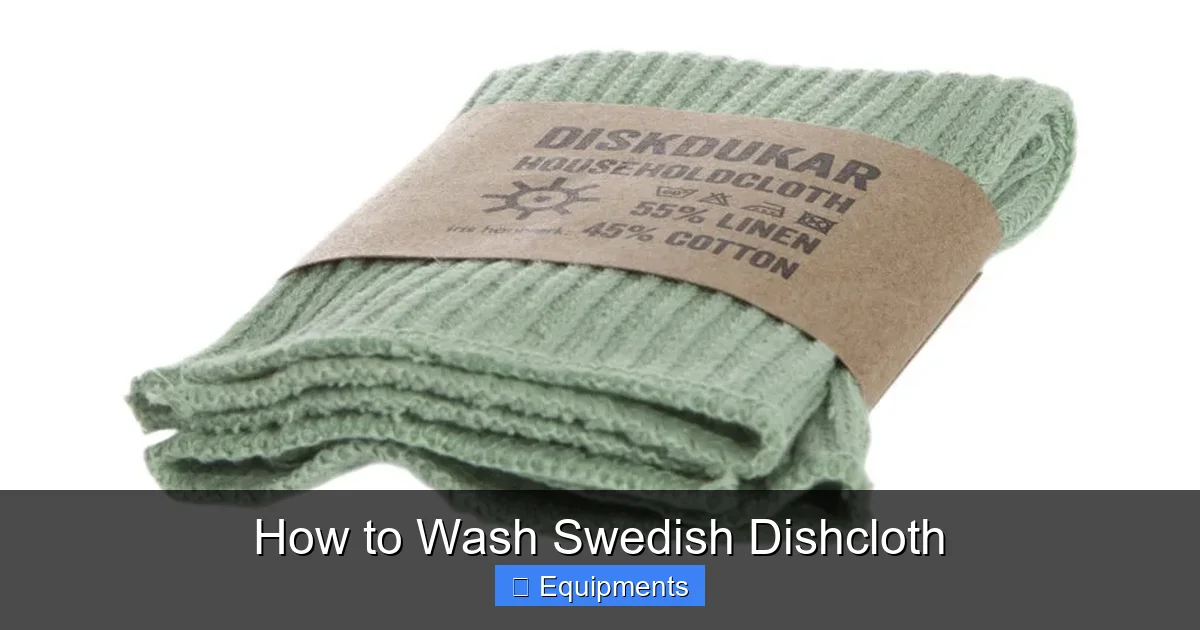
Swedish dishcloths are typically a 70% cellulose (derived from wood pulp) and 30% cotton blend. This mix gives them a sponge‑like texture that can hold up to 20 times its weight in liquid. The fibers are woven tightly, which means they dry quickly yet stay soft.
Visual guide about How to Wash Swedish Dishcloth
Image source: thekitchenix.com
Why they differ from regular cloths
- Absorbency: The cellulose fibers create tiny capillaries that trap water.
- Durability: The cotton adds strength, allowing the cloth to withstand repeated washes.
- Biodegradability: When you eventually retire the cloth, it breaks down naturally.
Knowing these traits helps you choose the right washing method – you want to clean without stripping the fibers or leaving residues that could block the capillaries.
2. Daily Maintenance: Quick Rinse and Hand‑Wash Tips
Rinse after each use
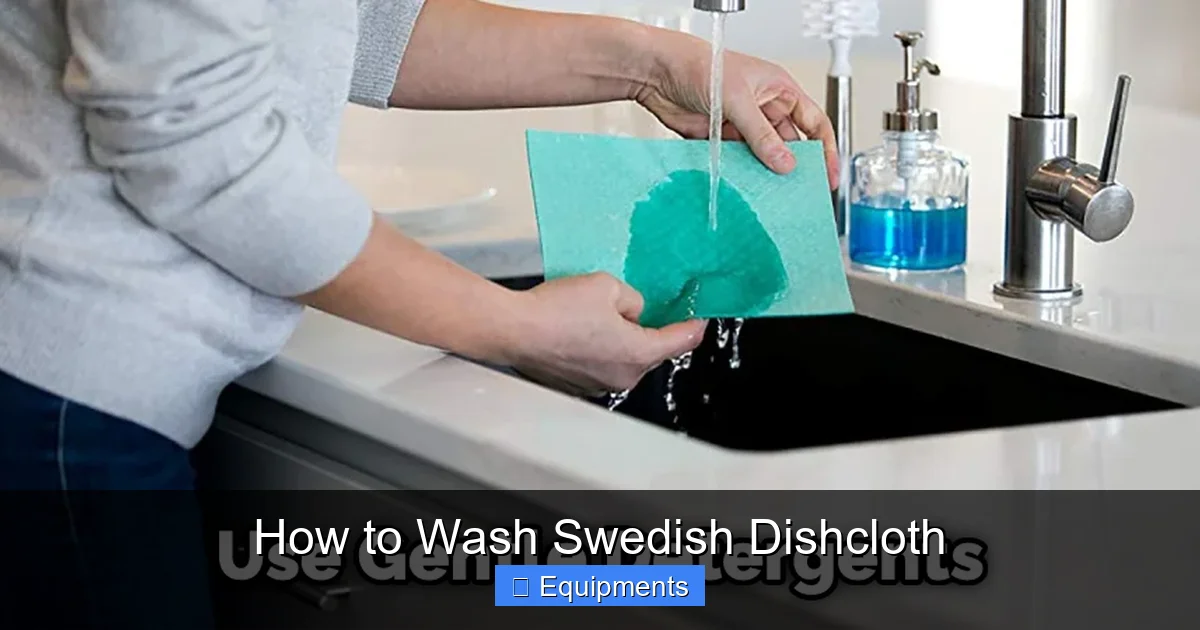
The fastest way to keep a Swedish dishcloth fresh is to give it a quick rinse under running water right after you finish cleaning. A brief squeeze will release most food particles and reduce the chance of bacterial growth.
Visual guide about How to Wash Swedish Dishcloth
Image source: ippinka.com
Hand‑wash for light loads
If you only have a few cloths to clean, hand‑washing is efficient and gentle.
- Fill a bowl or sink with warm (not hot) water.
- Add a few drops of mild liquid detergent.
- Swirl the cloth for 30 seconds, then rub gently to release grime.
- Rinse thoroughly until no suds remain.
- Squeeze out excess water – avoid wringing, which can damage the fibers.
When to skip a wash
If the cloth looks clean, feels dry, and has no odor, you can simply hang it to air‑dry. Over‑washing can actually wear the fibers faster.
3. Machine‑Washing: The Safe and Efficient Way
Choosing the right cycle
Swedish dishcloths can go in the washing machine, but you must select a gentle cycle. A normal or heavy‑duty cycle may be too rough and cause fraying.

Visual guide about How to Wash Swedish Dishcloth
Image source: swedishdishclothstore.com
- Temperature: Warm water (30‑40 °C / 86‑104 °F) is ideal. Hot water can shrink the cotton component.
- Detergent: Use a mild, fragrance‑free detergent. Avoid bleach and fabric softeners – they coat the fibers and reduce absorbency.
- Load size: Wash 4‑6 cloths together. Too many will prevent proper agitation and rinsing.
Step‑by‑step machine wash
- Place the Swedish dishcloths in a mesh laundry bag. This protects them from tangling.
- Add a small amount of mild detergent (½ teaspoon for a small load).
- Select the “delicate” or “hand‑wash” cycle with a warm water setting.
- Start the wash. The cycle should last about 30‑45 minutes.
- When the cycle ends, remove the cloths promptly to avoid a damp environment.
- Air‑dry or tumble‑dry on low heat (see next section).
4. Deep Cleaning and Sanitizing: Eliminating Odors and Bacteria
Why deep cleaning matters
Even with daily rinses, oils and food particles can embed in the fibers over time, leading to a sour smell. A periodic deep clean restores freshness and kills any lingering microbes.
Vinegar soak method
- Fill a basin with warm water.
- Add 1 cup of white distilled vinegar.
- Submerge the cloths for 15‑20 minutes.
- Rinse thoroughly and wash as usual.
Vinegar is a natural disinfectant and deodorizer, and it won’t harm the fibers.
Boiling technique
For a truly sterile clean, you can boil the cloths.
- Place the cloths in a large pot of water.
- Bring to a rolling boil and let them boil for 5 minutes.
- Remove with tongs, let cool, then squeeze out excess water.
- Air‑dry completely.
Boiling is especially useful after handling raw meat or fish.
Using baking soda and lemon
Stubborn stains and lingering smells can be tackled with a paste of baking soda and lemon juice.
- Mix 2 tablespoons of baking soda with enough lemon juice to form a thick paste.
- Apply to the stained area and let sit for 10 minutes.
- Rinse and then wash normally.
5. Drying and Storing: Preventing Mildew and Extending Life
Air‑dry vs. tumble‑dry
Both methods work, but each has pros and cons.
- Air‑dry: Hang the cloths in a well‑ventilated area. This is the gentlest option and preserves the fibers.
- Tumble‑dry low: Use the dryer’s “fluff” or “low heat” setting for 15‑20 minutes. This speeds up drying without overheating.
Avoiding mildew
Never store a damp cloth in a closed drawer or drawer liner. Moisture trapped in a dark space is a breeding ground for mold.
- Make sure the cloth is completely dry before folding.
- Store in a breathable basket or a mesh bag.
- If you notice a musty smell, re‑wash with vinegar.
Organizing tips
Designate a “dishcloth drawer” with a small towel or paper towel at the bottom to absorb any residual moisture. Rotate cloths weekly so each gets equal use and cleaning time.
6. When to Replace Your Swedish Dishcloth
Signs of wear
Even the toughest Swedish dishcloth will eventually lose its elasticity. Look for these cues:
- Frayed edges or holes.
- Significant loss of absorbency – the cloth no longer holds water.
- Persistent odors despite deep cleaning.
- Discoloration that won’t come out.
Typical lifespan
Most manufacturers claim 60‑90 washes before performance drops. With proper care, you can often stretch this to 120 washes.
Eco‑friendly disposal
When it’s time to say goodbye, compost the cloth if it’s 100% natural fibers. If mixed with synthetic dyes, recycle according to local textile guidelines.
Conclusion: Keep Your Kitchen Green and Clean
Swedish dishcloths are a simple yet powerful tool for a greener kitchen. By mastering how to wash Swedish dishcloth – from daily rinses to periodic sanitizing – you’ll enjoy a fresh, lint‑free cloth that lasts months, saves money, and reduces waste. Remember the key steps: gentle hand‑wash or delicate machine cycles, occasional vinegar or boiling sanitization, thorough drying, and smart storage. Follow these practices, and your Swedish dishcloth will stay as effective as the day you bought it.
Frequently Asked Questions
How often should I wash my Swedish dishcloth?
Rinse after each use and give it a full wash (hand or machine) at least once a week. Deep clean with vinegar or boiling every 2‑3 weeks.
Can I use bleach on Swedish dishcloths?
No. Bleach breaks down the cellulose fibers and reduces absorbency. Stick to mild detergent, vinegar, or baking soda.
Is it safe to put Swedish dishcloths in the dishwasher?
Yes, place them on the top rack and run a normal cycle without detergent. This can serve as a quick sanitizing step.
Do I need a fabric softener?
Avoid fabric softener. It coats the fibers, making the cloth less absorbent and more prone to odor.
What temperature is best for machine washing?
Warm water between 30‑40 °C (86‑104 °F) is ideal. Hot water can shrink the cotton component.
How can I remove stubborn grease stains?
Create a paste of baking soda and a few drops of dish soap, rub onto the stain, let sit 10 minutes, then wash as usual.