Properly washing and storing romaine lettuce is the secret to crisp, fresh salads that last. Start by thoroughly washing each leaf under cool water to remove dirt and grit, then dry it completely using a salad spinner or clean towels. Store the dry lettuce in an airtight container with a paper towel to absorb excess moisture, and keep it in the crisper drawer of your refrigerator. Following these simple steps will dramatically extend the life and quality of your romaine, reducing waste and ensuring your greens are always ready to enjoy.
Key Takeaways
- Always wash romaine lettuce before storing: Washing removes soil, bacteria, and potential pests. Do it right before you plan to use it, or after washing, ensure it is bone-dry before storage to prevent sogginess and decay.
- Drying is non-negotiable: Any surface moisture is the primary cause of slimy, rotten lettuce. Use a salad spinner for best results, or pat leaves gently with paper towels or a clean kitchen cloth.
- Paper towels are your storage best friend: Placing a dry paper towel in the storage container absorbs residual humidity, creating the perfect microclimate for crispness. Replace the towel if it becomes damp.
- Store in the refrigerator’s crisper drawer: This compartment maintains optimal humidity levels for vegetables. Keep romaine away from ethylene-producing fruits like apples and bananas, which accelerate spoilage.
- Use airtight containers, not bags: While plastic bags can trap moisture, rigid containers with lids protect leaves from being crushed and allow for better airflow control when not sealed completely shut.
- Inspect and refresh stored lettuce: Check your stored lettuce every couple of days. Remove any leaves that are starting to yellow or slim, and replace the paper towel if needed to maintain freshness.
- Wash in a bowl of water, not under a steady stream: Submerging and swirling leaves in a bowl of cool water is more effective at dislodging trapped grit between the leaves than rinsing under running water.
📑 Table of Contents
- Introduction: The Crisp Truth About Romaine
- Why Washing and Storing Correctly Matters: Beyond Just Cleanliness
- The Ultimate Guide to Washing Romaine Lettuce: A Step-by-Step Process
- Mastering the Art of Drying: Techniques for Perfect Crispness
- Storage Solutions: Creating the Perfect Crisper Environment
- Common Mistakes That Ruin Romaine (And How to Avoid Them)
- Conclusion: A Crisp, Fresh Promise
Introduction: The Crisp Truth About Romaine
There’s something uniquely satisfying about a crisp, cool wedge of romaine lettuce. Its sturdy, ribbed leaves provide the perfect crunch for a classic Caesar salad or a hearty lunch wrap. But that satisfying crunch can quickly turn into a disappointing, slimy disappointment if the lettuce isn’t handled with care. The moment you bring that beautiful head home from the grocery store or farmer’s market, the clock starts ticking on its freshness. The secret to winning this race against time isn’t magic—it’s science, and it all comes down to two fundamental steps: how to wash and store romaine lettuce properly.
Many of us are guilty of one of two sins: either we wash it immediately, leave it wet, and stuff it into a plastic bag, or we skip washing altogether and toss the dry head into the fridge, hoping for the best. Both paths lead to the same soggy, sad destination. Romaine, with its dense structure and natural crevices, is particularly adept at trapping soil and moisture. To unlock its full potential and keep it fresh for a week or more, we need a deliberate, gentle process. This guide will walk you through every detail, from the first rinse to the final storage, transforming the way you handle this versatile green. Forget wilted, wasted lettuce—get ready for consistently crisp, delicious, and safe-to-eat romaine every single time.
Why Washing and Storing Correctly Matters: Beyond Just Cleanliness
Before we dive into the “how,” let’s spend a moment on the “why.” Properly washing and storing romaine lettuce is about three critical things: food safety, texture preservation, and reducing food waste.
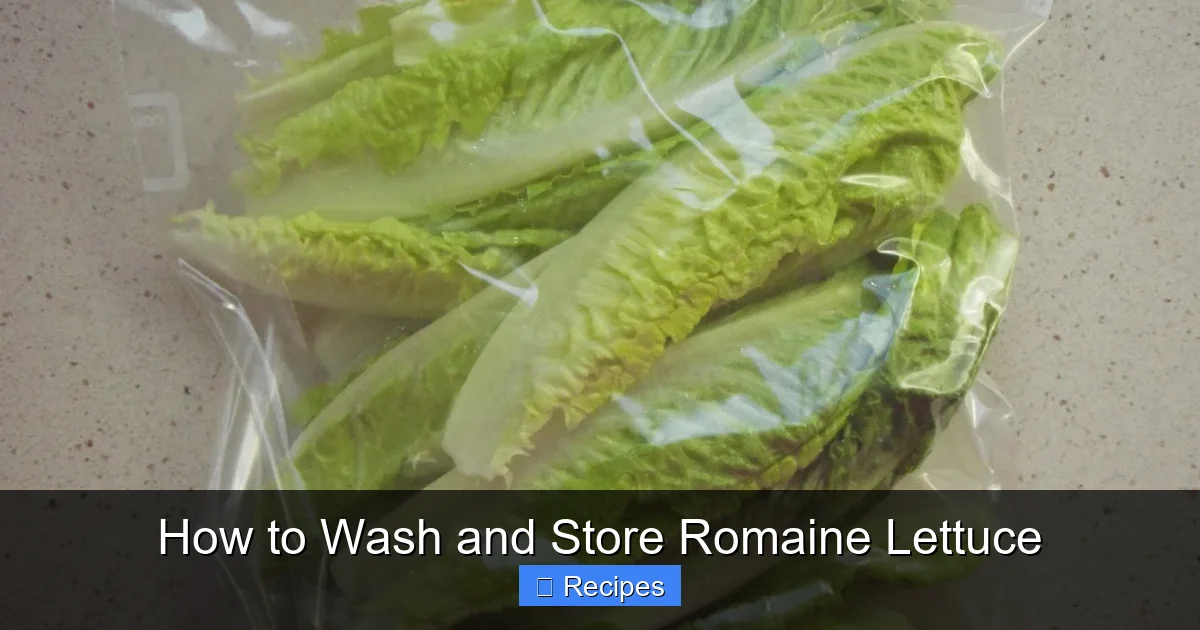
Visual guide about How to Wash and Store Romaine Lettuce
Image source: blogger.googleusercontent.com
The Food Safety Imperative
Lettuce, grown close to the ground, is notorious for harboring soil particles, bacteria like E. coli or Salmonella, and even tiny insects. Commercial processing doesn’t always remove everything, and mishandling at home can introduce more contaminants. A thorough wash isn’t just about removing visible dirt; it’s a crucial step in rinsing away potential pathogens. The Centers for Disease Control and Prevention (CDC) consistently highlights that raw leafy greens are a common source of foodborne illness outbreaks. By washing your romaine correctly, you take control of this risk. It’s a simple, powerful act of self-care for your kitchen.
Fighting the Enemy: Moisture
If bacteria are the invisible enemy, moisture is its visible accomplice. Water is the catalyst for decay. A single droplet left clinging to a leaf creates a breeding ground for mold and bacteria, accelerating the breakdown of the plant’s cell walls. This leads to the unappealing sliminess that makes lettuce unpalatable and unsafe. The entire storage strategy, therefore, revolves around one goal: getting the lettuce completely dry and keeping it that way. The drying step is not optional; it is the linchpin of successful storage.
The Economics of Freshness
Let’s talk about your wallet. The average American family throws away a significant amount of food, and produce is a major contributor. A head of romaine that turns slimy after three days is money straight in the trash. By mastering these techniques, you can easily double or triple the usable life of your lettuce. That means more salads, more wraps, more crunch, and fewer trips to the store. It’s a small investment of time that pays significant dividends in both your meals and your grocery budget.
The Ultimate Guide to Washing Romaine Lettuce: A Step-by-Step Process
Washing romaine isn’t a single action; it’s a sequence of deliberate steps designed to clean without damaging. The goal is to remove grit and contaminants while keeping the leaves intact and undamaged. Here is your foolproof method.

Visual guide about How to Wash and Store Romaine Lettuce
Image source: 2.bp.blogspot.com
Step 1: Disassembly and Initial Rinse
Begin by removing the outer one or two layers of leaves. These are the most likely to be bruised, dirty, or damaged. Discard any leaves that are torn, discolored, or slimy. Next, separate the remaining leaves from the core. You can do this by holding the head upright and giving the core a firm twist, or by slicing the base off and pulling leaves apart. Once disassembled, give each leaf a quick initial rinse under cool running water to sweep away loose dirt. This first pass makes the subsequent soaking more effective.
Step 2: The Soak and Swirl (The Most Effective Step)
This is the professional secret. Fill a large clean bowl or your clean kitchen sink with a few inches of cool water. Submerge a handful of romaine leaves and gently swish them around. The agitation helps dislodge any dirt or grit trapped in the ribbed crevices and between the leaves. Let them soak for 2-3 minutes. You’ll often see tiny particles settle at the bottom of the bowl. For particularly gritty lettuce (like from a farm stand), you may want to change the water once and repeat the soak. Avoid using hot water, as it can cause the leaves to wilt.
Step 3: The Final Rinse and Inspection
After soaking, lift the leaves out of the bowl (don’t pour the water out, or you’ll redeposit the grit). Give each leaf a final rinse under a gentle stream of cool running water. As you do this, inspect each leaf closely. Look for any remaining bits of soil, insect holes, or damage. This is your quality control checkpoint. Set aside any imperfect leaves for immediate use in a cooked dish or soup, where texture is less critical.
Step 4: The Critical Dry (Salad Spinner vs. Towels)
This step cannot be overstated. You must remove every trace of surface water. You have two excellent tools for this job:
- The Salad Spinner: This is the gold standard. Work in batches. Place a layer of washed leaves in the basket, spin, and repeat. The centrifugal force is incredibly efficient at removing water. Ensure the spinner is clean and dry before starting. This method is fast and thorough.
- The Towel Method: If you don’t have a spinner, use clean, dry kitchen towels or a large pile of paper towels. Lay the leaves out in a single layer on the towel, then gently roll or pat them dry with another towel. Be thorough but gentle to avoid bruising.
Pro Tip: If you have time, after spinning or toweling, let the leaves air-dry on a clean kitchen towel for 10-15 minutes. This final bit of evaporation makes a huge difference in storage longevity.
Mastering the Art of Drying: Techniques for Perfect Crispness
We’ve touched on drying, but let’s go deeper. The method you choose impacts both efficiency and the final texture of your lettuce.

Visual guide about How to Wash and Store Romaine Lettuce
Image source: rachlmansfield.com
Salad Spinner Deep Dive
A good salad spinner is a worthy kitchen investment. Look for one with a sturdy bowl, a tight-sealing lid, and a basket that spins freely. The key to using it effectively is not overloading the basket. If the basket is too full, the leaves won’t have room to toss and fling off water efficiently. Spin in multiple small batches. After the first spin, you’ll be amazed at the amount of water in the bowl. Empty it, then spin the same batch again for an ultra-dry finish. This two-spin method is a game-changer.
Towel Technique for the Minimalist
For those without a spinner, the towel method works perfectly with a little patience. Use a high-absorbency microfiber towel or several layers of strong paper towels. Lay leaves in a single layer—overlapping will trap moisture. Gently press another towel on top, or carefully roll the leaves up in the towel, applying light pressure. Unroll and check for dampness. If needed, repeat with a fresh, dry towel section.
Why “Bone-Dry” is the Goal
Feel a leaf after your best drying effort. It should feel cool and dry to the touch, with no perceptible dampness. Any humidity is a problem. Remember, you are not just drying the surface; you are removing water from the tiny spaces between the leaf and its central rib. A leaf that feels dry to your finger might still have microscopic moisture in those nooks. That’s why the air-dry rest period after mechanical drying is so beneficial.
Storage Solutions: Creating the Perfect Crisper Environment
Now that your lettuce is impeccably clean and dry, it’s time for its long-term home. The objective here is to protect the leaves from physical damage, manage humidity, and control airflow.
Container Choice: Airtight vs. Breathable
This is a common point of confusion. The best container for romaine is a rigid, rectangular or square plastic or glass container with a locking lid. Why rigid? It prevents the leaves from being crushed by other items in the fridge. Why a lid? It protects the lettuce from absorbing other food odors and from drying out too quickly. However, you don’t want a completely airtight seal if the lettuce has even a hint of residual moisture, as that traps humidity and promotes decay. The solution is the paper towel.
The Paper Towel Protocol
Line the bottom of your clean, dry storage container with a single layer of dry paper towels. Place a layer of dried romaine leaves on top. If you have a lot, you can add another layer of paper towel, then more lettuce. The paper towels act as a humidity buffer. They wick away any stray moisture that might be released by the lettuce itself (a natural process) and absorb any that might sneak in from the fridge environment. Always start and end with a paper towel layer. If the top paper towel becomes damp after a few days, replace it. This simple trick can add several days to your lettuce’s life.
Location, Location, Location: The Crisper Drawer
Store the container in your refrigerator’s crisper drawer. These drawers are designed to maintain a higher humidity level than the rest of the fridge, which is ideal for leafy greens that are prone to wilting. The adjustable vents on many crispers allow you to control this humidity—for romaine, you generally want the vent closed or nearly closed to retain moisture. Keep the container away from the back wall of the fridge where it might get too cold and freeze. Also, keep it far from fruits like apples, avocados, bananas, and tomatoes, which emit ethylene gas. This natural ripening agent will cause your lettuce to yellow and deteriorate much faster.
Common Mistakes That Ruin Romaine (And How to Avoid Them)
Even with the best intentions, it’s easy to sabotage your lettuce. Here are the most frequent pitfalls and their fixes.
- Mistake: Washing and storing immediately after purchase. If the head is dry and crisp when you buy it, washing it adds unnecessary moisture. Only wash the amount you plan to use within a day or two, or follow the full wash-dry-store process for the whole head. If the head is visibly wet from the store’s misting system, pat it dry with towels before refrigerating unwashed.
- Mistake: Storing in the original plastic bag. Those perforated bags from the store are designed for transit, not long-term storage. They often trap moisture against the leaves. Transfer to your paper towel-lined container.
- Mistake: Skipping the paper towel. We’ve said it before, we’ll say it again: this is the #1 reason for sogginess. Don’t skip it.
- Mistake: Cutting or tearing leaves before storage. Any broken cell releases moisture and enzymes that speed up spoilage. Store romaine in whole leaves. Only chop or tear it right before you’re ready to use it.
- Mistake: Overcrowding the container. Leaves need a little personal space. Packing them too tightly crushes them and traps moisture. Use a container large enough for a single layer, or multiple layers separated by paper towels.
Conclusion: A Crisp, Fresh Promise
Washing and storing romaine lettuce correctly is a small ritual with a big payoff. It transforms a simple grocery staple into a consistently reliable, crisp, and safe foundation for your meals. By committing to the process—the gentle soak, the meticulous drying, the paper towel-lined container, and the smart crisper drawer placement—you are essentially giving yourself a gift of freshness that lasts. You’ll reduce waste, save money, and most importantly, enjoy romaine lettuce at its absolute best, bite after satisfying bite. So next time you bring home that beautiful, sturdy head, remember: a few minutes of care now means perfect crunch later. Your salads will never be the same.
Frequently Asked Questions
Can I wash romaine lettuce with vinegar or produce wash?
While a vinegar solution (1 part vinegar to 3 parts water) can help kill some bacteria, it is not necessary for romaine if you wash thoroughly with plain water. Vinegar can leave a residual taste and is not more effective than proper agitation and rinsing. Plain cool water, when used with the soak-and-swirl method, is perfectly sufficient for removing soil and contaminants.
How long can washed and dried romaine last in the fridge?
When washed, dried thoroughly, and stored properly in a paper towel-lined container in the crisper drawer, romaine lettuce can stay crisp and fresh for 7 to 10 days. You may notice the outer leaves wilting slightly first; simply remove those and use the inner, still-crisp core. Without proper drying, it may only last 3-4 days.
What’s the best way to store romaine if I don’t have a salad spinner?
The towel method is your best friend. After washing, lay the leaves out in a single layer on a clean, dry kitchen towel. Roll the towel up gently with the leaves inside, applying slight pressure. Let it sit for 10-15 minutes, then unroll and check for dampness. You may need to use a second dry towel to pat any remaining moisture. Then, proceed to store in your container with a dry paper towel.
Is it safe to eat romaine if I see a small brown spot or a bit of slime?
p>No. Any signs of browning, sliminess, or an off smell indicate spoilage and potential bacterial growth. Always remove and discard any compromised leaves. If the majority of the head is affected, it’s safest to throw the whole head away. When in doubt, throw it out.
Can I freeze romaine lettuce?
Freezing raw romaine lettuce is not recommended. The high water content causes the cell walls to rupture when frozen, leading to a completely wilted, mushy, and unappetizing texture upon thawing. It is only suitable for cooked dishes where texture is irrelevant, like in a soup or smoothie, but even then, its nutrient value degrades rapidly.
Should I store romaine hearts differently from full heads?
The process is identical. Romaine hearts are simply the inner, more tender leaves of a full head. They are more delicate and may have a slightly shorter shelf life even when stored perfectly. Treat them with the same wash-dry-paper towel-container method, but plan to use them within 5-7 days for optimal quality.
Pingback: Lettuce Calories - kitchenandhouseware.com