Brewing authentic Vietnamese coffee at home is an art centered on the simple, elegant phin filter. This guide demystifies the process, from selecting the right robusta beans to mastering the slow, patient drip. You’ll learn precise techniques for strength and flavor, how to customize with traditional or modern milks, and essential care for your equipment. By 2026, trends like sustainable beans and smart temperature control will elevate your ritual, but the core remains a mindful, rewarding experience.
There’s a certain magic in watching dark, viscous coffee drip, drop by deliberate drop, into a glass already sweetened with rich, creamy condensed milk. This isn’t just a caffeine delivery system; it’s a ritual, a moment of calm in a busy day. Vietnamese coffee, or cà phê, is famous for its intense, bold flavor and sweet, creamy finish. And the secret to unlocking it at home? A humble, beautiful piece of metal: the Vietnamese coffee maker, or phin. If you’ve ever been intimidated by this simple brewer, you’re not alone. But by 2026, as coffee culture continues to celebrate authenticity and mindful preparation, mastering the phin is one of the most rewarding skills a home barista can have. This guide will walk you through everything, from unboxing your phin to pouring your perfect cup, with tips that blend timeless tradition with modern innovations.
Key Takeaways
- Authenticity Starts with the Phin: The traditional metal phin filter is the heart of the method; its slow compression and drip create the signature strong, syrupy concentrate.
- Bean & Grind are Non-Negotiable: Use a dark roast, coarse-ground robusta or robusta-blend for authentic bitterness and caffeine kick. A medium-coarse grind, like raw sugar, prevents clogging.
- The “Bloom” and Patience Pay Off: A brief 30-second bloom with hot water (195-205°F/90-96°C) saturates grounds, ensuring even extraction. Full brew time should be 4-6 minutes.
- Customization is Key: Traditional cà phê sữa đá (condensed milk) balances bitterness. For 2026, explore oat milk foam, maple syrup, or single-origin robusta for nuanced profiles.
- Clean Immediately After Brewing: Coffee oils rancid quickly. Disassemble the phin, rinse with hot water, and air-dry. A monthly deep clean with baking soda paste prolongs life.
- Master the Technique, Not the Gadget: Perfect your tamping pressure (firm but not extreme), water ratio (1:2 to 1:3 coffee-to-water), and stir. Skill trumps expensive equipment.
- Embrace the Ritual: Vietnamese coffee is meant to be slow. Use the brew time to relax. In 2026, this mindful practice is a key wellness trend.
📑 Table of Contents
- The Soul of the Brew: Understanding Your Vietnamese Coffee Maker
- Essential Ingredients: Coffee, Water, and Sweetness
- Step-by-Step: Brewing Your Perfect Cup
- Customizing Your Cup: Beyond the Classic Recipe
- Care, Cleaning, and Troubleshooting
- The 2026 Outlook: Trends and Innovations in Vietnamese Coffee
- Conclusion: The Reward is in the Process
The Soul of the Brew: Understanding Your Vietnamese Coffee Maker
Before we brew, we must understand our tool. The classic Vietnamese coffee maker is a small, portable metal filter, typically made of stainless steel or aluminum. It’s a study in elegant simplicity, but each part plays a crucial role. There’s no pump, no electricity, no complex settings. Just you, the coffee, and gravity. This section breaks down the anatomy and helps you choose the right one for your 2026 kitchen.
Anatomy of a Phin Filter
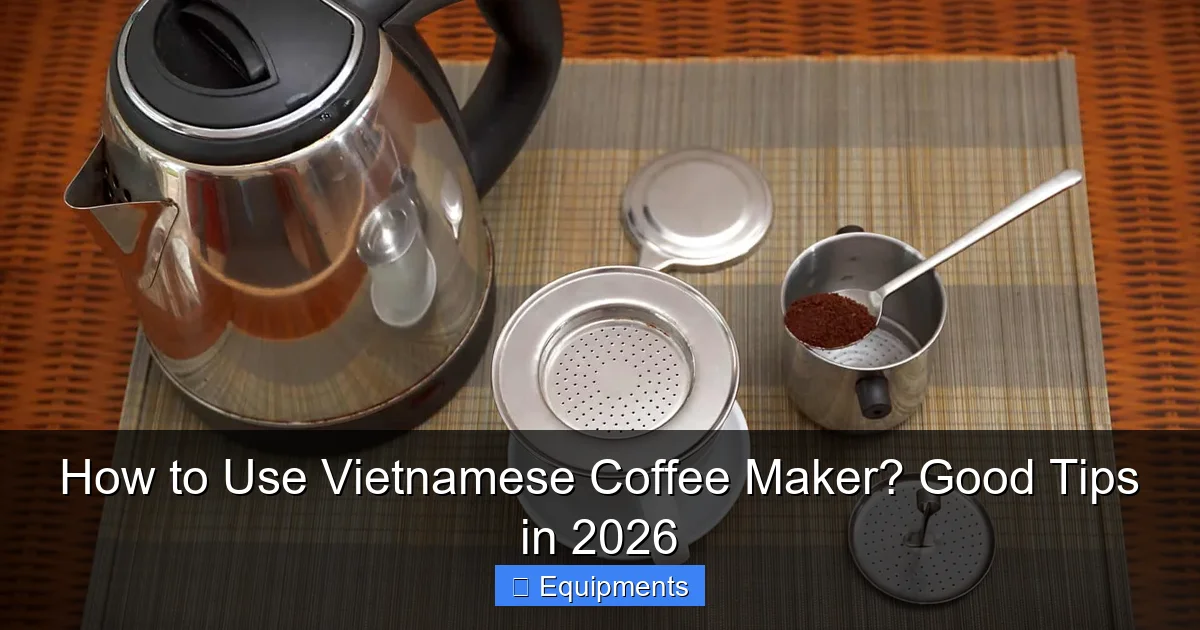
A traditional phin has four main components, usually threaded or fitted together:
- The Base/Cup: This is the bottom piece that sits on your mug or glass. It has small holes for the brewed coffee to drip through.
- The Filter Chamber: The main body, a small cylinder with a perforated bottom. This holds the coffee grounds.
- The Press/Tamper: A flat, weighted disc that fits inside the chamber. You press it down to compact the coffee bed, creating the necessary resistance for slow extraction.
- The Lid/Cap: Sits on top to retain heat during brewing. Some have a small vent hole.
The genius is in the design. The small chamber size means a high coffee-to-water ratio. The tight fit between the chamber and the tamper creates immense pressure when pressed, forcing water to slowly percolate through the fine grounds. This results in a tiny amount of incredibly concentrated, flavorful coffee.
Types of Phins: Traditional vs. Modern Innovations (2026 Look)
While the classic all-metal design reigns supreme, 2026 brings subtle evolutions:
- Classic Single-Serve Phin: The most common and authentic. Makes one strong cup (~2 oz concentrate). Perfect for purists.
- Double-Stage or “Travel” Phin: Features a separate chamber for hot water, allowing you to pre-heat and brew more consistently. Great for beginners.
- Electric Vietnamese Coffee Makers: These are not phins! They are automated machines that mimic the slow drip. While convenient, they lack the tactile control and ritual. For the true experience, stick with the manual phin.
- Material Matters: Stainless steel is durable, rust-proof, and easy to clean. Some premium 2026 models feature a non-stick coating on the chamber for easier cleanup. Avoid aluminum if you have acidity concerns, as it can react.
Pro Tip for 2026: Look for phins with a slightly wider base (2.5-3 inches). They are more stable on various mug sizes and are easier to clean. Some artisan makers now offer hand-hammered finishes that improve heat retention.
Essential Ingredients: Coffee, Water, and Sweetness
You can have the perfect phin, but without the right ingredients, you’ll miss the mark. Vietnamese coffee is defined by its components.
Visual guide about How to Use Vietnamese Coffee Maker? Good Tips in 2026
Image source: crazycoffeebean.com
The Coffee: Robusta is King (For Now)
Authentic Vietnamese coffee uses robusta beans. Robusta is more bitter, has a heavier body, higher acidity (often described as “harsh” or “grainy”), and nearly double the caffeine of arabica. This bitterness is the entire point—it’s what stands up to the intense sweetness of condensed milk. In 2026, the trend is towards single-origin robusta from specific regions like Dak Lak or Lam Dong, offering more nuanced flavor notes (chocolate, nutty, smoky) within the robusta profile. Look for labels saying “Vietnamese-style roast” or “dark roast robusta.” If you can’t find pure robusta, a robusta-arabica blend (70/30) is a good compromise.
- Grind Size: This is critical. It must be coarse, similar to raw sugar or sea salt. A fine grind (like for espresso) will clog the filter, leading to over-extraction and a bitter, muddy cup. A medium grind is too fast. Always ask for “coarse grind for French press or Vietnamese phin” when buying pre-ground, or grind your own on a coarse setting.
- Dose: The standard is 2 tablespoons (approx. 12-15g) of coffee for a single-serve phin.
The Water: Quality and Temperature
Since coffee is 98% water, its quality matters. Use filtered water for the best taste. Temperature is the other key variable. Water that’s too hot (above 205°F/96°C) will scorch the delicate oils, creating bitterness. Too cool (below 195°F/90°C) and extraction is weak and sour. Aim for 195-205°F (90-96°C). If you don’t have a gooseneck kettle with temperature control, boil water and let it sit for 30 seconds before pouring.
The Sweetener: Condensed Milk and 2026 Alternatives
Sweetened condensed milk is the traditional and iconic choice. Its thick, caramelized sweetness and creamy texture perfectly balance the coffee’s bitterness. Use 1-2 tablespoons in your glass before brewing, then top with ice for cà phê sữa đá (iced milk coffee) or enjoy hot.
Health and dietary trends of 2026 have inspired fantastic alternatives:
- Sweetened Coconut Milk: Offers a tropical, richer flavor.
- Oat Milk + Maple Syrup: A popular vegan option. Sweeten the oat milk slightly to mimic condensed milk’s viscosity.
- DIY Condensed Milk: Simmer 1 can of full-fat coconut milk with 1/3 cup sugar until thickened. Store in the fridge.
- For Purists: Some high-end robustas are so smooth they can be enjoyed black (cà phê đen), with just a tiny pinch of salt to enhance flavor.
Step-by-Step: Brewing Your Perfect Cup
Now, the ceremony. Follow these steps precisely for your first few brews. With practice, it will become second nature.

Visual guide about How to Use Vietnamese Coffee Maker? Good Tips in 2026
Image source: utensilsforcoffee.com
Assembly and Preparation
1. Disassemble your phin. Ensure all parts are clean and dry.
2. Place the base directly on top of your mug or glass. If serving hot, pre-warm your mug with hot water.
3. Add the filter chamber to the base.
4. Add your ground coffee (2 tbsp/12-15g) to the chamber. Gently shake to level it. Do not tamp yet.
The Critical First Pour: The Bloom
5. Boil your water and let it rest to the correct temperature (195-205°F).
6. Pour a small amount of hot water (just enough to wet all the grounds, ~1 oz/30ml) into the chamber. You’ll see bubbles form. This is the “bloom,” where CO2 is released. Let it sit for 30 seconds. This step ensures even saturation and prevents channeling, leading to a more balanced extraction.
Tamping and the Main Brew
7. Place the tamper on top of the saturated grounds. Press down firmly and evenly until you feel resistance. You should press about 1/4 to 1/2 inch. This compacts the coffee bed, creating the pressure needed for a slow drip. Do not crush it; just compress.
8. Add the lid.
9. Slowly pour the remaining hot water (about 4-6 oz/120-180ml total brew water) into the chamber, filling it to the top. Do not overfill; stop at the top of the chamber walls.
10. Wait. This is the hardest part. The first drops should start falling after 1-2 minutes. The entire brewing process should take 4 to 6 minutes. If it’s dripping too fast (<2 min), your grind is too coarse or tamp isn’t firm enough. If it’s clogged and not dripping after 5 min, your grind is too fine or tamp is too hard.
Serving and Enjoying
11. Once dripping stops, remove the phin. You’ll be left with a small amount of strong, syrupy coffee concentrate in your mug.
12. Stir well to incorporate any settled grounds.
13. Add your sweetener. For iced, place 1-2 tbsp of condensed milk (or alternative) in a glass with ice, then pour the hot coffee over. The contrast creates a layered, visually stunning drink that mixes as you sip. For hot, add the milk directly to the mug.
14. Sip slowly. This is a drink to savor, not gulp.
Customizing Your Cup: Beyond the Classic Recipe
The beauty of the phin is its versatility. Once you master the base brew, you can experiment.

Visual guide about How to Use Vietnamese Coffee Maker? Good Tips in 2026
Image source: homegrounds.co
Strength and Ratio Adjustments
For a stronger, more intense cup, increase the coffee dose slightly (up to 18g) or use less water (1:2 coffee-to-water ratio). For a slightly milder but still bold cup, use a 1:3 ratio. Remember, the phin is designed for a concentrate; you will always add milk or water to taste.
Flavor Infusions (2026 Trend)
Add a pinch of spice to the coffee grounds before blooming:
- Cardamom or Cinnamon: A classic Middle Eastern twist.
- Vanilla Bean Paste: A few drops in the milk adds luxury.
- Orange Zest: A strip of zest placed on top of the grounds during brewing adds a bright citrus note.
Milk and Creamer Experiments
Move beyond condensed milk. Try:
- Sweetened Cream: For an ultra-rich, dessert-like coffee.
- Condensed Coconut Milk: For a dairy-free, tropical profile.
- Egg Cream: A traditional Vietnamese addition in some regions—a raw egg yolk beaten with condensed milk and coffee.
- Cold Foam: Use a milk frother on cold oat milk and spoon it over your iced coffee for a modern, textural contrast.
Care, Cleaning, and Troubleshooting
Your phin is a workhorse, but it needs love. Proper maintenance ensures great taste and longevity.
Immediate Post-Brew Cleaning
This is the most important rule. Coffee oils go rancid quickly and will make your next cup taste stale and unpleasant.
- Disassemble the phin immediately after brewing.
- Tap out the used coffee puck into your compost or trash. Do not rinse grounds down the sink.
- Rinse all metal parts under very hot running water. Use your finger or a small brush to dislodge any fines from the filter holes. The press should come away clean.
- Shake off excess water and place all parts on a drying rack or towel. Do not reassemble while wet, as trapped moisture can cause corrosion (especially in aluminum).
Deep Cleaning (Weekly or Bi-Weekly)
For built-up residue:
- Make a paste of baking soda and water. Apply to the filter chamber and press, gently scrubbing with a soft brush or cloth. Rinse thoroughly.
- Soak parts in a solution of equal parts white vinegar and water for 15 minutes to remove mineral deposits from hard water. Rinse extremely well with hot water.
- Avoid harsh detergents or dishwashers, as they can damage the metal and leave soapy residues.
Troubleshooting Common Problems
- Problem: Coffee drips too fast (<2 minutes), brew is weak and sour.
Solution: Your grind is too coarse. Use a finer grind next time. Also, ensure you tamped firmly enough. - Problem: Coffee doesn’t drip at all or very slowly after 5 minutes.
Solution: Your grind is too fine. Use a coarser grind. You may have tamped too hard. Press with moderate, firm pressure. Check that the filter holes aren’t clogged with old grounds—clean thoroughly. - Problem: Coffee is bitter and ashy.
Solution: Your water is likely too hot (scorching beans). Let boiled water rest 30 seconds. Your brew time might also be too long (>7 min). Remove the phin promptly when dripping stops. Your beans may be over-roasted; seek out a high-quality, fresh robusta. - Problem: Sediment in cup.
Solution: Some fine sediment (fines) is normal in a phin brew, contributing to body. If it’s excessive, your grind is too fine. A slight swirl before sipping helps.
The 2026 Outlook: Trends and Innovations in Vietnamese Coffee
The traditional method is timeless, but the world around it evolves. Here’s what to watch for in the coming years that will enhance your Vietnamese coffee experience.
Sustainability and Bean Transparency
By 2026, expect a surge in traceable, sustainably farmed robusta. Look for certifications like Rainforest Alliance or direct trade relationships. The “third wave” of coffee, long focused on arabica, is finally embracing robusta’s potential, with farmers experimenting with controlled fermentation and meticulous drying to reduce harshness and highlight unique flavors—chocolate, berry, spice—within the robusta genome. This means you can enjoy an authentic Vietnamese-style cup that also supports ethical agriculture.
Tech-Enhanced Ritual
While purists shun automation, subtle tech aids are emerging:
- Smart Kettles with Precision: Gooseneck kettles with temperature memory and timers ensure perfect bloom and pour water every time.
- Digital Scales with Timers: The ultimate tool for consistency. A 0.1g scale lets you nail your coffee-to-water ratio (e.g., 15g coffee to 45g brew water for a 1:3 ratio) and track your total brew time.
- Temperature-Containing Sleeves: Insulated sleeves for your mug that keep the brewing coffee at ideal temp during the 4-6 minute steep, improving extraction consistency.
Fusion and Modern Flavors
The Vietnamese coffee template—strong brew + sweet cream—is a perfect canvas for fusion. In 2026 cafes and home brewers are experimenting with:
- Butter Coffee (Keto Style): Blending a pat of grass-fed butter or ghee into the finished cup for a rich, frothy, energy-sustaining drink.
- Spiced Condensed Milk: Infusing condensed milk with star anise, cloves, or lavender before use.
- Savory Twists: A tiny pinch of sea salt in the grounds or a dash of fish sauce in the milk (yes, really!) to enhance umami and complexity.
The core principle remains: balance the bold, bitter coffee with a sweet, creamy counterpoint. How you achieve that is your personal art.
Conclusion: The Reward is in the Process
Learning to use a Vietnamese coffee maker is more than acquiring a skill; it’s adopting a philosophy. It’s the antithesis of the grab-and-go espresso shot. It demands patience—those four to six minutes of waiting are not wasted, but invested in mindfulness. The slight adjustments in grind, tamp, and temperature become a language you speak with your coffee.
As we move into 2026, while our beans may become more traceable and our kettles smarter, the fundamental joy of the phin remains unchanged. That first sip of dark, intense coffee merging with cold, sweet milk is a sensory experience that connects you to a vibrant coffee culture. So, take your time. Start with the classic recipe, master the bloom and the tamp, and then make it your own. Your perfect cup of Vietnamese coffee awaits, one slow, beautiful drip at a time.
Frequently Asked Questions
Can I use pre-ground coffee from the store for a Vietnamese coffee maker?
Yes, but you must specify “coarse grind for French press or Vietnamese phin.” Standard drip or espresso grinds are incorrect and will cause brewing issues. For best flavor, buy whole beans and grind them coarse yourself.
Why is my Vietnamese coffee so bitter even with condensed milk?
Bitterness usually comes from over-extraction. Causes are: water that’s too hot (above 205°F), a brew time that’s too long (over 7 minutes), a grind that’s too fine, or tamping excessively hard. Adjust one variable at a time, starting with water temperature and brew time.
Do I need to rinse the phin with cold water after brewing?
No. Always rinse with hot water. Hot water dissolves and washes away coffee oils more effectively. Cold water can cause oils to solidify and stick to the metal. A final hot water rinse is essential after any cleaning agent.
Can I make Vietnamese coffee without condensed milk?
Absolutely. For a less sweet version, use regular milk, cream, or a milk alternative and add simple syrup or sugar to taste. You can also enjoy it black (cà phê đen), especially if using a smoother, single-origin robusta. A tiny pinch of salt can enhance the natural flavors.
Is it normal to have coffee sediment at the bottom of my cup?
Yes, a small amount of fine sediment (fines) is normal and expected with a phin filter. It contributes to the full body of the coffee. If there’s a large amount, your grind is likely too fine. Give your cup a gentle swirl before your last sip to mix it in.
Can I reuse the coffee grounds from my phin for a second brew?
Technically you can, but it’s not recommended. The first brew extracts the vast majority of soluble compounds. A second brew with the same grounds will be weak, flavorless, and potentially bitter. For a stronger cup, simply use more fresh coffee and less water in your initial brew.