Want flawless baked goods and perfectly cooked meals? Using a thermometer in your oven takes the guesswork out of temperature control. This guide shows you exactly how to choose, place, and read oven thermometers for consistent, delicious results.
Key Takeaways
- Choose the right thermometer: Digital probe, dial, or infrared models each have specific uses.
- Calibrate before every use: Simple oven‑calibration methods keep readings accurate.
- Placement matters: Position the thermometer where heat is most even and away from hot spots.
- Read at the right time: Check temperature early, mid‑cook, and before finishing.
- Safety first: Use heat‑resistant gloves and avoid touching metal parts with wet hands.
- Maintain for longevity: Clean, store, and replace your thermometer as needed.
- Apply to any recipe: From bread to roasts, a reliable oven thermometer improves every dish.
📑 Table of Contents
- Introduction: Why a Thermometer Belongs in Your Oven
- 1. Picking the Perfect Oven Thermometer
- 2. Calibrating Your Thermometer (And Your Oven)
- 3. Proper Placement Inside the Oven
- 4. Reading and Interpreting the Temperature
- 5. Safety Tips and Maintenance
- 6. Real‑World Examples: From Breakfast to Dinner
- Conclusion: Mastery Through Simple Tools
Introduction: Why a Thermometer Belongs in Your Oven
Ever taken a cake out of the oven only to find a soggy center? Or pulled a roast that looked perfect on the outside but was still pink inside? Those moments happen when the oven’s built‑in thermostat isn’t telling the whole truth. Most home ovens can be off by 25 °F (≈15 °C) or more, and that little variance can ruin a delicate bake or leave a protein undercooked.
That’s where an oven thermometer steps in. It’s a cheap, simple tool that gives you the real temperature inside the cooking chamber. By learning how to use it correctly, you gain control, confidence, and consistency—whether you’re a beginner or a seasoned home chef.
1. Picking the Perfect Oven Thermometer
1.1 Types of thermometers
There are three main types you’ll see on the market:
Visual guide about How to Use Thermometer in Oven
Image source: eaglephotonics.com
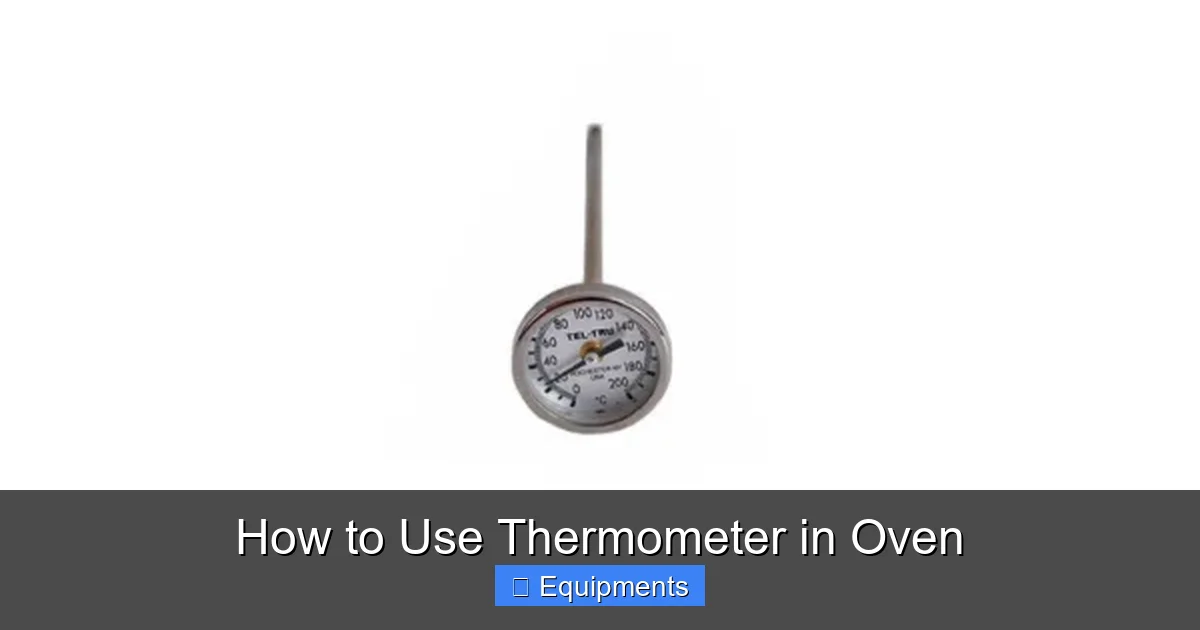
- Dial (analog) thermometers: Classic metal‑cased models with a rotating needle. They’re inexpensive and don’t need batteries.
- Digital probe thermometers: Offer a clear readout and often have a timer or alarm. Some can be removed from the oven and read from outside.
- Infrared thermometers: Measure surface temperature without touching the food. Great for quick checks, but not ideal for overall oven temperature.
For most home cooks, a digital probe or a sturdy dial thermometer works best. Choose a model that reads up to at least 500 °F (260 °C) and has a clear, large display.
1.2 Features to look for
- Heat‑resistant housing: Stainless steel or coated metal lasts longer.
- Easy‑read scale: Large numbers, backlit or high‑contrast.
- Calibration option: Some digital models let you adjust the reading.
- Mounting hook or stand: Allows you to hang the thermometer safely inside the oven.
2. Calibrating Your Thermometer (And Your Oven)
2.1 Why calibration matters
Even a brand‑new thermometer can be slightly off. Calibration ensures that the number you see truly reflects the heat inside the oven.

Visual guide about How to Use Thermometer in Oven
Image source: m.media-amazon.com
2.2 Simple calibration steps
- Place the thermometer on the middle rack, away from the walls.
- Preheat the oven to 350 °F (175 °C) and let it stabilize for 10‑15 minutes.
- Check the reading. If it’s off by more than 5 °F (≈3 °C), note the difference.
- Adjust: For a dial model, gently bend the needle up or down. For a digital model, follow the manufacturer’s “reset” or “calibrate” button instructions.
- Repeat at 400 °F (200 °C) to ensure accuracy across a range.
Keep a small notebook of your oven’s quirks. Some ovens run hotter on the top, cooler on the bottom—knowing these patterns helps you place the thermometer correctly.
3. Proper Placement Inside the Oven
3.1 The “sweet spot” for temperature reading
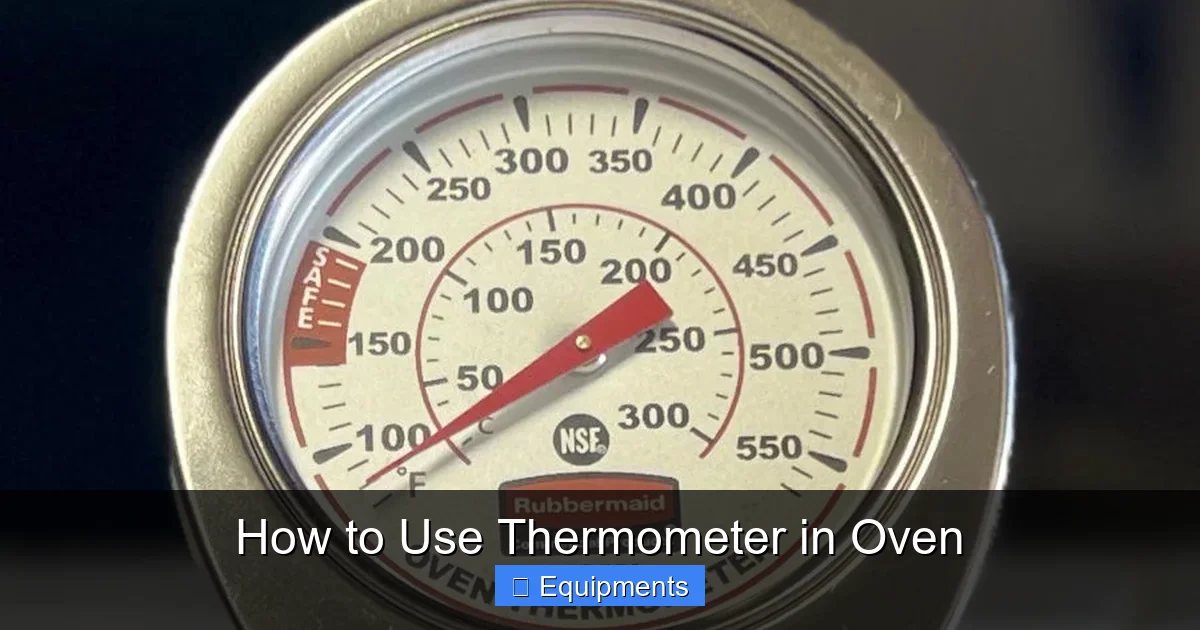
The middle rack is the gold standard because it’s farthest from the heating elements and the door. This spot gives the most even temperature reading.
Visual guide about How to Use Thermometer in Oven
Image source: eatlife.net
3.2 Avoiding hot and cold spots
- Don’t place the thermometer directly on the oven floor: Heat rises, and the bottom can be cooler.
- Stay away from the broiler element: It can cause a spike that misleads you.
- Leave space around the thermometer: Air needs to circulate for an accurate reading.
3.3 Using multiple thermometers
If you often bake breads or roast large cuts, consider using two thermometers—one on the middle rack and another on the lower rack. Compare the numbers; if they differ by more than 10 °F (≈6 °C), you know your oven has a significant hot‑spot issue.
4. Reading and Interpreting the Temperature
4.1 When to check
Check the thermometer:
- Immediately after the oven preheats (to confirm the set temperature).
- Mid‑cook for long‑running recipes (e.g., 2‑hour roasts).
- Right before the final stage of baking (e.g., when a cake is almost done).
4.2 Adjusting the oven based on readings
If the thermometer shows 15 °F (≈8 °C) lower than the set temperature, lower the oven dial by about 10‑15 °F. If it’s higher, raise the dial by a similar amount. Small adjustments keep the cooking environment stable.
4.3 Using the thermometer for specific foods
- Bread: Aim for 375‑425 °F (190‑220 °C) for a crisp crust.
- Roast chicken: The internal thigh temperature should reach 165 °F (74 °C); ensure the oven stays around 350‑375 °F (175‑190 °C).
- Cookies: Bake at 350 °F (175 °C) but watch the thermometer; a drop of 10 °F can cause spreading.
5. Safety Tips and Maintenance
5.1 Handling hot thermometers
Always wear heat‑resistant gloves when reaching into the oven. The thermometer’s metal handle can become scorching.
5.2 Cleaning your thermometer
Wipe the probe with a damp cloth after each use. If food sticks, a mild dish soap solution works, but avoid submerging the entire unit unless the manufacturer says it’s waterproof.
5.3 Storing and replacing
Store the thermometer in a dry cabinet away from direct sunlight. Most dial models last 5‑10 years; digital ones may need battery changes every 1‑2 years. Replace if the reading drifts more than 10 °F after calibration.
6. Real‑World Examples: From Breakfast to Dinner
6.1 Perfect pancake batter
Preheat a non‑stick skillet on the middle rack of the oven set to 350 °F. Use the thermometer to confirm the pan reaches 375 °F before pouring batter. The result? Fluffy, evenly cooked pancakes every time.
6.2 Baking a classic sourdough loaf
Place a Dutch oven on the middle rack, preheat to 475 °F (245 °C). Check the oven thermometer; if it reads 460 °F, increase the dial by 10‑15 °F. The loaf will get that coveted “oven‑spring” and a deep caramel crust.
6.3 Roasting a Thanksgiving turkey
Set the oven to 325 °F (163 °C). After 30 minutes, check the thermometer—if it reads 340 °F, lower the dial slightly. This prevents the breast from drying out while the dark meat reaches the safe 165 °F internal temperature.
Conclusion: Mastery Through Simple Tools
Using a thermometer in your oven is one of the easiest upgrades you can make to your cooking arsenal. It costs less than a coffee machine, takes seconds to set up, and pays off in perfectly baked breads, evenly roasted meats, and foolproof desserts. By choosing the right model, calibrating regularly, placing it wisely, and reading it at key moments, you turn guesswork into science. So grab a thermometer, give your oven a quick check, and watch your kitchen confidence soar.
Frequently Asked Questions
Do I need a special thermometer for gas ovens?
No. Standard oven thermometers work in both gas and electric ovens. Just be sure to place it away from the flame for gas models.
Can I leave the thermometer in the oven while it’s on?
Yes, most dial and digital ovens‑safe thermometers are designed to stay inside during cooking. Just avoid direct contact with heating elements.
How often should I calibrate my oven thermometer?
Calibrate once a month if you bake frequently, or any time you notice a temperature discrepancy.
Will an infrared thermometer replace a probe thermometer?
Infrared models are great for quick surface checks but can’t measure the air temperature inside the oven. Use a probe or dial thermometer for accurate oven heat.
What temperature should I set for a pizza stone?
Preheat the oven to 500 °F (260 °C) and verify with your thermometer that the stone reaches at least 475 °F for a crispy crust.
Is it safe to use a thermometer in a convection oven?
Absolutely. Convection ovens circulate hot air, so the thermometer will still give you an accurate reading—just remember that cooking times may be shorter.
Pingback: How to Roast a Turkey Breast in the Oven - kitchenandhouseware.com
Pingback: How Long to Cook Turkey Breast in Oven - kitchenandhouseware.com
Pingback: How Long Do You Bake Chicken Breasts in the Oven - kitchenandhouseware.com
Pingback: . How Many Calories Is One Medium Sized Sweet Potato Cooked in the Oven - kitchenandhouseware.com
Pingback: Roasting Almonds in Oven - kitchenandhouseware.com
Pingback: Baked Chicken Legs in Oven - kitchenandhouseware.com
Pingback: Baked Fish Fillets in Oven - kitchenandhouseware.com
Pingback: Baked Salmon Fillet in Oven - kitchenandhouseware.com
Pingback: How Long Does It Take to Bake Potato Pieces in the Oven - kitchenandhouseware.com
Pingback: To Cook Salmon in Oven - kitchenandhouseware.com
Pingback: Can You Freeze Mashed Potatoes in Oven - kitchenandhouseware.com
Pingback: Country Ribs in Oven - kitchenandhouseware.com
Pingback: How Long to Bake Chicken Wings in the Oven - kitchenandhouseware.com
Pingback: Baked Potatoes in Oven 400 Degrees Cook Time - kitchenandhouseware.com
Pingback: How to Cook Chateaubriand in the Oven - kitchenandhouseware.com
Pingback: How Long Bake Bone in Chicken Thighs - kitchenandhouseware.com
Pingback: Baked Meatballs in Oven - kitchenandhouseware.com