Slow cooker liners are a game-changer for anyone who loves set-and-forget cooking but hates scrubbing. These disposable bags fit inside your crockpot, catching all food and grease so your pot stays pristine. Simply line, cook, and toss—no soaking or harsh scrubbing required. They’re safe for most recipes, retain moisture and flavor beautifully, and come in sizes to fit any slow cooker. Using them correctly ensures no tears, even cooking, and makes cleanup take seconds instead of minutes.
Key Takeaways
- Effortless Cleanup: Liners trap all food and liquids, eliminating the need to scrub a baked-on crockpot.
- Flavor & Moisture Retention: They create a sealed environment that keeps dishes juicy and flavorful, similar to cooking without a liner.
- Perfect Fit is Crucial: Always match the liner size (quart capacity) to your slow cooker’s inner dimensions for safety and performance.
- Safety First: Use only liners rated for slow cookers; keep the bag away from direct heating elements and never overfill.
- Versatility Beyond Chili: Great for soups, stews, oatmeal, bread puddings, and even some desserts—just avoid very sharp bones or high-fat frying.
- Single-Use Design: Most liners are disposable for hygiene; reusing them risks tears and contamination.
- Proper Disposal: Let cool, then toss in the trash. Do not compost most brands, and never flush down the toilet.
📑 Table of Contents
- Why Use a Slow Cooker Liner? The Ultimate Kitchen Hack
- Understanding Slow Cooker Liners: What They Are and How They Work
- The Step-by-Step Guide: How to Use a Slow Cooker Liner Perfectly
- Pro Tips and Common Mistakes to Avoid
- Beyond the Basics: Creative Recipes and Ideas for Your Liner
- Care, Safety, and Environmental Considerations
- Conclusion: Embracing Effortless, Delicious Cooking
Why Use a Slow Cooker Liner? The Ultimate Kitchen Hack
There’s something magical about a slow cooker. You toss in a few ingredients before work, and by dinnertime, a rich, tender, and incredibly flavorful meal is ready. The downside? That pot. After hours of cooking, the remnants can cement themselves to the ceramic or stainless steel interior, turning a simple meal into a major scrubbing session. This is where the humble slow cooker liner enters the scene as a true kitchen hero. It’s not just a convenience; it’s a complete paradigm shift in how you experience set-and-forget cooking.
Think of a slow cooker liner as a disposable, heat-resistant bag designed to sit snugly inside your appliance’s cooking vessel. It acts as a protective barrier between your food and the pot itself. Every drop of broth, every bit of succulent meat juice, every speck of melted cheese is contained within the liner. When dinner is done, you simply lift the liner out, tie it off, and discard it. Your slow cooker pot is left spotless, ready for its next use without a single minute of soaking or elbow grease. For busy families, meal prep enthusiasts, and anyone who values their time, this is revolutionary.
But the benefits extend beyond just saving cleanup time. Liners can actually improve your cooking results in subtle ways. They create a more sealed environment, which can help retain moisture in dishes that might otherwise dry out. They also prevent any metallic or “crockpot” taste that some people detect from the pot’s material transferring to delicate dishes like puddings or fruit compotes. And for those with a deep-seated aversion to scrubbing baked-on food (let’s be honest, that’s most of us), it removes the primary psychological barrier to using the slow cooker more often. You might even find yourself making breakfast oatmeal or afternoon desserts in it, simply because you know cleanup will be a non-event.
Understanding Slow Cooker Liners: What They Are and How They Work
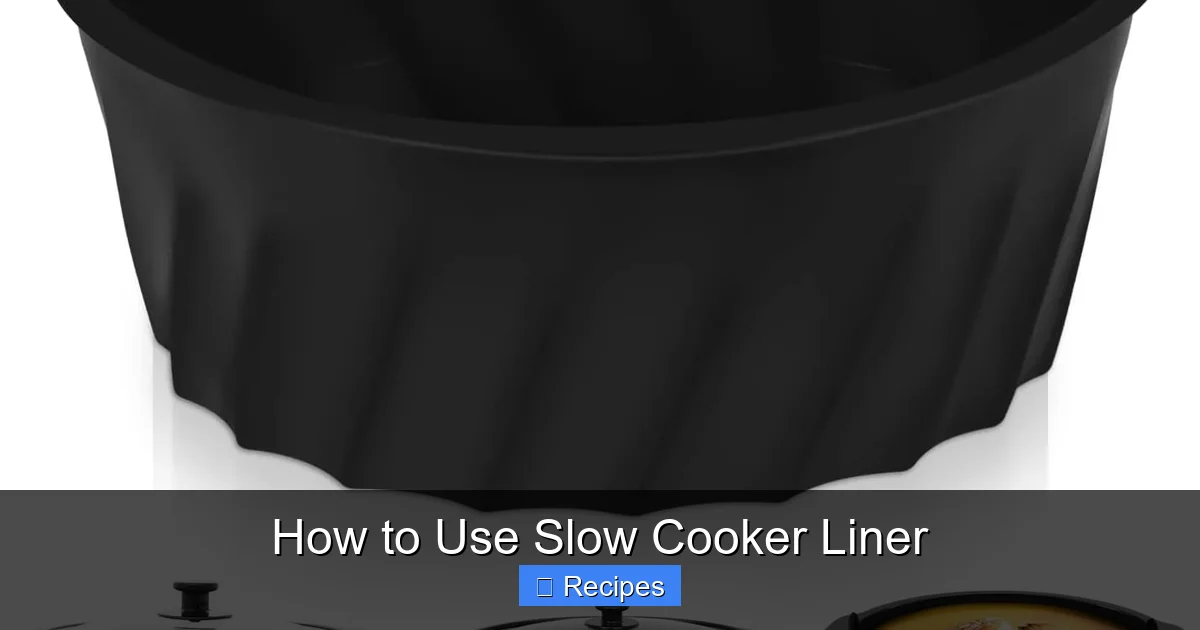
Before you start lining your pot, it helps to understand what these products actually are. Not all liners are created equal, and using the wrong type can be ineffective or even dangerous.
Visual guide about How to Use Slow Cooker Liner
Image source: m.media-amazon.com
The Material Science: Nylon and Food Safety
Quality slow cooker liners are typically made from a heavy-duty, food-safe nylon resin. This isn’t your average plastic bag. It’s a specialized, BPA-free material engineered to withstand the low, steady temperatures of a slow cooker—usually up to 400°F (204°C). This heat resistance is critical. A standard oven bag or grocery sack would melt, smoke, or potentially leach chemicals. The nylon used in reputable brands like Reynolds® is specifically tested and approved for this culinary application. It’s non-porous, meaning it won’t absorb flavors or oils from your food, and it provides a completely non-stick surface. Always ensure the liner package explicitly states it’s for slow cookers or crockpots. Never substitute with other bags.
Sizing: Getting the Perfect Fit
This is the single most important factor for both performance and safety. Slow cooker liners come in sizes denoted by quart capacity (e.g., 3-quart, 6-quart, 7-quart). You must match the liner size to your slow cooker’s *inner* bucket capacity, not the outer housing. A liner that’s too small will struggle to open fully, potentially causing it to bunch up, touch the heating element, and melt. A liner that’s too large will have excess material that can dangle over the rim. While this doesn’t automatically mean danger, it creates a tripping hazard when removing the lid and can cause the liner to collapse or slip during cooking.
To find your size, check the manufacturer’s markings on your pot (usually stamped on the bottom or side). If it’s unclear, measure the inner diameter and depth. Most standard家庭-sized slow cookers are 6-quart. Smaller ones for couples or dips are often 3 or 4-quart. Large family or entertaining models can be 7 or 8-quart. When in doubt, consult the liner brand’s sizing chart—they almost always provide a cross-reference for popular slow cooker models.
The Step-by-Step Guide: How to Use a Slow Cooker Liner Perfectly
Using a slow cooker liner is brilliantly simple, but a few key steps ensure flawless results every time. Follow this method to avoid common pitfalls like tearing or slipping.
Visual guide about How to Use Slow Cooker Liner
Image source: img.ltwebstatic.com
Step 1: Preparation and Placement
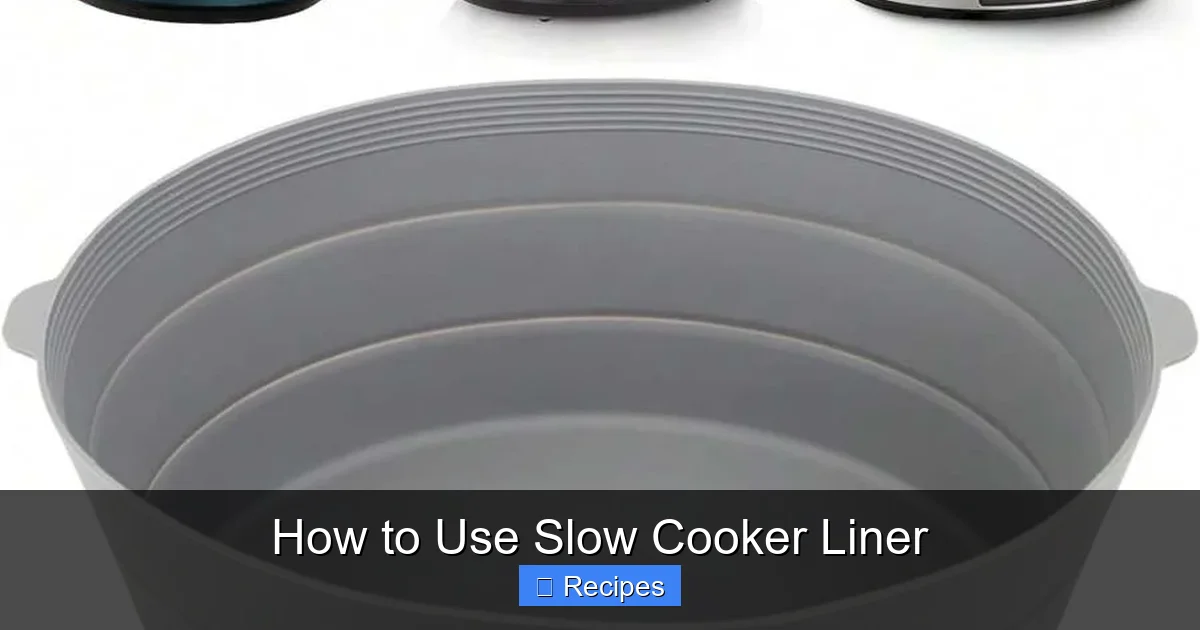
Begin with a clean, dry slow cooker pot. Open the liner package. You’ll notice it’s a large, flat bag with a wide opening. Hold the liner by the top edges and gently shake it open. It should balloon out slightly. Now, with the wide end facing up, lower the liner into the empty pot. You want the entire opening of the bag to rest flush against the inner walls of the slow cooker. The bottom of the bag will naturally settle onto the pot’s bottom. Smooth out any major wrinkles or folds against the sides. The goal is to have the liner standing upright inside the pot, fully open, with no part of the nylon touching the heating element on the bottom or sides. If your slow cooker has a “warm” setting on the bottom rim, ensure the liner’s edge sits *below* that rim.
Step 2: Adding Ingredients
Now, add your ingredients directly into the liner as you normally would into the pot. There’s no need to grease the liner. A key tip: avoid overfilling. Fill the liner no more than ½ to ⅔ full. This leaves crucial headspace. As food cooks, liquids bubble and expand. If the liner is too full, food can push the liner’s sides outward, causing it to contact the pot’s hot walls or even the lid, which can lead to tearing or melting. It also ensures even heat circulation. For dense, thick stews or dishes with a lot of pasta/rice that absorb liquid, you can often fill closer to ⅔. For very liquidy soups or dishes that foam (like beans), stay closer to the ½ mark.
Step 3: Cooking as Usual
Place the lid on your slow cooker as you normally would. The liner will not interfere with the lid’s fit. Set your time and temperature according to your recipe. The liner does not significantly alter cooking times because it doesn’t insulate heat; it simply contains the food. You’ll notice your dish may retain more moisture because the liner creates a tighter seal against the pot than the lid alone, minimizing evaporation through the pot’s ceramic body. This is a bonus! Go about your day. The liner does its job silently in the background.
Step 4: Removal and Disposal
When cooking is complete, turn the slow cooker off. Carefully lift the lid—steam will be hot. Grasp the liner’s top edges (the parts that were flush with the pot’s rim) and gently lift it straight up and out. The entire contents will be contained within the bag. Place the liner on a heat-safe surface or directly into the sink. Allow it to cool for 5-10 minutes; hot nylon can be fragile and tear if handled too vigorously while piping hot. Once cooled slightly, carefully lift and move it to your trash can. Tie off the top if desired to prevent spills. You will be amazed at how clean your pot is—often just a quick rinse is needed. Wipe down the exterior and the heating element base as usual.
Pro Tips and Common Mistakes to Avoid
Even with something simple, a few insider tricks can make your slow cooker liner experience flawless. Conversely, a small oversight can lead to a messy, or worse, unsafe situation.
Visual guide about How to Use Slow Cooker Liner
Image source: img.ltwebstatic.com
Do’s: Ensuring Success Every Time
- Do use liners specifically labeled for slow cookers. No substitutions.
- Do check the fit before adding food. The liner should stand open without force.
- Do leave that crucial headspace (½ to ⅔ full).
- Do place the liner in a completely dry pot. Moisture can cause it to slip.
- Do use wooden or silicone utensils if stirring inside the liner, though it’s rarely needed.
- Do consider using a liner for “wet” ingredients only in layered dishes. For example, put meat and veggies in the liner, but mix a separate cornstarch slurry and stir it in during the last 30 minutes.
Don’ts: Avoiding Tears and Hazards
- Don’t ever let the nylon touch the heating element. This means if your liner is too small and sags, it’s unsafe.
- Don’t use sharp bones (like chicken wings or pork rib bones) that can puncture the nylon during the long cook. Boneless cuts are ideal.
- Don’t use for high-fat frying or deep-frying applications. The oil can exceed the liner’s temperature tolerance.
- Don’t attempt to reuse a liner. They are single-use for hygiene and integrity. A used liner has microscopic tears and is contaminated with food particles.
- Don’t cut or modify the liner. Its designed shape is part of its safety feature.
- Don’t use if you see any discoloration, thinning, or damage before cooking.
Beyond the Basics: Creative Recipes and Ideas for Your Liner
Most people think of chili or pot roast when they imagine a slow cooker. But with a slow cooker liner making cleanup painless, your culinary horizons expand dramatically. Here are some inspired ideas.
Savory Sensations
Breakfast for Dinner: Make a giant batch of scrambled eggs, breakfast sausage, and diced potatoes. The liner makes cleanup from the cheese and grease a breeze.
Soup and Sandwich Combo: Cook a hearty bean soup or French onion soup in the liner. The pot stays clean, so you can immediately use it again to melt cheese on paninis with a lid.
Dessert Savory: Yes, you can make a savory bread pudding or strata with herbs, cheese, and vegetables. The liner handles the moisture perfectly.
Sweet Treats and Breakfasts
Slow Cooker Oatmeal: The classic use. Combine steel-cut oats, milk, brown sugar, and cinnamon. The liner prevents the oatmeal from forming a stubborn, glue-like layer on the pot that is notoriously hard to clean.
Fruit Compotes and Cobblers: Simmer apples, berries, or peaches with a little sugar and spice. The liner prevents any fruit acid from potentially staining your pot. For a cobbler, you can even place a small, oven-safe dish inside the liner with the biscuit-topped fruit.
Chocolate Lava Cakes: Yes, you can! Individual ramekins placed inside the slow cooker on a trivet over a inch of water create a perfect bain-marie. But for a larger, single cake, a liner can contain a gooey chocolate cake batter, making removal and serving incredibly neat.
Care, Safety, and Environmental Considerations
Using a slow cooker liner is straightforward, but responsible use includes understanding its limits and environmental impact.
Safety First: Heat and Food Contact
The nylon used is heat-stable for slow cooking temperatures (typically 200°F on Low, 300°F on High). However, never preheat an empty slow cooker with a liner inside. The liner needs the mass of food to dissipate heat evenly and prevent hot spots. Also, never use the liner on the stovetop, in an oven, or under a broiler—it’s designed for the moist, ambient heat of a slow cooker only. Always follow the maximum temperature guideline on the package. Keep the liner away from the direct path of the heating element; this is why proper sizing is non-negotiable.
Disposal and the Environment
This is the biggest critique of slow cooker liners: they are single-use plastic. After use, they go directly into the landfill. They are not recyclable in most municipal programs and are not biodegradable. For the eco-conscious cook, this is a significant trade-off for convenience. To mitigate this, consider:
- Using liners only for the messiest meals (beans, cheesy dishes, sticky BBQ ribs).
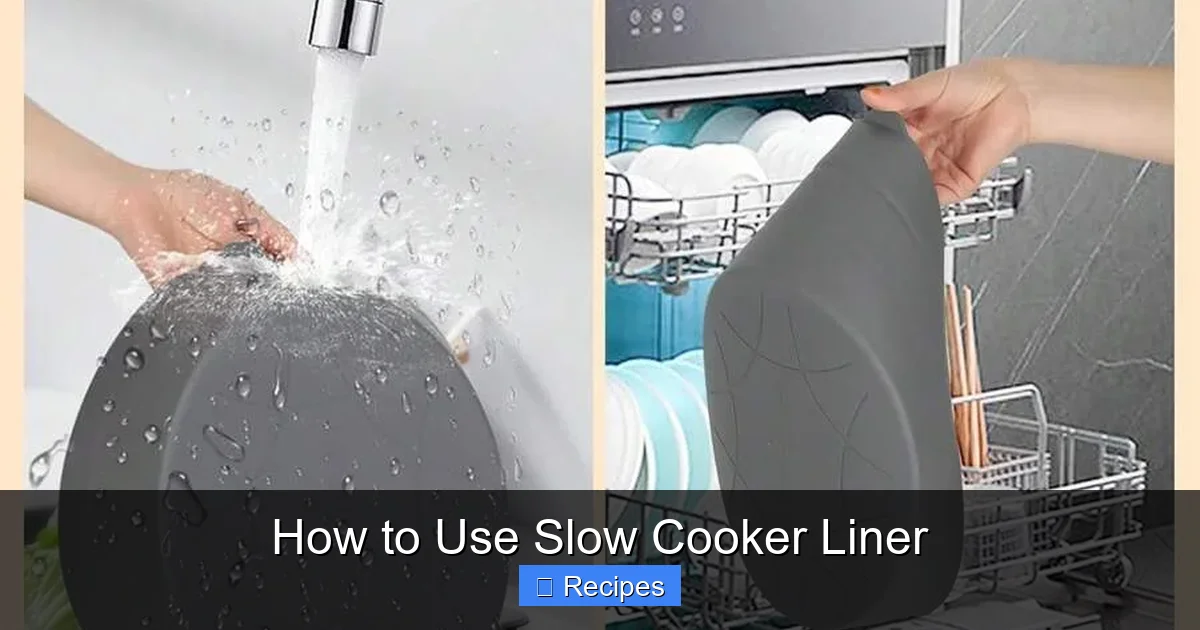
- Exploring reusable silicone liners or bags designed for slow cookers (these exist but are less common and require thorough washing).
- Committing to the traditional soak-and-scrub method for simpler, less messy dishes.
Ultimately, it’s a personal choice between convenience and sustainability. Many find the time saved and the elimination of harsh chemical cleaners (like heavy-duty oven degreasers) to be a worthwhile compromise, used judiciously.
Conclusion: Embracing Effortless, Delicious Cooking
The slow cooker liner is more than just a kitchen gadget; it’s an enabler. It removes the final barrier to enjoying the profound benefits of slow cooking: deep flavor, tender textures, and incredible convenience. By understanding how to choose the right size, following the simple steps for proper use, and applying the pro tips to avoid mistakes, you can integrate liners seamlessly into your cooking routine. They transform your slow cooker from an appliance that requires post-meal labor into one that truly delivers on its promise of a hands-off, from breakfast to dessert, culinary experience. So, grab a box of liners, try that recipe you’ve been eyeing, and look forward to the moment after dinner when you realize your pot is already clean. That’s the magic of the liner—a small change that makes a world of difference.
Frequently Asked Questions
Are slow cooker liners safe to use?
Yes, when used correctly. Always use liners specifically designed and labeled for slow cookers, made from food-safe, heat-resistant nylon. Ensure they fit your pot properly so they don’t touch the heating element, and never use them at temperatures above the manufacturer’s rating (usually 400°F).
Can I reuse a slow cooker liner?
No. Slow cooker liners are designed and certified as single-use products. Reusing them risks tears, contamination from food particles, and potential chemical leaching. For safety and hygiene, always discard after one use.
Do slow cooker liners affect cooking time or food texture?
Minimally. They create a slightly more sealed environment than the lid alone, which can help retain moisture. Cooking times are generally the same. Some users find dishes like oatmeal or beans are less likely to form a crust on the bottom, resulting in a more uniform texture.
What size slow cooker liner do I need?
Match the liner’s quart capacity to your slow cooker’s *inner* pot capacity. A 6-quart liner fits a standard 6-quart slow cooker. Using a liner too small is unsafe; one too large can be unwieldy. Check your pot’s manual or bottom for its size.
Can I use slow cooker liners for desserts or breakfasts?
Absolutely. They are excellent for oatmeal, fruit compotes, bread puddings, and cakes. They prevent sticking and make cleanup from sugary or sticky batters incredibly easy, just avoid recipes with very sharp, hard mix-ins like nuts that could puncture the bag.
How do I dispose of a used slow cooker liner?
Let the liner cool completely on a heat-safe surface. Then, carefully tie it off or roll it up and place it directly in your household trash. Do not compost it, as most are not biodegradable, and never flush it down the toilet.
Pingback: How to Use a Slow Cooker - kitchenandhouseware.com
Pingback: How to Use a Slow Cooker - kitchenandhouseware.com