Using food preservatives correctly is key to food safety and reducing waste. This guide explains the science behind common preservatives, from salt and sugar to modern additives, and demystifies their safety. You’ll learn practical, actionable tips for choosing and using preservatives at home and understanding what’s on commercial food labels. It’s about making informed decisions for a safer, longer-lasting pantry.
Key Takeaways
- Preservatives are essential tools: They combat spoilage from microbes, oxidation, and enzymes, making our food supply safe and sustainable by preventing foodborne illness and waste.
- Safety is rigorously regulated: All food preservatives, natural or synthetic, undergo extensive scientific review by bodies like the FDA and EFSA before approval for use.
- “Natural” doesn’t always mean “better”: Many effective preservatives like salt, vinegar, and rosemary extract are natural, while others like sorbates and nitrites are synthetic but equally safe when used correctly.
- Dosage and proper use are critical: Using the correct type and amount of preservative for the specific food and storage condition is vital for effectiveness and safety.
- Reading labels empowers you: Understanding ingredient lists and common preservative codes (e.g., E200 series) helps you make informed choices about the foods you buy.
- Home preservation relies on time-tested methods: Canning, freezing, fermenting, and using acid/salt/sugar are the primary ways home cooks safely preserve food.
📑 Table of Contents
- Introduction: The Silent Guardians of Your Groceries
- Understanding the “Why”: What Are We Fighting Against?
- The Preservative Toolbox: Types and How They Work
- Safety First: Demystifying the “Chemicals”
- Practical Guide: Using Preservatives at Home and Understanding Labels
- The Future of Preservation: Moving Towards “Cleaner” and Smarter
- Conclusion: Empowerment Through Understanding
Introduction: The Silent Guardians of Your Groceries
Look at the ingredients list on a packaged loaf of bread or a bottle of salad dressing. You’ll likely see a string of unfamiliar names: calcium propionate, potassium sorbate, sodium benzoate. To many, these are just “chemicals” to be avoided. But what if we told you these are often the silent guardians, working tirelessly to keep your food safe, fresh, and edible for longer? Understanding how to use preservatives in food isn’t about navigating a chemical minefield; it’s about appreciating the science that protects us from spoilage and waste. This guide will pull back the curtain on food preservation, explaining the “how” and “why” in simple terms, so you can feel confident and informed—whether you’re reading a label at the store or considering a preservation method for your home garden’s bounty.
The goal of any preservative is simple: to slow down or stop the processes that cause food to spoil. These processes are mainly threefold: microbial growth (bacteria, yeasts, molds), oxidation (rancidity in fats, browning in fruits), and enzymatic activity (the natural ripening and breakdown of food tissues). Effective preservation tackles one or more of these threats. From the ancient practices of salting and smoking to modern food science, the core mission remains unchanged: deliver nutritious, safe food from farm to fork. Let’s explore how it’s done.
Understanding the “Why”: What Are We Fighting Against?
Before we dive into the “how,” we must understand the enemy. Food spoilage is a natural process driven by several factors. Knowing these helps you choose the right preservative for the job.
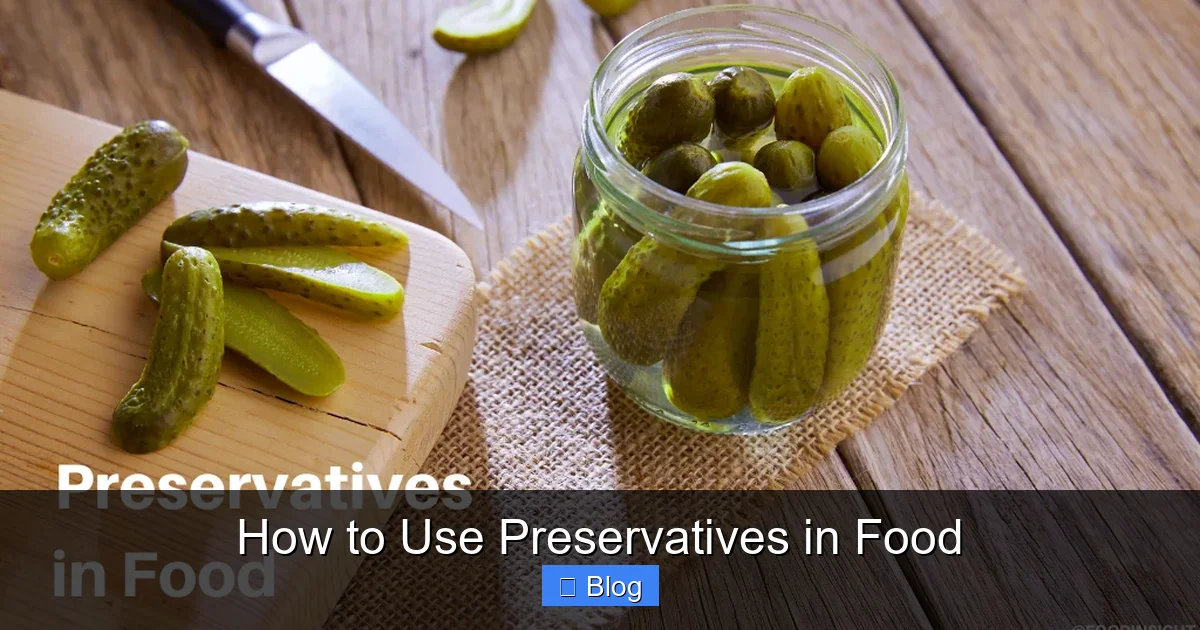
Visual guide about How to Use Preservatives in Food
Image source: foodinsight.org
The Microbial Menace
Microorganisms are the primary cause of foodborne illness and visible spoilage. Bacteria like Salmonella and Listeria can make you sick. Yeasts and molds cause fermentation, fuzz, and off-flavors. Microbes need water, food (sugars, proteins), and the right temperature and pH to thrive. Preservatives often work by making the environment inhospitable—drying it out, acidifying it, or directly inhibiting microbial cell function.
The Oxidation Problem
Have you ever cut an apple and watched it turn brown? That’s enzymatic browning. Left long enough, fats in nuts, oils, and meats can turn rancid, developing unpleasant smells and tastes. This is oxidation—a chemical reaction with oxygen. Antioxidants are the class of preservatives that fight this. They donate electrons to unstable molecules (free radicals), stopping the chain reaction of damage.
Enzymatic Activity
Even after harvest, the enzymes within fruits, vegetables, and meats continue to work, breaking down cellular structures and causing ripening, softening, and color changes. Heat (blanching), acid, or specific inhibitors can halt this enzymatic activity.
The Preservative Toolbox: Types and How They Work
Preservatives fall into a few broad categories based on what threat they neutralize. Many work on multiple fronts. Here’s a breakdown of the most common types you’ll encounter.
Visual guide about How to Use Preservatives in Food
Image source: titanbiotechltd.com
Antimicrobials: Stopping the Germs
These are the heavy hitters against bacteria, yeasts, and molds.
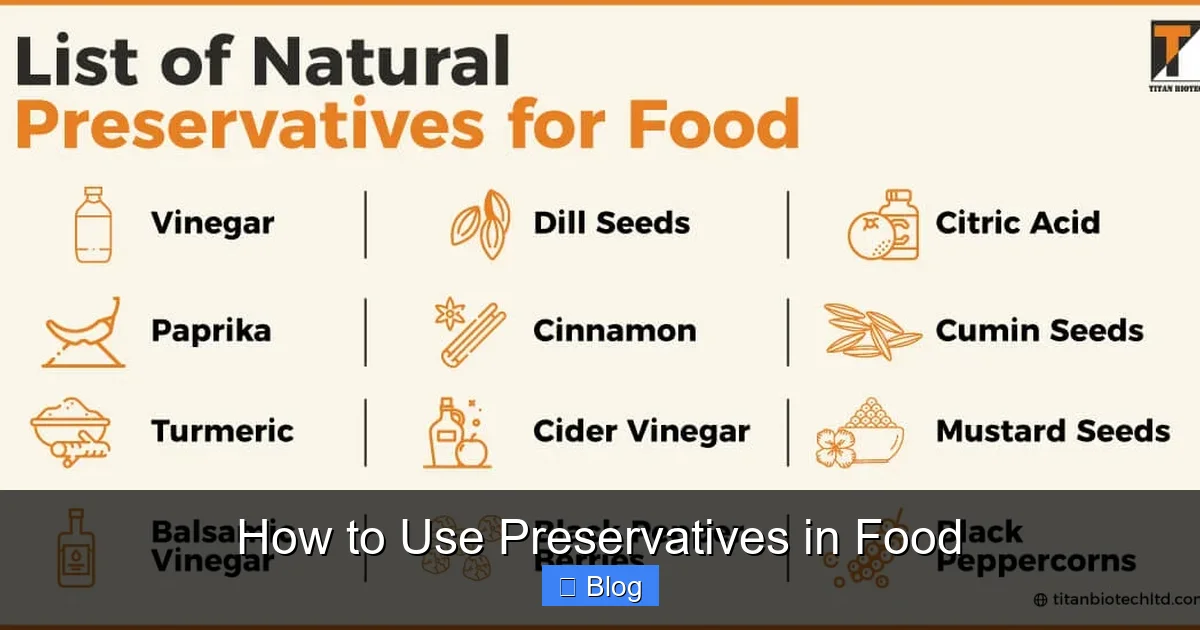
- Salt (Sodium Chloride): The oldest preservative. It works by drawing water out of microbial cells through osmosis, essentially dehydrating them. It’s fundamental in brining, curing meats, and fermenting vegetables.
- Sugar: Similar to salt, high concentrations of sugar bind water, making it unavailable for microbial growth. It’s key in jams, jellies, and candied fruits.
- Acids (Vinegar, Citric Acid, Lactic Acid): Lowering the pH creates an acidic environment where most harmful bacteria cannot survive. Pickling with vinegar and fermenting (which produces lactic acid) are classic examples.
- Nitrites and Nitrates: Primarily used in cured meats like bacon and ham. They inhibit Clostridium botulinum (the cause of botulism), fix the pink color, and contribute to the characteristic cured flavor. Their use is strictly controlled due to health concerns at very high levels, but they are deemed safe and essential within regulated limits.
- Organic Acids & Their Salts: These are the common “E-number” additives. Sorbic acid / Potassium sorbate (E200-E203) is effective against molds and yeasts, used in cheese, wine, and baked goods. Benzoic acid / Sodium benzoate (E210-E213) works best in acidic foods like sodas and pickles. Propionic acid / Calcium propionate (E280-E283) is a mold inhibitor, famously used in bread.
Antioxidants: Fighting Rancidity and Browning
These protect fats and oils from going rancid and help maintain color and flavor.
- Ascorbic Acid (Vitamin C, E300): A versatile antioxidant that also prevents browning in cut fruits and is used in cured meats to fix color and inhibit nitrosamine formation.
- Tocopherols (Vitamin E, E306-E309): Natural antioxidants found in vegetable oils, nuts, and seeds. They are often added to oils and fatty foods to prevent rancidity.
- BHA and BHT (E320, E321): Synthetic antioxidants highly effective in preventing oil rancidity in snacks, cereals, and fats. Their use is approved but sometimes controversial, leading many manufacturers to seek natural alternatives like rosemary extract (E392).
Other Preservative Functions
Some additives play supporting roles.
- Chelating Agents (e.g., EDTA, E385): Bind metal ions (like iron and copper) that can catalyze oxidation and microbial growth, thus boosting the effectiveness of other preservatives.
- Preservative Synergists: Compounds that enhance the primary preservative’s effectiveness, allowing for lower usage levels.
Safety First: Demystifying the “Chemicals”
This is the most critical section. The fear of “chemicals” in food is widespread, but it’s essential to separate myth from science.
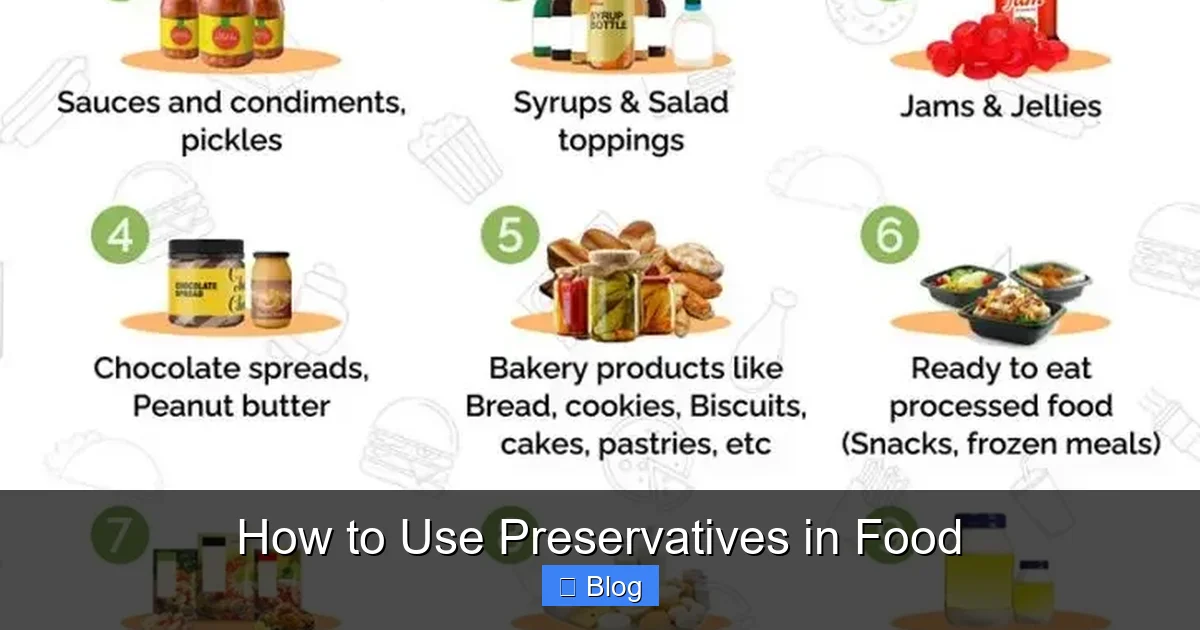
Visual guide about How to Use Preservatives in Food
Image source: images.healthonics.healthcare
The Regulatory Fortress
In the United States, the Food and Drug Administration (FDA) regulates food additives. A preservative is not simply approved; it must undergo rigorous, peer-reviewed scientific assessment to determine a “Generally Recognized as Safe” (GRAS) status or go through a formal food additive petition process. This evaluates toxicology, potential carcinogenicity, reproductive effects, and establishes an Acceptable Daily Intake (ADI)—the amount considered safe to consume daily over a lifetime, usually with a massive built-in safety margin (often 100 times lower than the no-effect level in animal studies). The European Food Safety Authority (EFSA) and other global bodies perform similar reviews. Using a preservative outside these approved conditions is illegal.
Natural vs. Synthetic: A False Dichotomy?
The “natural good, synthetic bad” narrative is overly simplistic. Many potent toxins are entirely natural (e.g., botulinum toxin, aflatoxin, solanine in green potatoes). Conversely, many synthetic preservatives are identical to molecules found in nature (e.g., synthetic ascorbic acid is chemically identical to natural vitamin C). The key is the substance’s intrinsic properties and the dose. The regulatory process evaluates the chemical itself, not its origin. The dose makes the poison—even water can be toxic in extreme excess.
Addressing Common Concerns
- Nitrites and Cancer Risk: The concern stems from the formation of nitrosamines, which are carcinogenic in high doses in animal studies. However, modern regulations limit nitrite use, and ascorbic acid (Vitamin C) is often added to cured meats specifically to inhibit nitrosamine formation. The risk from regulated use in meats is considered very low compared to the severe risk of botulism from improperly cured products.
- Hyperactivity and Artificial Colors/Preservatives: Some studies, like the Southampton study, suggested a link between certain artificial colorings and a preservative (sodium benzoate) and hyperactivity in children. This led to stricter labeling laws in the EU (the “Southampton 6” must be listed). While the evidence is not conclusive for all children, it has driven a market shift towards natural alternatives.
- “Clean Label” Trend: Consumer demand for simpler ingredient lists has pushed manufacturers to use “natural” preservatives like rosemary extract, celery juice powder (a source of natural nitrates), and fermented dextrose. These are subject to the same safety evaluations.
Practical Guide: Using Preservatives at Home and Understanding Labels
Knowledge is power. Here’s how to apply this information in your daily life.
For the Home Cook: Time-Tested Methods
Home food preservation is less about adding commercial preservatives and more about applying preservation principles. The core methods are:
- Thermal Processing (Canning): Using heat to destroy microbes and enzymes, then creating a vacuum seal to prevent recontamination. This is for high-acid foods (water bath canning for fruits, pickles) and low-acid foods (pressure canning for vegetables, meats). Following tested recipes from sources like the National Center for Home Food Preservation is non-negotiable for safety.
- Freezing: Halts all microbial and enzymatic activity. It’s the best method for retaining freshness and nutrition, but requires consistent cold chain maintenance.
- Drying/Dehydration: Removes water, the key element for microbial life. Can be done with a dehydrator, oven, or sun (with caution).
- Fermentation: Uses beneficial bacteria (like lactic acid bacteria) to produce acid and alcohol, which preserve the food and create unique flavors (sauerkraut, kimchi, yogurt).
- Acidification (Pickling): Adding vinegar (acetic acid) or lemon juice (citric acid) to create a high-acid environment.
- Using Salt and Sugar: In high concentrations, as discussed, for curing meats or making jams.
Tip: When home-canning, never alter the acidity (vinegar/lemon juice amount) or processing time in a tested recipe. This is how botulism cases occur.
Decoding the Supermarket Aisle
Becoming label-literate is your best tool for informed choice.
- Ingredient Lists are in Order: Ingredients are listed by weight, from most to least.
- Look for Common Names: “Salt” (sodium chloride), “sugar” (sucrose), “vinegar” (acetic acid), “citric acid,” “ascorbic acid” (Vitamin C), “tocopherols” (Vitamin E).
- Recognize the E-Numbers: These are the EU’s standardized codes. Common preservatives include: E200–Sorbic acid family; E210–Benzoic acid family; E220–Sulfur dioxide family; E280–Propionic acid family; E300–Ascorbic acid (C); E310–Propyl gallate; E320–BHA; E321–BHT. Seeing an E-number doesn’t mean it’s unsafe; it’s an approved additive.
- “No Preservatives” Claims: Be aware that some preservation methods (like freezing, canning, using lots of salt/sugar) may not require added chemical preservatives. A “no preservatives” label is a marketing choice, not necessarily a safety or health superiority claim.
The Future of Preservation: Moving Towards “Cleaner” and Smarter
The field of food preservation is constantly evolving, driven by consumer demand, sustainability goals, and new technologies.
Natural and “Clean Label” Preservatives
Research is booming into plant extracts rich in antioxidants and antimicrobials. Rosemary, green tea, oregano, and citrus extracts are being optimized for stability and effectiveness. “Fermented” ingredients that produce natural organic acids are also gaining traction as clean-label preservative systems.
Hurdle Technology
This is a sophisticated approach where multiple mild preservation methods (“hurdles”) are combined. For example, a product might use a slight pH adjustment (mild acid), a small amount of a natural preservative (like rosemary extract), modified atmosphere packaging (less oxygen), and refrigeration. Each hurdle alone wouldn’t be enough, but together they create a powerful, synergistic barrier to spoilage without relying on a single high dose of a synthetic additive. This often results in a fresher, less processed product.
Emerging Technologies
Non-thermal methods like High-Pressure Processing (HPP), pulsed electric fields, and ultraviolet light are used to kill microbes without heat, preserving fresh flavor and nutrients. These are physical “hurdles” that can reduce or eliminate the need for chemical preservatives in products like guacamole, juices, and deli meats.
Conclusion: Empowerment Through Understanding
Learning how to use preservatives in food ultimately boils down to one thing: empowerment. It empowers you to store your farmer’s market haul properly, to understand why that packaged snack stays fresh for weeks, and to make choices aligned with your values—whether that’s minimizing food waste, avoiding certain additives, or simply trusting the science that keeps our food system safe. Preservatives are not the enemy; misuse or misunderstanding is. They are tools, and like any tool, their value lies in how and why they are used. The next time you sprinkle salt on a steak, squeeze lemon on an avocado, or read an ingredient list, you’ll know you’re participating in one of humanity’s oldest and most vital practices: the art and science of preservation. By respecting the process and the rigorous safety standards behind it, we can all enjoy a safer, more abundant, and less wasteful food supply.
Frequently Asked Questions
Are preservatives in food bad for my health?
No, food preservatives that are approved for use by regulatory agencies like the FDA and EFSA are considered safe for consumption at the levels established. They undergo rigorous scientific testing before approval. The dose makes the poison—even water can be harmful in extreme excess. The primary health risk from food comes from pathogens in spoiled food, which preservatives help prevent.
What are some natural preservatives I can use at home?
Excellent natural preservatives you already have in your kitchen include salt, sugar, vinegar (acetic acid), lemon juice (citric acid), and herbs like rosemary. These work by drawing out water, acidifying the environment, or providing antioxidants. Proper home canning, freezing, and fermenting are also fundamental natural preservation methods.
How can I tell what preservatives are in my food?
Always read the ingredient list on the packaging. Ingredients are listed in order of weight. Look for common names like “salt,” “sugar,” “vinegar,” “citric acid,” “ascorbic acid,” or “rosemary extract.” In many countries, approved synthetic additives are listed with E-numbers (e.g., E202 for potassium sorbate).
Why is salt used as a preservative if it’s just a seasoning?
Salt is a powerful preservative because it draws water out of microbial cells through osmosis, dehydrating and killing them. In high concentrations, it also makes water unavailable for microbial growth. This principle is used in brining, curing meats, and making fermented foods like sauerkraut, where salt controls the fermentation process and prevents spoilage.
Do I need to add preservatives when I cook at home?
Generally, no. Home cooking relies on immediate consumption or short-term storage (refrigeration). For longer-term home storage, you use preservation methods like canning, freezing, or drying, which inherently preserve food without needing to add commercial chemical preservatives. The salt, sugar, and acid you add for flavor often contribute to preservation as a beneficial side effect.
What is the biggest misconception about food preservatives?
The biggest misconception is that all “chemicals” or additives are inherently dangerous. In reality, everything is made of chemicals—water (H₂O) is a chemical. The key is the specific substance and the dose. Regulatory bodies worldwide exist to evaluate scientific evidence and ensure that approved preservatives are safe when used as intended. The real danger often lies in the microbes that proper preservation prevents.