Properly storing live crawfish overnight is crucial for maintaining their freshness and ensuring a successful boil. The key is keeping them cold, moist, and well-aerated without submerging them in freshwater. Use a container that allows for air circulation, like a cooler with a damp towel or a mesh bag, and maintain a temperature between 40°F and 50°F using ice packs, not direct ice. Avoid common pitfalls like sealing them in an airtight box or placing them in a tub of water, which will quickly kill them. With these simple steps, your crawfish will be lively and ready to cook the next day.
Key Takeaways
- Keep Them Cold, Not Frozen: Store crawfish at a steady 40°F to 50°F (4°C to 10°C). This slows their metabolism without causing fatal shock. Use ice packs around, not directly on, the container.
- Aeration is Non-Negotiable: Crawfish need oxygen. Never store them in a sealed, airtight container. Use a cooler with the lid slightly ajar, a mesh bag, or a container covered with a damp, breathable towel.
- Never Submerge in Freshwater: Placing live crawfish in a tub of tap water will kill them quickly due to chlorine and a drastic change in water salinity. They are saltwater creatures that breathe air.
- Maintain Moisture, Not Water: Keep the crawfish themselves damp with a mist of water or a damp cloth/paper towels over them in the container. The container bottom should be dry.
- Handle Minimally and Gently: Rough handling causes stress and injury. Transfer them carefully and avoid piling them too high, which can crush those on the bottom.
- Cook Promptly After Storage: Even stored correctly, crawfish are stressed. For best quality and safety, cook them within 24 hours of purchase. Discard any that have died during storage.
- Check for Vitality Before Cooking: Before boiling, give the crawfish a gentle poke. Live ones will react by moving their tails or claws. Any that are limp and unresponsive must be thrown away immediately.
📑 Table of Contents
- Why Proper Overnight Storage is Your Secret to a Perfect Crawfish Boil
- Step 1: The Immediate Actions After Bringing Crawfish Home
- Choosing the Right Container: What Works and What Doesn’t
- Mastering Temperature: The Chilly Balance
- The Lifeline of Oxygen: Aeration Methods Explained
- Critical Mistakes That Will Kill Your Crawfish (And How to Avoid Them)
- The Final Check and Transition to the Boil
- Conclusion: Confidence in Every Crawfish
Why Proper Overnight Storage is Your Secret to a Perfect Crawfish Boil
You’ve just scored the catch of the day—a sack of plump, lively crawfish for a big boil with friends. The party is tomorrow, but you can’t cook them right now. What do you do? Panic? Toss them in the fridge? Hope for the best? Knowing how to store live crawfish overnight isn’t just a nice skill; it’s the critical bridge between a fantastic crustacean feast and a disappointing, smelly mess. Live crawfish are hardy but delicate. They’re not like storing a head of lettuce. They are living animals with specific needs for oxygen, temperature, and moisture. Get it wrong, and you’ll wake up to a cooler full of dead, decomposing crawfish—a total loss and a health hazard. Get it right, and they’ll be just as lively and sweet-tasting as when you bought them. This guide will walk you through every single step, from the moment you bring them home to the moment you drop them into the boiling pot. We’ll debunk myths (like storing them in water), explain the science behind their needs, and give you foolproof, field-tested methods. By the end, you’ll be a master of overnight crawfish care, ensuring your investment and your meal are protected.
Step 1: The Immediate Actions After Bringing Crawfish Home
The clock starts ticking the second you leave the dock or market. Your first 15 minutes back at home are the most important for setting up successful overnight storage. Don’t just dump the sack in the garage and figure it out later. Immediate, correct handling reduces stress and mortality significantly.

Visual guide about How to Store Live Crawfish Overnight
Image source: trishdeseine.com
Assess Your Catch and Give Them a Rinse
First, open the sack in a well-ventilated area, preferably outside or in a garage with the door open. You’ll be greeted by a wriggling, crawling mass. This is good! Give the crawfish a quick, gentle rinse with cool water (not ice-cold) to wash off any excess mud, debris, or broken shells from the sack. This isn’t about cleaning them for eating—you’ll do that later—it’s about removing anything that could spoil and contaminate the storage environment. Use a colander or large sieve if you have one. Handle them as little as possible during this process.
Sort Out Any That Are Already Down for the Count
While you’re rinsing, pay close attention. A live crawfish will react when touched or when exposed to air and light. Its tail will curl, and its claws will move. Any crawfish that are limp, unresponsive, or have a straight, rigid tail are dead. These must be removed and discarded immediately. One dead crawfish in a closed, warm environment can rapidly spoil its neighbors. Be ruthless here. It might feel wasteful, but keeping a single dead crawfish risks the entire batch. Place the live ones you’re keeping into your prepared storage container (which we’ll discuss next) without delay.
Choosing the Right Container: What Works and What Doesn’t
This is where most home cooks go wrong. The container is not just a vessel; it’s a temporary ecosystem. The golden rule is: the container must allow for maximum air circulation while maintaining a cool, moist environment. Forget airtight plastic tubs. They are death traps.

Visual guide about How to Store Live Crawfish Overnight
Image source: trishdeseine.com
Top Recommended: The Classic Cooler Method
A standard plastic or Styrofoam cooler is the gold standard for overnight crawfish storage. It provides insulation, is easy to find, and you can control the environment perfectly. Here’s how to set it up:
- Line the bottom: Start with a layer of damp newspaper, paper towels, or a clean, damp towel. This provides a cushion and a source of moisture.
- Add the crawfish: Gently place your sorted, live crawfish into the cooler. Do not pile them more than 4-6 inches deep. A deep pile crushes the bottom layer and restricts airflow.
- Cover lightly: Drape another layer of damp newspaper or a clean, damp kitchen towel over the top of the crawfish. This keeps them from drying out without suffocating them.
- Lid position: Place the cooler lid on top but do not seal it. Prop it open slightly with a stick or leave it ajar. This is crucial for air exchange.
The Mesh Bag Alternative
If you don’t have a cooler, a large, sturdy mesh laundry bag or produce bag works excellently. The entire bag can be placed inside a regular cardboard box for insulation. The mesh allows 100% airflow. Simply put the crawfish in the bag, tie it loosely (don’t overfill), and place it in a cool, dark place. Mist the bag and its contents with water from a spray bottle every few hours if the environment is very dry.
What to Absolutely Avoid
- Airtight plastic containers: (e.g., Tupperware with sealed lids). They will suffocate the crawfish within hours.
- Submersion in water: This is the biggest myth. Crawfish are not fish. They breathe air through gills that must stay moist but not flooded. Freshwater will kill them quickly through osmotic shock and chlorine poisoning.
- The refrigerator vegetable crisper: It’s too cold and too humid. The temperature can dip below 40°F, causing cold shock, and the high humidity promotes mold and bacterial growth on the crawfish.
- Cardboard boxes alone: Without a damp layer or a mesh bag, the crawfish will dry out and the cardboard will become soggy and disintegrate from their waste.
Mastering Temperature: The Chilly Balance
Temperature control is the second pillar of successful storage. The goal is to slow the crawfish down without stunning or killing them. Think of it as putting them in a very cool, dark basement, not the freezer.
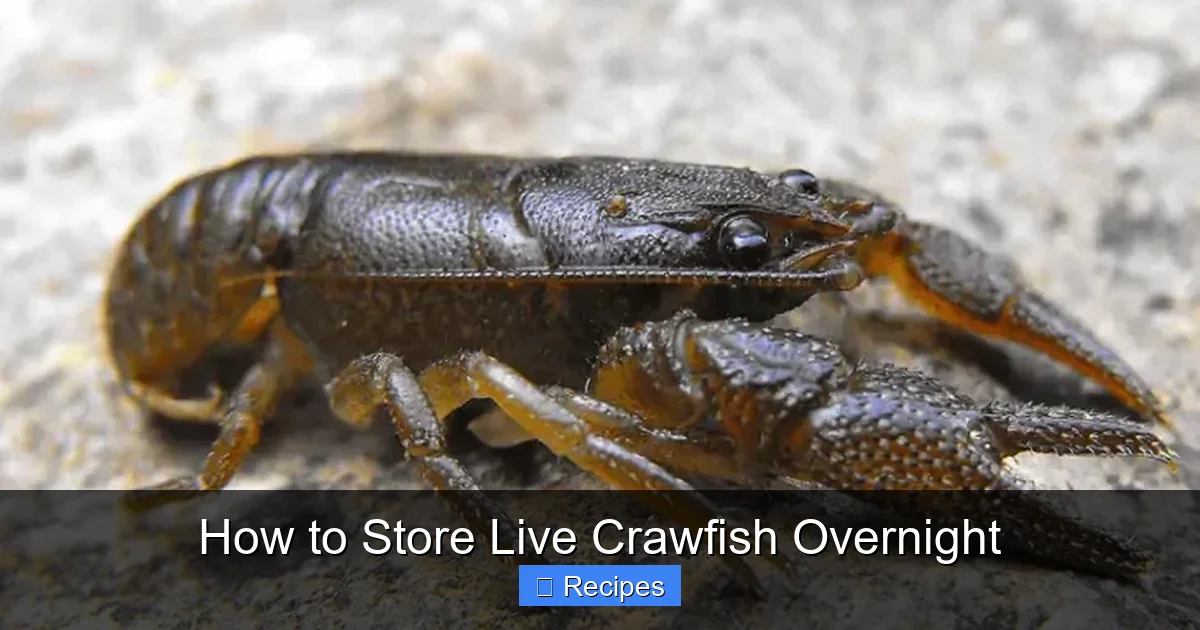
Visual guide about How to Store Live Crawfish Overnight
Image source: trishdeseine.com
The Ideal Temperature Range: 40°F to 50°F (4°C to 10°C)
This range is the sweet spot. It dramatically slows their metabolism and activity, meaning they use less oxygen and produce less waste. It keeps them dormant but alive. Temperatures below 40°F risk cold shock and death. Temperatures above 50°F cause them to be overly active, depleting their energy and fouling their environment faster with waste.
How to Achieve and Maintain This Temperature
The most reliable method is using ice packs or bags of ice, but with a critical rule: never let the crawfish come into direct contact with melting ice or ice water.
- Ice Pack Strategy: Place several frozen gel ice packs around the *outside* of your container (around the cooler walls) or on top of the lid. If using a mesh bag inside a box, place ice packs in the box, surrounding the bag. This creates a cold ambient environment without freezing the crawfish or creating a waterlogged mess.
- The Ice Bag Barrier: If you must use ice cubes, place them in a sturdy, sealable plastic bag. Seal it tightly and wrap it in a thin towel. Then, place this cold pack *on top* of the damp towel covering your crawfish or along the cooler walls. This prevents any water from leaking in.
- Monitor: If storing for more than 12 hours, check the ice packs in the morning. They should still be cold. If they’ve fully melted, you may need to add more, again ensuring no direct water contact.
A dark, cool basement, a garage in cool weather, or a shaded porch can also work if the ambient temperature is within the 40-50°F range. Always use a thermometer if you’re unsure. A simple fridge thermometer placed inside the cooler (not touching the crawfish) can give you peace of mind.
The Lifeline of Oxygen: Aeration Methods Explained
Crawfish gills need moist air. In a confined space, they can quickly deplete the available oxygen and suffocate. This is why the container choice is so vital. But you can also take active steps to enhance air circulation.
Passive Aeration: Your First Defense
This is achieved through your container setup. The cooler with the ajar lid and the mesh bag are forms of passive aeration. They allow fresh air to enter and stale, carbon dioxide-rich air to escape. The damp towel covering the crawfish also allows for gaseous exchange while preventing them from drying out.
Active Aeration: For Long or Warm Storage
If your home is particularly warm (above 70°F) or if you’re storing for a full 24 hours, consider adding a small battery-operated fan aimed at the opening of your cooler or storage area. This gently circulates air. Another pro-tip is to give the crawfish a very light misting with a spray bottle filled with cool water every 4-6 hours. This does two things: it keeps their gills moist for better oxygen absorption, and it provides a tiny source of humidity to prevent desiccation. Don’t drench them—a fine mist is sufficient.
Critical Mistakes That Will Kill Your Crawfish (And How to Avoid Them)
Even with good intentions, it’s easy to make a fatal error. Let’s explicitly outline the pitfalls so you can steer clear of them.
Mistake 1: The Freshwater Tub
This is the most common and most deadly mistake. People think, “They live in water, so I’ll put them in a tub of water.” Wrong. Crawfish are freshwater crustaceans, but the water they live in is typically slow-moving, with a specific mineral content and temperature. Tap water is chlorinated, has a different pH and mineral balance, and is often colder than the water they were in. The shock kills them within minutes. Furthermore, in a tub of still water, they will quickly deplete the oxygen and die from suffocation, covered in their own waste.
Mistake 2: The sealed “Live Tank”
Sealing a container to “keep them in” is a suffocation guarantee. Their metabolic waste builds up, oxygen is consumed, and they will die a stressful death. Airflow is mandatory.
Mistake 3: The Refrigerator Shelf
The fridge is too cold and too humid. The cold air from the fridge’s cooling elements can cause localized freezing. The high humidity promotes bacterial growth on the crawfish’s shells. They will become slimy and die.
Mistake 4: Neglecting to Check
Out of sight, out of mind. If you store them at 10 PM and plan to cook at 6 PM the next day, check on them once in the morning. Remove any that have died. A single dead crawfish can accelerate the demise of others through bacterial proliferation.
The Final Check and Transition to the Boil
It’s morning. The boil is tonight. You approach your storage setup with anticipation. Now, for the final, crucial steps before the pot even gets hot.
The Vitality Test
Gently reach into the container. Pick up a few crawfish. A healthy, stored crawfish will offer some resistance. Its tail will curl slightly when handled, and its claws may move. If it’s limp as a rag and its tail is straight, it’s a goner. Do this check with 5-10 crawfish from different parts of the pile. If you find any dead ones, discard them immediately. If you find more than a couple, it’s a sign your storage conditions were suboptimal, and you should inspect the entire batch carefully before deciding to cook.
The Rinse and Soak (Optional but Recommended)
Once you’ve confirmed the live ones are good, give them one final rinse in a colander under cool running water. This washes away any waste they may have produced overnight. Some purists advocate for a short “purging” soak in clean, cold, salted water (about 1/2 cup of non-iodized salt per gallon of water) for 15-20 minutes. This can help clear their digestive tracts of mud. However, if your crawfish were already cleaned at the source, this step is less critical. If you do soak, use a large container with plenty of oxygenated water and do not exceed 30 minutes.
Bringing Them to the Boil
Do not take your crawfish from a 45°F cooler and drop them directly into a roaring boil. The thermal shock can cause them to release their claws and potentially affect meat texture. The best practice is to let the cooler sit at room temperature for 20-30 minutes to take the chill off. Alternatively, you can rinse them with cool tap water before adding them to the pot. Now, you’re ready. Dump them in, cover, and bring back to a boil quickly. Your careful overnight storage has paid off—you’ll have firm, sweet, and perfectly cooked crawfish.
Conclusion: Confidence in Every Crawfish
Storing live crawfish overnight doesn’t require special equipment or a degree in marine biology. It requires understanding their basic needs: cool temperatures to slow them down, moisture to keep their gills functional, and, above all, a constant supply of fresh air. By using a simple cooler with ice packs, a damp towel, and a slightly ajar lid, you create the perfect temporary habitat. You’ve learned to avoid the deadly freshwater tub and the suffocating sealed box. You now know to sort the dead from the living immediately and to perform a final vitality test before the boil. This knowledge transforms overnight storage from a source of anxiety into a simple, manageable step. It protects your culinary investment, ensures food safety, and guarantees that when you finally gather around the table, the crawfish you serve are the vibrant, delicious centerpiece they were meant to be. So go ahead, buy that extra sack for tomorrow’s party. With these techniques, you’re in complete control.
Frequently Asked Questions
Can I store crawfish in a bucket of freshwater overnight?
No, this is a common and fatal mistake. Freshwater, especially tap water with chlorine, will quickly kill crawfish through osmotic shock and suffocation. They need moist air, not submersion.
What is the maximum safe storage time for live crawfish?
With proper cold (40-50°F), moist, and aerated storage, live crawfish can typically survive for 24-48 hours. However, for optimal flavor, texture, and vitality, it’s best to cook them within 24 hours of purchase.
Can I use my regular refrigerator to store crawfish?
No. A standard refrigerator is too cold and too humid. The cold air can cause chilling injury, and the high humidity promotes spoilage. Use a cooler with ice packs in a cool room instead.
How can I tell if a crawfish is still alive after storage?
Gently pick it up. A live crawfish will react—its tail may curl, and its claws will move or resist. A dead crawfish will be completely limp, with a straight, rigid tail. Always discard any that are deceased.
Is it okay to stack crawfish deep in the container?
No. Piling them more than 4-6 inches deep will crush the crawfish on the bottom and restrict airflow to those underneath, leading to suffocation and injury. Keep the layer shallow.
After storing them overnight, should I rinse the crawfish before boiling?
Yes, it’s a good practice. Give them a final rinse under cool running water to wash away any waste produced during storage. Some also recommend a brief soak in cold, salted water to purge, but this is optional.