Proper storage is crucial for delicate Lion’s Mane mushrooms. Refrigeration in a paper bag is best for short-term use (5-7 days). For long-term preservation, freezing after blanching or drying thoroughly are the top methods. Avoid airtight plastic at all costs, as it accelerates spoilage. Pickling offers a tasty, shelf-stable alternative. Choosing the right method depends on your planned culinary use.
Key Takeaways
- Paper is Your Friend: Always store fresh Lion’s Mane in a breathable paper bag in the fridge, never in sealed plastic.
- Don’t Wash Until Ready: Moisture is the enemy. Keep mushrooms dry until the moment you’re ready to cook or preserve them.
- Freezing Requires Prep: You cannot freeze raw Lion’s Mane successfully. It must be blanched or cooked first to prevent a mushy, watery texture.
- Drying Concentrates Flavor: A dehydrator or very low oven perfectly preserves these mushrooms, creating a shelf-stable, flavor-intense product.
- Check for Spoilage Daily: Look for sliminess, dark spots, or an ammonia-like odor. Use within 5-7 days for peak freshness when refrigerated.
- Method Dictates Use: Frozen mushrooms are best for cooked dishes; dried ones are perfect for powders, stocks, and rehydrated recipes; pickled are ready-to-eat snacks.
📑 Table of Contents
- Why Proper Storage is Non-Negotiable for Lion’s Mane
- The Golden Rule: Refrigeration for Short-Term Freshness
- Freezing for Future Feasts: The Prep is Everything
- Drying: The Ultimate Shelf-Stable Powerhouse
- Pickling: A Tangy, Refrigerated Delight
- Choosing the Right Method for Your Needs
- Conclusion: Storage is the First Step to Culinary Magic
Why Proper Storage is Non-Negotiable for Lion’s Mane
You did it. You found them. Those magnificent, cascading white pom-poms of Lion’s Mane mushrooms (Hericium erinaceus) at the farmer’s market or in your foraged haul. Their seafood-like, almost lobster-y potential is dancing in your head—sautéed in butter, made into “crab” cakes, or blended into a creamy soup. But that excitement can vanish in a cloud of disappointment if they turn slimy, dark, and funky just two days later. Unlike their sturdy button or portobello cousins, Lion’s Mane mushrooms are fragile, porous, and moisture-sensitive. Their storage isn’t just a suggestion; it’s the critical first step to unlocking their incredible culinary potential.
Think of these mushrooms as a delicate sponge. Their structure is designed to absorb ambient moisture from the air, which is great for their growth in the wild but terrible for your fridge. Trapped moisture inside a plastic bag creates a humid microclimate—a perfect petri dish for spoilage bacteria and mold. The goal of storage, therefore, is to manage moisture, temperature, and air exposure. It’s about respecting the fungus’s nature while protecting your investment. Whether you’re a home cook looking to experiment or a dedicated forager with a bounty, mastering these techniques means you’ll never waste these special fungi again. This guide will walk you through every method, from the 5-minute fridge solution to long-term preservation that lasts months.
The Golden Rule: Refrigeration for Short-Term Freshness
For most of us, the immediate plan is to cook these beauties within the week. This is where the simplest, most effective method shines. The cardinal rule for storing any fresh mushroom, especially Lion’s Mane mushrooms, is to avoid airtight plastic. It’s the single biggest mistake people make.
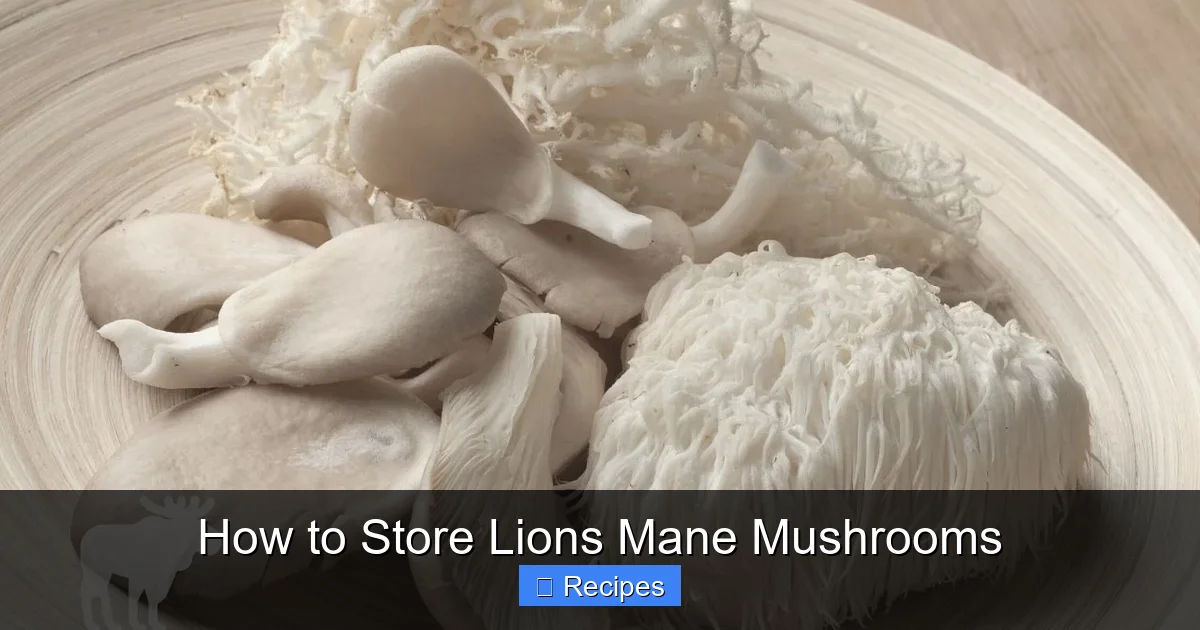
Visual guide about How to Store Lions Mane Mushrooms
Image source: forestwildlife.org
The Paper Bag Method: Your New Best Friend
The classic, foolproof method is the humble paper bag. Here’s why it works: paper is breathable. It wicks away excess ambient moisture from the mushrooms’ surface while still providing a protective layer from direct fridge drafts and accidental bumps. The mushrooms “breathe,” and the paper absorbs that inevitable humidity, keeping them dry.
- Step 1: Do not wash the mushrooms. Gently brush off any visible dirt or debris with a soft pastry brush or a dry paper towel. If they are very dirty, a quick rinse is okay, but you must dry them thoroughly—pat them with paper towels and let them air-dry on a clean kitchen towel for 30 minutes before storing.
- Step 2: Place the whole, dry Lion’s Mane mushroom clusters or pieces into a brown paper lunch bag. You can layer them if needed.
- Step 3: Fold the top of the bag over loosely. Do not seal it tightly. The goal is to allow for some air exchange.
- Step 4: Store the bag in your refrigerator’s crisper drawer. The crisper maintains a slightly higher humidity than the rest of the fridge, which is good for most produce, but the paper bag counteracts this for the mushrooms.
Pro Tip: If your paper bag becomes damp, replace it with a fresh, dry one. Check the mushrooms every day or two. With this method, expect 5-7 days of prime freshness. They might still be okay on day 8, but texture will decline.
Alternative: The Bowl & Paper Towel Technique
If you don’t have a paper bag, this is an excellent alternative. Place the dry mushrooms in a shallow bowl or on a plate. Cover them loosely with a dry paper towel. Then, cover the entire bowl with another inverted bowl or a clean kitchen towel. This creates a breathable, protective cocoon. The paper towel will absorb any rising moisture. Replace the paper towel if it feels damp.
What to Absolutely Avoid
Never store Lion’s Mane mushrooms in sealed plastic containers or Ziploc bags. The lack of airflow will cause them to sweat, become slimy, and develop off-flavors within 24-48 hours. Also, avoid the “door” of the fridge, where temperature fluctuations are greatest.
Freezing for Future Feasts: The Prep is Everything
You’ve scored a huge haul and can’t cook it all now. Freezing is your friend for long-term storage, but there’s a major catch: you cannot freeze raw Lion’s Mane mushrooms. Their high water content means ice crystals will form and rupture their cellular structure. Upon thawing, they’ll be a watery, mushy, unusable mess. To freeze them successfully, you must pre-cook or blanch them to inactivate enzymes and set their structure.

Visual guide about How to Store Lions Mane Mushrooms
Image source: plantz.io
Method 1: Blanching (The Pure Preservation Method)
Blanching is ideal if you want neutral-flavored, frozen mushrooms to use in soups, stews, stir-fries, or sauces where they’ll absorb other flavors.
- Bring a large pot of salted water to a rolling boil.
- Prepare a bowl of ice water.
- Drop cleaned, whole or sliced Lion’s Mane mushrooms into the boiling water. Blanch for 1-2 minutes. You’ll see them brighten slightly.
- Immediately plunge them into the ice water bath to stop the cooking process. Let them sit for 2-3 minutes.
- Drain thoroughly in a colander. For best results, spread them on a clean kitchen towel or paper towels and press gently to remove as much surface water as possible. You can even let them air-dry for 15 minutes.
- Portion them into freezer-safe bags or vacuum-seal them. Squeeze out as much air as possible from bags before sealing. Label with the date.
- They will keep for 10-12 months in the freezer. Use directly from frozen in cooked dishes; no need to thaw.
Method 2: Sautéing or Roasting (The Flavor-Packed Method)
This is my preferred method. Cooking the mushrooms before freezing locks in their unique meaty texture and nutty, seafood-like flavor. The result is a fantastic, ready-to-use ingredient.
- Clean and slice or tear your Lion’s Mane mushrooms into desired pieces.
- Heat 1-2 tablespoons of high-smoke point oil (avocado, grapeseed) or butter in a large skillet over medium-high heat.
- Do not overcrowd the pan. Cook in batches if necessary. Sauté until they release their liquid and that liquid evaporates, and the mushrooms turn golden brown. This takes about 8-12 minutes. They should feel dry to the touch.
- If you like, season simply with salt and pepper during the last minute of cooking.
- Let the cooked mushrooms cool completely on a baking sheet (this prevents them from steaming and getting soggy).
- Once cool, portion into freezer bags, removing all air, or vacuum-seal. Label and date.
- Frozen this way, they are perfect for adding to pastas, grain bowls, or as a quick side dish. Reheat gently in a pan or microwave. Storage time: 6-9 months for best quality.
Drying: The Ultimate Shelf-Stable Powerhouse
If you want your Lion’s Mane mushrooms to last for years without a freezer, drying is the ultimate preservation technique. It concentrates their flavor into an intense, umami-rich form and makes them incredibly lightweight and versatile. Dried mushrooms are a pantry staple for stocks, powders, and rehydrated dishes.

Visual guide about How to Store Lions Mane Mushrooms
Image source: justinesnacks.com
Using a Food Dehydrator (The Gold Standard)
This method provides consistent, low heat and airflow, which is perfect.
- Clean your mushrooms and slice them uniformly to about 1/4-inch thickness. Uniform size ensures even drying.
- Arrange the slices in a single layer on the dehydrator trays. Do not overlap.
- Set the dehydrator to 125°F (52°C). This low temperature is crucial to preserve nutrients and prevent “cooking.”
- Dry for 6-12 hours, depending on slice thickness and humidity. They are ready when they are crisp and brittle, like a cracker, and snap cleanly when bent. There should be no moisture or flexibility in the center.
- Let them cool completely on the trays before storing.
- Store in an airtight glass jar or Mylar bag with an oxygen absorber. Keep in a cool, dark, dry pantry. They will keep for 1-2 years.
Oven Drying (The Accessible Alternative)
No dehydrator? Your oven can work, but it requires vigilance.
- Preheat your oven to its lowest possible temperature, ideally 150°F (65°C). If your oven’s lowest is 170°F, that’s okay, but watch closely.
- Place sliced mushrooms on a baking sheet lined with parchment paper or a silicone mat in a single layer.
- Prop the oven door open slightly with a wooden spoon to allow moisture to escape. This is important!
- Dry for 2-4 hours, checking and flipping slices every 30-45 minutes. They are done when crisp and brittle.
- Cool completely before storing airtight as above.
How to Use Your Dried Lion’s Mane
The uses are endless. You can grind them into a potent umami powder for soups and smoothies. Simmer them in hot water for 15-20 minutes to make a rich, medicinal tea or stock base. Or, rehydrate them by soaking in hot (not boiling) water for 20-30 minutes before using in any recipe. The rehydrated mushrooms will have a pleasantly chewy texture, similar to a more tender shiitake.
Pickling: A Tangy, Refrigerated Delight
For a delicious, ready-to-eat preserve that lasts for weeks in the fridge, pickling is a fantastic and creative option. Pickled Lion’s Mane mushrooms develop a wonderful tangy-sweet flavor and a crisp-tender texture. They’re fantastic on salads, antipasto platters, in tacos, or as a snack straight from the jar.
Basic Quick-Pickle Recipe
This is a refrigerator pickle, not a canned one, so it’s safe and easy.
- Prepare the Mushrooms: Clean 1 lb of fresh Lion’s Mane mushrooms. You can leave small clusters whole or slice larger ones into 1/2-inch pieces.
- Blanch (Optional but Recommended): For a crisper texture, blanch the mushrooms in boiling water for 1 minute, then shock in ice water. Drain well. This step is less critical than for freezing, but it helps.
- Make the Brine: In a small saucepan, combine 1 cup white vinegar (rice or apple cider work well), 1/2 cup water, 2 tablespoons sugar, 1 tablespoon salt, 1 teaspoon whole coriander seeds, 1/2 teaspoon black peppercorns, and a few sprigs of fresh dill or thyme. Bring to a simmer, stirring to dissolve salt and sugar. Let cool for 5 minutes.
- Pack the Jar: Place the prepared mushrooms snugly into a clean, wide-mouth pint jar. Add any additional flavorings like a garlic clove, a slice of onion, or a dried chili.
- Pour & Chill: Pour the cooled brine over the mushrooms, ensuring they are fully submerged. Seal the jar and let it cool to room temperature.
- Refrigerate: Place in the fridge. For best flavor, let them pickle for at least 24 hours before eating. They will keep in the refrigerator for 3-4 weeks.
Choosing the Right Method for Your Needs
Now that you know the “how,” let’s simplify the “which one?” Your choice should be guided by two things: how long you need to store them, and how you plan to use them.
- For Cooking Within the Week: Use the paper bag refrigeration method. It’s effortless and maintains perfect fresh texture for sautéing, roasting, or grilling.
- For Soups, Stews, and Stir-Fries (Months): Blanch and freeze. You’ll have a ready supply of neutral-flavored mushrooms that go straight from freezer to pot.
- For Maximum Flavor & Versatility (Years): Dry them. Create a pantry staple powder or rehydratable pieces that add deep umami to any dish. This is the best method for preserving their unique flavor profile most intensely.
- For a Quick, Flavorful Condiment (Weeks): Quick-pickle them. This transforms their texture and taste into something entirely new and exciting, perfect for adding a bright punch to meals.
- For the Ultimate “Set It and Forget It” Flavor Bomb: Combine methods! Make a big batch of sautéed mushrooms, freeze them in portion bags, and you have gourmet mushroom “crumbles” ready for pasta, polenta, or eggs anytime.
A final note on Lion’s Mane mushrooms: their signature shaggy, tooth-like spines are where their magic happens. These spines are delicate and can break off easily during handling. When cleaning, be gentle. When cooking, a light touch is best. Proper storage honors this delicate structure, ensuring that when you finally do cook them, they deliver on their promise of a succulent, meaty, and utterly unique eating experience.
Conclusion: Storage is the First Step to Culinary Magic
Storing Lion’s Mane mushrooms correctly isn’t a chore; it’s an investment in flavor. It transforms these perishable treasures from a fleeting farmers’ market find into a reliable, long-lasting ingredient in your kitchen arsenal. By understanding their moisture-sensitive nature and employing the simple techniques of breathable refrigeration, careful freezing, thorough drying, or vibrant pickling, you eliminate waste and guarantee that every cluster you acquire reaches its full potential on your plate. The next time you hold these fascinating fungi, you’ll know exactly how to protect them until you’re ready to work your culinary magic. Whether you’re seeking a quick weeknight sauté or a pantry-ready umami booster, the perfect storage solution is here. Now, go forth and store with confidence—your future, more flavorful self will thank you.
Frequently Asked Questions
How long do fresh Lion’s Mane mushrooms last in the fridge?
When stored properly in a paper bag in the crisper drawer, fresh Lion’s Mane mushrooms will maintain peak quality for 5-7 days. Always check daily for signs of spoilage like sliminess or dark spots.
What are the clear signs that my Lion’s Mane mushrooms have gone bad?
Discard them if they feel slimy or sticky to the touch, develop dark brown or black spots, or emit a strong, unpleasant ammonia-like odor. A slight darkening of the tips can be normal, but widespread discoloration and any foul smell mean they are spoiled.
Can I freeze raw Lion’s Mane mushrooms without cooking them first?
No. Freezing raw Lion’s Mane mushrooms will result in a mushy, watery texture upon thawing because their high water content forms destructive ice crystals. You must blanch or sauté/cook them before freezing to preserve texture.
Should I wash my Lion’s Mane mushrooms before storing them?
Never wash them before storage. Any added moisture will accelerate spoilage. Gently brush off dirt with a dry pastry brush or paper towel. Only rinse them immediately before you are ready to cook or preserve them, and be sure to pat them completely dry.
Can I use frozen Lion’s Mane mushrooms without thawing them first?
Yes, and you should. Because they were pre-cooked before freezing, you can add them directly to soups, stews, stir-fries, or sauces from the freezer. They will heat through quickly in the cooking liquid. Thawing first can make them release unwanted water.
How long do dried Lion’s Mane mushrooms last?
When stored in an airtight container in a cool, dark, and dry pantry, thoroughly dried Lion’s Mane mushrooms will keep for 1-2 years. The key is ensuring they are 100% brittle with no residual moisture to prevent mold.