Storing eggs for the long term is absolutely possible with the right techniques, transforming your kitchen efficiency and reducing waste. The most reliable methods include meticulous refrigeration for up to 5 weeks, freezing for up to a year, and traditional preservation like water glassing or mineral oil coating. Success hinges on starting with fresh, clean eggs, maintaining consistent cool temperatures, and always practicing proper labeling and rotation to ensure you use your oldest supplies first.
Key Takeaways
- Start with Quality: Long-term storage success begins with the freshest, cleanest, unwashed eggs you can source, as their natural protective bloom is intact.
- Refrigeration is Foundational: Storing eggs in their original carton at a consistent 35-40°F (1.7-4.4°C) on a middle shelf (not the door) is the simplest method, extending freshness to 4-5 weeks.
- Freezing Requires Prep: Eggs must be removed from shells and either scrambled or separated before freezing; they will last 10-12 months and are perfect for baking and cooking.
- Preservation Methods Vary: Ancient techniques like water glassing (using sodium silicate) or coating in food-grade mineral oil can keep eggs fresh at room temperature for several months but require careful handling.
- Safety is Non-Negotiable: Always perform a float test and inspect for any off smells or appearances before using stored eggs. When in doubt, throw it out.
- Label Everything: Clearly mark containers with the storage date and method (e.g., “Frozen 10/26/23” or “Oiled 11/01/23”) to ensure proper rotation.
- Know Your Use-Case: Frozen eggs are best for cooked dishes, while preserved or refrigerated whole eggs are better for recipes where the yolk shape matters, like fried eggs or poaching.
📑 Table of Contents
- Why Mastering Long-Term Egg Storage is a Game-Changer
- Method 1: Refrigeration Mastery – The First Line of Defense
- Method 2: Freezing Eggs – A Year’s Supply in Your Freezer
- Method 3: Ancient & Modern Preservation – Coating and Water Glassing
- Method 4: Dehydrating and Pickling – Specialized Storage Paths
- Safety First: How to Identify Spoiled Eggs and Best Practices
- Choosing Your Method: A Practical Decision Guide
- Conclusion: Your Egg-cellent Storage Strategy Awaits
Why Mastering Long-Term Egg Storage is a Game-Changer
Let’s be honest: eggs are incredible. They’re a nutritional powerhouse, a culinary miracle worker that can thicken, leaven, bind, and enrich. But their legendary shelf life in the fridge—just a few weeks—can be a major source of waste, especially if you buy in bulk from a farm, have backyard chickens, or just snagged a great sale. Learning how to store eggs for long term isn’t just for preppers or survivalists; it’s a brilliant skill for any home cook looking to streamline their kitchen, budget smarter, and always have this essential ingredient on hand. Whether you’re aiming to reduce weekly grocery trips, prepare for busy seasons, or simply honor the bounty of your henhouse, extending the life of your eggs is both practical and deeply satisfying.
The science behind egg spoilage is fascinating. Eggs naturally deteriorate as their internal moisture slowly evaporates through thousands of microscopic pores in the shell, and as carbon dioxide escapes. This process causes the air sac (the flat end) to enlarge and the whites to thin. Bacteria can also enter through these pores. Our goal in long-term storage is to dramatically slow these processes by controlling moisture loss, blocking bacterial ingress, and managing temperature. The methods we’ll explore—from your everyday fridge to ancient preservation secrets—do exactly that, each with its own set of rules, benefits, and ideal use-cases. Let’s crack into it.
Method 1: Refrigeration Mastery – The First Line of Defense
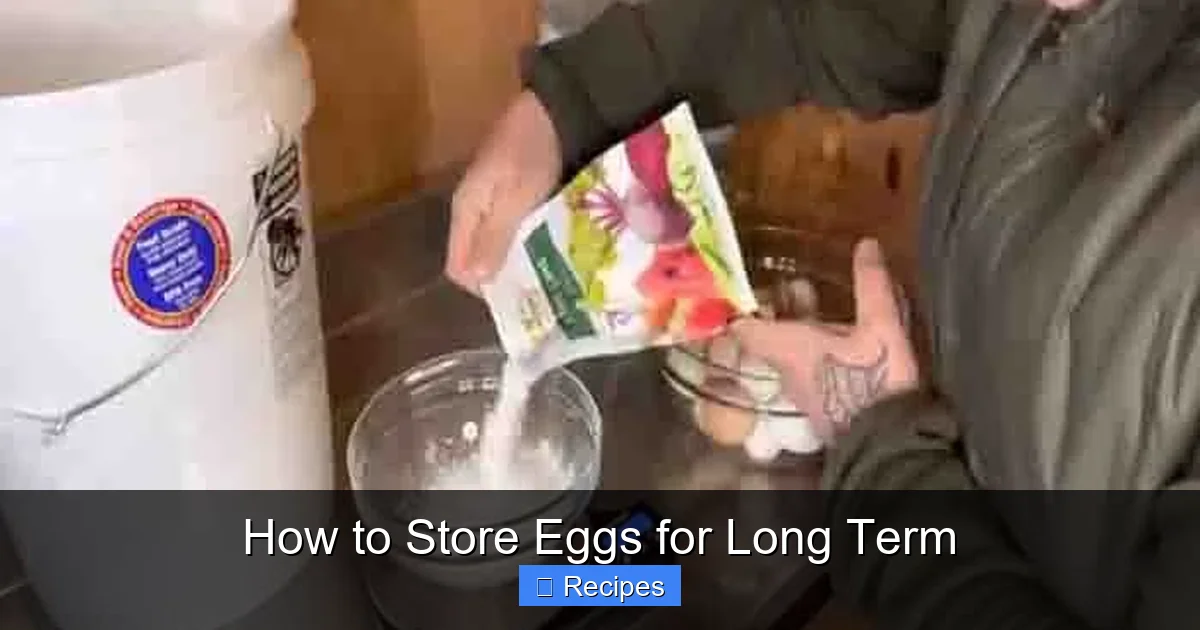
Before we dive into more complex methods, let’s perfect the art of refrigeration, which is the baseline for any egg storage strategy. The U.S. uniquely washes and refrigerates eggs, removing their natural protective bloom (a waxy coating). This makes refrigeration non-negotiable for commercial eggs. For unwashed, farm-fresh eggs with the bloom intact, refrigeration still significantly slows all degradation processes. Mastering this simple method can safely double or triple an egg’s typical shelf life.
Visual guide about How to Store Eggs for Long Term
Image source: diyjoy.com
Optimal Temperature and Placement: It’s All About Consistency
The magic number for egg storage is a consistent 35-40°F (1.7-4.4°C). Your fridge’s main body, not the door shelves, is the gold standard. The door is the warmest spot, subject to frequent temperature swings every time it’s opened. Store eggs in their original cardboard carton. This is crucial! The carton protects eggs from absorbing strong odors from other foods (like onions or leftovers) and, importantly, prevents moisture loss by cushioning the eggs and reducing air circulation around them. The carton’s label also helps you track the “sell-by” or pack date.
The Pointy End Down Rule and Why It Matters
Always store eggs with the pointy end down. The air sac resides in the broader, rounder end. Storing this end up keeps the air sac stable at the top, reducing pressure on the delicate membranes and yolk, helping the yolk stay centered and the overall structure intact for longer. It’s a small trick with a measurable impact on quality.
Practical Tip: If you’ve transferred eggs to a cute egg tray or a different container, use a permanent marker to lightly draw an arrow on the tray indicating “pointy end down” as a reminder for everyone in the household.
Shelf Life and The Float Test
With perfect refrigeration in a carton, you can expect high-quality eggs for 4-5 weeks from the pack date. After that, they’re perfectly safe for several more weeks but will be better for baking (where they’re mixed) than for frying or poaching where a thick, cohesive white is desired. To check an older egg’s viability, perform the float test. Place the egg in a bowl of cold water. If it sinks and lies flat on its side, it’s very fresh. If it stands upright on the bottom, it’s older but still usable (the large air sac keeps it buoyant). If it floats to the top, discard it—the air sac is too large, indicating significant age or spoilage.
Method 2: Freezing Eggs – A Year’s Supply in Your Freezer
Freezing is arguably the most effective and versatile method for long-term egg storage, allowing you to preserve eggs for 10-12 months with minimal quality loss for cooked applications. The critical rule: you cannot freeze eggs in their shells. Water expands when it freezes, and the shell cannot accommodate this expansion, leading to a messy, cracked explosion in your freezer. You must break the eggs out of their shells first. The process is simple, but the preparation determines your future usability.

Visual guide about How to Store Eggs for Long Term
Image source: diyjoy.com
Freezing Whole Eggs: The All-Purpose Approach
For general cooking and baking, scramble the eggs gently with a fork or whisk just until the yolks and whites are combined. Do not overbeat or incorporate air. For every 4 large eggs, add 1 teaspoon of sugar (for sweet recipes) or 1/4 teaspoon of salt (for savory dishes). This tiny addition prevents the eggs from becoming rubbery and helps them maintain a more palatable texture upon thawing by stabilizing the proteins. Pour the mixture into freezer-safe containers, ice cube trays (for single-serving portions), or heavy-duty freezer bags. If using bags, lay them flat to freeze, creating thin “egg sheets” easy to stack and break off portions from. Label with quantity and date.
Freezing Yolks and Whites Separately: For the Perfectionist
Sometimes you need just yolks for custards or just whites for meringues. Freezing them separately is easy but requires a stabilizer. For yolks, add 1/2 teaspoon of salt or 1 tablespoon of sugar per 4 yolks, then beat just to blend. For whites, you can freeze them plain, but adding a pinch of cream of tartar (1/8 tsp per 4 whites) can improve stability. Freeze in measured amounts (e.g., 4 yolks or 6 whites per container) so you can easily grab what a recipe calls for.
Thawing and Usage: No More Mystery Texture
Thaw frozen eggs overnight in the refrigerator or under cold running water. Never thaw at room temperature. Use them within 24 hours of thawing. They will be perfectly fine for scrambled eggs, quiches, cakes, cookies, and bread. However, note that the texture of a fried egg or a soft meringue will be compromised—the whites may be slightly thinner and won’t peak as firmly. Plan your frozen egg use accordingly: think “all mixed in” rather than “standalone.”
Pro Tip: Label your freezer containers not just with “Eggs” but with “Scrambled Mix (4 eggs, salted)” or “Yolks (6, for custard).” This saves immense time and guesswork later.
Method 3: Ancient & Modern Preservation – Coating and Water Glassing
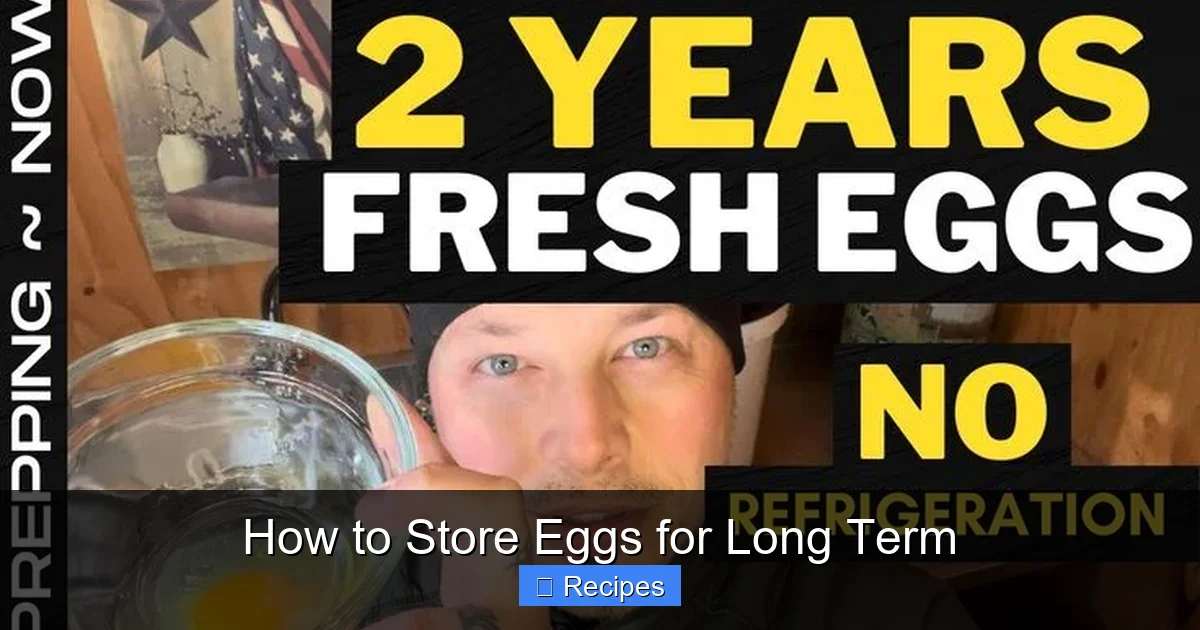
For centuries, before refrigeration, people used clever methods to keep eggs fresh at cool room temperature for months. These techniques work by restoring or mimicking the egg’s natural protective bloom, sealing the porous shell to prevent moisture loss and bacterial entry. They require starting with clean, unwashed, fresh eggs (ideally collected that day) and are not suitable for store-bought washed eggs, which have already had their bloom removed.
Visual guide about How to Store Eggs for Long Term
Image source: i.pinimg.com
Mineral Oil Coating: The Simple, Modern Shortcut
This is the most accessible preservation method. You’ll need 100% pure, food-grade mineral oil (available online or in pharmacies). Do not use vegetable oil, which can go rancid. Wear gloves. Warm the oil slightly (to the touch). Gently rub a thin, even coat over the entire eggshell, paying special attention to the ends. Place the oiled egg on a wire rack to drip for a few minutes, then store it in a clean carton or shallow box, pointy end down, in the coolest, darkest spot you have—a basement or cellar ideally around 50-55°F (10-13°C). Properly sealed eggs can last 3-6 months at room temperature.
Important Note: Before using a preserved egg, wash the shell with warm, soapy water to remove the oil and any potential contaminants. Always perform a float test, as the air sac will still enlarge over time.
Water Glassing (Sodium Silicate): The Time-Tested Technique
“Water glass” is the common name for a solution of sodium silicate, a mineral that creates an impermeable, glass-like seal over the shell when dried. This is a more involved but highly effective method, capable of preserving eggs for up to 5 months in a cool room. You mix a specific ratio of sodium silicate powder (from a supplier) with boiled, cooled water. Fresh, clean eggs are submerged entirely in the solution for 15-30 seconds, then removed and allowed to dry completely on racks. Once dry, they can be stored in the same solution in a sealed ceramic or glass crock, or removed and stored dry in a cool place. The key is using the correct, food-grade sodium silicate and maintaining a consistent, cool storage environment.
Safety Warning: Sodium silicate is a strong alkaline. Follow instructions precisely, wear gloves and eye protection during preparation, and ensure it is labeled and stored away from children and pets. This method is best for those committed to the process.
Method 4: Dehydrating and Pickling – Specialized Storage Paths
Not all long-term storage aims for a whole, intact egg. Two other powerful techniques transform eggs into entirely new, shelf-stable forms with long lives and distinct culinary roles.
Dehydrating Eggs: Powdered Protein Power
Dehydrating breaks eggs down into a lightweight, shelf-stable powder that can last 5-10 years in a sealed, oxygen-free container in a cool, dark pantry. You can dehydrate raw or cooked scrambled eggs. For raw, beat eggs thoroughly, pour thinly onto dehydrator trays lined with parchment paper (or fruit leather sheets), and dry at 145°F (63°C) for 6-12 hours until completely brittle and flaky. Grind the dried sheets into a fine powder using a blender or food processor. For cooked, scramble plain eggs until just set, crumble them onto trays, and dry. The cooked version rehydrates more reliably for dishes like scrambled eggs or omelets. Store the powder in a vacuum-sealed jar with an oxygen absorber. To use, whisk 1 tablespoon of powder with 2 tablespoons of water to replace one fresh egg.
Pickling Eggs: A Tangy, Long-Lasting Delicacy
Pickling in a vinegar solution creates an acid environment that inhibits bacterial growth, giving eggs a tangy flavor and a firm, rubbery texture. They are a classic bar snack or salad addition. Hard-boil and peel eggs first. Prepare a pickling brine of equal parts vinegar and water, with sugar and salt to taste, plus spices (mustard seeds, peppercorns, dill, chili flakes). Bring to a boil, simmer to dissolve sugar, then cool completely. Pack peeled eggs into a clean jar, pour cooled brine over them to cover completely, and seal. Refrigerate. They are edible after 1-2 weeks and can last 3-4 months in the fridge. The flavor intensifies over time. Note: this is a refrigerated method, not a room-temperature one.
Safety First: How to Identify Spoiled Eggs and Best Practices
No storage method is foolproof. A rigorous safety protocol is your best friend. First, always store eggs away from raw meat to prevent cross-contamination from Salmonella or other bacteria. Second, practice strict first-in, first-out (FIFO) rotation. Your newest eggs go behind the older ones. Third, label everything obsessively with the date and method.
The Sniff Test and Visual Inspection
A spoiled egg has a unmistakably sulfurous, rotten smell. This is the final and most reliable indicator. If an egg smells even slightly off when cracked, discard it immediately. Before cracking, inspect the shell for any cracks, sliminess, or powdery mold (which can appear as white, green, or black spots). Any compromised shell means the egg should be discarded, as the protective barrier is broken.
Understanding the Float Test Limitations
The float test is an excellent freshness gauge for refrigerated eggs but has limits for preserved or very old eggs. An egg preserved via oiling or water glassing will eventually develop a large air sac and may float, even if it’s still microbiologically safe due to the sealed shell. In these cases, your primary check is the smell after cracking. If it smells fine, it’s likely okay, but the texture may be very thin. When in doubt, especially with preserved eggs past their recommended timeframe, the safest choice is to discard.
Choosing Your Method: A Practical Decision Guide
With all these options, how do you choose? It depends on your resources, needs, and how you cook.
- For Everyday Use & 1-2 Month Buffer: Meticulous refrigeration is your best friend. Simple, no-prep, and maintains excellent quality for most uses.
- For Baking & Bulk Cooking (6-12 Month Supply): Freezing is the champion. It’s safe, predictable, and provides a huge quantity of pre-mixed egg product.
- For Room-Temperature Storage Without Power: Mineral oil coating is the easiest and safest bet for unwashed, fresh eggs. Ideal for off-grid situations or pantry storage.
- For the Ultimate Preparedness & Historical Method: Water glassing offers the longest room-temperature storage but requires more diligence and specific materials.
- For Long-Term Pantry & Backpacking: Dehydrated egg powder is lightweight, lasts for years, and is perfect for emergency kits or camping.
- For a Tangy Condiment: Pickling transforms eggs into a completely different, long-lasting food item with a specific use.
Remember, you can combine methods! You might refrigerate eggs for immediate use, freeze batches for baking, and preserve a few dozen fresh spring eggs in mineral oil for summer omelets. The key is understanding the “why” behind each technique so you can apply it with confidence and safety.
Conclusion: Your Egg-cellent Storage Strategy Awaits
Mastering how to store eggs for long term empowers you to take control of your kitchen, honor your food, and never be without this versatile staple. The journey starts with respecting the egg’s natural biology: protecting its porous shell, controlling temperature, and minimizing moisture loss. From the straightforward discipline of the refrigerator shelf to the ancient alchemy of water glassing, each method opens a door to greater self-sufficiency. Begin with the method that best fits your lifestyle—perhaps just committing to using a carton and the pointy-end-down rule. As your confidence grows, experiment with freezing a tray of scrambled eggs or trying your hand at mineral oil preservation. Always prioritize safety with clean handling, clear labeling, and the golden rule of “when in doubt, throw it out.” With these tools, you’ll not only reduce waste and save money but also gain a profound appreciation for one of nature’s most perfect foods, ensuring it serves you well for months to come.
Frequently Asked Questions
Can I store store-bought washed eggs using the oiling or water glassing methods?
No. Commercial eggs in the U.S. are washed, which removes their natural protective bloom. The coating methods rely on sealing that existing bloom or creating a new barrier. Without the bloom, bacteria can still enter the shell through the pores even if coated, making these methods unsafe for washed eggs. Stick to refrigeration for store-bought eggs.
What is the absolute maximum shelf life for eggs using any method?
For room-temperature preservation, properly water-glassed eggs can last up to 5 months in a consistently cool (50-55°F) environment. For freezing, eggs maintain best quality for 10-12 months but remain safe indefinitely if kept at 0°F. Refrigerated, unwashed eggs can last 3 months, while washed commercial eggs are best used within 4-5 weeks.
Do preserved or frozen eggs taste different than fresh ones?
Yes, but the difference is subtle and depends on the use. Frozen eggs, when thawed, have a slightly thicker, more cohesive texture and work perfectly in baked goods and scrambled eggs but are noticeable in fried eggs. Preserved eggs (oiled or water-glassed) maintain a very fresh taste and texture, almost indistinguishable from newly laid eggs when cooked, though the whites may become slightly thinner over many months.
Is it safe to eat an egg that has been stored for months if it doesn’t smell when cracked?
Generally, yes. A foul, sulfurous odor is the primary indicator of spoilage due to bacterial growth. If the egg smells completely neutral and normal when cracked, it is likely safe to eat, even if it’s several months old via preservation methods. However, the texture will be compromised (very thin whites), so it’s best used in baked goods where it will be mixed thoroughly.
What is the single best method for someone who bakes a lot?
For a baker, freezing is the undisputed champion. You can pre-portion scrambled egg mix (with a stabilizer) in ice cube trays, creating perfectly measured “egg cubes” for cookies, cakes, and pancakes. It provides a year-long supply of consistent, high-quality liquid egg that integrates seamlessly into batter and dough, eliminating the last-minute grocery run.
Can I use eggs from my backyard chickens for long-term storage without washing them?
3>
Absolutely, and they are ideal for long-term preservation methods. Unwashed eggs with their natural bloom intact are perfect for refrigeration, mineral oil coating, and water glassing. Gently brush off any visible dirt or debris with a dry cloth rather than washing, as washing can push bacteria through the shell and remove the bloom. Store these eggs pointy end down in the fridge immediately after collection for maximum freshness.
Pingback: How Long to Boil Eggs - kitchenandhouseware.com
Pingback: How Long Do Hard Boiled Eggs Last in Fridge - kitchenandhouseware.com
Pingback: How Long to Boil Eggs for Hard Boiled Eggs - kitchenandhouseware.com
Pingback: How Long to Boil Hard Boiled Eggs - kitchenandhouseware.com
Pingback: How to Boil Eggs for Deviled Eggs - kitchenandhouseware.com
Pingback: How Long to Boil Eggs for Deviled Eggs - kitchenandhouseware.com
Pingback: How Long Are Hard Boiled Eggs Good For - kitchenandhouseware.com
Pingback: How Long Can Eggs Be Left Out at Room Temperature Safely Usda - kitchenandhouseware.com
Pingback: How to Tell If Eggs Are Still Good - kitchenandhouseware.com
Pingback: How Long Do Boiled Eggs Last in Fridge - kitchenandhouseware.com
Pingback: How Long Can Hard Boiled Eggs Sit Out - kitchenandhouseware.com
Pingback: How Long to Hard Boil Eggs - kitchenandhouseware.com