Storing curry leaves properly is essential to preserve their vibrant aroma and flavor long after purchase. This guide reveals simple, effective techniques—from fridge crisper tricks to freezer and oil methods—to prevent waste and ensure your dishes always have that authentic, fresh curry leaf taste.
Key Takeaways
- Freshness is fleeting: Curry leaves lose their potent aroma quickly at room temperature, typically within 2-3 days, making proper storage critical.
- Refrigeration is the first line of defense: Stored correctly in the fridge, fresh curry leaves can last 1-2 weeks, significantly extending their shelf life.
- Freezing is for long-term storage: For storage beyond a few weeks, freezing—either loose or in oil—preserves flavor for up to 6 months with minimal loss.
- Drying is a traditional alternative: Air-drying or oven-drying creates a shelf-stable product, though the flavor profile shifts to more earthy, less citrusy notes.
- Infusion in oil is a dual-purpose method: Curry leaf oil infusions store well in the fridge and provide an instant flavor booster for cooking.
- Always handle with care: Gentle handling, dry leaves, and airtight containers are universal rules regardless of the storage method chosen.
📑 Table of Contents
Why Properly Storing Curry Leaves Matters
You’ve just bought a beautiful, fragrant bunch of fresh curry leaves. Their citrusy, slightly bitter, and unmistakably aromatic promise to elevate your dal, chutney, or tadka. But that promise fades alarmingly fast. Left on the counter, those precious leaves wilt, turn black, and lose their magic in just a couple of days. This isn’t just about preventing waste; it’s about preserving a cornerstone of flavor in countless South and Southeast Asian dishes. Learning how to store curry leaves correctly is a small kitchen skill that pays massive dividends in the taste of your cooking. It transforms a perishable herb into a reliably available pantry staple, ensuring you can add that final fragrant touch to your meals anytime.
The Enemy of Curry Leaves: Moisture and Time
The primary culprits behind spoiled curry leaves are moisture and time. Moisture accelerates decay and mold, while time allows the volatile essential oils responsible for their signature aroma to evaporate. The goal of any storage method is to combat these two enemies: by keeping the leaves dry and protecting their delicate oils from air and temperature fluctuations. Whether you have a small bunch from the market or a large harvest from your garden, the principles remain the same.
Method 1: Refrigeration for Short-Term Freshness
For most home cooks, the refrigerator is the go-to solution for keeping curry leaves fresh for about a week to ten days. The cool, consistent temperature slows down decomposition without freezing the leaves, which can damage their cellular structure and texture. The key to success here is creating the right micro-environment inside your fridge.
Visual guide about How to Store Curry Leaves
Image source: pipingpotcurry.com
The Towel and Container Method
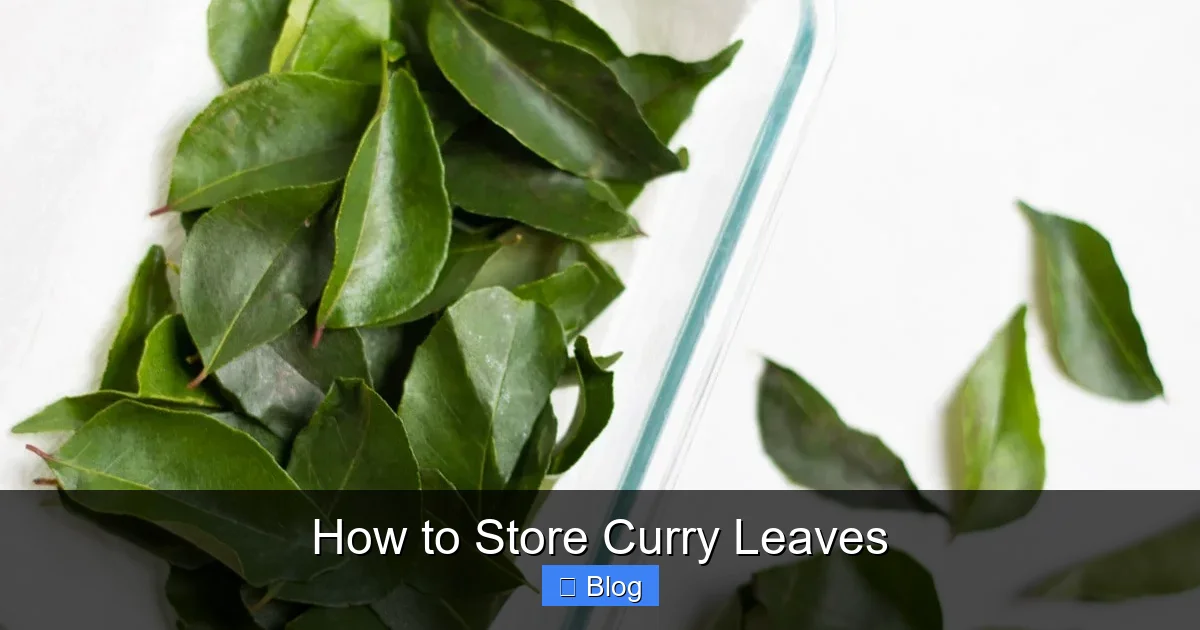
This is the most reliable refrigerator technique. Start by ensuring your leaves are completely dry. If they are damp from washing, pat them gently but thoroughly with a paper towel or a clean kitchen cloth. Next, line a small, airtight container (like a plastic or glass lunchbox) with a dry paper towel. Place the curry leaf sprigs on top, then cover them with another dry paper towel. This双层 paper towel system absorbs any residual moisture that might escape from the leaves, preventing them from sitting in their own dampness. Seal the container tightly and place it in the crisper drawer of your refrigerator, which is designed to maintain optimal humidity for produce.
The Plastic Bag with a Twist
If you don’t have a suitable container, a plastic bag can work in a pinch. Place the dry leaves in a resealable plastic bag, but do not seal it completely. Instead, press out as much air as possible and seal it, leaving about a one-inch gap. This allows for minimal air exchange while protecting the leaves. Alternatively, you can loosely tie the top of the bag. Store this bag in the crisper drawer. Check on the leaves every few days, removing any that show signs of yellowing or sliminess to prevent them from spoiling the rest.
Method 2: Freezing for Long-Term Flavor Preservation
When you have a bounty of curry leaves or won’t be using them within a week or two, freezing is your best bet. When done correctly, freezing can lock in flavor for up to six months. The process involves stopping enzymatic activity and decay in their tracks. There are two primary freezing methods, each with its own advantages.
Visual guide about How to Store Curry Leaves
Image source: pipingpotcurry.com
Freezing Leaves Loose (The Tray Method)
This method is perfect for having individual leaves ready to pop into a hot pot. First, remove the leaves from their stems. You can do this by running your fingers down the stem against the direction of growth. Spread the clean, completely dry leaves in a single layer on a baking sheet or tray lined with parchment paper. Ensure they are not touching. Place the tray in the freezer for 2-3 hours, or until the leaves are solid. Once frozen, quickly transfer the leaves to a labeled, airtight freezer bag or a small freezer-safe container. Squeeze out all excess air before sealing. This prevents freezer burn and allows you to grab just a few leaves without thawing the entire batch.
Freezing in Oil (The Flavor-Infused Cubes)
This is perhaps the most ingenious and useful method. It creates a ready-to-use flavor concentrate. Gently heat a neutral oil (like grapeseed or light olive oil) in a small pan—do not let it smoke. Add a generous amount of fresh curry leaves and let them sizzle for just 30-60 seconds until they become fragrant and slightly crisp. Turn off the heat and let the leaves cool in the oil. Once cool, you can either:
- Pour the entire mixture into an ice cube tray: Freeze until solid. Once frozen, transfer the curry leaf oil cubes to a freezer bag. Each cube is a perfect portion for a tadka or to stir into a soup.
- Store the entire infused oil in a small jar: Keep it in the refrigerator. The leaves will stay preserved in the oil, and you can scoop out leaves as needed or use the oil itself for cooking.
The oil protects the leaves’ oils from freezer burn and creates a versatile product. The infused oil can be used for sautéing, drizzling, or finishing dishes.
Method 3: Drying for a Shelf-Stable Pantry Item
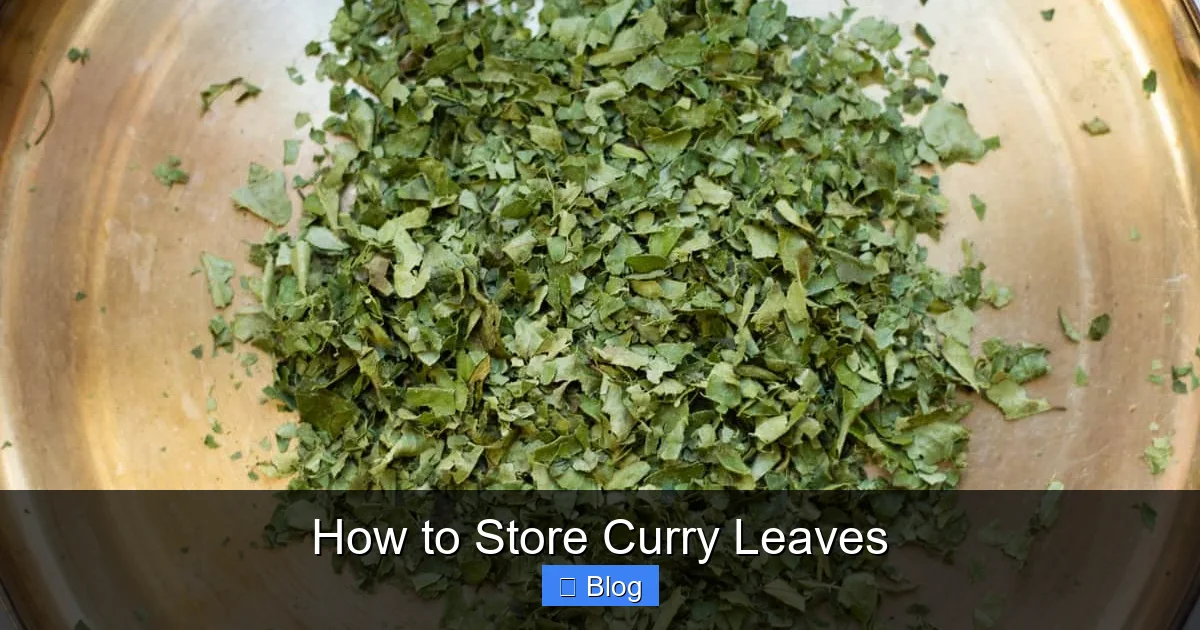
Drying curry leaves is a traditional preservation technique that yields a product with a longer shelf life but a different flavor character. Dried curry leaves are darker, more brittle, and their aroma is less bright and citrusy, becoming more earthy and nutty. They are excellent for grinding into spice blends or adding to slow-cooked stews where their flavor can rehydrate and infuse.

Visual guide about How to Store Curry Leaves
Image source: tastingtable.com
Air-Drying
This is the simplest method. Tie small bundles of fresh curry leaves (still on their stems) together with kitchen string. Hang these bundles upside down in a warm, dry, dark, and well-ventilated area—a pantry, cupboard, or garage works well. Direct sunlight can degrade the color and flavor, so darkness is key. After 1-2 weeks, the leaves should be crisp and brittle. Strip them from the stems and store the dried leaves in an airtight glass jar in a cool, dark pantry. They will keep for 6-12 months.
Oven or Dehydrator Drying
For a faster, more controlled process, use your oven or a food dehydrator. Preheat your oven to its lowest setting (usually 170-200°F / 75-90°C). Remove leaves from stems and spread them in a single layer on a baking sheet. Place in the oven and prop the door open slightly with a wooden spoon to allow moisture to escape. Check every 15-20 minutes, stirring gently. The leaves are ready when they are crisp and break easily. This process can take 30 minutes to an hour. Store as above.
Method 4: The Curry Leaf Oil Infusion (A Pantry Hero)
We touched on this in the freezing section, but the oil infusion method deserves its own spotlight as a standalone storage technique, separate from freezing. A jar of curry leaf-infused oil in your fridge is a culinary secret weapon. It’s incredibly easy to make and use.
To make it, gently heat 1 cup of your preferred cooking oil over low heat. Add 1-2 cups of fresh curry leaves (stems are fine). Let them sizzle gently for 3-5 minutes, until the leaves are dark green and very fragrant. Do not let the oil smoke. Remove from heat and allow to cool completely. Using a slotted spoon, you can remove the leaves if you prefer a clear oil, or leave them in for a more intense, rustic infusion. Pour the oil and leaves into a clean, dry glass jar with a tight-fitting lid. Store it in the refrigerator. The oil will keep for 1-2 months, and the preserved leaves will be soft and full of flavor, perfect for mashing into pastes or stirring into dishes at the end of cooking.
Troubleshooting and Pro-Tips for Success
Even with the best methods, a few things can go wrong. Here’s how to ensure success every time.
Always Start with the Best Leaves
Storage can’t improve poor quality. Select curry leaves that are bright green, firm, and aromatic. Avoid any with black spots, significant yellowing, or a slimy feel. If you buy them in a plastic clamshell, transfer them immediately to your chosen storage method.
The Cardinal Rule: Dryness
This cannot be stressed enough. Any surface moisture on the leaves will lead to rapid spoilage in the fridge and freezer burn in the freezer. If you wash them, wash them well ahead of time and let them air-dry completely on a clean kitchen towel, or pat them meticulously dry before storage.
Label Everything
Especially when freezing, label your bags or containers with the date and contents. Curry leaves frozen in June will look identical to ones frozen in January. A simple piece of masking tape and a marker saves future confusion.
How to Tell if They’ve Gone Bad
For refrigerated leaves: discard any that are black, slimy, or have a sour, unpleasant smell instead of their usual fresh, citrusy aroma. For frozen leaves: if they have white freezer burn spots or smell stale when opened, it’s time to toss them. For dried leaves: if they are not brittle or have lost all smell, their flavor is gone.
Conclusion
Mastering how to store curry leaves is a simple yet transformative kitchen skill. It bridges the gap between having a fleeting, perishable ingredient and having a reliable, flavor-packed tool at your disposal. Whether you choose the short-term reliability of the refrigerator, the long-term security of the freezer, the earthy charm of dried leaves, or the dual-purpose magic of oil infusion, you are taking a stand against food waste and for superior flavor. The next time you have that fragrant bunch in hand, don’t let it wilt on the counter. Take a few minutes to store it properly using one of these methods. Your future self, reaching into the freezer for a handful of vibrant leaves to finish a pot of sambar, will thank you. That final, fragrant sprinkle is what makes a dish feel complete and authentically homemade.
Frequently Asked Questions
Can I store curry leaves at room temperature?
No, curry leaves wilt and lose their aroma very quickly at room temperature, usually within 2-3 days. For any storage beyond immediate use, refrigeration or freezing is necessary to preserve their flavor and prevent spoilage.
What is the best way to store curry leaves for the longest time?
Freezing is the best method for long-term storage, preserving peak flavor for up to 6 months. For even longer storage with a flavor shift, drying them is effective, keeping them usable for 6-12 months in a cool, dark pantry.
Should I wash curry leaves before storing them?
Only wash them if they are visibly dirty, and if you do, ensure they are completely dry before storing. Moisture is the biggest cause of spoilage. Often, it’s best to store them unwashed and give them a quick rinse just before use.
Can I store curry leaves with their stems?
Yes, you can store them with stems attached, especially when using the refrigerator’s towel method. However, for freezing loose leaves, it’s easier to remove the leaves from the stems first. Stems can be frozen along with the leaves if desired.
How can I tell if my stored curry leaves have gone bad?
Signs of spoilage include black or dark brown spots, a slimy or mushy texture, and a sour or off smell instead of a fresh, citrusy aroma. For dried leaves, a loss of all fragrance and flexibility means they have lost their flavor.
Are dried curry leaves as good as fresh?
They are different, not necessarily better or worse. Dried curry leaves have a more concentrated, earthy, and nutty flavor, while fresh leaves offer a brighter, more citrusy and pungent aroma. Dried leaves are excellent for grinding into spice blends or adding early in cooking to infuse oil and broth.

Pingback: Bay Leaves - kitchenandhouseware.com
Pingback: Vindaloo Curry - kitchenandhouseware.com