Storing cooked shrimp properly is crucial for food safety and maintaining its delicate texture and flavor. The key is to cool it quickly and store it in an airtight container in the refrigerator for short-term use or the freezer for longer storage. Following simple steps ensures your leftover shrimp stays tasty and safe to eat for its recommended shelf life.
Key Takeaways
- Cool Quickly: Always cool cooked shrimp to room temperature within two hours before refrigerating or freezing to prevent bacterial growth.
- Airtight is Essential: Use密封 containers or heavy-duty freezer bags to prevent freezer burn and absorb odors from other foods.
- Refrigeration is Short-Term: Properly stored cooked shrimp will last 3-4 days in the refrigerator at or below 40°F (4°C).
- Freezing Extends Life: For storage beyond 4 days, freeze cooked shrimp. It will maintain best quality for about 2-3 months.
- Thaw Safely: Thaw frozen shrimp in the refrigerator overnight or under cold running water. Never thaw at room temperature.
- Trust Your Senses: Discard shrimp if it has a sour or ammonia-like smell, a slimy texture, or any discoloration.
- Label and Date: Always label containers with the storage date to keep track of freshness and avoid waste.
📑 Table of Contents
Why Proper Shrimp Storage is Non-Negotiable
You’ve just finished a magnificent shrimp scampi or a succulent boil, and there are leftovers. That’s a win! But that victory can quickly turn into a food safety hazard or a culinary disappointment if you don’t handle those precious crustaceans correctly. Shrimp, like all seafood, is highly perishable. Its delicate flesh and natural moisture content make it a prime target for bacteria like Salmonella and Vibrio if left at unsafe temperatures.
Proper storage isn’t just about preventing illness; it’s about preserving the precious texture and sweet, briny flavor you worked hard to achieve. Improperly stored shrimp can become rubbery, watery, and develop off-flavors by absorbing smells from your fridge. Think of your refrigerator not as a tomb for food, but as a pause button. The goal is to hit that pause button quickly and effectively, so when you press play again (i.e., reheat), your shrimp tastes almost as good as it did fresh. Mastering this simple skill saves money, reduces waste, and ensures every bite of your leftover shrimp is a pleasure, not a risk.
The Golden Rule: Cool It Down, Fast!
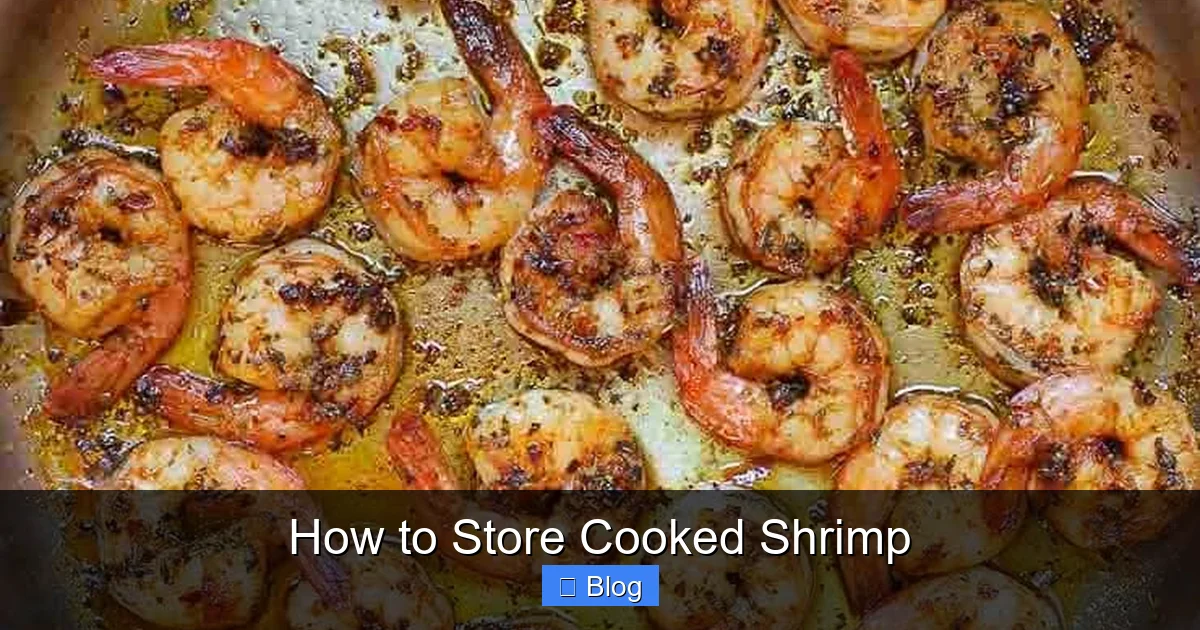
Before we talk about containers and shelves, we must address the most critical step: cooling. The “Danger Zone” for food is between 40°F and 140°F (4°C and 60°C). In this range, bacteria multiply most rapidly. Leaving cooked shrimp out on the counter for a leisurely post-dinner chat is a recipe for trouble.
Visual guide about How to Store Cooked Shrimp
Image source: valuablekitchen.com
The Two-Hour Window
Here’s the hard rule: cooked shrimp should not sit at room temperature for more than two hours. If your kitchen is sweltering (above 90°F or 32°C), that window shrinks to just one hour. This isn’t a suggestion; it’s a food safety imperative. After your meal, get those shrimp into the fridge within this timeframe.
How to Cool Shrimp Rapidly
You can’t just drop a hot pot of shrimp into the fridge. That raises the internal temperature of your fridge, endangering all its other contents. Instead, use these rapid-cooling techniques:
- Divide and Conquer: Spread the shrimp out in a single layer on a wide, shallow baking sheet or plate. This increases the surface area exposed to air, speeding up cooling.
- Ice Bath Shock: For shrimp still in a hot liquid (like a boil or sauce), place the pot in a larger bowl or sink filled with ice water. Stir gently to release heat. Once the liquid is lukewarm, drain the shrimp and proceed.
- Portion It Out: Instead of storing one giant mass, divide the shrimp into smaller, meal-sized portions in their storage containers. Smaller portions cool much faster.
Once the shrimp have reached room temperature (no longer warm to the touch), they are ready for their next destination: the refrigerator or freezer.
Refrigeration: For the Short-Term Feast (3-4 Days)
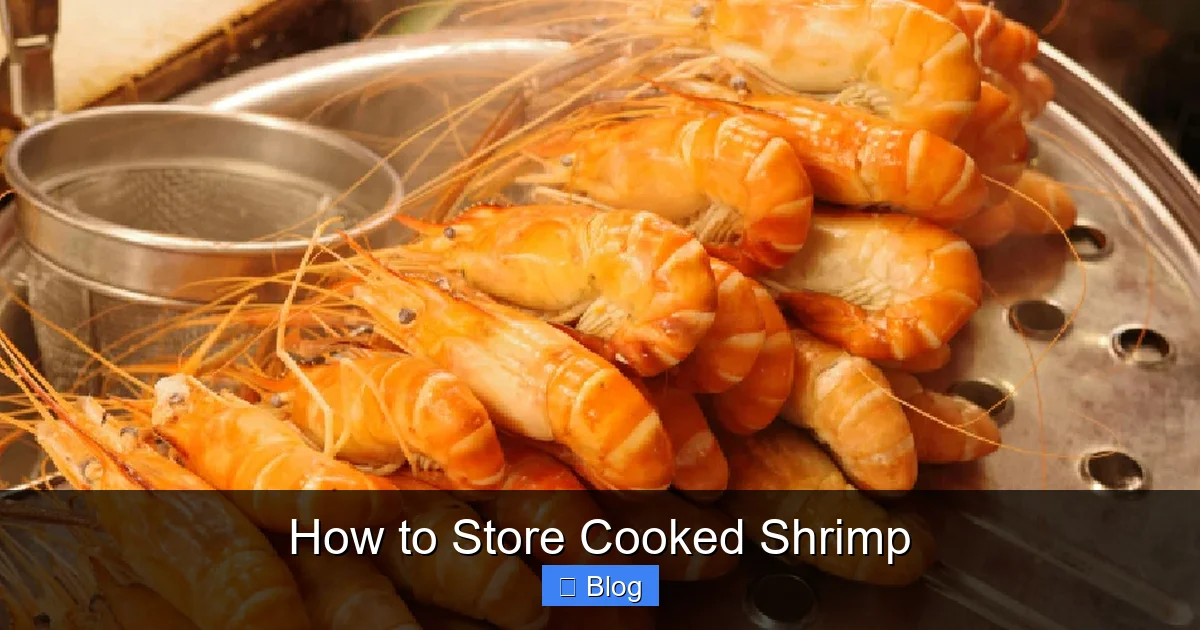
Refrigeration is your go-to for shrimp you plan to enjoy within the next few days. The goal is to create a cold, moist, and sealed environment that mimics the ocean’s preservation but without the spoilage.
Visual guide about How to Store Cooked Shrimp
Image source: thekitchenix.com
Choosing the Right Container
The container is your shrimp’s best friend or worst enemy. Avoid these common mistakes:
- Don’t use the original takeout container: These are often not airtight and can leak.
- Avoid just covering a bowl with plastic wrap: It’s rarely a perfect seal and can easily puncture.
Ideal choices are:
- Glass or BPA-free plastic containers with locking lids and silicone seals. These provide a true airtight and liquid-tight seal.
- High-quality reusable silicone bags. They are flexible, seal perfectly, and save space.
- Heavy-duty freezer bags (for fridge storage too!). Press out all excess air before sealing.
The Liquid Dilemma: To Sauce or Not to Sauce?
This is a frequent point of confusion. Should you store shrimp in their sauce or drained?
- If the shrimp are in a creamy or buttery sauce: It’s generally best to store them together. The sauce helps prevent the shrimp from drying out and absorbing other odors. Ensure the sauce also cools quickly.
- If the shrimp are dry (grilled, boiled, or sautéed plain): Store them in a single layer with a damp paper towel placed on top. The slight moisture helps prevent them from drying out. You can also toss them very lightly with a teaspoon of neutral oil.
- If the shrimp are in a tomato-based or acidic sauce: The acid can start to affect the texture over time. For storage beyond 24 hours, consider draining the shrimp and storing the sauce separately, combining them when reheating.
Always let the shrimp and any accompanying sauce cool completely before sealing the container. Warm food creates condensation, which leads to sogginess and faster spoilage.
Freezing Cooked Shrimp: Your Long-Term Solution
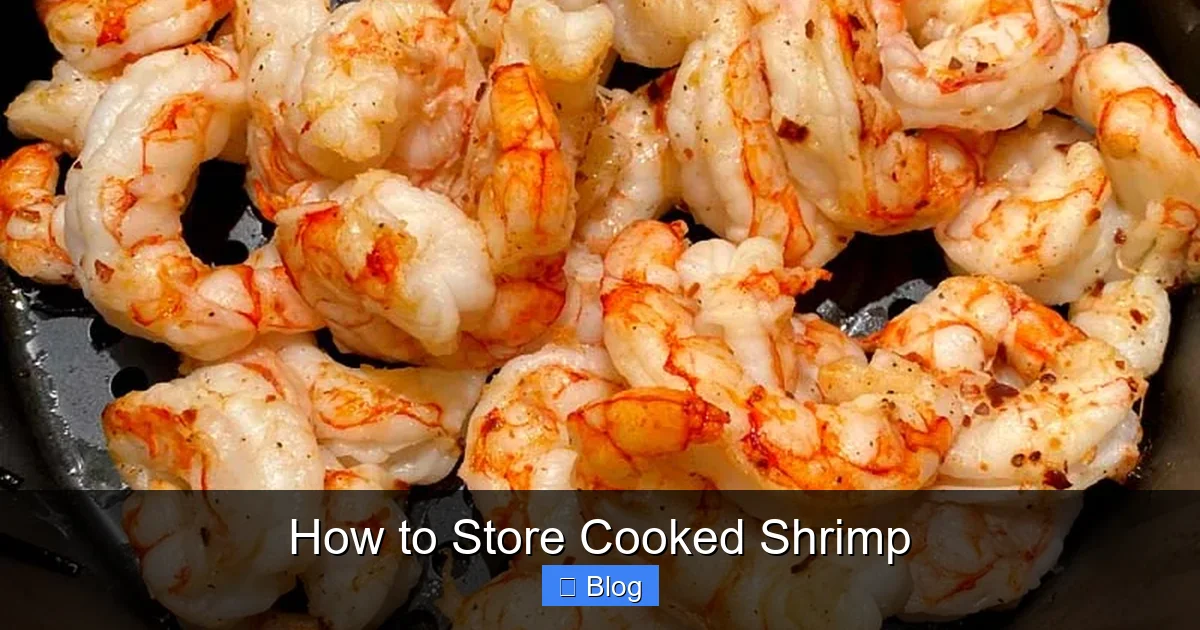
Freezing is the ultimate preservation method, stopping bacterial growth in its tracks. Done correctly, frozen cooked shrimp can be a fantastic convenience item. The key is to protect it from freezer burn—that dry, leathery, discolored patch caused by air exposure and dehydration.
Visual guide about How to Store Cooked Shrimp
Image source: melaniecooks.com
Preparation is Key: The Flash-Freeze Method
Never just plop warm, clumped shrimp into a freezer bag. You’ll end up with a solid block of shrimp-popsicle that you’ll have to thaw entirely to use a few. Follow this method for perfect, individually quick-frozen (IQF) shrimp:
- Cool Completely: Ensure your cooked shrimp are completely cooled to room temperature.
- Dry Gently: Pat the shrimp dry with a paper towel. Surface moisture will form ice crystals.
- Pre-Freeze: Spread the shrimp in a single layer on a parchment-lined baking sheet. Place this sheet in the freezer for 1-2 hours, or until the shrimp are firm and frozen solid individually.
- Bag and Seal: Transfer the frozen shrimp to a heavy-duty freezer bag or a vacuum-sealed bag. Squeeze out all air before sealing. For extra protection, you can double-bag them.
- Label: Write the contents and the date on the bag with a permanent marker. “Cooked Shrimp – 10/26/2023” is infinitely more helpful than a mystery bag.
Portioning for Future Meals
Think about how you’ll use the shrimp. Freezing them in meal-sized portions (e.g., ½ cup or 1 cup bags) is a game-changer. It allows you to grab exactly what you need for a quick pasta or salad without thawing the entire batch. This practice reduces waste and keeps the remaining shrimp perfectly frozen.
The Thaw: Bringing Your Shrimp Back to Life
How you thaw frozen cooked shrimp is just as important as how you froze it. Improper thawing can ruin texture and reintroduce bacteria.
The Gold Standard: Refrigerator Thawing
This is the safest, most recommended method. Simply move the bag or container of frozen shrimp from your freezer to your refrigerator. Allow 8-12 hours or overnight for a full bag to thaw completely. The shrimp will stay at a safe, cold temperature (below 40°F) the entire time. Plan ahead—this method requires patience but yields the best texture.
The Quick Method: Cold Water Thawing
When you need shrimp sooner, this is your best bet.
- Ensure the shrimp is in a sealed, leak-proof bag (no water should get in!).
- Submerge the bag in a large bowl of cold tap water.
- Change the water every 30 minutes to keep it cold.
- Small portions should thaw in 1-2 hours.
Never use warm or hot water, as this will cook the exterior of the shrimp while the interior remains frozen, creating a breeding ground for bacteria and leading to a mushy texture.
What NOT To Do
- Do NOT thaw on the countertop. This is the fastest way to enter the Danger Zone.
- Do NOT thaw in the microwave. Unless you are using the shrimp immediately in a cooked dish, this will unevenly cook the shrimp, making them tough and rubbery.
Once thawed, use the shrimp within 1-2 days. Do not refreeze thawed cooked shrimp unless it has been cooked again first.
Shelf Life, Safety, and Spotting Spoilage
Knowing how long your shrimp will last and how to tell if it’s gone bad is the final piece of the storage puzzle.
Timeline at a Glance
- Refrigerator (40°F/4°C or below): 3-4 days maximum. This is the firm recommendation from food safety authorities.
- Freezer (0°F/-18°C or below): For best quality, use within 2-3 months. While technically safe indefinitely if kept frozen, quality degrades over time due to ice crystals and oxidation.
Trust Your Senses: The Sniff and Feel Test
When in doubt, throw it out. Before using stored shrimp, perform this quick check:
- Smell: Fresh and cooked shrimp should have a clean, slightly salty, oceanic scent. Discard immediately if it smells sour, ammonia-like, or just generally “off.” The smell of spoilage is unmistakable and unpleasant.
- Texture: Shrimp should be firm and springy. If it feels slimy, sticky, or mushy, it has spoiled.
- Appearance: Look for any dark spots, discoloration (especially a blackening), or a dull, faded color. While some slight discoloration can occur in frozen shrimp, pronounced changes are a red flag.
If you have any hesitation, it is not worth the risk. Food poisoning from spoiled seafood can be severe. When reheating, ensure the shrimp reaches an internal temperature of 165°F (74°C) to kill any potential pathogens.
Frequently Asked Questions
Can you store cooked shrimp in the shell?
Yes, you can store cooked shrimp in the shell, and it can actually help protect the meat from drying out. However, the shell can also trap moisture and make cooling slower. If storing in the shell, be extra diligent about the two-hour cooling rule and ensure they are in a single layer in an airtight container. Peeling before storage is often easier for future meal prep.
What’s the best way to reheat stored cooked shrimp?
The goal is to warm them through without overcooking. The best methods are gentle: sauté in a pan with a little butter or oil over medium-low heat, steam for a minute or two, or add them directly to a hot sauce or soup at the end of cooking. Avoid high-heat methods like the microwave or broiler, which will make them tough and rubbery. Heat just until they are warm and opaque.
Can you refreeze cooked shrimp after thawing?
It is not recommended to refreeze thawed cooked shrimp unless it has been cooked again first. Thawing in the refrigerator allows some moisture (and potential bacteria) to be released. Refreezing without a second cooking can lead to a significant loss of texture and quality, and increases food safety risks. If you have a large thawed portion, cook it into a new dish (like a shrimp fried rice or pasta) and then freeze that finished meal.
How can you tell if frozen cooked shrimp has gone bad?
Check for signs of freezer burn (white, dry, leathery patches) and ice crystals (large crystals indicate temperature fluctuations). While minor freezer burn doesn’t necessarily mean it’s unsafe, it will severely degrade texture and flavor. Upon thawing, perform the smell and texture test. If it has any sour or ammonia odor or a slimy feel, discard it regardless of how it looked frozen.
Is it safe to store cooked shrimp with other foods in the fridge?
Yes, but with caution. Always store cooked shrimp on a higher shelf than raw meats and seafood to prevent any drips from contaminating it. Ensure its container is truly airtight to prevent its strong odor from being absorbed by other foods like dairy, fruits, or ready-to-eat items.
What if I left cooked shrimp out overnight?
Discard it. This is a clear food safety risk. Leaving cooked shrimp at room temperature for more than two hours (or one hour in hot weather) allows dangerous bacteria to multiply to levels that can cause foodborne illness. Reheating will not destroy all toxins produced by these bacteria. It is not worth the risk to your health.
Pingback: Boil Shrimp - kitchenandhouseware.com