Need a tighter fit for your dishwasher? Learn How to Shorten Dishwasher Drain Hose quickly with simple tools, clear steps, and safety tips. Follow our friendly guide and avoid leaks forever.
Key Takeaways
- Measure twice, cut once: Accurate measurement prevents waste and ensures a leak‑free connection.
- Use the right tools: A tube cutter or sharp utility knife gives a clean cut for easy re‑attachment.
- Secure with a clamp: A hose clamp guarantees a tight seal after shortening.
- Check for kinks: Proper hose length avoids bends that can trap water or cause blockages.
- Test before final install: Run a short cycle to confirm there are no leaks.
- Safety first: Turn off power and water supply to protect yourself and the appliance.
- Consider a replacement: If the hose is old or damaged, replace it instead of cutting.
📑 Table of Contents
Introduction: Why Shortening the Drain Hose Matters
When you first install a dishwasher, the factory‑installed drain hose often hangs longer than needed. That extra length can create loops, kinks, or even a tripping hazard under the sink. Over time, a sagging hose may collect debris, cause water to pool, or develop leaks that damage cabinets.
Shortening the hose is a quick fix that improves both the look and performance of your appliance. It’s a DIY task that most homeowners can finish in under an hour, provided they follow a few simple steps. In this guide, we’ll walk you through everything you need to know How to Shorten Dishwasher Drain Hose safely, efficiently, and without special plumbing experience.
Tools and Materials You’ll Need
Essential Tools
- Tube cutter or sharp utility knife: Gives a clean, straight cut.
- Adjustable hose clamp (size 1‑½” to 2”): Secures the re‑connected hose.
- Measuring tape or ruler: For accurate length measurement.
- Marker or grease pencil: To mark the cut line.
- Bucket or towels: To catch any water during the process.
Optional but Helpful
- Replacement hose (if the existing one is old or cracked).
- Plumber’s tape (Teflon tape) for extra sealing.
- Safety gloves and goggles.
Step‑by‑Step Guide: How to Shorten Dishwasher Drain Hose
1. Prepare the Work Area
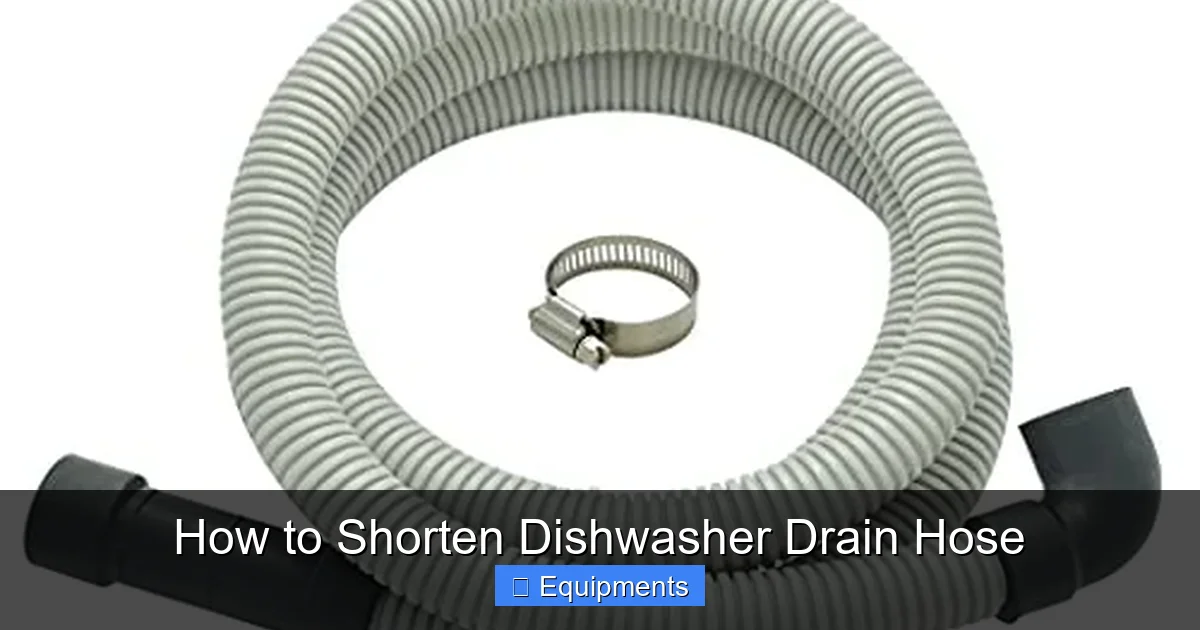
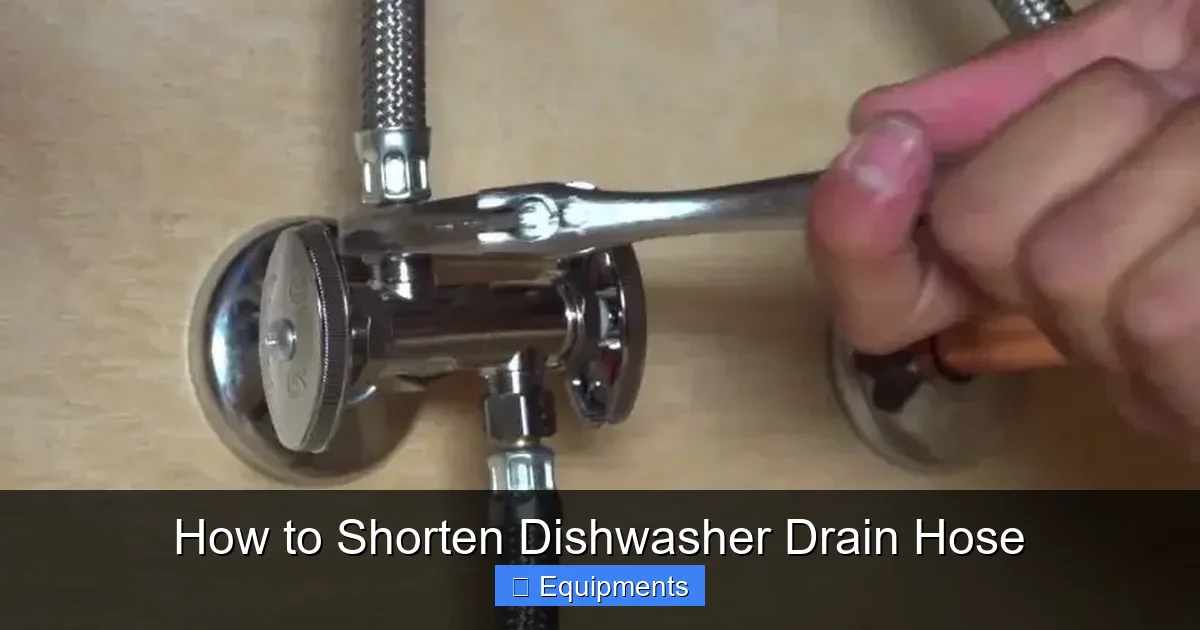
First, turn off the dishwasher’s power at the circuit breaker and shut off the water supply. This prevents accidental shocks or water spills. Pull the dishwasher out just enough to access the back, then place a bucket or towels beneath the hose to catch any residual water.
Visual guide about How to Shorten Dishwasher Drain Hose
Image source: m.media-amazon.com
Visual guide about How to Shorten Dishwasher Drain Hose
Image source: powersadvisor.com
2. Measure the Desired Length
Locate the point where the hose will connect to the sink’s drain or garbage disposal. Measure from that connection point back toward the dishwasher, leaving a little extra (about 2‑3 inches) to allow for a comfortable bend and the clamp.
Mark the hose with your marker at the measured spot. Double‑check the measurement; a small error can mean cutting too much.
3. Cut the Hose Cleanly
Using a tube cutter is ideal because it scores the hose evenly and prevents crushing. If you don’t have a tube cutter, a sharp utility knife works well—just make a smooth, steady cut. Rotate the hose while cutting to keep the line straight.
After the cut, inspect the end. It should be smooth and free of frayed fibers. If needed, trim a little more to achieve a clean edge.
4. Re‑attach the Hose
Slide the hose back into the dishwasher’s drain outlet until it seats firmly. Then position the other end into the sink drain or disposal inlet. Make sure the hose isn’t twisted or kinked.
Place the adjustable hose clamp over the connection point, then tighten it by hand until snug. Use a screwdriver or a small wrench for a final firm tighten—just enough to stop any movement, but not so tight that it crushes the hose.
5. Test for Leaks
Push the dishwasher back into place, restore power and water, and run a short wash cycle. Watch the connections closely. If you see any drips, turn off the power, tighten the clamp a bit more, and retest.
6. Finish Up
Once you’re confident there are no leaks, replace any panels you removed and slide the dishwasher fully back into its cabinet. Clean up any water and store your tools.
Common Mistakes to Avoid
Cutting Too Much
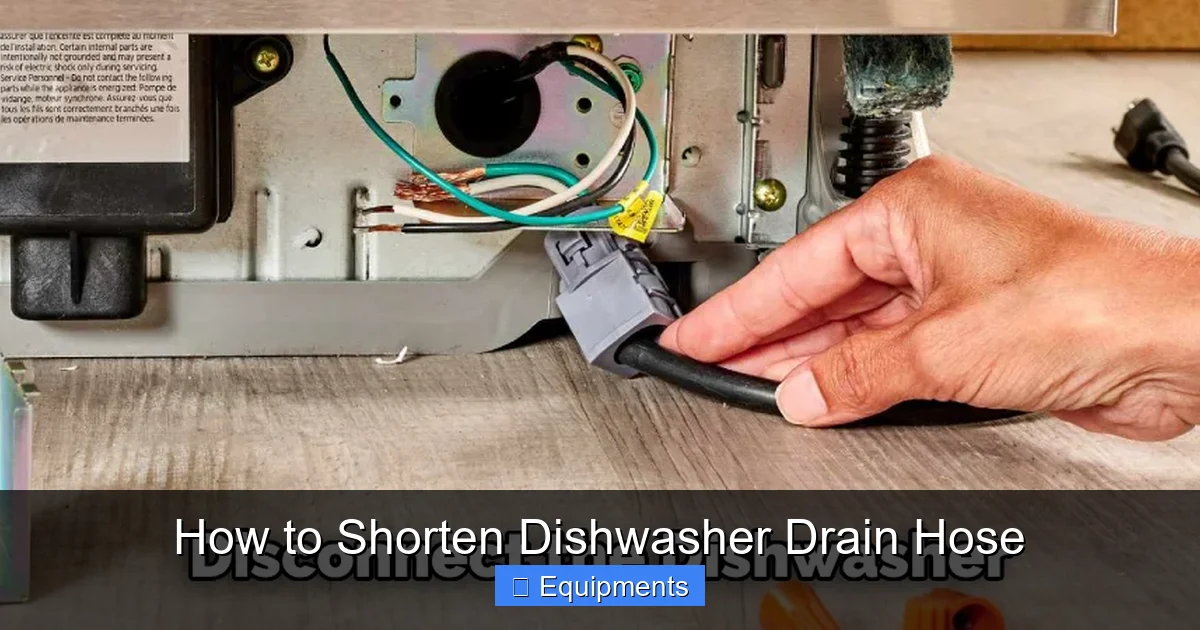
It’s tempting to trim a little extra for a perfect fit, but once the hose is shortened, you can’t add length back. Always leave a few inches of slack.
Visual guide about How to Shorten Dishwasher Drain Hose
Image source: thekitchenix.com
Using the Wrong Clamp Size
A clamp that’s too small will damage the hose; one that’s too large won’t seal properly. Measure the hose diameter and choose a clamp that matches.
Ignoring Kinks
A hose that bends sharply can restrict water flow and cause pooling. After shortening, arrange the hose in a gentle curve.
Skipping the Leak Test
Even a tiny drip can lead to water damage over time. Always run a test cycle before sealing everything permanently.
When to Replace Instead of Shorten
If the existing drain hose shows signs of wear—cracks, hardening, or discoloration—it’s safer to replace it. A new hose ensures a reliable seal and may be more cost‑effective than repeatedly repairing an old one.
Replacement hoses are inexpensive and come in standard lengths. You can buy a pre‑cut hose that matches your dishwasher model, which eliminates the need for cutting altogether.
Tips for a Professional Finish
- Use plumber’s tape: Wrap a few turns around the connector before clamping for an extra barrier against leaks.
- Route the hose neatly: Tuck it behind the countertop or inside the cabinet to keep the kitchen looking tidy.
- Secure with zip ties: After the clamp, a zip tie can hold the hose in place and prevent movement.
- Label the hose: A small tag helps future DIYers know it was shortened and when it was done.
Conclusion: A Small Cut for Big Peace of Mind
Knowing How to Shorten Dishwasher Drain Hose empowers you to keep your kitchen dry, quiet, and looking great. The process is straightforward: measure, cut, clamp, and test. With the right tools and a little patience, you’ll avoid leaks, eliminate unsightly loops, and extend the life of your dishwasher.
Remember to always prioritize safety—turn off power and water, wear gloves, and double‑check your measurements. If the hose shows any damage, replace it instead of cutting. A well‑fitted drain hose means fewer headaches and more time enjoying clean dishes.
Frequently Asked Questions
Do I need a special tool to cut the dishwasher drain hose?
A tube cutter provides the cleanest cut, but a sharp utility knife works fine if you cut carefully and keep the line straight.
Can I reuse the original clamp after shortening the hose?
Yes, as long as the clamp still fits the hose diameter securely. If it’s too loose, replace it with a properly sized clamp.
How much extra length should I leave after cutting?
Leave about 2‑3 inches of slack beyond the connection point. This allows a gentle bend and room for the clamp.
What if I notice a leak after the test cycle?
Turn off power and water, tighten the clamp a bit more, and re‑check. If the leak persists, inspect the hose for cracks or consider replacing it.
Is it safe to shorten the hose if my dishwasher is under warranty?
Modifying the hose may affect warranty coverage. Check the manufacturer’s terms; often, a simple cut is acceptable, but a replacement hose is safer.
Can I shorten a stainless‑steel dishwasher drain hose?
Stainless‑steel hoses are tougher to cut and may require a hacksaw or metal cutter. For metal hoses, it’s usually better to purchase a pre‑cut replacement.