Seasoning your Blackstone griddle press is the key to a flawless, non‑stick cooking experience. This guide walks you through every step—from cleaning the surface to building a durable seasoning layer—so you can enjoy perfectly cooked meals without sticking or rust. Follow our simple tips and tricks to keep your press ready for any recipe.
Key Takeaways
- Start clean: Remove factory oil and debris before the first seasoning.
- Use the right oil: High smoke‑point oils like flaxseed or grapeseed create the best polymerized layer.
- Heat gradually: Slowly bring the press to temperature to avoid warping.
- Multiple thin coats: Thin, even layers build a stronger, more durable seasoning.
- Cool before storage: Let the press cool completely to prevent moisture buildup.
- Maintain regularly: Light re‑seasoning after each use keeps the surface non‑stick.
- Avoid common mistakes: Skip abrasive cleaners and never use cooking sprays.
📑 Table of Contents
Introduction: Why Seasoning Matters
When you first unbox a Blackstone griddle press, the metal looks shiny and new. But that shine hides a surface that can easily rust or stick if you jump straight to cooking. Seasoning creates a protective, polymerized layer that stops food from clinging and shields the steel from moisture.
Think of seasoning as a skin for your press. Just as a well‑cared‑for cast‑iron skillet develops a natural non‑stick surface, a properly seasoned griddle press will release pancakes, burgers, and veggies with ease. The process is simple, inexpensive, and only takes a little patience. In the next sections we’ll break down everything you need to know—from preparation to long‑term maintenance—so you can master how to season Blackstone griddle press like a pro.
1. Preparing Your Press for Seasoning
1.1 Unpack and Inspect
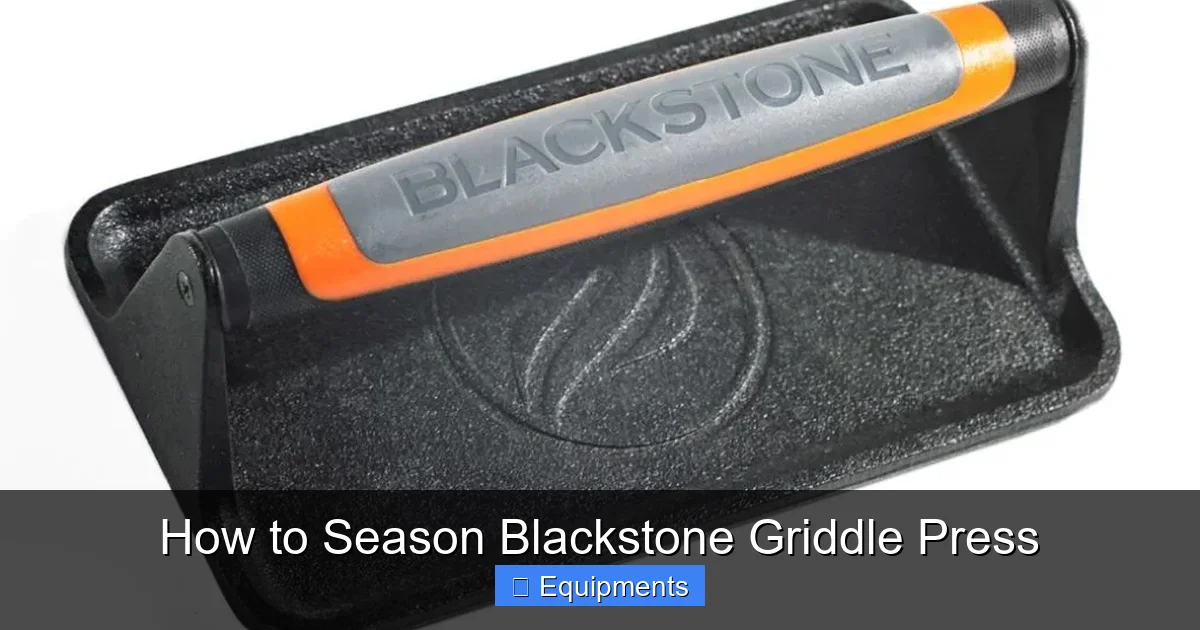
Before you do anything, take the press out of the box and check for obvious defects—scratches, dents, or missing bolts. A smooth, even surface is essential for an even seasoning coat.
Visual guide about How to Season Blackstone Griddle Press
Image source: mdbbqservices.com
1.2 Remove Factory Oil
Manufacturers coat new metal with a light oil to prevent rust during shipping. This oil is not suitable for cooking and must be removed. Use a soft cloth dampened with warm, soapy water and gently wipe the entire cooking surface.
1.3 Dry Thoroughly
Moisture is the enemy of seasoning. After cleaning, dry the press with a clean towel and then place it on a low‑heat burner for 5‑10 minutes to evaporate any remaining water.
1.4 Gather Your Tools
All you need is a high smoke‑point oil (flaxseed, grapeseed, or avocado), a heat‑resistant brush or paper towel, and a reliable heat source (your Blackstone griddle or a portable propane burner). Having everything within arm’s reach saves time and keeps the process smooth.
2. Choosing the Right Oil
2.1 Why Smoke Point Matters
The oil you use must reach a high temperature without burning. When oil reaches its smoke point, it begins to break down and polymerize, forming the hard, black layer we call seasoning.
Visual guide about How to Season Blackstone Griddle Press
Image source: topblackstonerecipes.com
2.2 Top Oil Picks
- Flaxseed oil: Highest smoke point among common cooking oils; creates a very hard, durable coat.
- Grapeseed oil: Neutral flavor, high smoke point, easy to find.
- Avocado oil: Slightly lower smoke point than flaxseed but still excellent for seasoning.
2.3 How Much Oil to Use
Less is more. For each coating, apply a thin film—about a teaspoon of oil spread over the entire surface. Too much oil leads to a sticky, uneven finish.
3. The Seasoning Process Step‑by‑Step
3.1 Preheat the Press
Place the press on your griddle or burner and set the heat to medium‑high (around 400°F/204°C). Allow it to heat for 10‑15 minutes. You’ll see the metal turn a light amber color—that’s the right temperature range.
Visual guide about How to Season Blackstone Griddle Press
Image source: topblackstonerecipes.com
3.2 Apply the First Thin Coat
Using a brush or folded paper towel, spread the oil evenly across the cooking surface. Make sure every corner, edge, and groove is covered, but wipe away any excess so the layer is barely visible.
3.3 Heat to Polymerize
Close the lid (or cover with foil) and let the press heat for another 10‑12 minutes. The oil will smoke lightly and then turn dark brown. This is the polymerization stage where the oil bonds to the metal.
3.4 Cool and Wipe
Turn off the heat and let the press cool for 5 minutes. Then, with a clean cloth, gently wipe away any residue. The surface should feel smooth and slightly tacky—not sticky.
3.5 Repeat for Multiple Coats
For a robust seasoning, repeat steps 3.2‑3.4 4‑6 times. Each thin coat builds on the previous one, creating a thick, non‑stick layer that resists rust and wear.
3.6 Final Cool‑Down
After the last coat, allow the press to cool completely on the griddle. Once it reaches room temperature, wipe it one final time with a dry cloth. Your Blackstone griddle press is now ready for cooking.
4. Cooking With a Seasoned Press
4.1 Pre‑Cooking Prep
Even a seasoned press benefits from a quick pre‑heat before each use. Heat it to medium temperature, then lightly brush a drop of oil over the surface. This refreshes the seasoning and prevents sticking.
4.2 Ideal Foods
The press shines with foods that need a firm, even seal—think burgers, pan‑seared steaks, grilled sandwiches, and breakfast hashes. The even pressure distributes heat, while the seasoned surface ensures easy release.
4.3 Cleaning After Use
While the press is still warm (but not hot), scrape off any food bits with a metal spatula. Then wipe with a paper towel. Avoid soap; a light brush with hot water is enough. If stubborn residue remains, repeat a quick 5‑minute heat‑up and wipe.
5. Maintaining the Seasoning Over Time
5.1 Light Re‑Seasoning
After several uses, the seasoning may look dull. A quick re‑season helps. Heat the press, apply a thin coat of oil, and let it smoke for 5‑7 minutes. No need for a full multi‑coat cycle unless the surface is severely worn.
5.2 Storage Tips
Store the press in a dry place. If you live in a humid climate, place a thin sheet of parchment paper between the press and any other metal to prevent moisture buildup.
5.3 Avoid Common Mistakes
- Never use abrasive cleaners—steel wool will strip the seasoning.
- Avoid cooking sprays; they contain additives that can gum up the surface.
- Do not let the press sit wet; water accelerates rust.
6. Troubleshooting: When Seasoning Goes Wrong
6.1 Sticky or Gummy Surface
If the press feels sticky, you likely applied too much oil or didn’t heat it enough to fully polymerize. Scrape off the layer, clean with hot water, dry, and start the seasoning cycle again with thinner coats.
6.2 Flaking or Peeling
Flaking indicates the seasoning didn’t bond properly, often due to insufficient heat. Strip the surface back to bare metal with a fine‑grade steel pad, then repeat the full seasoning process.
6.3 Persistent Rust Spots
Spot‑treat rust with a light coat of oil and heat until it disappears. For larger areas, sand the rust away, clean, and re‑season from scratch.
Conclusion: Your Press, Your Flavor
Seasoning a Blackstone griddle press is a small investment of time that pays huge dividends in flavor, ease of cooking, and equipment longevity. By following the steps outlined above—cleaning, choosing the right oil, applying thin coats, and maintaining the surface—you’ll create a non‑stick, rust‑free cooking platform that lasts for years.
Remember, the key is patience and consistency. Treat each seasoning session as a ritual, and soon you’ll wonder how you ever cooked without it. Happy grilling, and enjoy the delicious results of a well‑seasoned press!
Frequently Asked Questions
How often should I re‑season my Blackstone griddle press?
Lightly re‑season after every 5–7 uses, or whenever the surface looks dull. A full multi‑coat seasoning is only needed if the coating is stripped or heavily damaged.
Can I use regular vegetable oil for seasoning?
It’s possible, but high smoke‑point oils like flaxseed, grapeseed, or avocado produce a harder, longer‑lasting seasoning. Regular vegetable oil may create a softer, less durable layer.
Is it okay to use a grill brush on a seasoned press?
No. Abrasive brushes can scrape away the seasoning. Use a soft silicone spatula or a non‑metallic brush designed for seasoned surfaces.
What temperature should I heat the press to during seasoning?
Aim for around 400°F (204°C). The oil will begin to smoke lightly and then turn dark brown as it polymerizes.
My press developed rust after a week. What should I do?
Scrape off the rust, clean the surface with hot water, dry thoroughly, and start the seasoning process from the beginning. Ensure the press is completely dry before storing.
Can I season the press outdoors?
Yes. You can use a portable propane burner or your backyard grill. Just follow the same heating and oil‑application steps, and make sure the area is well‑ventilated.