Resetting a Breville espresso machine is simple and can solve many common issues. This guide walks you through the exact steps for different Breville models, explains why a reset helps, and offers tips to keep your machine running smoothly. Follow the procedures below and get back to brewing great espresso in minutes.
Key Takeaways
- Understanding How To Reset Breville Espresso Machine: Provides essential knowledge
📑 Table of Contents
- Introduction: Why Resetting Your Breville Espresso Machine Matters
- 1. Understanding the Different Types of Resets
- 2. Preparing Your Machine for a Reset
- 3. Reset Procedures for Popular Breville Models
- 4. Post‑Reset Checklist: Testing and Calibration
- 5. Common Issues Resolved by Resetting
- 6. Maintenance Tips to Reduce the Need for Resets
- Conclusion: Reset with Confidence
Introduction: Why Resetting Your Breville Espresso Machine Matters
Breville espresso machines are beloved for their consistent pressure, sleek design, and user‑friendly controls. Yet, like any piece of technology, they can encounter hiccups—error messages, unresponsive buttons, or odd brewing temperatures. Most of these problems are not hardware failures; they are simply the machine’s way of telling you something needs a fresh start.
Resetting your Breville espresso machine is the quickest, most cost‑effective solution. A reset clears temporary glitches, restores factory defaults, and often eliminates the need for a costly service call. In this article we’ll walk you through the exact steps for the most popular Breville models, explain what each reset does, and share maintenance tips to keep your machine humming for years.
1. Understanding the Different Types of Resets
1.1 Power Cycle (Soft Reset)
A power cycle, also called a soft reset, simply involves turning the machine off, unplugging it, waiting a minute, and powering it back on. This clears the memory cache and can resolve minor software glitches.
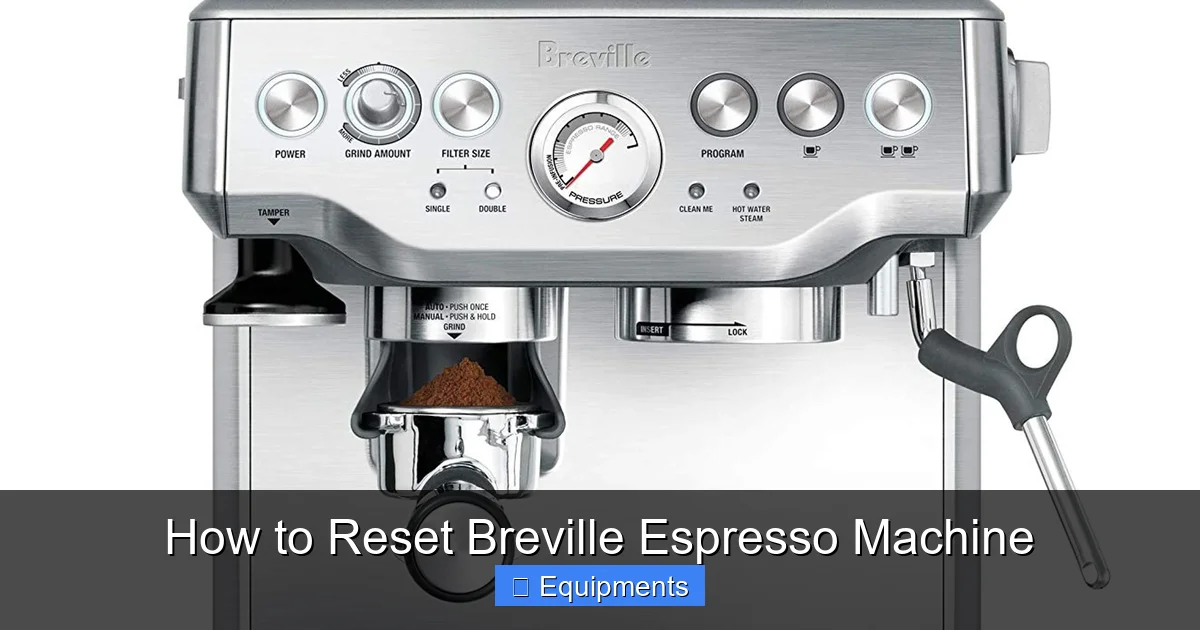
Visual guide about How to Reset Breville Espresso Machine
Image source: hips.hearstapps.com
1.2 Factory Reset (Hard Reset)
A factory reset returns all settings—temperature, grind size, shot volume, and programming—to the original factory defaults. It also clears any stored error codes. Use this when the machine repeatedly shows an error or after a major service like descaling.
1.3 Descaling Reset
When you run a descaling cycle, Breville machines store a “descale complete” flag. Resetting tells the machine the cycle is finished, allowing it to resume normal operation.
2. Preparing Your Machine for a Reset
2.1 Gather the Essentials
- Power cord: Ensure the outlet works.
- Water reservoir: Fill it to avoid air locks during testing.
- User manual: Keep the specific model guide nearby for button combos.
2.2 Safety First
Always unplug the machine before opening any panels or pressing hidden reset buttons. This protects you from electric shock and prevents damage to the electronics.

Visual guide about How to Reset Breville Espresso Machine
Image source: elegantespresso.com
2.3 Clean the Exterior
A quick wipe with a damp cloth removes coffee oils that could interfere with button responsiveness. It also gives you a chance to inspect the machine for obvious wear.
3. Reset Procedures for Popular Breville Models
3.1 Breville BES870XL Barista Express
The Barista Express is a workhorse for home baristas. Here’s how to reset it:

Visual guide about How to Reset Breville Espresso Machine
Image source: espressorivo.com
- Power off: Press the power button, then unplug the unit.
- Wait 60 seconds: This clears the internal memory.
- Plug in and turn on: The machine will start with default settings.
- Factory reset (optional): Hold Program and 1 Cup buttons together for 5 seconds. The display will flash “RESET”. Release the buttons.
- Confirm: Press the power button again; the machine will reboot and show the default temperature (93 °C) and shot volume.
3.2 Breville BES920XL Dual Boiler
The Dual Boiler has more advanced electronics, so a hard reset uses a hidden button.
- Unplug the machine.
- Locate the small reset hole on the back left side (you’ll need a paperclip).
- Insert the paperclip and hold for 3 seconds. You’ll hear a click.
- Plug the machine back in and turn it on. The display will read “INIT”.
- Allow 2‑3 minutes for the machine to calibrate pressure and temperature.
3.3 Breville BES990BSS Oracle Touch
The Oracle Touch combines a touchscreen with automated grinding. Reset steps are menu‑driven.
- Press Menu → Settings → Factory Reset.
- Confirm by selecting Yes. The machine will restart automatically.
- If the screen is frozen, perform a power cycle: hold the power button for 10 seconds, unplug, wait, then plug back in.
3.4 Breville BES840XL/A the Infuser
The Infuser’s reset is similar to the Barista Express.
- Turn off and unplug.
- Hold Steam and Hot Water simultaneously for 5 seconds while plugging the machine back in.
- The LCD will display “RESET”. Release the buttons.
3.5 Breville BES870XL vs. BES870XL (International Versions)
International models may have a different button layout. Check the manual for the exact combination, but generally the Program + Steam combo works.
4. Post‑Reset Checklist: Testing and Calibration
4.1 Verify Power and Display
Make sure the machine powers on and the LCD shows the default temperature (usually 93 °C) and pressure (9 bar). If the display is blank, repeat the power cycle.
4.2 Run a Test Shot
Place a portafilter with fresh coffee, start a single shot, and watch the flow. It should take 25‑30 seconds for a 30 ml espresso. Adjust grind size if needed.
4.3 Check Steam Wand Pressure
Turn the steam knob to full and listen for a steady hiss. If the pressure feels weak, run a brief purge cycle (steam for 10 seconds) to clear any water blockage.
4.4 Reset User Preferences
If you had custom temperature or shot volume settings, re‑enter them now via the menu. Write them down for future reference.
5. Common Issues Resolved by Resetting
5.1 “Error 01” – Water Flow Problem
This code appears when the machine can’t detect water flow. A reset clears the sensor’s memory. If the error persists, clean the water inlet and check the pump.
5.2 Unresponsive Buttons
Moisture or coffee residue can cause sticky buttons. A power cycle often restores responsiveness. If not, clean the control panel with a soft, slightly damp cloth.
5.3 Inconsistent Temperature
Temperature drift is usually due to a corrupted thermal map. A factory reset forces the machine to recalibrate the heating element.
5.4 Steam Not Heating
After a descaling cycle, the steam function may stay off. Perform a descaling reset (hold Steam + Power for 3 seconds) and then a full factory reset.
6. Maintenance Tips to Reduce the Need for Resets
6.1 Regular Descaling
Hard water leaves mineral deposits that confuse sensors. Descale every 2‑3 months, or sooner if you notice scale buildup.
6.2 Clean the Group Head Daily
Backflushing with a blind filter and cleaning solution removes coffee oils that can cause pressure errors.
6.3 Keep the Steam Wand Clean
After each use, purge the wand and wipe it with a damp cloth. Milk residue can clog the valve and trigger error codes.
6.4 Use Filtered Water
Filtered or bottled water reduces mineral buildup, extending the time between descaling cycles.
6.5 Store the Machine Properly
If you won’t use the espresso maker for more than a week, empty the water tank, clean the basket, and leave the power cord unplugged. This prevents stagnation and electrical surges.
Conclusion: Reset with Confidence
Resetting your Breville espresso machine is a straightforward process that can save you time, money, and a lot of frustration. By knowing which reset method matches your model, following the safety steps, and performing a quick post‑reset test, you’ll have your coffee flowing smoothly again in minutes. Combine regular maintenance with occasional resets, and your Breville will stay reliable, delivering café‑quality espresso right at home.
Frequently Asked Questions
How do I perform a soft reset on any Breville espresso machine?
Turn the machine off, unplug it, wait about 60 seconds, then plug it back in and power it on. This clears minor glitches without changing any settings.
What does a factory reset change on my Breville machine?
A factory reset restores all default settings—temperature, shot volume, grind size, and clears stored error codes—essentially returning the machine to its out‑of‑the‑box state.
My Breville shows “Error 01”. Will resetting fix it?
Often, yes. A quick power cycle can clear the error. If it returns, clean the water inlet and pump, then try a full factory reset.
Do I need to reset after descaling?
Yes. After a descaling cycle, hold the steam and power buttons together for a few seconds (or follow the model‑specific combo) to let the machine recognize the completed process.
Can I reset the machine while it’s brewing?
No. Always stop the brewing cycle, turn the machine off, and unplug before attempting any reset. Resetting during operation can damage the pump.
How often should I reset my Breville espresso machine?
Only when you encounter errors, after descaling, or when you want to revert to default settings. Routine cleaning and maintenance usually keep resets to a minimum.