How to Make a Baked Potato
Home & Kitchen Writer at Kitchen and Houseware · Home Economics & Culinary Arts Certificate · 6+ years testing everyday cookware, kitchen storage solutions, and practical home organization routines
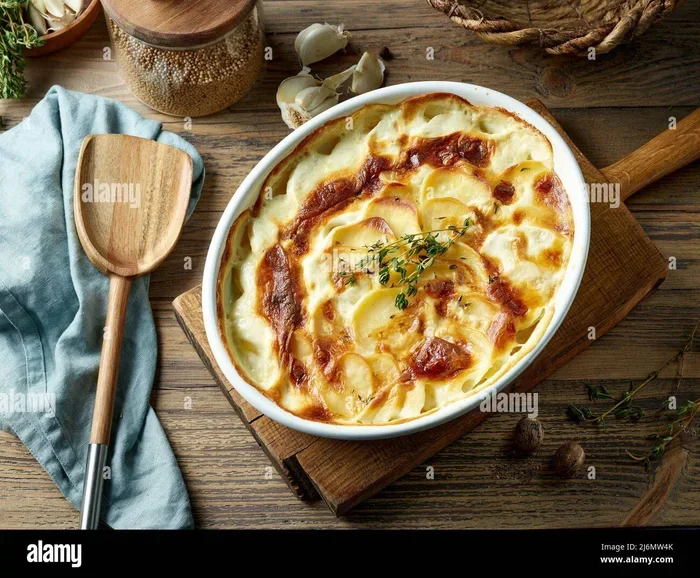
Making a baked potato is simple, fast, and incredibly satisfying. You only need a few basic ingredients and a hot oven to create a crispy-skinned, fluffy-centered masterpiece. This guide walks you through every step, from picking the right potato to adding delicious toppings.
There is something truly special about a warm, fluffy baked potato straight from the oven. It is one of those simple foods that just hits the spot. Whether you are looking for a quick side dish or a hearty meal on its own, a baked potato delivers every single time.
The beauty of a baked potato lies in its simplicity. You need just one potato, a little oil, and some salt. Everything else is optional. Yet the results are always impressive. In this guide, we will walk you through the entire process. You will learn how to pick the perfect potato, prepare it the right way, and bake it to golden perfection. By the end, you will feel confident making a baked potato any night of the week.
If you have ever wondered how restaurants get their oven-baked potato skins so crispy, you are in the right place. We share all the secrets here. No fancy equipment needed. Just a regular home oven and a little patience. Let us get started.
Key Takeaways
- Choose the right potato: Russet potatoes give the best results for a fluffy, crispy baked potato.
- Prep matters: Clean, poke, and oil the skin before baking for perfect texture.
- Bake at 400°F for 45-60 minutes: This temperature ensures even cooking and golden skin.
- Check for doneness: A fork should slide in easily when the potato is ready.
- Toppings elevate everything: Butter, cheese, sour cream, and chives are classic favorites.
- Alternative methods work too: You can microwave a baked potato for faster results.
- Storage is easy: Leftover baked potatoes keep well in the fridge for several days.
📑 Table of Contents
Why a Baked Potato Is a Kitchen Staple
A baked potato is one of the most versatile dishes you can make. It works as a side dish, a base for a full meal, or even a standalone snack. People across the world love it for good reason. It is filling, nutritious, and endlessly customizable.
Here is why a baked potato deserves a spot in your regular cooking rotation:
- It is simple to make. Very few steps and minimal prep work are involved.
- It is budget-friendly. Potatoes are affordable and available everywhere.
- It is naturally healthy. A plain baked potato is low in fat and high in fiber.
- It pairs with almost anything. From grilled meats to steamed vegetables, it complements so many dishes.
- It stores well. You can make extras and reheat them later easily.
Once you master the basic baked potato, you can experiment with countless variations. Add cheese, broccoli, chili, or butter. The possibilities are truly endless. A baked potato is a blank canvas waiting for your creativity.
Choosing the Right Potato for Baking
The first step to a great baked potato starts at the store. Not all potatoes are created equal. Choosing the right type makes a huge difference in texture and flavor.
Best Potato Varieties for Baking
Russet potatoes are the gold standard for baking. They have a thick, rough skin and a high starch content. This combination creates that perfect fluffy interior with a crispy outer shell. Idaho potatoes are a popular type of russet and work beautifully.
Here are the top choices for a baked potato:
- Russet potatoes: The best all-around choice. Fluffy inside, crispy outside.
- Yukon Gold potatoes: Creamy and buttery. Skin is thinner but still delicious.
- Red potatoes: Waxy texture. Best for soups and salads, but still work for baking.
For the most classic result, stick with a russet potato. It is what most chefs recommend for the ideal baked potato. Look for potatoes that are firm, smooth, and free of green spots or soft areas. A larger potato usually bakes more evenly and gives you plenty of room for toppings.
How Many Potatoes to Bake
A good rule of thumb is one potato per person. If you are feeding a crowd, plan accordingly. Baked potatoes reheat well, so you can always make extras. Just keep in mind that very large potatoes may need additional baking time.
How to Prep Your Potato for Baking
Preparation is the step most people skip, but it makes all the difference. Taking a few extra minutes to prep your potato properly leads to a much better result.
Step 1: Wash Thoroughly
Rinse each potato under cold running water. Use a vegetable brush to scrub away any dirt. Even if you plan to peel the skin, washing is important. You do not want any residue on your baked potato. Pat the potatoes completely dry with a clean towel.
Step 2: Poke Holes in the Potato
This is a crucial step that many beginners forget. Use a fork and poke 8 to 10 holes into each potato. This allows steam to escape during baking. Without these holes, your potato could burst in the oven. It is a simple step that saves you a big mess.
Step 3: Oil and Season the Skin
Rub each potato with a thin layer of olive oil or vegetable oil. This helps the skin become crispy and golden. Sprinkle coarse salt over the oiled surface. The salt adds flavor and helps draw out moisture for an even crispier finish.
Some people like to add a little garlic powder or paprika at this stage. Feel free to get creative. The oil and salt combo alone produces a wonderful baked potato with minimal effort.
Baking the Perfect Potato
Now comes the main event. Baking a baked potato is straightforward, but a few details matter. Follow these steps for consistent, excellent results every time.
Oven Temperature and Timing
Preheat your oven to 400°F (200°C). This is the sweet spot for baking potatoes. It cooks the inside evenly while crisping the outside beautifully. Place your potatoes directly on the oven rack. Put a baking sheet on the rack below to catch any drips.
For a medium-sized potato, bake for 45 to 60 minutes. Larger potatoes may need up to 75 minutes. If you want to know the exact timing, check out our guide on how long to bake a potato at 350 for additional reference on timing adjustments.
Here is a quick reference for baking times:
- Small potatoes (under 5 oz): 35 to 45 minutes
- Medium potatoes (5 to 8 oz): 45 to 60 minutes
- Large potatoes (over 8 oz): 60 to 75 minutes
How to Tell When a Baked Potato Is Done
The best way to check is to squeeze the sides gently. Wear an oven mitt and press the potato all around. If it gives slightly and feels soft, it is done. Another reliable method is to insert a fork into the center. It should slide in with no resistance. The potato should feel hot all the way through.
If the potato still feels hard in the middle, give it another 10 to 15 minutes. Check again. Every oven is slightly different, so use your judgment. A perfectly baked baked potato will have wrinkled skin and feel light when you squeeze it.
Should You Wrap Potatoes in Foil?
This is a common question. Many people wrap their potato in aluminum foil while baking. Foil traps moisture and creates a steamed effect. The result is softer skin and a slightly different texture. Most chefs recommend skipping the foil for crispier skin. However, if you prefer a softer skin, foil works fine. For the classic baked potato experience, go without foil.
Toppings and Serving Ideas
This is where a simple baked potato becomes a meal. The toppings you choose can completely change the flavor profile. Here are some tried-and-true options that never disappoint.
Classic Toppings
- Butter and sour cream: The timeless combination. Spread butter inside the potato and add a dollop of sour cream on top.
- Shredded cheese: Cheddar is the most popular choice. Sprinkle it on while the potato is still hot so it melts perfectly.
- Bacon bits: Adds a salty, smoky crunch that pairs wonderfully with the soft potato.
- Chives or green onions: A fresh garnish that adds color and mild onion flavor.
Hearty Toppings for a Full Meal
- Chili: Pour warm chili over your baked potato for a filling dinner option.
- Broccoli and cheese: Steamed broccoli florets with melted cheese make it a balanced meal.
- Pulled pork or chicken: Load the potato with shredded meat and barbecue sauce.
- Steamed vegetables: A lighter option that keeps the meal fresh and healthy.
A baked potato is a great base for leftovers too. Toss in whatever you have in the fridge. It is a wonderful way to reduce food waste while creating a tasty meal. For more ideas on versatile cooking methods, you might enjoy learning how to make a smoothie thicker with similar simple techniques.
Common Mistakes to Avoid
Even though a baked potato is simple, small mistakes can affect the outcome. Here are the most common pitfalls and how to avoid them.
- Skipping the poke holes: This can cause the potato to burst. Always use a fork and poke several holes before baking.
- Using the wrong potato type: Waxy potatoes do not bake as well as starchy ones. Stick with russet for the best results.
- Baking at too low a temperature: A low oven takes much longer and does not crisp the skin properly. Keep it at 400°F.
- Cutting too early: Resist the urge to cut the potato open right away. Let it rest for a few minutes after baking. This helps the inside become fluffier.
- Over-topping: A little goes a long way. Too many toppings can mask the natural flavor of the potato.
Avoiding these mistakes ensures your baked potato turns out perfect every time. It is worth taking the extra care at each step.
Storing and Reheating Leftover Baked Potatoes
Got leftovers? A baked potato stores well and reheats nicely. Let the potato cool completely before storing. Place it in an airtight container and refrigerate. It will keep for up to five days in the fridge.
To reheat, you have a few options. The oven works best. Wrap the potato loosely in foil and heat at 350°F for about 15 minutes. You can also microwave a leftover baked potato for a faster option. For detailed microwave instructions, check out our guide on how to microwave a baked potato. The microwave method is quick and produces good results when you are in a hurry.
Another option is to reheat in a skillet on the stove. This helps re-crisp the skin. Simply slice the potato in half and warm it cut-side down in a lightly oiled pan for a few minutes.
Frequently Asked Questions
Can I bake a potato at a lower temperature?
Yes, you can bake a baked potato at 350°F, but it will take longer. Expect about 60 to 90 minutes depending on size. For more details on timing at this temperature, visit our page on how long to bake a potato. Lower temperatures cook more gently but may not crisp the skin as well.
Is it better to bake a potato in foil or without foil?
Baking without foil gives you crispier skin, which most people prefer. Foil traps steam and creates a softer skin texture. For the classic fluffy inside with crispy outside, skip the foil and place the potato directly on the oven rack.
Can I prepare baked potatoes ahead of time?
You can prep potatoes ahead by washing, poking, and oiling them. Store them in the fridge until ready to bake. However, for the best texture, bake them fresh. Pre-baked potatoes can be reheated, but they may not be as fluffy as freshly baked ones.
What is the best potato size for baking?
A medium to large potato, around 6 to 8 ounces, works best for a single serving. Larger potatoes take more time but give you more room for generous toppings. Choose potatoes that are uniform in shape for even cooking.
Can I freeze a baked potato?
Yes, you can freeze a baked potato. Let it cool completely, wrap it tightly in plastic wrap and foil, and store it in a freezer bag. It will keep for up to three months. Reheat in the oven for the best texture results.
How do I make the skin extra crispy?
For ultra-crispy skin, rub the potato with oil and coarse salt before baking. Place it directly on the oven rack rather than on a pan. You can also increase the oven temperature to 425°F for the last 10 minutes of baking to crisp up the skin further.
Final Thoughts
A baked potato is one of those recipes that everyone should have in their cooking repertoire. It is simple, delicious, and endlessly adaptable. Once you learn the basic technique, you will never go back to microwaving a frozen potato again. The oven-baked version is in a completely different league when it comes to flavor and texture.
Start with a good russet potato. Prep it with care. Bake it at the right temperature. And then load it up with your favorite toppings. That is all it takes to create a baked potato that rivals any restaurant version. Whether you are cooking for one or feeding a family, this humble dish always delivers.
Give it a try tonight. You will be surprised how something so simple can taste so good. Once you make your first perfect baked potato, you will wonder why you did not make them more often. Happy baking!

