Finding ants in your microwave is unsettling but fixable. This issue usually stems from food debris attracting colonies. The solution involves a systematic approach: unplug the appliance, perform a thorough deep clean using safe, natural solutions like vinegar, and implement strict prevention habits like immediate spill cleanup and proper food storage. For severe infestations, professional pest control may be necessary to eliminate the hidden nest source.
Key Takeaways
- Ants are attracted by food residue: Even microscopic crumbs or grease splatters inside your microwave can signal a feast to foraging ants, leading to an infestation.
- Safety first: Always unplug the microwave before any inspection or cleaning to eliminate electrical hazards and prevent accidental activation.
- Deep cleaning is non-negotiable: Surface wiping isn’t enough. You must remove the turntable, clean all crevices, and deodorize to remove all scent trails that guide more ants.
- Natural repellents work effectively: Solutions like white vinegar, lemon juice, or peppermint oil disrupt ant pheromone trails and are safe for food-handling areas.
- The nest is likely elsewhere: Ants inside your microwave are workers from a larger colony, often in walls or under appliances. Eliminating only the visible ants is temporary.
- Prevention is your best defense: Adopt habits like covering food, cleaning spills instantly, and storing pantry items in airtight containers to make your microwave an ant-free zone.
- Know when to call professionals: If you see large numbers daily, find winged ants (swarmers), or the problem persists after thorough cleaning, it’s time for expert intervention.
[FEATURED_IMAGE_PLACEHOLDER]
📑 Table of Contents
- Introduction: The Unwanted Microwave Guests
- Why Ants Are Invading Your Microwave: The Attraction Explained
- Immediate Action Plan: What To Do The Moment You Spot Ants
- Deep Cleaning Your Microwave: A Step-by-Step Guide
- Fortifying Your Kitchen: Long-Term Ant Prevention Strategies
- When the Problem Persists: Recognizing a Larger Infestation
- Calling in the Professionals: What to Expect
- Conclusion: Reclaiming Your Microwave and Kitchen
Introduction: The Unwanted Microwave Guests
You open your microwave to reheat your coffee, and there they are. A tiny, determined line of ants marching across the turntable, scaling the interior walls, or swarming a forgotten crumb. The immediate reaction is a mix of disgust and panic. How did they get in there? Is it safe to use? Will they crawl into your food? Finding ants in your microwave is a common household woe, signaling a broader kitchen hygiene or pest control issue. But before you declare the appliance a loss or resort to dangerous chemical sprays inside it, take a breath. This problem is solvable, often with items you already have in your pantry. This comprehensive guide will walk you through exactly how to evict these intruders safely, clean your microwave to prevent their return, and secure your kitchen against future invasions. We’ll cover the science of why they’re there, a step-by-step removal protocol, deep-cleaning techniques, robust prevention strategies, and when the situation requires calling in a professional. Your microwave can be ant-free again; let’s get started.
Why Ants Are Invading Your Microwave: The Attraction Explained
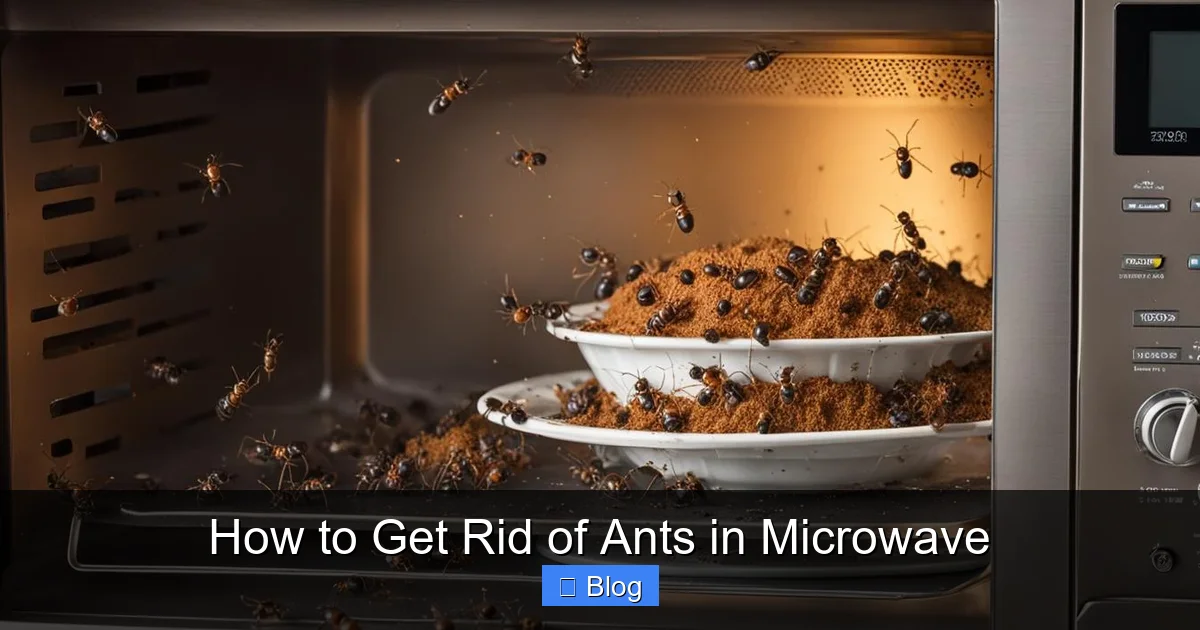
To effectively solve a problem, you must understand its cause. Ants aren’t randomly deciding to set up camp inside your cooking appliance. They are following a powerful, ancient instinct driven by scent. Your microwave, for all its high-tech functions, is essentially a small, warm, enclosed box. If it contains the right attractants, it becomes a prime target.
Visual guide about How to Get Rid of Ants in Microwave
Image source: machineanswered.com
The Scent Trail: A Chemical Highway
Ants communicate and navigate using pheromones, a chemical language. A single foraging ant discovers a food source—a sticky sugar spill, a greasy popcorn kernel, or even the faint residue of a heated meal. It lays down a pheromone trail on its journey back to the nest. This trail is like a glowing highway for its colony mates, who follow it directly to the bounty. The more ants that travel the trail, the stronger the scent becomes. Your microwave, with its nooks and crannies, is perfect for trapping and concentrating these scent molecules, making it a beacon.
Common Microwave Attractants
What exactly are they smelling? Often, it’s something you can’t even see.
- Visible Food Debris: Crumbs from a bagel, popped popcorn kernels, dried sauce splatters, or sugar granules.
- Grease and Oil: Microwaving greasy foods like pizza or bacon leaves a thin, persistent film that attracts many ant species.
- Sticky Residues: Honey, syrup, jam, or any sugary substance that wasn’t fully cleaned.
- Odor Absorption: The plastic interior can absorb odors over time, creating a faint but detectable scent trail even after a surface wipe-down.
If you frequently heat uncovered food or allow spills to sit, you are essentially running a 24/7 ant café advertisement.
Warmth and Shelter: The Bonus Factors
While food is the primary driver, the microwave’s environment offers secondary benefits. After use, the appliance and its immediate vicinity are warm—a cozy spot for ants, especially in cooler weather. The enclosed space also provides temporary shelter from predators and disturbances. However, it’s critical to remember: ants do not live inside your microwave. They are foragers from a central nest located elsewhere, typically in the wall, under the floor, in a cabinet, or even in a neighboring unit if you live in an apartment. The ants you see are the “shopping trip” crew. This distinction is crucial because it means killing the few you see inside does not solve the problem. You must eliminate the attractant (the food scent) and disrupt the trail, or they will simply return, day after day.
Immediate Action Plan: What To Do The Moment You Spot Ants
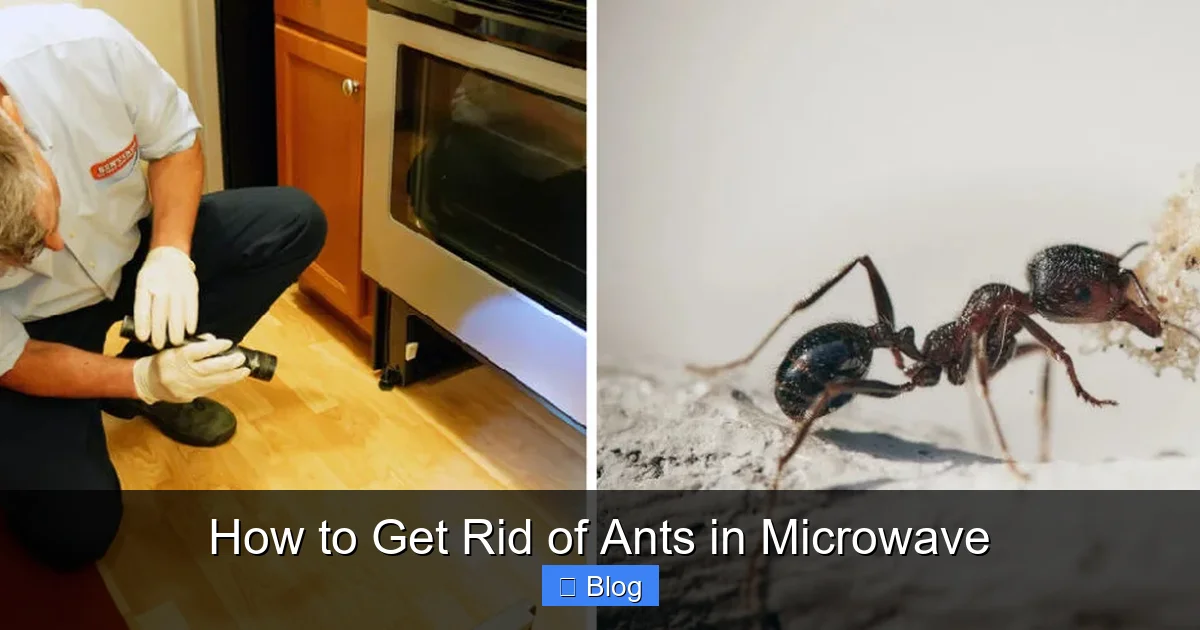
Discovering an ant trail in your microwave requires swift and calm action. Panic leads to poor decisions, like spraying insecticide inside a food appliance. Follow this immediate protocol to contain the situation.
Visual guide about How to Get Rid of Ants in Microwave
Image source: thekitchenix.com
Step 1: Unplug and Isolate
This is your first and most important safety step. Unplug the microwave from the wall outlet. This eliminates any risk of electrical short-circuit if liquid cleaners are used and prevents the microwave from accidentally turning on. Next, carefully remove any food items or containers from the microwave and the area immediately around it. Check adjacent countertops and cabinets for trails. Isolate any potentially infested food packages by sealing them in a plastic bag and moving them to a different location, like a freezer, for inspection.
Step 2: The Manual Removal
Before cleaning, you need to remove the current workers. Do not squash them inside the microwave, as this will release more alarm pheromones and create a mess. Instead, use a gentle method:
- Vacuum: Use the hose attachment of your vacuum cleaner to suck up the ants. This is clean and immediate. Empty the vacuum bag or canister into an outdoor trash bin immediately after.
- Paper Towel Trap: Dampen a paper towel with a little plain water or a vinegar-water solution (see below) and use it to wipe up the ants, then dispose of the towel in an outdoor bin.
- Utensil Scoop: For a small number, you can use a spoon or spatula to gently guide them out through the door.
The goal is to remove them without crushing them inside the cavity, which would amplify scent signals.
Step 3: Disrupt the Scent Trail
This is the most critical chemical step. You must erase the pheromone trail the ants are following. The best, safest substance for this in a food preparation area is white distilled vinegar. Its acetic acid breaks down pheromones and is a natural disinfectant. Create a solution of equal parts white vinegar and warm water. Using a clean cloth or paper towel soaked in this solution, wipe down every surface inside the microwave—the ceiling, walls, floor, door seal, and turntable. Pay special attention to the corners, the vent openings, and the groove where the turntable sits. Do not plug the microwave back in yet. Let the vinegar solution air dry. For a stronger scent barrier, you can follow up with a wipe-down using a cloth dampened with pure lemon juice or a few drops of peppermint essential oil diluted in water. These scents are natural ant repellents.
Deep Cleaning Your Microwave: A Step-by-Step Guide
Disrupting the trail is a temporary fix. To ensure they don’t return, you must perform a deep, deodorizing clean that removes all hidden food particles and absorbed odors. This process takes about 20 minutes but is essential.
Visual guide about How to Get Rid of Ants in Microwave
Image source: machineanswered.com
Gather Your Supplies
You will need: a microwave-safe bowl, white vinegar, water, fresh lemon, baking soda, a soft sponge or cloth, a toothbrush (for crevices), and your vacuum with hose attachment (already used for ants).
The Steam Power Method
This is the most effective way to loosen caked-on grime and neutralize odors.
- Fill the Bowl: In a microwave-safe bowl, combine 1 cup of water with 1/2 cup of white vinegar. You can add a few slices of lemon or a tablespoon of baking soda for extra deodorizing power.
- Microwave: Place the bowl in the microwave and run it on high for 3-5 minutes, or until the liquid is boiling vigorously and the interior is steamy. The steam will soften all dried-on food particles and grease.
- Let it Sit: Carefully (the bowl will be hot!) leave the bowl inside and close the door. Let the steam continue to work for 10-15 minutes. This is key for breaking down tough residues.
- Wipe Down: Remove the bowl. The interior walls and floor should now be damp and hot. Dip your sponge or cloth in the warm vinegar-water solution from the bowl and begin wiping. Start from the top (ceiling) and work your way down so dirty water doesn’t drip onto clean surfaces.
- Attack Crevices: Use the damp cloth wrapped around a toothbrush or a cotton swab to get into the vent holes, the seam around the door, and the track where the turntable rotates. This is where tiny crumbs hide.
- Turntable and Roller Ring: Remove the turntable and the circular roller guide (the ring it sits on). Wash these separately in the sink with dish soap and a non-abrasive sponge. They often harbor the most food debris. Dry them thoroughly.
- Final Rinse: Go over all surfaces once more with a clean cloth dampened only with plain water to remove any vinegar taste or residue.
- Dry Completely: Use a dry microfiber cloth to dry every surface. Moisture can encourage mold or new ant activity. Leave the door open for 15-20 minutes to air out completely.
Fortifying Your Kitchen: Long-Term Ant Prevention Strategies
Cleaning the microwave is treating the symptom. Prevention is curing the disease. Your goal is to make your entire kitchen, especially the microwave area, an ant wasteland—no food, no water, no scent trails.
Microwave-Specific Habits
- Cover Everything: Always use a microwave-safe lid, vented cover, or even a paper towel to cover food while heating. This prevents splatters and contains aromas.
- Wipe Instantly: The moment you finish microwaving, take 15 seconds to wipe down the interior with a damp cloth. Do not let spills dry and harden.
- No Eating Directly Overhead: Avoid standing over the microwave while eating, as crumbs easily fall into the cavity or onto the counter right in front of it.
- Weekly Quick Clean: Incorporate a quick vinegar-water wipe-down of the microwave interior into your weekly kitchen cleaning routine.
Kitchen-Wide Ant Deterrence
The ants in your microwave are coming from somewhere. You must secure the entire zone.
- Pantry Perfection: Store all dry goods—cereal, pasta, sugar, pet food—in airtight glass or heavy-duty plastic containers. Cardboard boxes and thin plastic bags are no match for determined ants.
- Trash Management: Use a trash can with a tight-sealing lid. Take out the trash regularly, especially if it contains food scraps. Clean the bin’s exterior weekly.
- Counter and Floor Discipline: Never leave dirty dishes, glasses with residue, or food scraps on counters overnight. Sweep and mop floors regularly, paying attention to the area under and around the microwave and stove.
- Pet Food Protocol: If you have pets, only put out dry food for 30 minutes, then pick it up. Store pet food in sealed containers. Ants are highly attracted to pet food.
- Seal Entry Points: Inspect the area around your microwave, countertops, and walls for tiny cracks or gaps. Use silicone caulk to seal them. Check window screens and door sweeps. This is a longer-term project but highly effective.
Natural Barrier and Repellent Methods
Create a scent barrier ants dislike in the zones they travel.
- Chalk or Baby Powder: The talc in baby powder (non-talcum, cornstarch-based is safest) and calcium carbonate in chalk disrupt ant scent trails. Draw a line on the countertop edge behind the microwave or along the base of the wall.
- Essential Oils: Soak cotton balls in peppermint, tea tree, citrus, or lavender oil and place them in cabinet corners under the microwave. Re-soak weekly. You can also add 10 drops to a spray bottle of water and mist along counter edges.
- Cinnamon: Sprinkle ground cinnamon in a thin line where the wall meets the counter behind the microwave. It’s a safe, aromatic repellent.
- Vinegar Spray: Keep a spray bottle of your 50/50 vinegar-water mix handy. Give a light mist to the countertop and backsplash behind the microwave daily for a week after an infestation. This erases trails and deters new ones.
When the Problem Persists: Recognizing a Larger Infestation
You’ve deep-cleaned, you’ve sealed everything, but the tiny black (or brown) invaders are back in your microwave within a day or two. This is a clear sign that the ant colony’s nest is large, active, and likely within the structure of your home. The foragers are so numerous that they are overcoming your preventive measures. Here are the red flags indicating a serious infestation that goes beyond a simple kitchen cleanup.
Signs of a Major Colony
- High, Constant Traffic: You see a steady stream of ants, not just a few scouts, day after day.
- Ants in Multiple Locations: You find them not just in the microwave, but also in other kitchen appliances (toaster, dishwasher), along baseboards, in the sink, or even in non-food areas like bathrooms.
- Winged Ants (Swarmers): The appearance of winged ants, often mistaken for termites, is a major alarm. These are reproductive ants leaving the nest to start new colonies. Their presence means the main nest is mature and large.
- Rustling Sounds in Walls: In very quiet moments, you might hear a faint rustling or crackling sound inside your walls, indicating a massive nest behind the drywall.
- Visible Nest Sites: You find piles of fine wood shavings (if they are carpenter ants), soil mounds (for pavement ants), or a central mass of ants in a hidden spot like under a kitchen appliance.
Why DIY Might Fail Against a Large Colony
Over-the-counter ant baits and sprays are designed for minor invasions. They often only kill the foraging workers you see. The queen(s) deep in the nest, protected and constantly laying eggs, remain untouched. The colony can rebound quickly. Furthermore, some species, like carpenter ants, can cause structural damage by tunneling through wood. Using inappropriate methods can scatter the colony, making the problem worse.
Calling in the Professionals: What to Expect
If you’ve crossed the threshold into a suspected major infestation, professional pest control is the most reliable, safe, and often cost-effective long-term solution. It’s an investment in the health and integrity of your home.
The Professional Process
A reputable pest control company will follow a process, not just spray and leave.
- Inspection and Identification: A technician will thoroughly inspect your home, inside and out, to identify the ant species, locate the main nest(s), and determine the extent of the infestation. They look for moisture sources, entry points, and food sources.
- Treatment Plan: They will explain their findings and propose a targeted treatment. This typically involves a combination of methods:
- Baiting Systems: This is the gold standard for colony elimination. The technician places professional-grade bait stations in strategic locations. Worker ants carry the slow-acting insecticide back to the nest, sharing it with the queen and larvae, collapsing the entire colony from within.
- Residual Barriers: Applying a long-lasting, low-toxicity insecticide around the perimeter of your home’s foundation, along baseboards, and in known ant trails to kill foragers and prevent new entry.
- Direct Nest Treatment: If the nest is accessible (e.g., in a wall void), it may be directly treated with a dust or foam insecticide.
- Follow-Up: Good companies schedule follow-up visits to monitor bait consumption, replenish stations, and ensure the colony is eradicated.
Choosing the Right Service
Look for licensed, insured companies with good reviews and a focus on Integrated Pest Management (IPM), which emphasizes minimal pesticide use and solving the root causes. Ask about their guarantee. A confident company will offer a warranty, stating they will return at no extra cost if ants reappear within a certain period. Always get multiple quotes and detailed explanations of the proposed treatment.
Conclusion: Reclaiming Your Microwave and Kitchen
Dealing with ants in your microwave is more than a gross inconvenience; it’s a symptom of a food sanitation issue and a breach in your home’s perimeter. The path to a permanent solution is a three-part strategy: immediate removal and trail disruption, meticulous deep cleaning, and unwavering prevention. By understanding that these ants are scouts from a larger colony, you shift your mindset from killing a few invaders to making your entire kitchen inhospitable to the entire colony. Start with the vinegar steam clean—it’s safe, effective, and deodorizes. Then, audit your habits. Are you leaving crumbs? Are food containers truly sealed? Commit to the preventive measures like instant wipe-downs and airtight storage. For the vast majority, this disciplined approach will solve the problem. But if the ant parade continues unabated, recognize it as the serious warning it is and enlist professional help. A pest control expert doesn’t just kill ants; they dismantle the colony that’s exploiting your home. Your microwave is a vital tool for modern life. It deserves to be a clean, safe, and ant-free zone. With the steps outlined here, you have the power to make that happen. Start today, and enjoy your next reheated meal with peace of mind.
Frequently Asked Questions
Is it safe to use chemical ant sprays inside my microwave?
No, it is not safe. Chemical insecticides can leave toxic residues that may vaporize when the microwave is turned on, contaminating your food and potentially damaging the appliance’s interior. Always use food-safe, non-toxic cleaners like vinegar, lemon, or baking soda for any microwave cleaning.
Why do I keep finding ants in my microwave even after I clean it thoroughly?
This indicates that the ant colony’s nest is large and located elsewhere in your home, such as inside a wall or under a cabinet. The foragers are so numerous that they continue to find their way in despite your cleaning. You must address the larger infestation, often with professional baiting systems, to eliminate the source.
Can I use ant baits inside the microwave to kill the colony?
No, you should never place bait stations inside a microwave. The heat from subsequent use can degrade the bait, make it ineffective, and potentially create a fire hazard or toxic mess. Bait stations must be placed in the ant’s travel paths outside the appliance, such as on the countertop behind it or on the floor along the baseboard.
What is the best natural repellent to keep ants out of my microwave?
White vinegar is the most effective and safest option. Its acidic nature disrupts and erases the pheromone scent trails ants follow. After cleaning, wiping down the interior and the surrounding countertop with a 50/50 vinegar and water solution creates a temporary barrier. Peppermint oil and lemon juice are also strong natural deterrents.
Should I be worried about ants damaging my microwave?
Ants themselves will not chew on wires or components and cause electrical damage. The primary risks are contamination of food and the microwave’s interior from ant carcasses, droppings, and the bacteria they carry. The main concern is the health hazard of consuming food contaminated by ants and the indication of a larger pest problem that could involve other insects that do cause damage.
How long does it take to completely get rid of an ant infestation in my microwave?
For a minor, new infestation caused by a few scout ants, you can resolve it in a single afternoon with the deep clean and trail disruption method described. For a well-established colony, it can take several weeks to a month of consistent prevention and, if needed, professional baiting to fully eliminate the nest. Patience and persistence are key.