Deglazing your Instant Pot is the secret to rich, flavorful dishes without the dreaded “burn” notice. With just a few simple steps—using broth, wine, or water—you can lift caramelized bits, create silky sauces, and keep your pressure cooker happy.
Key Takeaways
- Why deglaze matters: It prevents burn errors and builds deep flavor.
- Best liquids: Stock, wine, water, or juice work best depending on the recipe.
- When to deglaze: Right after sauté, before adding the pressure‑cook liquid.
- Tools you need: A wooden spoon, a measuring cup, and a splash of your chosen liquid.
- Safety first: Turn off the heat, add liquid slowly, and scrape the bottom gently.
- Quick clean‑up tip: Let the pot sit with a little water after cooking to loosen any residue.
- Versatile uses: Sauces, gravies, soups, and even desserts benefit from proper deglazing.
📑 Table of Contents
- What Is Deglazing and How Does It Work?
- Step‑by‑Step Guide: How to Deglaze Instant Pot
- Choosing the Right Liquid for Different Cuisines
- Common Mistakes and How to Avoid Them
- Tips for Faster, Cleaner Deglazing
- Creative Uses for Deglazed Liquid
- Conclusion: Mastering Deglazing for Consistently Delicious Results
Introduction: Why Deglazing Is a Game‑Changer
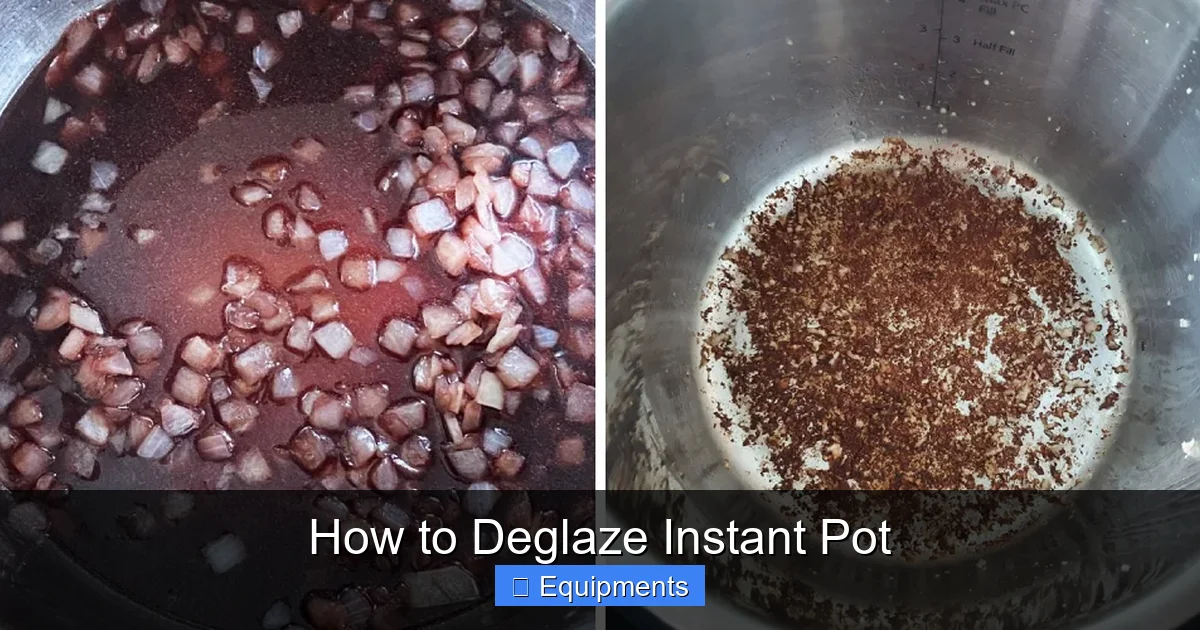
If you love the Instant Pot, you know it can do almost anything—soups, stews, rice, even cakes. But there’s one step many home cooks skip: deglazing. When you sauté meat or vegetables, tiny brown bits stick to the bottom. Those bits are called “fond,” and they hold a world of flavor.
Deglazing lifts the fond, mixes it into your cooking liquid, and stops the dreaded “burn” warning that can ruin a meal. In this guide, we’ll walk through exactly how to deglaze an Instant Pot, why it matters, and how to use the technique in everyday recipes.
What Is Deglazing and How Does It Work?
The science behind the brown bits
When food cooks, sugars and proteins undergo the Maillard reaction. This creates the golden‑brown crust you love. The reaction also leaves a thin layer of caramelized residue on the pot’s surface.
Why the Instant Pot needs extra love
The Instant Pot’s inner pot is made of stainless steel. It conducts heat well, but it also shows “burn” errors if the bottom gets too dry. Deglazing adds moisture, dissolves the fond, and spreads the heat evenly.
Step‑by‑Step Guide: How to Deglaze Instant Pot
1. Finish the sauté stage
Start by using the Sauté function. Brown your meat, onions, garlic, or any aromatics you like. When the color is deep and you hear a faint crackle, you’re ready.
Visual guide about How to Deglaze Instant Pot
Image source: thekitchenix.com
2. Turn off the heat
Press Cancel or switch the function to “Keep Warm.” This stops the pot from getting hotter while you add liquid.
3. Choose your deglazing liquid
Pick a liquid that matches your dish:
- Chicken or beef broth: Classic for soups and stews.
- Red or white wine: Adds acidity and depth to sauces.
- Water: Works in a pinch.
- Coconut milk, juice, or even coffee: Great for creative twists.
4. Add the liquid slowly
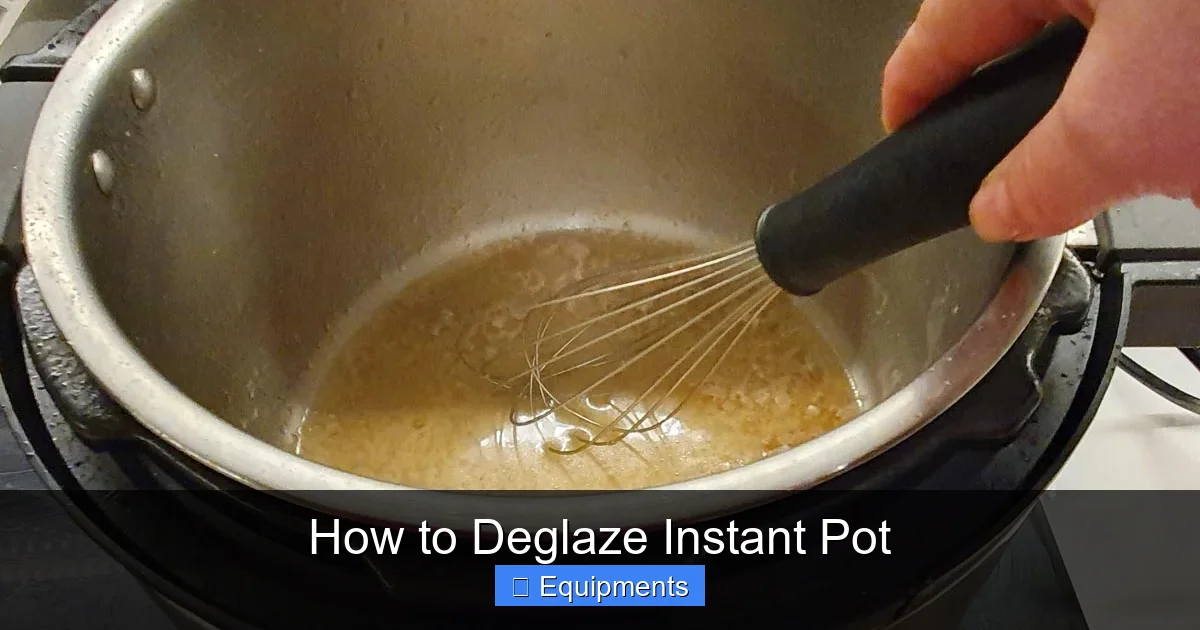
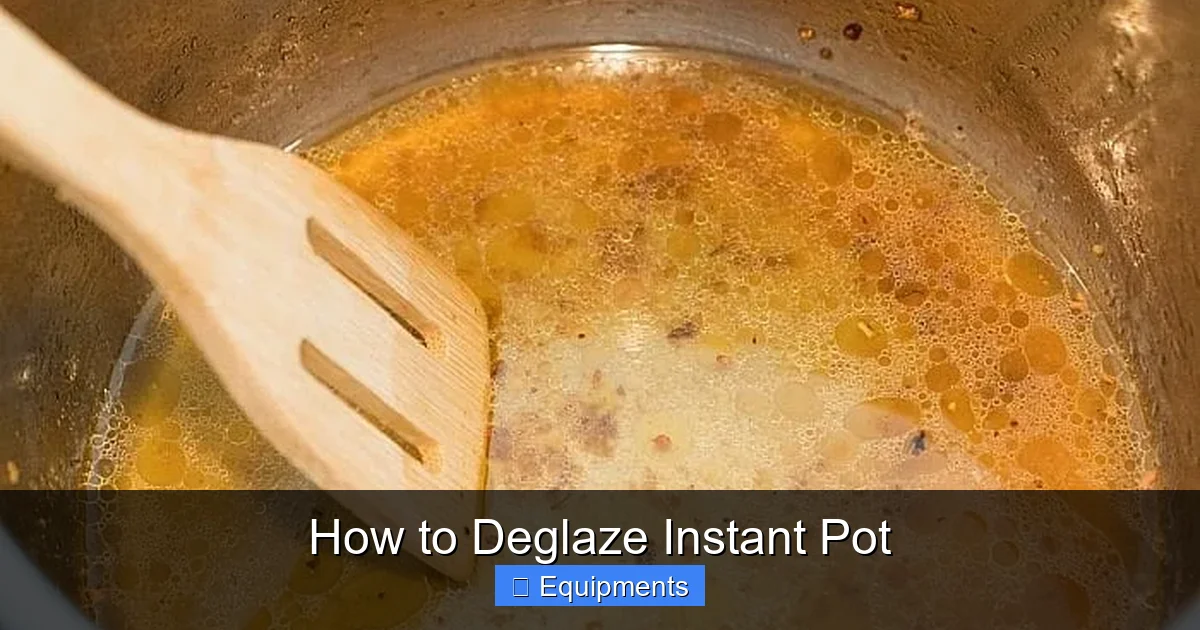
Measure about ½ cup for a 6‑quart pot. Pour it in a thin stream while scraping the bottom with a wooden spoon. You’ll hear a gentle sizzle as the fond releases.
5. Scrape, stir, and dissolve
Keep the spoon moving. The goal is to dissolve every sticky piece. If you see steam, that means the liquid is doing its job.
6. Return to pressure cooking
Close the lid, set the valve to sealing, and select your pressure‑cook time. The deglazed liquid is now part of the cooking broth, enriching the final dish.
Choosing the Right Liquid for Different Cuisines
Asian‑style dishes
Use low‑sodium soy sauce, rice wine, or coconut water. These liquids complement ginger, garlic, and sesame oil.
Visual guide about How to Deglaze Instant Pot
Image source: apressurecookerkitchen.com
Mediterranean meals
White wine, lemon juice, or a splash of olive oil work well with tomatoes, olives, and herbs.
Hearty comfort foods
Beef broth, stout beer, or even a bit of apple cider can turn a simple stew into a weekend‑worthy feast.
Common Mistakes and How to Avoid Them
Adding too much liquid at once
If you dump a cup of broth in a hot pot, you’ll steam the fond instead of scraping it. Add the liquid gradually and keep the spoon moving.
Visual guide about How to Deglaze Instant Pot
Image source: temeculablogs.com
Skipping the “Cancel” step
Leaving the pot on high heat while you pour liquid can cause splatters and may trigger the burn sensor.
Using the wrong utensil
Metal spatulas can scratch the stainless steel. Stick with wood or silicone tools.
Neglecting to scrape the sides
The fond sticks not only to the bottom but also to the sides. Tilt the pot slightly and scrape all around.
Tips for Faster, Cleaner Deglazing
Pre‑measure your liquid
Keep a measuring cup handy. Knowing exactly how much you need saves time and prevents over‑pouring.
Warm the liquid first
Warm broth or wine in the microwave for 20 seconds. Warm liquid blends more easily and reduces steam.
Use a splash guard
If you’re nervous about splattering, place a silicone lid or a small plate over the pot while you pour.
Let the pot sit after cooking
Once the pressure release is complete, leave the pot on “Keep Warm” with a half‑cup of water for five minutes. This loosens any remaining bits, making cleaning a breeze.
Creative Uses for Deglazed Liquid
Making pan sauces
After pressure cooking, switch to Sauté, add a knob of butter, and reduce the deglazed liquid by half. You have a silky sauce ready for drizzling.
Gravy for Thanksgiving
Deglaze with turkey broth, add a touch of flour, and whisk until thick. No lumps, just pure flavor.
Base for soups and chowders
Use the deglazed broth as the starting point for creamy soups. It adds depth that stock alone can’t match.
Sweet desserts
Deglaze caramelized apples with a splash of apple cider or bourbon. The result is a luscious topping for ice cream.
Conclusion: Mastering Deglazing for Consistently Delicious Results
Deglazing may seem like a tiny step, but it makes a huge difference. It prevents burn errors, boosts flavor, and opens the door to sauces you never thought possible in an Instant Pot. By following the simple steps outlined above, you’ll turn ordinary meals into restaurant‑quality dishes.
Take a moment each time you sauté, and remember the five‑second rule: turn off the heat, add liquid, scrape, stir, and pressure cook. With practice, deglazing becomes second nature, and your Instant Pot will reward you with richer, smoother, and more satisfying meals every time.
Frequently Asked Questions
Do I have to deglaze every time I use the Sauté function?
No, but it’s highly recommended when you’re browning meat or aromatics. Deglazing prevents the “burn” warning and adds flavor.
Can I use water instead of broth or wine?
Yes. Water works fine, especially if you’ll add seasonings later. For richer taste, choose broth or wine.
How much liquid should I add when deglazing?
Generally ½ cup for a 6‑quart Instant Pot. Adjust up or down based on the recipe and how much fond you have.
Is it safe to deglaze with alcohol?
Absolutely. The Instant Pot’s sealed environment allows the alcohol to evaporate quickly, leaving only the flavor.
What if I hear a loud sizzling sound after adding the liquid?
A little sizzle is normal. It means the fond is releasing. If the sound is excessively loud, lower the heat or add a bit more liquid.
Can I deglaze after the pressure cooking cycle is finished?
You can, but it’s less effective. The best time is right after sauté, before the pressure‑cook liquid is added.