Keeping your Traeger fire pot clean is essential for consistent heat and great flavor. This guide walks you through the tools you need, the safest cleaning methods, and routine maintenance tips so your grill stays in top shape year after year.
Key Takeaways
- Understanding How To Clean Traeger Fire Pot: Provides essential knowledge
📑 Table of Contents
- Introduction: Why a Clean Fire Pot Matters
- 1. Gather the Right Tools and Safety Gear
- 2. Daily Maintenance: Quick Clean‑Up After Each Cook
- 3. Weekly Check‑In: Inspect, Scrape, and Spot‑Clean
- 4. Monthly Deep Clean: Restoring the Fire Pot to Like‑New Condition
- 5. Seasonal Maintenance: Preparing for Summer or Winter Use
- 6. Troubleshooting Common Issues After Cleaning
- Conclusion: Keep It Simple, Keep It Clean
Introduction: Why a Clean Fire Pot Matters
When you fire up a Traeger grill, the fire pot is the heart of the whole operation. It holds the wood pellets, ignites them, and spreads the heat throughout the cooking chamber. If the fire pot gets clogged with ash, grease, or leftover pellet fragments, you’ll notice three things right away: uneven temperature, longer pre‑heat times, and a smoky flavor that isn’t quite right.
Cleaning the fire pot isn’t a chore you have to dread. With a few simple steps, a couple of inexpensive tools, and a regular schedule, you can keep your Traeger running like it’s fresh out of the box. This article shows you exactly how to clean a Traeger fire pot—from the quick daily wipe‑down to a deep monthly overhaul—so you can focus on the food, not the maintenance.
1. Gather the Right Tools and Safety Gear
What You’ll Need
- Heat‑resistant gloves: Protect your hands while handling hot parts.
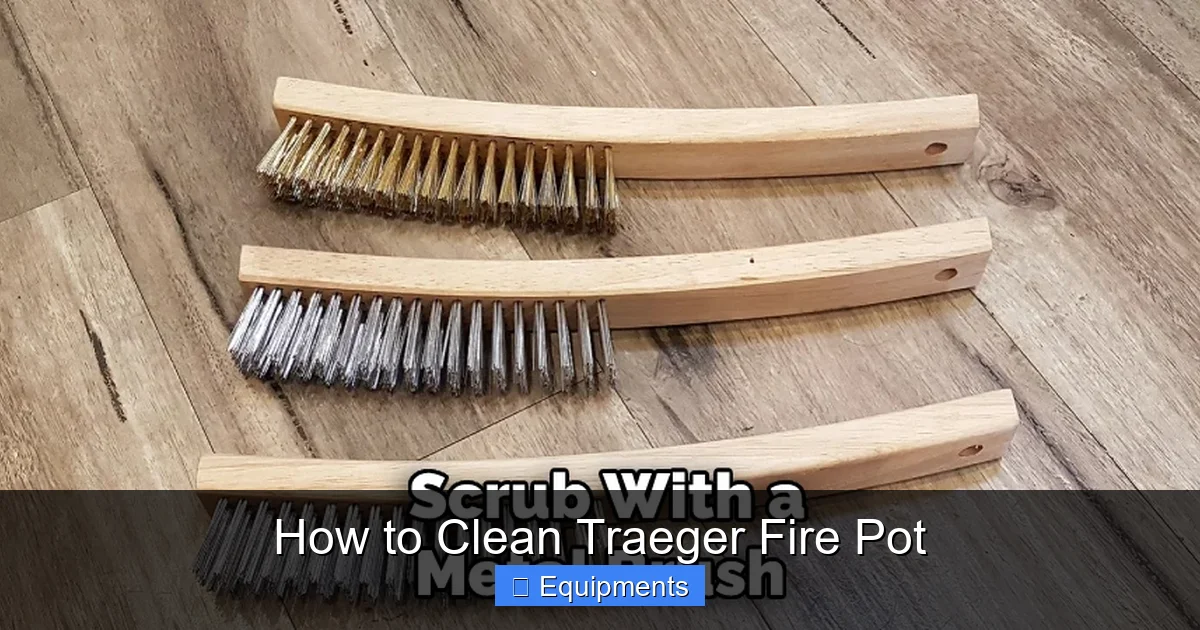
- Soft‑bristle grill brush: Ideal for sweeping away ash without scratching metal.
- Metal spatula or scraper: Helps lift stubborn pellet fragments.
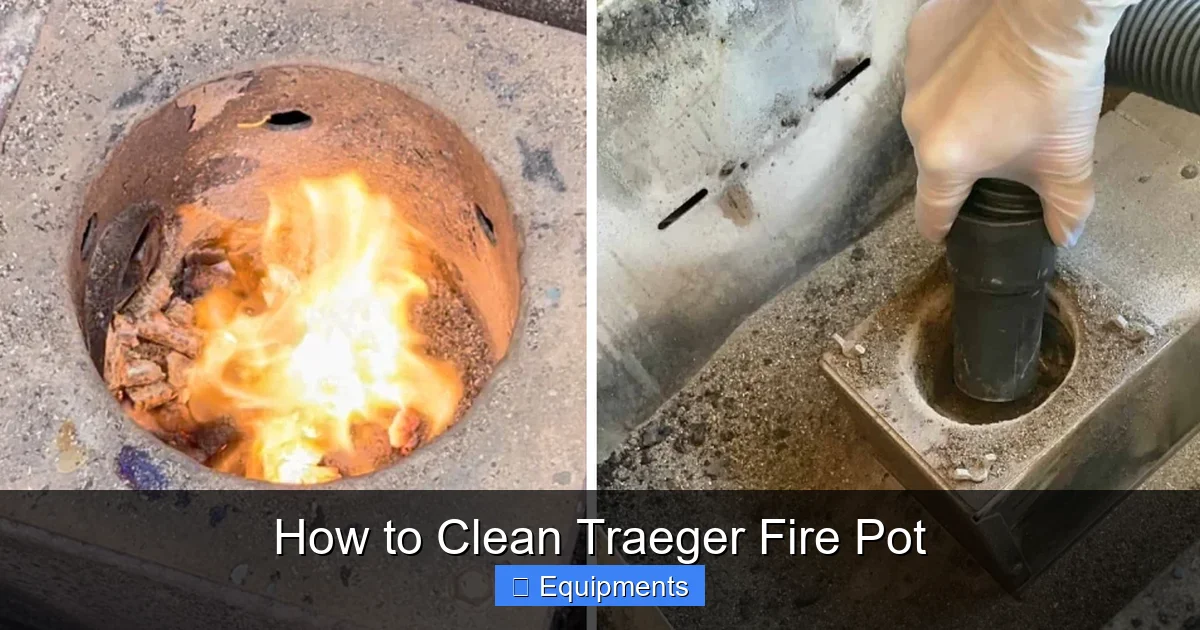
- Vacuum with a hose attachment (optional): For a quick ash removal.
- Bucket or ash can: A metal container with a lid to store ash safely.
- Mild dish soap and warm water: For the deep‑clean soak.
- Non‑abrasive scrub pad: Removes built‑up grease without damaging the surface.
Safety First
Before you even think about reaching into the fire pot, make sure the grill is completely cool. Even a few minutes of residual heat can cause burns. Turn off the grill, unplug it, and let the fire pot sit for at least 30 minutes. If you’re in a hurry, you can speed up cooling by opening the grill lid and letting fresh air flow through.
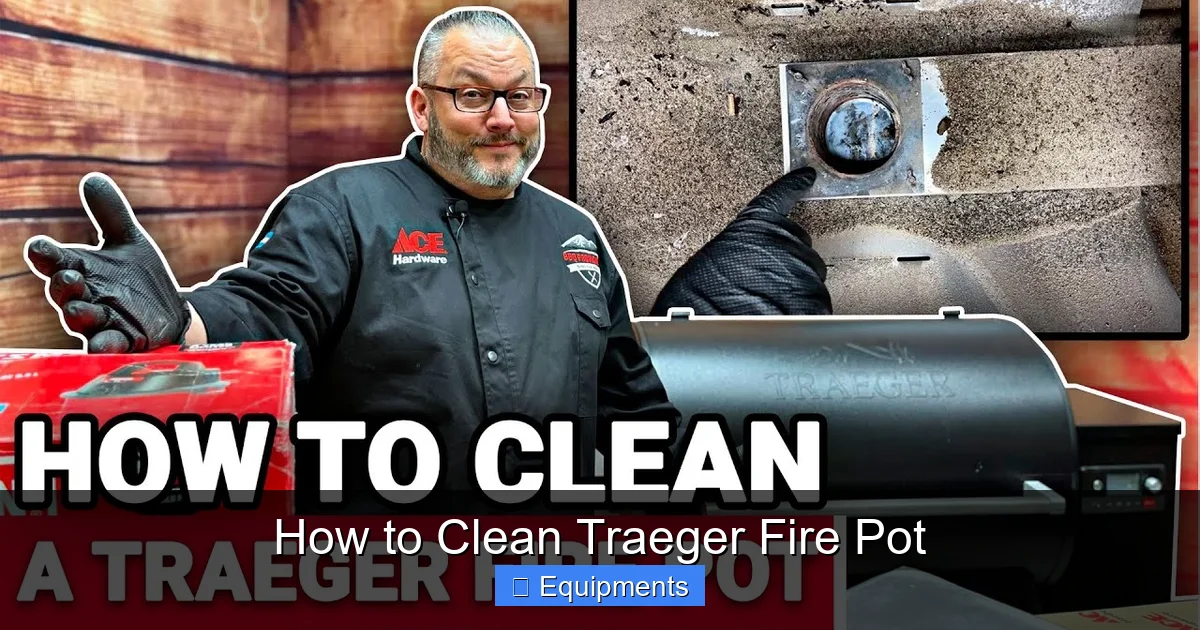
Visual guide about How to Clean Traeger Fire Pot
Image source: i.ytimg.com
2. Daily Maintenance: Quick Clean‑Up After Each Cook
Step‑by‑Step Daily Routine
- Turn off and cool: Shut down the grill and wait for the fire pot to reach room temperature.
- Remove excess ash: Use a small metal scoop or the ash bucket to lift the loose ash from the bottom of the fire pot.
- Brush the interior: Gently sweep the walls and bottom with a soft‑bristle brush to dislodge any lingering ash or pellet bits.
- Wipe the exterior: A damp cloth can be used on the outer metal to keep grease from building up.
- Empty the ash bucket: Seal the bucket and dispose of ash in a metal trash can. Never toss hot ash into a plastic bin.
Why Daily Cleaning Helps
Doing this quick tidy‑up after every session prevents ash from compacting into a hard crust. A thin layer of ash actually helps with heat distribution, but once it gets too thick, it blocks airflow and forces the fire pot to work harder. Less work for the grill means less wear on the internal components.
Visual guide about How to Clean Traeger Fire Pot
Image source: thekitchenix.com
3. Weekly Check‑In: Inspect, Scrape, and Spot‑Clean
Inspect for Build‑Up
After a few cooking sessions, you may notice darker spots where grease has caramelized. These spots can cause hot spots that affect temperature accuracy. Take a moment each week to look for:
Visual guide about How to Clean Traeger Fire Pot
Image source: thekitchenix.com
- Blackened streaks along the side walls.
- Pellet fragments stuck to the bottom.
- Any signs of rust or corrosion.
Scrape and Spot‑Clean
Use a metal spatula to gently lift any stubborn pieces. For the blackened streaks, dampen a non‑abrasive pad with warm, soapy water and rub lightly. Rinse with a clean, damp cloth and dry thoroughly. If you see a small rust spot, a light coating of high‑temperature grill spray can keep it from spreading.
4. Monthly Deep Clean: Restoring the Fire Pot to Like‑New Condition
Why a Deep Clean Is Worth It
Even with daily and weekly care, grease and ash will eventually fuse together, forming a crust that a brush can’t remove. A monthly deep clean dissolves this crust, restores proper airflow, and extends the life of the fire pot.
Step‑by‑Step Deep‑Cleaning Process
- Cool and disassemble: Ensure the grill is off and cool. Remove the fire pot according to the user manual (usually by pulling it out from the bottom).
- Soak in warm soapy water: Fill a large basin or bathtub with warm water and a few drops of mild dish soap. Submerge the fire pot and let it sit for 15‑20 minutes.
- Scrub the interior: After soaking, take a non‑abrasive scrub pad and gently work over the entire surface. Pay extra attention to the corners where ash tends to collect.
- Rinse thoroughly: Use a garden hose or a clean bucket of water to rinse away all soap residue. Residual soap can affect pellet ignition.
- Dry completely: Pat the fire pot dry with a lint‑free towel, then let it air‑dry for another 30 minutes. Moisture left inside can cause rust.
- Reassemble and test: Slide the fire pot back into the grill, close the lid, and run a short “burn‑off” cycle (set the temperature to 450°F and let it run for 10 minutes). This burns off any remaining moisture.
Tips for an Even Better Deep Clean
- Use a stainless‑steel brush only if the fire pot is stainless steel. Aluminum fire pots can be scratched.
- Add a splash of white vinegar to the soak to help break down stubborn grease.
- Avoid harsh chemicals like oven cleaners; they can damage the coating.
5. Seasonal Maintenance: Preparing for Summer or Winter Use
Summer Prep
In hot weather, the fire pot can get extra ash from faster pellet burn. Before the first summer BBQ, give the fire pot a deep clean, then check the drip tray for clogs. A clean tray stops ash from spilling back into the fire pot.
Winter Prep
Cold weather can cause moisture to condense inside the grill. After each winter cook, be extra diligent about drying the fire pot. Consider applying a thin layer of high‑temperature grill spray to protect against rust.
Storage Tips
If you plan to store the grill for an extended period, remove the fire pot, clean it, and coat it lightly with a silicone spray. Store the grill in a dry, sheltered area and cover it with a breathable grill cover—not a plastic sheet that traps moisture.
6. Troubleshooting Common Issues After Cleaning
Problem: Fire Pot Won’t Light
Check that all ash has been removed from the igniter area. A small piece of ash can block the flame. Also verify that the igniter rod is clean and not corroded.
Problem: Temperature Fluctuates
This usually means airflow is restricted. Re‑inspect the fire pot for any remaining ash or debris. Clean the vent holes on the bottom of the grill as well.
Problem: Unpleasant Odor
If you smell a “burnt plastic” scent, you may have used a cleaning product that left residue. Rinse the fire pot again with plain water and run a burn‑off cycle before cooking.
Conclusion: Keep It Simple, Keep It Clean
A clean Traeger fire pot is the secret behind reliable heat, great flavor, and long‑lasting performance. By spending just a few minutes each day, a short session each week, and a more thorough clean each month, you’ll avoid the common headaches of uneven temperature and smoky off‑notes. Remember the key steps: cool down, brush out ash, soak and scrub monthly, and always store the grill dry. Follow these habits, and your Traeger will reward you with perfectly smoked meals for years to come.
Frequently Asked Questions
How often should I clean the fire pot on a Traeger?
Do a quick brush‑out after every cook, a deeper scrape once a week, and a full soak and scrub once a month.
Can I use a wire brush on the fire pot?
A soft‑bristle brush is safest. Wire brushes can scratch aluminum or coated surfaces, leading to rust.
Do I need to empty the ash bucket after each use?
Yes, empty it after each session to prevent ash from building up and becoming a fire hazard.
Is it okay to clean the fire pot while it’s still warm?
No. Always let the fire pot cool completely; hot metal can cause burns and may warp delicate parts.
What should I do if I notice rust on the fire pot?
Lightly sand the rusted area with fine‑grade steel wool, clean the pot, then apply a high‑temperature grill spray to protect it.
Can I use oven cleaner to remove grease?
Avoid oven cleaners. They’re too harsh and can damage the fire pot’s coating. Stick to mild dish soap and a non‑abrasive pad.