Got a scorched Instant Pot? No panic needed! This guide walks you through simple household tricks, safe soaking methods, and deep‑clean techniques to erase burn marks without damaging the appliance. Follow the steps and your pot will look brand‑new again in no time.
Key Takeaways
- Act quickly: The sooner you address the burn, the easier it comes off.
- Use gentle, non‑abrasive cleaners: Baking soda, vinegar, and dish soap protect the inner pot.
- Soak is your friend: A long soak loosens stubborn residue without scrubbing.
- Avoid metal tools: Scratches can ruin the non‑stick coating and void warranty.
- Check the sealing ring: Burnt food can hide in the ring; clean it separately.
- Prevent future burns: Use proper liquid levels and avoid “dry‑cook” settings.
- Know when to call support: Persistent odors or damage may need professional service.
📑 Table of Contents
- Introduction: Why a Burnt Instant Pot Happens and How to Fix It
- 1. Diagnose the Burn: How Bad Is It?
- 2. Basic Cleaning Tools You’ll Need
- 3. Quick‑Fix Methods for Light Burns
- 4. Deep‑Cleaning Strategies for Stubborn Burns
- 5. Cleaning the Sealing Ring, Lid, and Accessories
- 6. Preventing Future Burns: Best Practices
- Conclusion: Bring Your Instant Pot Back to Life
Introduction: Why a Burnt Instant Pot Happens and How to Fix It
Instant Pots are kitchen heroes. They pressure‑cook, sauté, slow‑cook, and even bake—all in one pot. But when a recipe goes wrong or you forget to add enough liquid, the bottom can scorch. A burnt inner pot looks ugly, can affect flavor, and may even damage the appliance if left untreated.
Good news: most burn marks are removable with everyday ingredients. You don’t need expensive chemicals or a replacement pot. This article breaks down every method—from the quick‑soak hack to a deep‑clean routine—so you can bring back that shiny, non‑stick surface.
1. Diagnose the Burn: How Bad Is It?
Surface vs. Deep Scorch
First, look at the damage. A light brown ring is usually surface‑level and comes off easily. A black, crusty layer may have penetrated the coating and needs a longer soak.
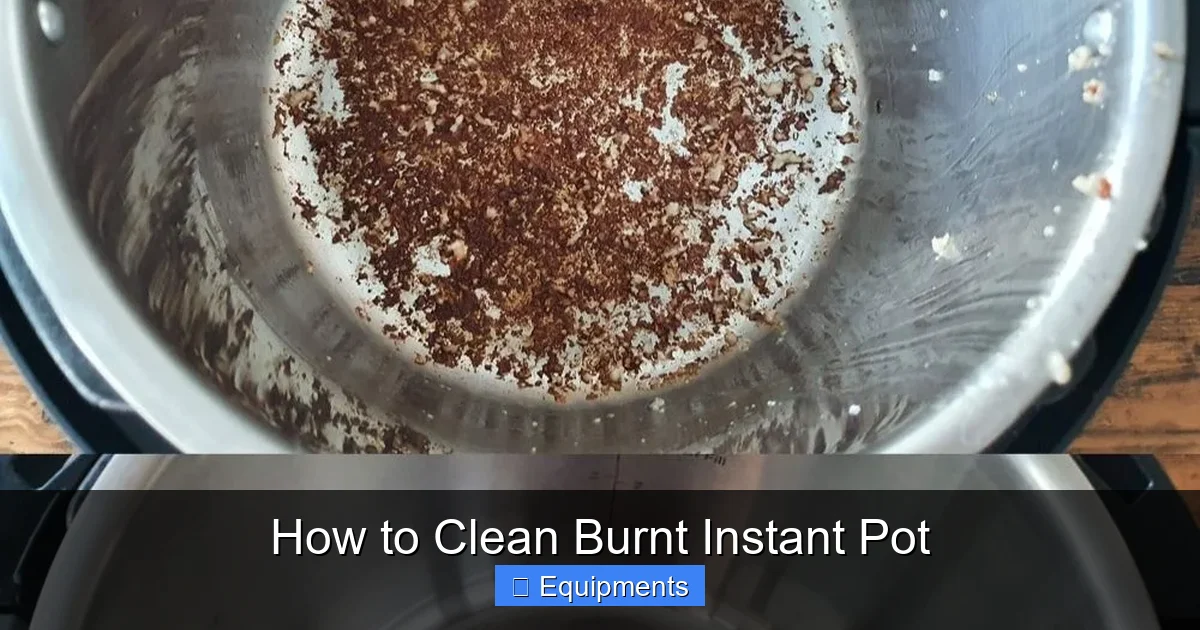
Visual guide about How to Clean Burnt Instant Pot
Image source: apressurecookerkitchen.com
Check the Sealing Ring and Lid
Food particles can hide in the silicone sealing ring, the steam release valve, and the lid’s gasket. Even if the pot looks clean, burnt bits may linger there, causing lingering odors.
2. Basic Cleaning Tools You’ll Need
Household Staples
- Baking soda – gentle abrasive and deodorizer.
- White vinegar – cuts through carbon buildup.
- Dish soap – lifts grease.
- Water – the universal solvent.
Non‑Abrasive Supplies
- Soft sponge or non‑scratch scrub pad.
- Plastic or silicone spatula.
- Old toothbrush for crevices.
- Microfiber cloth for polishing.
3. Quick‑Fix Methods for Light Burns
Method A: Baking Soda Paste
1. Mix 3 parts baking soda with 1 part water to form a thick paste.
2. Spread the paste over the burnt area.
3. Let it sit 15‑20 minutes.
4. Gently scrub with a soft sponge.
5. Rinse thoroughly and dry.
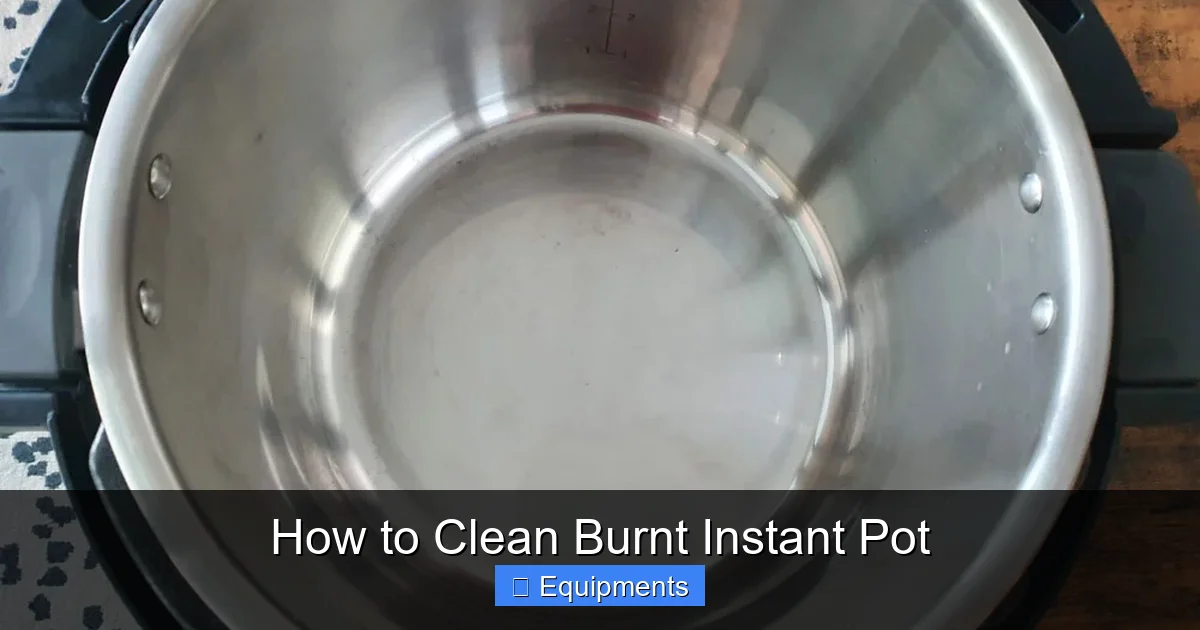
Visual guide about How to Clean Burnt Instant Pot
Image source: apressurecookerkitchen.com
Method B: Vinegar Boil
1. Fill the inner pot with equal parts water and white vinegar.
2. Close the lid (no pressure needed) and set the “Sauté” function for 5 minutes.
3. The steam loosens the carbon; after it cools, discard the liquid and wipe clean.
Why These Work
Baking soda’s mild alkalinity breaks down acidic burnt residues, while vinegar’s acetic acid softens carbon deposits. Both are safe for stainless‑steel and non‑stick interiors.
4. Deep‑Cleaning Strategies for Stubborn Burns
Step‑by‑Step Soak & Scrub
Step 1 – Fill the Pot: Add enough warm water to cover the burnt area. Add 1‑2 tablespoons of dish soap and ¼ cup of baking soda.
Step 2 – Let It Soak: Leave the pot to soak for 4‑6 hours, or overnight for toughest stains.
Step 3 – Heat It Up: After soaking, place the pot on the “Sauté” setting and bring the mixture to a gentle boil for 10 minutes. The heat helps lift the carbon.
Step 4 – Scrub Gently: Use a non‑scratch scrub pad or a nylon brush. Avoid metal scouring pads—they can scratch the coating.
Step 5 – Rinse & Dry: Dump the liquid, rinse with hot water, and dry with a microfiber cloth.
Alternative: Cream of Tartar Method
Mix 2 tablespoons of cream of tartar with ½ cup of water. Heat on “Sauté” until it bubbles, then let cool. The acidic mixture works like a mild bleach for stainless steel, removing dark spots without harsh chemicals.
When to Use a Commercial Cleaner
If home remedies fail after two attempts, consider a non‑abrasive stainless‑steel cleaner (e.g., Bar Keepers Friend). Apply a small amount, let sit 5 minutes, then scrub lightly and rinse well.
5. Cleaning the Sealing Ring, Lid, and Accessories
Sealing Ring
Remove the ring and soak it in warm, soapy water for 15 minutes. For stubborn odor, add a tablespoon of baking soda or a splash of vinegar. Rinse, pat dry, and reinstall.
Lid and Valve
Wipe the lid’s interior with a damp cloth. Use a toothpick or soft brush to clean the steam release valve. For the anti‑block shield (the metal disc), remove it and soak in vinegar for 10 minutes, then scrub.
Accessories
Steam rack, trivet, and glass lid can be washed in the dishwasher or with the same baking‑soda soak used for the inner pot.
6. Preventing Future Burns: Best Practices
Always Use Sufficient Liquid
Pressure cooking requires at least 1‑cup of liquid. For sauté or “dry‑cook” modes, add a splash of broth or water to keep the bottom from scorching.
Stir Frequently
When cooking thick sauces or rice, stir every few minutes. This distributes heat and prevents hot spots.
Use the Right Temperature
Never exceed the “High” sauté setting for sugary or dairy‑based dishes. Reduce to “Medium” or “Low” once the pot is hot.
Regular Maintenance
After each use, wipe the inner pot with a damp cloth. A quick rinse prevents residue buildup that can later burn.
Conclusion: Bring Your Instant Pot Back to Life
Burnt spots on an Instant Pot are frustrating, but they’re not the end of the world. With everyday pantry items—baking soda, vinegar, dish soap—you can dissolve most scorch marks safely. Remember to act promptly, soak patiently, and avoid abrasive tools. Keep the sealing ring and lid clean, and follow simple cooking habits to prevent future burns. Your Instant Pot will thank you with flawless performance and delicious meals for years to come.
Frequently Asked Questions
Can I use bleach to clean a burnt Instant Pot?
Bleach is too harsh for the non‑stick coating and can damage the stainless‑steel interior. Stick with baking soda, vinegar, or a non‑abrasive stainless‑steel cleaner.
How long should I soak a heavily burnt pot?
For severe burns, soak for at least 4‑6 hours, or overnight if possible. Longer soaking gives the cleaning agents time to break down carbon.
Is it safe to use a metal scouring pad?
No. Metal pads can scratch the inner pot’s coating, reducing its longevity and potentially voiding the warranty.
Will the cleaning methods affect the pot’s warranty?
Using recommended household cleaners (baking soda, vinegar, mild dish soap) will not affect the warranty. Avoid abrasive chemicals or tools that could cause damage.
Why does my Instant Pot still smell burnt after cleaning?
Odors can linger in the sealing ring or lid. Remove and soak those parts separately, and run a “Steam” cycle with water and a splash of vinegar to clear the smell.
Can I prevent burns by using the “Keep Warm” function?
“Keep Warm” uses low heat, so it’s safe for most dishes. However, always ensure there’s enough liquid before switching to this mode to avoid dry‑heat scorching.