Cleaning a colander doesn’t have to be a chore. With a few household items and simple techniques, you can eliminate food residue, odors, and rust, extending the life of your favorite kitchen tool. Follow our easy steps and keep your colander looking brand‑new after every use.
Key Takeaways
- Regular rinsing prevents buildup: A quick rinse right after use stops food from hardening.
- Use the right cleaning agents: Mild dish soap, baking soda, and vinegar are safe for most colanders.
- Address stains and rust promptly: Targeted treatments keep metal and plastic surfaces spotless.
- Dry thoroughly to avoid mildew: Air‑dry upside down or towel‑dry to prevent water spots.
- Maintain different materials: Stainless steel, plastic, and silicone each need specific care.
- Sanitize for food safety: A quick boil or bleach soak kills lingering bacteria.
- Store wisely: Keep the colander in a dry, ventilated spot to extend its lifespan.
📑 Table of Contents
Introduction: Why a Clean Colander Matters
Imagine draining pasta and noticing a faint metallic taste lingering in the water. Or see a stubborn brown ring on the rim of your stainless‑steel colander. Those are signs that your colander needs more than a quick rinse. A clean colander not only looks attractive, it also prevents off‑flavors, bacterial growth, and rust that can ruin your meals.
In this guide, we’ll walk you through everything you need to know about how to clean a colander. From everyday maintenance to deep‑cleaning tricks for stubborn stains, you’ll have a toolbox of easy, budget‑friendly methods. Let’s make that kitchen staple sparkle again.
1. Know Your Colander Material
Colanders come in three main materials: stainless steel, plastic, and silicone. Each reacts differently to cleaning agents, heat, and scrubbing.
Visual guide about How to Clean a Colander
Image source: kitchenfact.com
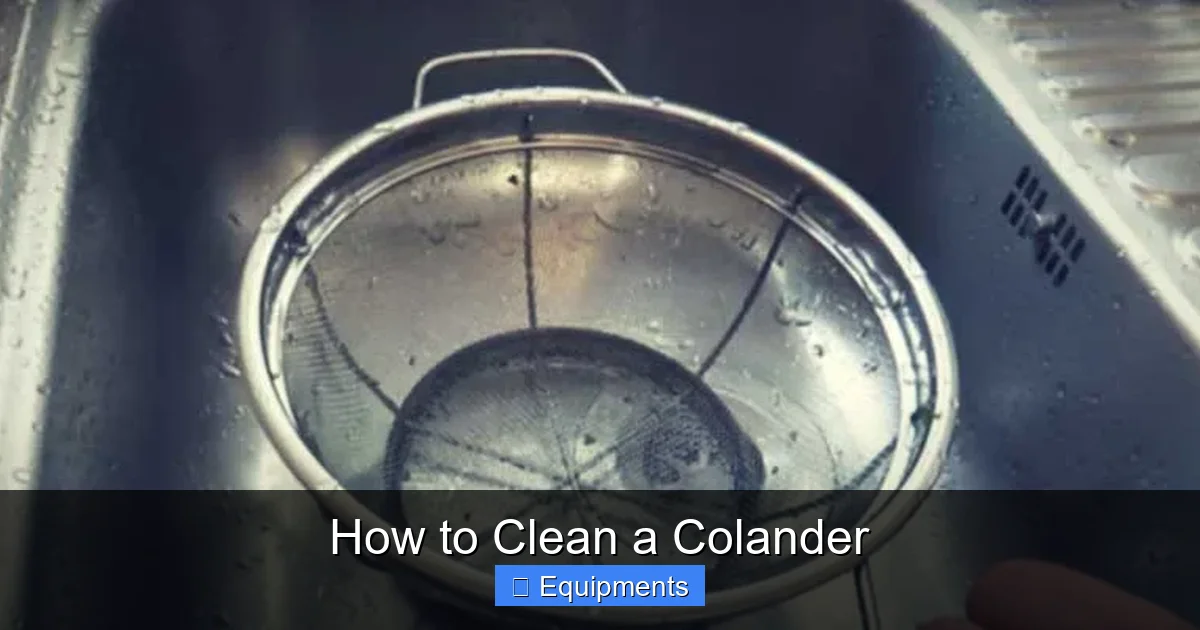
Stainless Steel
Strong, durable, and dishwasher‑safe, stainless steel can handle a bit of abrasion. However, harsh chlorine bleach can cause pitting, and acidic cleaners may leave water spots if not rinsed well.
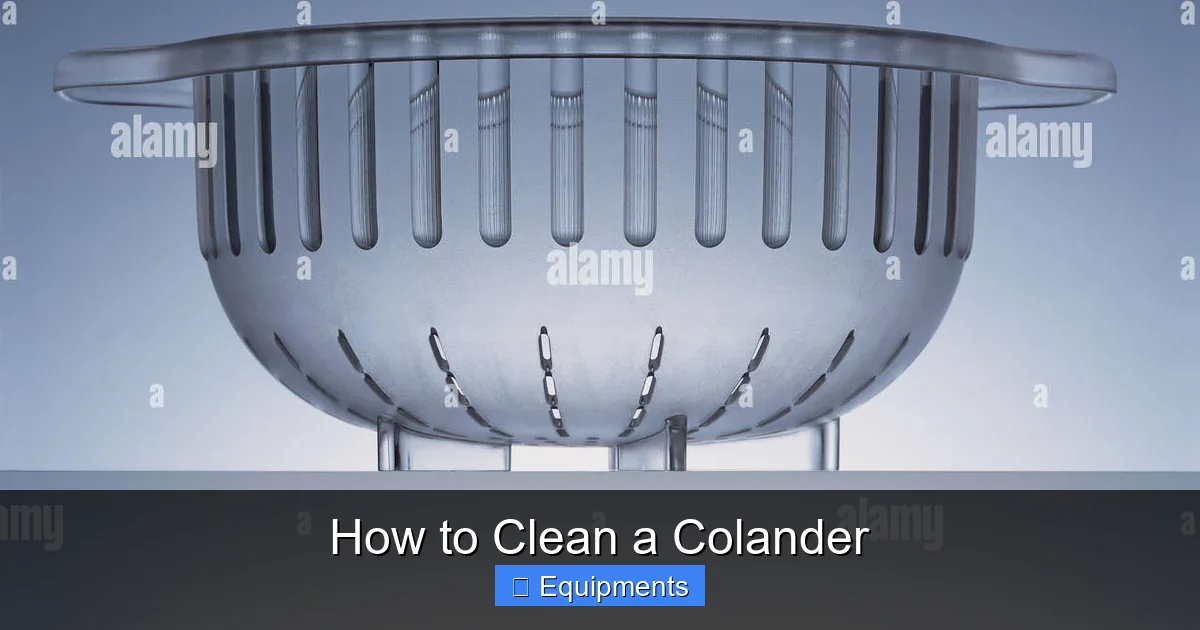
Plastic
Lightweight and affordable, plastic colanders are prone to staining and may warp under high heat. Avoid abrasive pads that could scratch the surface and harbor bacteria.
Silicone
Flexible and heat‑resistant, silicone is gentle on dishes but can retain odors if not dried properly. It tolerates boiling water and most food‑grade cleaners.
Knowing the material helps you pick the safest cleaning method and avoid damage.
2. Everyday Quick‑Clean Routine
Most of the time, a colander only needs a quick clean right after use. This prevents food from drying and sticking.
Visual guide about How to Clean a Colander
Image source: static.vecteezy.com
Step‑by‑Step Quick Rinse
- Step 1: Tap the colander over the sink to shake off excess food.
- Step 2: Run warm water over both sides while gently swishing.
- Step 3: Use a soft sponge with a few drops of mild dish soap.
- Step 4: Rinse thoroughly to remove any soap residue.
- Step 5: Shake off excess water and set upside down to air‑dry.
Even a 30‑second rinse can keep stains from forming and reduce the need for heavy‑duty cleaning later.
3. Deep‑Cleaning Techniques for Stubborn Stains
When food particles bake onto the surface, a quick rinse won’t cut it. Below are three proven methods that work for all colander types.
Visual guide about How to Clean a Colander
Image source: c8.alamy.com
3.1 Baking Soda Paste
Baking soda is mildly abrasive and neutralizes odors.
- Mix 3 tablespoons of baking soda with enough water to form a thick paste.
- Apply the paste to stained areas using a soft brush or sponge.
- Let it sit for 10‑15 minutes.
- Scrub gently in a circular motion.
- Rinse well with warm water and dry.
3.2 Vinegar Soak
White distilled vinegar dissolves mineral deposits and rust on stainless steel.
- Fill a basin with equal parts warm water and white vinegar.
- Submerge the colander for 20‑30 minutes.
- After soaking, scrub any remaining spots with a non‑abrasive brush.
- Rinse thoroughly to eliminate vinegar smell.
3.3 Lemon & Salt Scrub (Great for Plastic)
The natural acidity of lemon combined with salt’s grit lifts discoloration without scratching.
- Cut a lemon in half and dip the cut side into coarse sea salt.
- Rub the lemon over stained sections while applying light pressure.
- Let the mixture sit for 5‑10 minutes.
- Rinse with warm water and dry.
4. Sanitizing for Food Safety
Even if a colander looks clean, bacteria can linger, especially after handling raw meat or fish. Sanitizing adds an extra layer of protection.
Boiling Water Method
Most metal and heat‑resistant silicone colanders can withstand boiling.
- Bring a large pot of water to a rolling boil.
- Place the colander in the water (use tongs).
- Boil for 3‑5 minutes.
- Remove carefully, set aside to cool, then dry.
Bleach Solution (Use Sparingly)
For plastic colanders that cannot be boiled, a diluted bleach soak works.
- Mix 1 tablespoon of unscented bleach with 1 quart of water.
- Submerge the colander for 2‑3 minutes.
- Rinse thoroughly with plenty of water to remove any bleach residue.
- Dry immediately.
Never combine bleach with vinegar or ammonia—dangerous fumes can form.
5. Preventing Future Problems
Cleaning is easier when you prevent issues before they start. Here are habits that keep your colander in top shape.
5.1 Dry Immediately After Washing
Water left on the surface encourages rust on steel and mold on silicone. Pat dry with a clean towel or place upside down on a drying rack.
5.2 Store in a Ventilated Area
Close‑up storage traps moisture. Keep the colander in a cabinet with a small opening, or use a mesh bag that allows air flow.
5.3 Use a Dishwasher Safely
If your colander is dishwasher‑safe, place it on the top rack to avoid warping. Use a gentle cycle and avoid high‑heat drying, which can cause plastic to melt.
5.4 Avoid Metal Utensils on Non‑Metal Surfaces
Scratching creates tiny crevices where bacteria hide. Use silicone or wooden spoons when stirring foods inside a plastic colander.
6. Troubleshooting Common Issues
Even with regular care, you may encounter specific problems. Below are quick fixes.
Stubborn Rust on Stainless Steel
Make a paste of equal parts baking soda and water. Apply, let sit 15 minutes, then scrub with a soft brush. Rinse and dry promptly.
Odor Retention in Silicone
Soak the colander in a solution of 1 part hydrogen peroxide to 4 parts water for 30 minutes. Rinse well and air‑dry.
Discoloration on Plastic
Place the colander in a microwave‑safe bowl, cover with water, and microwave for 2 minutes. The steam loosens pigments, making them easier to wipe away.
Conclusion: Keep Your Colander Ready for Every Meal
Knowing how to clean a colander transforms a routine kitchen task into a quick, painless habit. By matching the right method to your colander’s material, performing a daily rinse, and tackling stains with natural cleaners, you’ll extend the life of the tool and protect your food’s flavor. Remember to sanitize periodically, dry thoroughly, and store in a dry spot. With these simple steps, your colander will stay bright, odor‑free, and ready for the next pasta night or vegetable prep.
Frequently Asked Questions
Can I put my colander in the dishwasher?
Most stainless‑steel and silicone colanders are dishwasher‑safe if placed on the top rack. Check the manufacturer’s label; some plastic models may warp under high heat.
What is the best natural cleaner for a stainless‑steel colander?
A mixture of white vinegar and warm water works well. Soak, scrub gently, and rinse to remove rust and mineral spots without harsh chemicals.
How do I remove a lingering fish smell from a silicone colander?
Soak the colander in a solution of equal parts water and hydrogen peroxide for 30 minutes, then rinse and dry. The peroxide neutralizes odor molecules.
Is bleach safe for cleaning plastic colanders?
Yes, when diluted (1 Tbsp bleach per quart of water) and used for a short soak. Rinse thoroughly afterward to eliminate any bleach residue.
Can I use a steel wool pad on a stainless‑steel colander?
It’s best to avoid steel wool, as it can scratch the surface and create tiny crevices for bacteria. Use a soft sponge or non‑abrasive brush instead.
How often should I deep‑clean my colander?
For everyday use, a quick rinse after each meal is enough. Perform a deep clean with baking soda or vinegar once a month, or sooner if you notice stains or odors.
