Cleaning a black flat top stove requires a gentle, methodical approach to avoid scratches and maintain its sleek finish. This guide details daily maintenance routines and deep-cleaning techniques using safe, effective solutions like vinegar, baking soda, and specialized cooktop creams. You’ll learn exactly which tools and products to use (and avoid), how to tackle burnt-on food and discoloration, and the common mistakes that can damage your stove’s surface. Following these steps will preserve your stove’s beauty and functionality for years.
Key Takeaways
- Cool Completely: Always let the stove cool to room temperature before cleaning to prevent burns and warping of cleaning pads.
- Scrape First, Scrub Second: Use a proper razor scraper at a low angle to remove baked-on food before applying any cleaners or creams.
- Use Non-Abrasive Tools: Stick to plastic or nylon scrub pads, soft cloths, and the provided scraper. Steel wool and harsh scrubbers will permanently scratch the glass-ceramic surface.
- Choose the Right Cleaner: For routine cleaning, a dedicated cooktop cream is best. For tougher jobs, a paste of baking soda and water or a 50/50 vinegar-water solution is highly effective and safe.
- Finish with a Polish: After cleaning and rinsing, applying a thin layer of cooktop cream or a dedicated polish restores the protective layer and makes future cleaning easier.
- Prevent Spills Immediately: Wipe up sugary or starchy boil-overs as soon as the stove is cool to the touch. These substances bond permanently if left to dry.
- Avoid Harsh Chemicals: Never use oven cleaners, bleach, ammonia, or abrasive powders like Comet on your black flat top, as they can etch and discolor the surface.
📑 Table of Contents
- The Beauty and the Challenge of a Black Flat Top Stove
- Your Essential Cleaning Toolkit: What to Use (and What to Avoid)
- Daily & Weekly Maintenance: The Secret to Effortless Cleaning
- Deep Cleaning: Removing Burnt-On Food and Stubborn Stains
- Special Cases: Discoloration, Scratches, and Hard Water
- Pro Tips and Common Mistakes to Avoid
- Conclusion: A Gleaming Stove is a Happy Stove
The Beauty and the Challenge of a Black Flat Top Stove
There’s no denying the sleek, modern appeal of a black flat top stove. It’s a centerpiece—sophisticated, easy to match with any kitchen decor, and it hides minor smudges better than its stainless steel or white counterparts. But let’s be honest, that beautiful, dark surface is also a magnet for every water spot, fingerprint, and streak. More frustratingly, when food burns onto the surface, it’s not just a stain; it’s a glaring, white or brown scar that seems impossible to remove. Cleaning a black flat top stove doesn’t have to be a daunting task filled with anxiety about scratching the surface. It’s all about understanding the material—most are made of a durable glass-ceramic composite—and using the right tools, techniques, and a little bit of patience. This guide will walk you through everything, from the 30-second wipe-down after cooking to the deep clean that rescues a neglected cooktop, ensuring your stove stays a source of pride, not frustration.
The key principle to engrave on your mind is gentleness. That black surface is tough against heat and thermal shock, but it is susceptible to scratches from abrasive materials. Your enemy is not the burnt-on sugar; it’s the steel wool pad you might instinctively reach for. Your best friends are a plastic razor scraper, soft microfiber cloths, and purpose-made cooktop cleaners. We’ll break this down into manageable routines so you never have to dread looking at your stove again.
Your Essential Cleaning Toolkit: What to Use (and What to Avoid)
Before we talk about *how* to clean, we must talk about *what* to clean with. Having the correct tools on hand makes the entire process 90% easier and guarantees you won’t damage the surface. Think of this as assembling a first-aid kit for your cooktop.
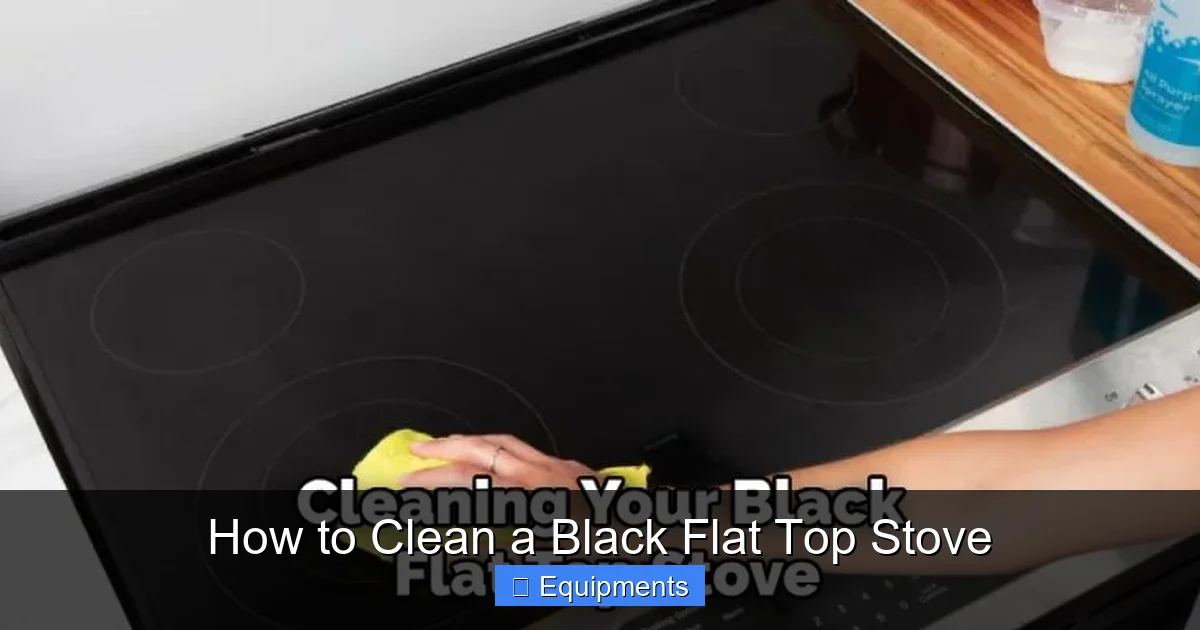
Visual guide about How to Clean a Black Flat Top Stove
Image source: thekitchenix.com
The Must-Have Tools
- Plastic/Nylon Scraper: This is non-negotiable. Most new stoves come with one. If yours didn’t, buy a dedicated cooktop scraper with a fresh, sharp blade. It’s designed to slide under burnt-on food at a safe 30-45 degree angle without gouging the glass.
- Microfiber Cloths: Keep several on hand. One for applying cleaner/scrubbing, one for rinsing with clean water, and a final, dry one for buffing to a shine. Never use paper towels, as they can leave fine scratches.
- Non-Scratch Scrub Pads: The blue or yellow “non-scratch” scrub pads (like those from Scotch-Brite) are safe for the cooktop surface when used gently. Avoid the green “heavy duty” ones.
- Soft Sponges: A soft cellulose sponge is perfect for applying paste cleaners and rinsing.
The Right Cleaning Solutions
- Dedicated Cooktop Cream/Gel: Products like Cerama Bryte, Weiman, or Bar Keepers Friend Cooktop Cleaner are formulated specifically for glass-ceramic surfaces. They contain mild abrasives that polish as they clean and leave a protective layer. This should be your go-to for routine weekly cleaning.
- Baking Soda: A fantastic, ultra-gentle abrasive. Make a paste with water for tackling light Burns and discoloration.
- White Vinegar: Excellent for cutting through grease and mineral deposits from water. Use a 50/50 solution with water in a spray bottle.
- Isopropyl (Rubbing) Alcohol: A 70% solution is perfect for the final wipe-down to remove any remaining cleaner residue and prevent streaks.
What to NEVER Use on Your Black Stove
This is the critical list. Using any of these can cause permanent damage, etching, or discoloration that no amount of scrubbing will fix.
- Abrasive Cleaners: Comet, Ajax, powdered cleansers, or any cleaner with gritty particles.
- Metal Scrubbers: Steel wool, Brillo pads, or SOS pads. They will leave a network of fine scratches that will collect grime and look dull.
- Harsh Chemicals: Oven cleaners (lye-based), bleach, ammonia, drain cleaners, or anything with strong acids or alkalis.
- Sharp Objects: knives, metal spatulas used as scrapers, or anything else that can pierce the surface.
- Hot Water on a Hot Surface: Temperature shock can crack the glass-ceramic. Always cool the stove completely first.
Daily & Weekly Maintenance: The Secret to Effortless Cleaning
The single best way to clean a black flat top stove is to not let it get very dirty in the first place. A few minutes of simple maintenance after each cooking session prevents the vast majority of hard work later. This routine takes less than 5 minutes and will save you hours of scrubbing.

Visual guide about How to Clean a Black Flat Top Stove
Image source: thekitchenix.com
The Post-Cooking Cool-Down & Wipe
Once you’ve finished cooking, turn off the burners. Do not attempt to clean while the surface is warm or hot. You need to wait until it is completely cool to the touch—this is a safety issue and protects your cleaning tools. While it’s cooling, take a moment to scrape off any obvious food debris with your plastic scraper. Once cool, grab a dry microfiber cloth and give the entire surface a quick wipe to remove grease splatters and spills. This prevents them from baking on during the next use.
The Weekly Shine-Up
Once a week, or whenever you notice a dull film, perform this simple routine. It keeps the surface looking like new and maintains that crucial protective layer.
- Ensure the stove is cool. Spray the surface lightly with your 50/50 vinegar-water solution or a dedicated cooktop cleaner spray.
- Wipe with a damp microfiber cloth to remove grease and light film.
- Take a dry microfiber cloth and buff the surface in circular motions. You should see a clear shine return immediately. This buffing step is key to a streak-free finish on black glass.
- For an even better result, apply a tiny dab of cooktop cream to a dry cloth, rub it in with light pressure, let it haze over for a minute, and then buff vigorously to a brilliant shine with a clean, dry microfiber.
Deep Cleaning: Removing Burnt-On Food and Stubborn Stains
Despite your best efforts, sometimes food boils over or gets forgotten. You’re left with a white, crusty patch or a brown scorch mark. Don’t panic. This is where your scraper and a bit of strategy come into play. The golden rule: Always scrape before you soak or scrub. Trying to scrub away a thick layer of burnt sugar is ineffective and creates more abrasion.
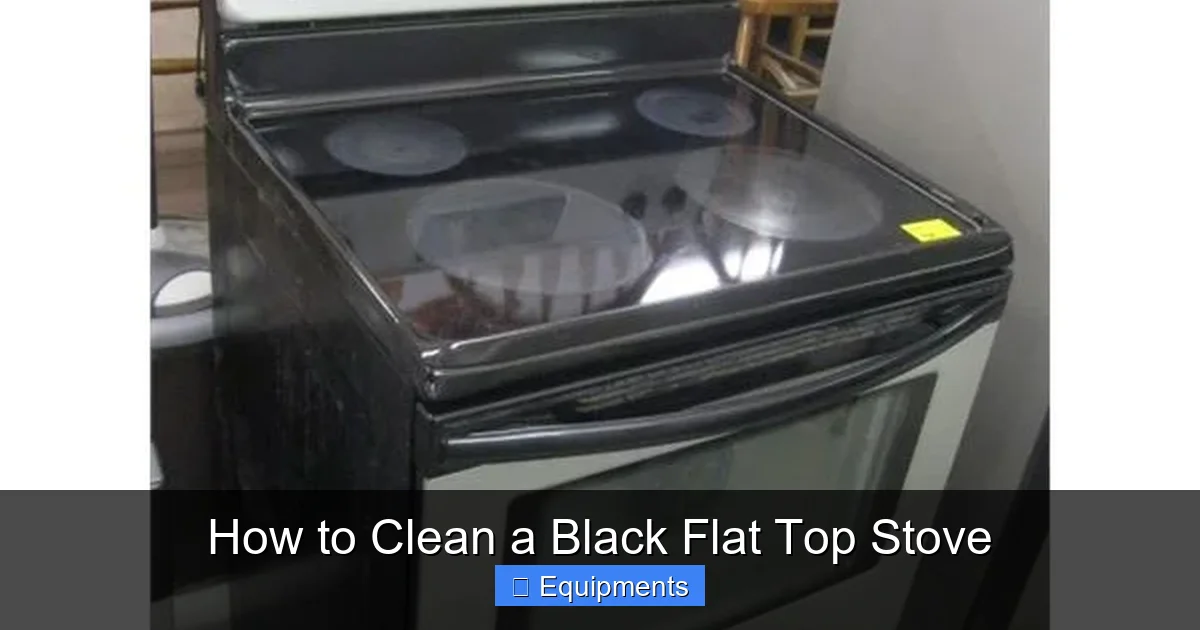
Visual guide about How to Clean a Black Flat Top Stove
Image source: dygtyjqp7pi0m.cloudfront.net
Step-by-Step: The Burnt-On Food Rescue Mission
For a patch of melted plastic, dried oatmeal, or caramelized sugar:
- Cool Completely: This cannot be stressed enough.
- Scrape Gently: Hold your plastic scraper at a low angle (almost flat against the surface). Apply firm, steady pressure and push the debris off. You’ll often get 80-90% of it off just by scraping. Re-sharpen your scraper blade if it’s dull; a sharp blade requires less pressure.
- Apply Heat (Carefully):strong> For particularly stubborn, polymerized sugars or plastics, you can use gentle heat. Turn the corresponding burner on to low for 60-90 seconds. The heat will re-soften the material. Wear a pot holder and work quickly. Turn off the burner and immediately try scraping again while the residue is warm and pliable. Do not overheat.
- Paste Power: If scraping and heat don’t get it all, make a thick paste of baking soda and water. Apply a generous layer over the stain. Let it sit for 15-20 minutes. The mild alkaline nature of baking soda helps break down the carbonized food bonds.
- Scrub Softly: Using a non-scratch pad or a soft sponge, gently work the baking soda paste in a circular motion over the stain. Rinse with a damp cloth. Repeat if necessary.
- Cooktop Cream Finale: Once the residue is gone, clean the entire area with cooktop cream as per the weekly routine to restore the protective finish.
Special Cases: Discoloration, Scratches, and Hard Water
Black flat tops can suffer from specific issues that require tailored solutions. Understanding these will help you address problems correctly.
Fighting White or Brown Discoloration (Heat Marks)
These are not scratches, but rather tiny, permanent changes in the glass-ceramic matrix from extreme, localized heat (like a pot left empty on a hot burner or a sugary spill that burned). Unfortunately, true heat marks cannot be “cleaned” away—they are physical changes in the material. However, you can often minimize their appearance. Use a dedicated cooktop polish or a product like Cerama Bryte’s “Cooktop Polish & Protector.” Apply it generously and buff with a power buffer (a low-speed orbital polisher with a soft foam pad) or by hand with significant elbow grease. The polish fills the micro-pits, making the discoloration less noticeable. Prevention is the only real cure: never let a pan boil dry, and always match pan size to burner size to avoid excessive radiant heat on the glass.
Dealing with Hard Water Spots
If you have hard water, those little white, chalky spots are mineral deposits (calcium and lime). They are not on the surface but have bonded to it. Use white vinegar full strength. Soak a paper towel in vinegar and lay it over the spots for 10-15 minutes. The acid in the vinegar will dissolve the minerals. Remove the towel and buff the area with a vinegar-dampened cloth, then rinse thoroughly with clean water and buff dry. A final wipe with isopropyl alcohol will ensure no film is left.
What to Do About Fine Scratches
If you’ve accidentally used an abrasive tool, you’ll see a network of fine, hairline scratches that catch the light. Light scratches can sometimes be minimized. Use a dedicated glass-ceramic scratch remover kit, which contains progressively finer abrasives. This is a delicate process. Alternatively, a heavy-duty application of cooktop polish with a buffing machine can sometimes fill and disguise very light scratches. Deep scratches, however, are permanent. The best course is to prevent them in the first place by adhering strictly to the non-abrasive tool rule.
Pro Tips and Common Mistakes to Avoid
Even with the right products, technique matters. Here are the insider tips that separate a good clean from a great, protective one.
The Two-Cloth System is Non-Negotiable
Always use one cloth for applying cleaner and scrubbing, and a separate, clean, damp cloth for rinsing. If you rinse with the same cloth you cleaned with, you are just spreading around the grit you just lifted off the surface, which leads to fine scratches. Follow the rinse cloth immediately with a dry buffing cloth.
The Power of the “Haze”
When using cooktop cream, apply a thin, even layer. Let it sit until it dries to a hazy film (usually 1-2 minutes). This haze indicates the mild abrasives have done their work. Then, using a clean, dry section of your microfiber cloth, buff it off with firm, circular pressure. You’ll see the deep shine emerge as the haze is removed. Skipping the haze step means you’re just moving cream around, not cleaning or polishing.
Don’t Forget the Frame and Control Knobs
Your black stove’s frame (often painted metal) and the plastic control knobs need love too. For the frame, use a general kitchen cleaner and a soft cloth. For knobs, remove them (if possible) and wash in warm, soapy water. Dry thoroughly before replacing to prevent moisture from seeping behind the panel.
The Biggest Mistake: Over-Applying Cleaner
More cleaner is not better. A thick, goopy layer of cooktop cream is harder to remove and can leave a filmy residue that attracts more dirt. A pea-sized amount for a large burner is plenty. You are polishing, not bathing the surface.
Conclusion: A Gleaming Stove is a Happy Stove
Cleaning your black flat top stove isn’t a chore; it’s a simple ritual of care that pays off every time you walk into your kitchen. By committing to the quick daily wipe-down, the weekly shine-up with the right products, and knowing exactly how to handle the occasional burnt-on mess, you protect your investment and keep that dramatic, sleek surface looking its absolute best. Remember the mantra: cool, scrape, gentle clean, rinse separately, buff dry. Arm yourself with the right toolkit—plastic scraper, microfiber cloths, baking soda, vinegar, and a good cooktop cream—and banish the fear of scratches and stubborn stains. Your beautiful black stove will continue to be the stunning, functional heart of your kitchen for years to come, a testament to a little knowledge and consistent, gentle care.
Frequently Asked Questions
Can I use a razor blade scraper on my black glass cooktop?
Yes, but only a plastic-handled razor scraper with a fresh blade. Hold it at a very low angle (30-45 degrees) and use gentle, pushing pressure. Never use a metal-handled scraper or a dull blade, as these can easily scratch the surface. The plastic scraper is specifically designed for this material and is your safest tool for removing baked-on food.
Is vinegar safe to use on a black flat top stove?
Yes, white vinegar is perfectly safe and excellent for cutting grease and removing hard water spots. Always dilute it with equal parts water in a spray bottle. Never use vinegar on a hot surface, and always rinse the area with clean water after using it, as the acid can leave a slight residue if not removed.
What is the best homemade cleaner for a black cooktop?
The best homemade options are a paste of baking soda and water for scrubbing burnt-on stains, and a 50/50 solution of white vinegar and water for general degreasing and mineral deposit removal. For the final shine and protection, a dedicated cooktop cream is still superior as it leaves a protective barrier.
How do I get white burn marks off my black stove?
White marks are usually mineral deposits from boiled-dry water or food. Soak a paper towel in white vinegar and place it over the marks for 10-15 minutes. Remove and gently rub with a vinegar-dampened cloth. Rinse thoroughly with clean water and buff dry. For persistent marks, a dedicated cooktop polish and buffing may be needed to minimize their appearance.
Can I use Bar Keepers Friend on my black glass stove?
Use extreme caution. Only the liquid version of Bar Keepers Friend (not the powder) is sometimes recommended for glass-ceramic, and it must be used sparingly and according to the cooktop manufacturer’s instructions. It contains an abrasive (oxalic acid) that can damage the surface if overused. For most situations, baking soda or a dedicated cooktop cleaner is a safer and more effective first choice.
How can I prevent scratches on my black flat top?
Prevention is key: 1) Always use non-abrasive tools—plastic scraper, microfiber, non-scratch pads. 2) Never slide pans or utensils across the surface; lift them instead. 3) Keep the bottom of your cookware impeccably clean, as gritty, burnt-on food on pan bottoms acts like sandpaper. 4) Avoid placing heavy objects on the cooktop. 5) Follow the cleaning methods outlined here, never using steel wool or harsh chemicals.